A bookshelf tells the story of a household faster than any other piece of furniture. Paperbacks from university, a Quran passed down from a grandparent, children’s picture books, a vase from a trip to Aswan, a basket hiding chargers and receipts. Put together carelessly, it looks like storage. Put together with a little thought, it looks like a portrait of the people who live there.
Shelf styling has a reputation for being fussy, with endless rearranging of tiny objects. In practice it rests on a few simple ideas: balance, breathing space, a mix of shapes and a limited palette. This guide walks through each one, with ideas for books, baskets and decorative objects that work in real Egyptian homes, dust and all.
Begin With a Clean Slate
The most effective first step is also the least glamorous: take everything off the shelves. It is the only way to see what you have and what deserves to go back.
Sort items into three piles:
- Keep and display: books you love, meaningful objects, pieces with interesting shapes or textures.
- Keep but hide: useful items that are not decorative, such as cables, papers, medicines and small electronics.
- Let go or move: things that belong in another room, or that you no longer want.
Wipe the shelves down while they are empty. In Egypt’s dusty climate this alone makes the finished result look sharper.
Books First: The Foundation of the Shelf
Books should remain the backbone of a bookshelf. Decorative objects support them, not the other way round.
Mix Vertical and Horizontal
Rows of upright books look like a library. Stacks of horizontal books look like a design magazine. The best shelves combine both. Stand some books upright in groups, then lay a stack of three to five books flat beside them. The stack can act as a pedestal for a small object.
Organise by Size or Colour
Arranging books from tall to short within each group looks tidy instantly. Grouping by colour creates a striking effect, though it can make finding a particular book harder. A compromise is to group by colour family loosely, with similar tones together rather than a strict rainbow.
Do Not Fill Every Inch
Leave space at the end of some rows. A shelf crammed edge to edge with books feels heavy. Gaps let the eye rest and give decorative objects room to stand out.
Baskets: Beauty That Hides the Clutter
Every home has things that need to live near the sofa or desk but do not look good on display. Baskets are the answer, and they bring warm natural texture to the shelf at the same time.
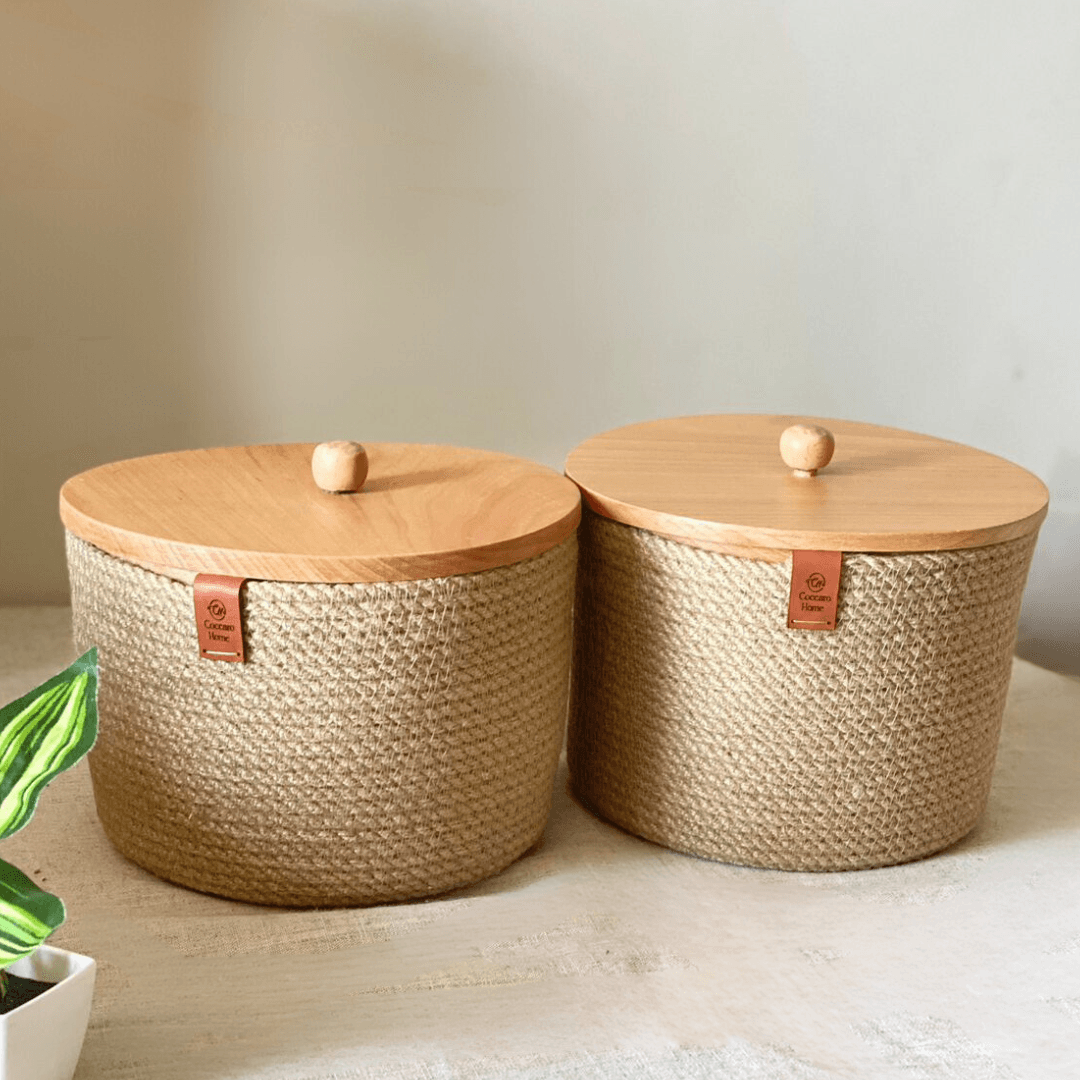
Place larger baskets on the lowest shelves, where they ground the unit visually and are easy to reach. A Jute Storage Basket with Wooden Lid keeps chargers, remotes and paperwork out of sight while looking like a deliberate design choice. Its lid stops dust settling on what is inside.
On middle shelves, smaller baskets work as accents. A set of Halfa Storage Boxes holds small items such as keys, glasses or prayer beads, while adding the golden texture of traditional Egyptian halfa weaving.
Basket Tips
- Repeat the material. Two or three baskets in the same fibre look intentional; five different styles look random.
- Mind the size. A basket should fill roughly two thirds of the shelf depth and height.
- Label discreetly. If several family members use the shelf, a small tag inside the rim helps without spoiling the look.
Decorative Objects: The Personality Layer
Once books and baskets are in place, decorative objects add character. The key is variety in shape and height, combined with restraint.
Vases and Pottery
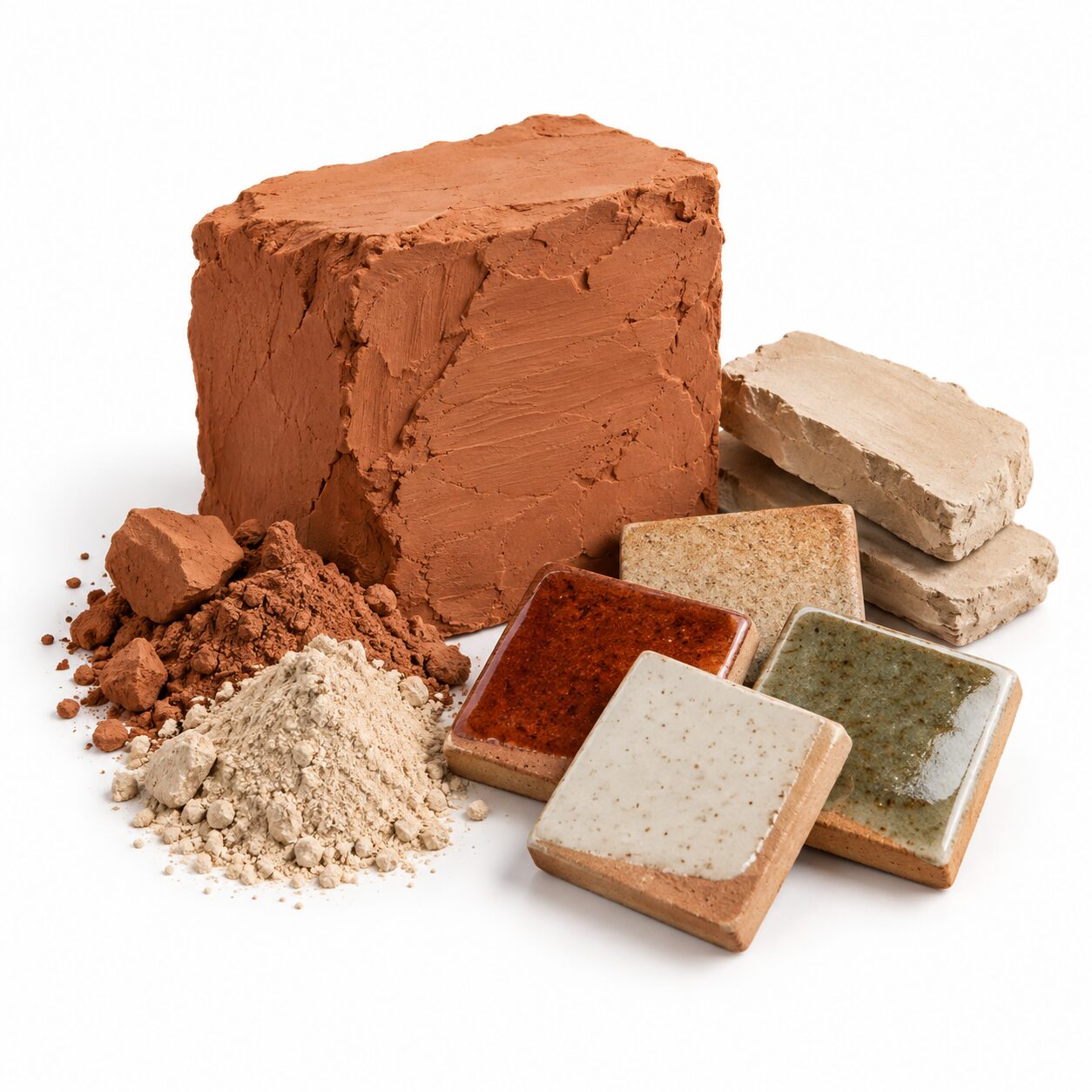
A vase brings height and an organic curve that contrasts with the straight lines of books. An Artisan Handmade Pottery Vase works on its own as a sculptural piece, or with a single stem of dried or artificial greenery.
Plants and Greenery
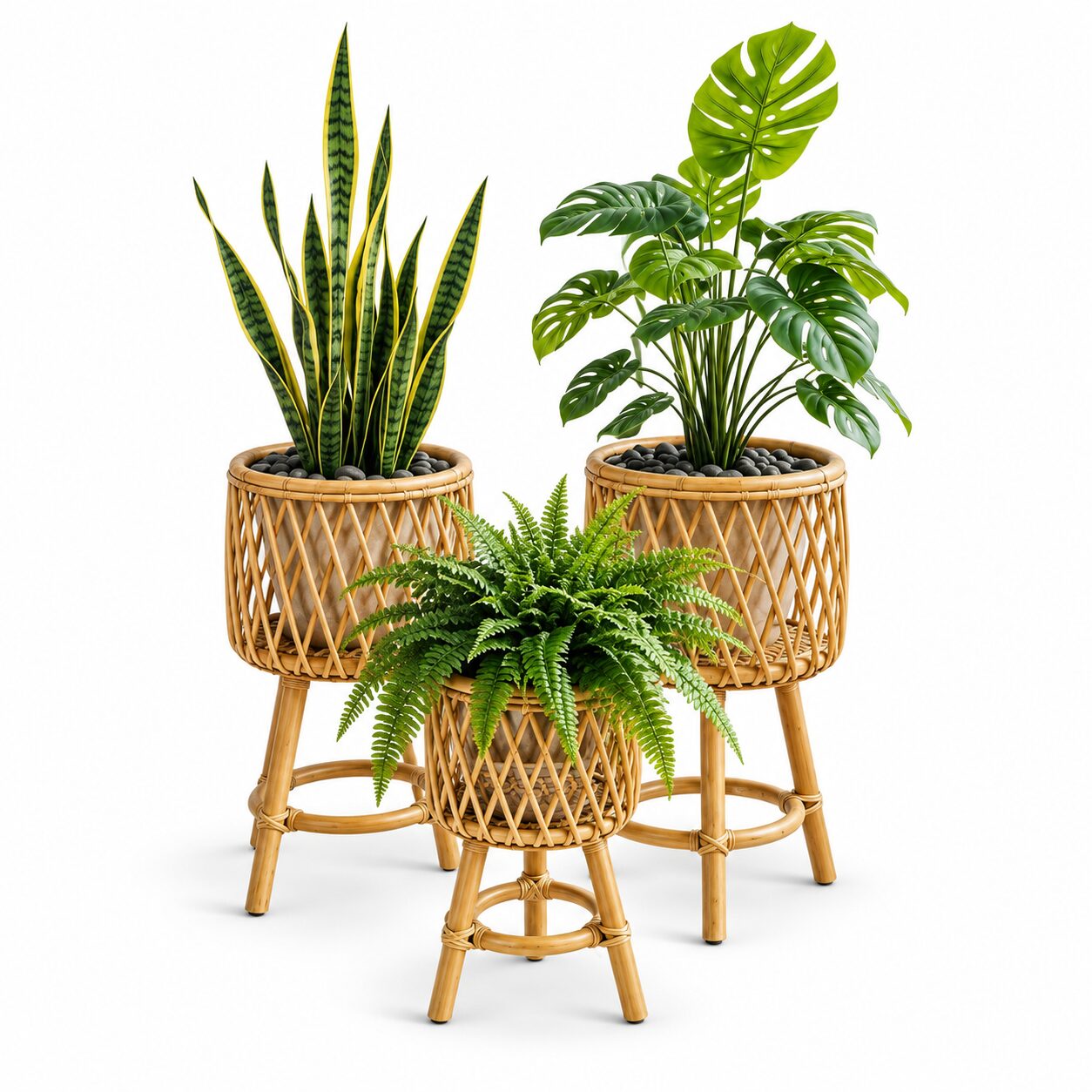
Greenery softens a shelf and brings life to it. Real plants need light, which many shelves lack, so artificial stems are a practical choice for darker corners. An Eco-Friendly Mini Jute Plant Pot with an Artificial Hanging Greenery Branch trailing over the edge adds movement that breaks up the horizontal lines of the shelves.
Wooden and Handmade Accents
Wood warms a shelf, especially one with lots of white or black books. Wooden Beaded Tassel Decoration can be draped over a stack of books or hung from the corner of a shelf. Wooden Decorative Blocks add simple geometric shapes that pair well with pottery.
Candles and Candle Holders
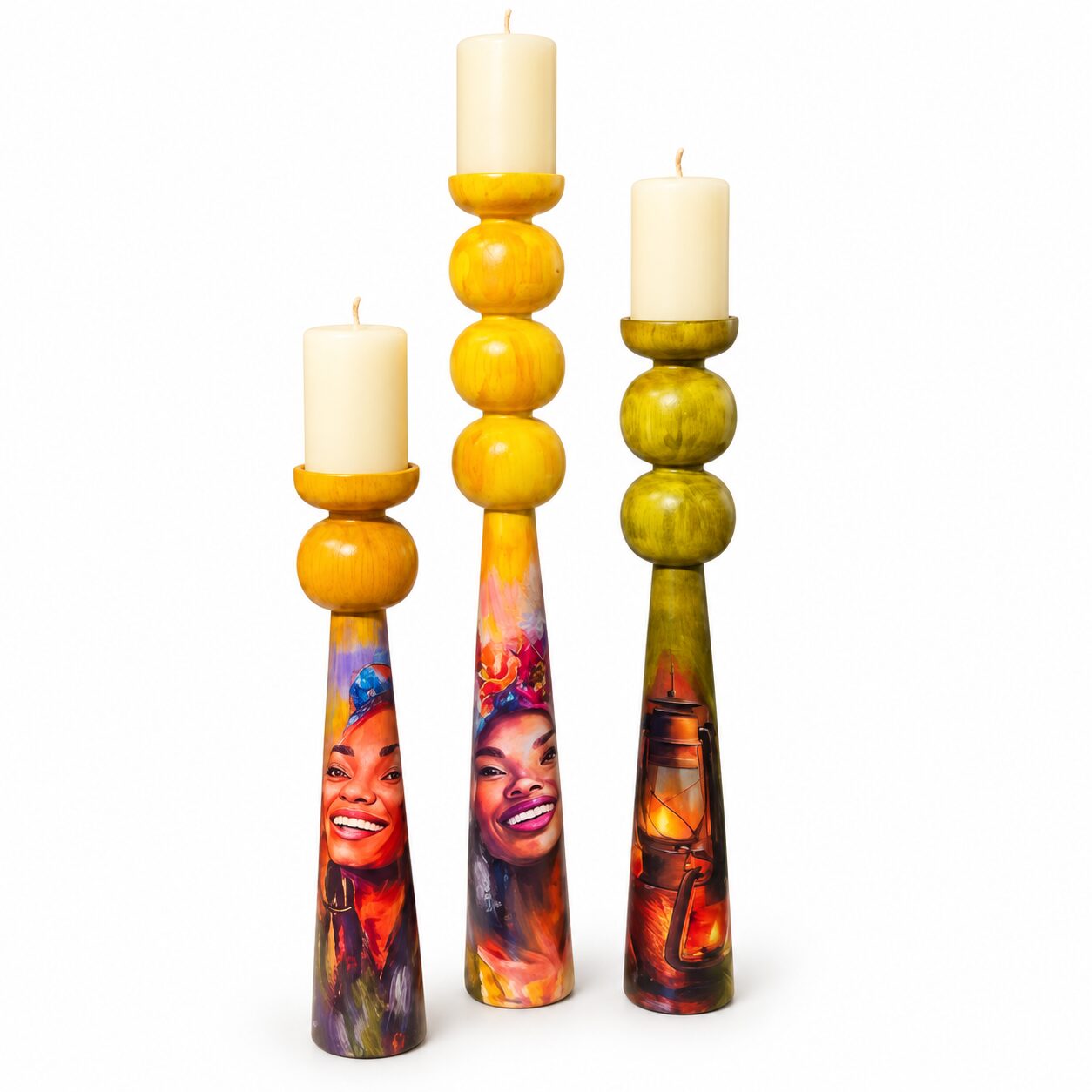
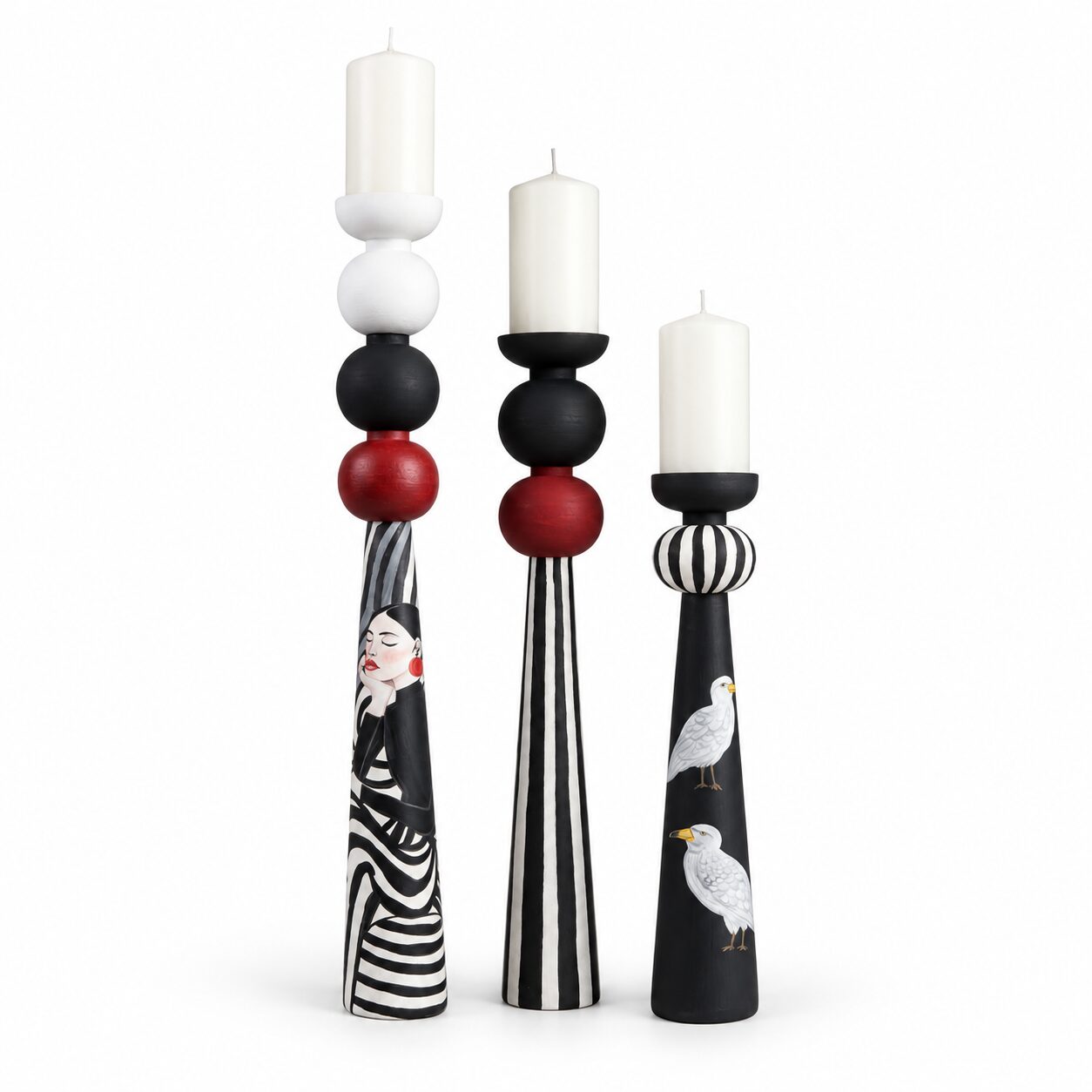
Candle holders add height and a sense of ritual. A Set of Three Wooden Tea Light Holders grouped together creates a neat cluster. For safety, never light candles on a shelf near books, fabrics or overhanging plants; keep them purely decorative there, or move them to an open table when lit.
The Rules of Arrangement
With your pieces chosen, these arrangement principles bring everything together.
Work in Triangles
Arrange objects so their heights form a triangle: one tall item, one medium and one small, grouped together. Then repeat the triangle idea across the whole unit, placing tall items on different shelves in a zigzag so the eye moves up and across.
Use Odd Numbers
Groups of three or five feel more natural than pairs. A tall vase, a stack of books and a small basket make a balanced trio.
Balance, Not Symmetry
If one shelf has a heavy basket on the left, place something visually weighty on the right of the shelf above or below. The unit should feel balanced overall, without every shelf mirroring the next.
Layer Front to Back
Place a flat item, such as a small framed print or a decorative plate, leaning against the back of the shelf, then set a smaller object in front of it. Layering creates depth and makes shelves look fuller with fewer items.
Choosing a Palette
Shelves look calmer when objects share a limited colour story.
- Natural palette: halfa, jute, raw wood, cream pottery and green plants. Warm and timeless.
- Monochrome: black, white and grey objects with books turned spine-in or covered. Graphic and modern.
- Earthy colour: terracotta, mustard and olive pottery with natural baskets. Rich but grounded.
Choose two or three colours plus your natural materials, and let books provide the rest.
A Shelf-by-Shelf Example
For a typical five-shelf unit in a living room, a balanced arrangement might look like this:
- Top shelf: a tall pottery vase with a single green stem on the left, and a short row of upright books on the right. Keep the top light so the unit does not feel top-heavy.
- Second shelf: a horizontal stack of books with a small wooden object on top, then a few upright books, then a pair of candle holders.
- Third shelf, at eye level: your favourite piece, perhaps a framed photo or a decorative plate leaning at the back, with a small plant in front and a group of upright books beside it.
- Fourth shelf: a medium basket for small items, balanced by a stack of larger art or coffee-table books lying flat.
- Bottom shelf: two matching lidded baskets for clutter, sitting side by side to ground the whole unit.
Notice the zigzag: the tall vase sits top left, the eye-level feature sits centre, and the heavy baskets anchor the bottom. Nothing is perfectly mirrored, yet the unit feels balanced.
Making a Small Shelf Work
Not every home has a wall of bookshelves. A single narrow unit, a shelf above a desk or a set of cubes can be styled with the same thinking, just with fewer pieces.
- Choose one hero object per shelf rather than several small ones.
- Keep the palette tighter, perhaps natural materials plus one colour.
- Use vertical space with a slim vase or a trailing plant.
- Rely on baskets even more; small spaces show clutter faster.
Shelves in Different Rooms
Living Room
The most public shelves deserve the most careful styling. Combine books with your best decorative pieces and a couple of lidded baskets for everyday clutter.
Bedroom
Keep bedroom shelves calmer, with fewer objects and soft textures. A favourite novel, a candle holder and a small plant are enough.
Children’s Rooms
Use low shelves and open baskets so children can reach their own books and toys. Face picture books forward; children choose books by their covers.
Wall-Mounted Shelves
Floating or hanging shelves hold fewer, lighter objects. A Macrame Wall Hanging Shelf suits a small plant, a candle and a couple of paperbacks, adding boho texture to a blank wall.
Keeping Shelves Looking Fresh
- Dust weekly. A soft cloth or brush keeps objects bright; dust dulls a shelf faster than anything.
- Edit seasonally. Swap a few objects every few months to keep the display feeling new.
- Rotate books. Bring different books to the front from time to time.
- Leave room to grow. Keep a little empty space for new books and gifts.
Common Mistakes to Avoid
- Too many small objects. Lots of tiny pieces look like clutter; choose fewer, larger ones.
- No books at all. A bookshelf with only decor can feel like a shop display.
- Everything at one height. Vary heights to create rhythm.
- Mismatched baskets. Stick to one or two materials.
- Overfilled shelves. Empty space is part of the design.
- Lit candles near books. Keep flames away from paper and fabric.
Quick Checklist
- Shelves emptied, cleaned and edited
- Books arranged both upright and in horizontal stacks
- Lidded baskets on lower shelves for clutter
- Decorative objects in groups of three with varied heights
- A palette of two or three colours plus natural materials
- At least one piece of greenery
- Breathing space on every shelf
Shelves That Tell Your Story
A beautifully styled bookshelf is not about expensive objects. It is about letting the books you love share space with a few handmade pieces, a touch of green and baskets that keep everyday life tidy. Start with what you already own, add natural textures, and step back often.
Find woven baskets, pottery, candle holders and decorative accents for your shelves at coccarohome.com.
Shop the Look