There is a moment, usually in late afternoon, when the light slants across a living room and catches a few green leaves in a corner. The whole space suddenly feels calmer. That is the quiet power of greenery at home. It softens hard lines, adds life to a plain wall and makes even a rented apartment feel like it belongs to you.
The trouble is that real plants in Egypt ask a lot. Summer heat, dry air from the air conditioner, dusty balconies, long holidays away in the village or on the North Coast, and apartments where sunlight only reaches one room. Many of us have bought a beautiful plant, watched it droop within a month and quietly given up.
This guide is about bringing nature indoors in a way that actually lasts. We will look at how to choose convincing artificial plants, how to pair them with handmade pottery vases and natural-fibre planters, and how to arrange everything so it looks intentional rather than cluttered. Whether you are furnishing a first home as newlyweds or refreshing a family flat before Eid visitors arrive, these ideas work in any room.
Why Greenery Changes the Way a Room Feels
Green is the colour our eyes find most restful. A room with a few leaves in it simply reads as more relaxed, even if nothing else changes. Plants also do a lot of design work that people rarely notice:
- They add height. A tall stem or small tree draws the eye upward and makes ceilings feel higher.
- They fill awkward corners. That empty space beside the sofa or behind the door becomes a feature instead of a gap.
- They soften hard materials. Tiles, marble, glass and metal all feel warmer beside organic shapes.
- They connect indoors and outdoors. Even on the tenth floor of a Cairo building, a green corner hints at a garden.
- They make natural materials shine. Jute, halfa, wood and pottery look their best next to leaves.
The good news is that you can get almost all of these benefits without watering schedules, pests or the heartbreak of brown leaves.
Real vs Artificial: Making the Honest Choice
There is no shame in choosing artificial plants. Modern faux greenery is a very different thing from the shiny plastic flowers many of us remember from our grandparents’ salons. The best pieces have layered leaves, natural colour variation and flexible stems you can shape.
Artificial plants make the most sense when:
- The room gets little natural light, such as an inner hallway, a bathroom without a window or a bedroom facing a light well.
- You travel often, or spend summer weeks away from home.
- You have young children or pets who dig in soil.
- You want a large statement tree without the cost and effort of maintaining one.
- You need greenery in a spot where water damage is a worry, such as on a wooden console or beside books.
Real plants still have their place on a bright balcony or a sunny kitchen windowsill. Many homes do best with a mix: a couple of easy living plants where the light is good, and artificial greenery everywhere else. Once they are styled in good pots, guests rarely notice the difference.
Choosing Artificial Plants That Look Convincing
The secret to faux greenery is restraint and texture. A few well-chosen stems look far more real than a crowded bunch.
Stems and branches
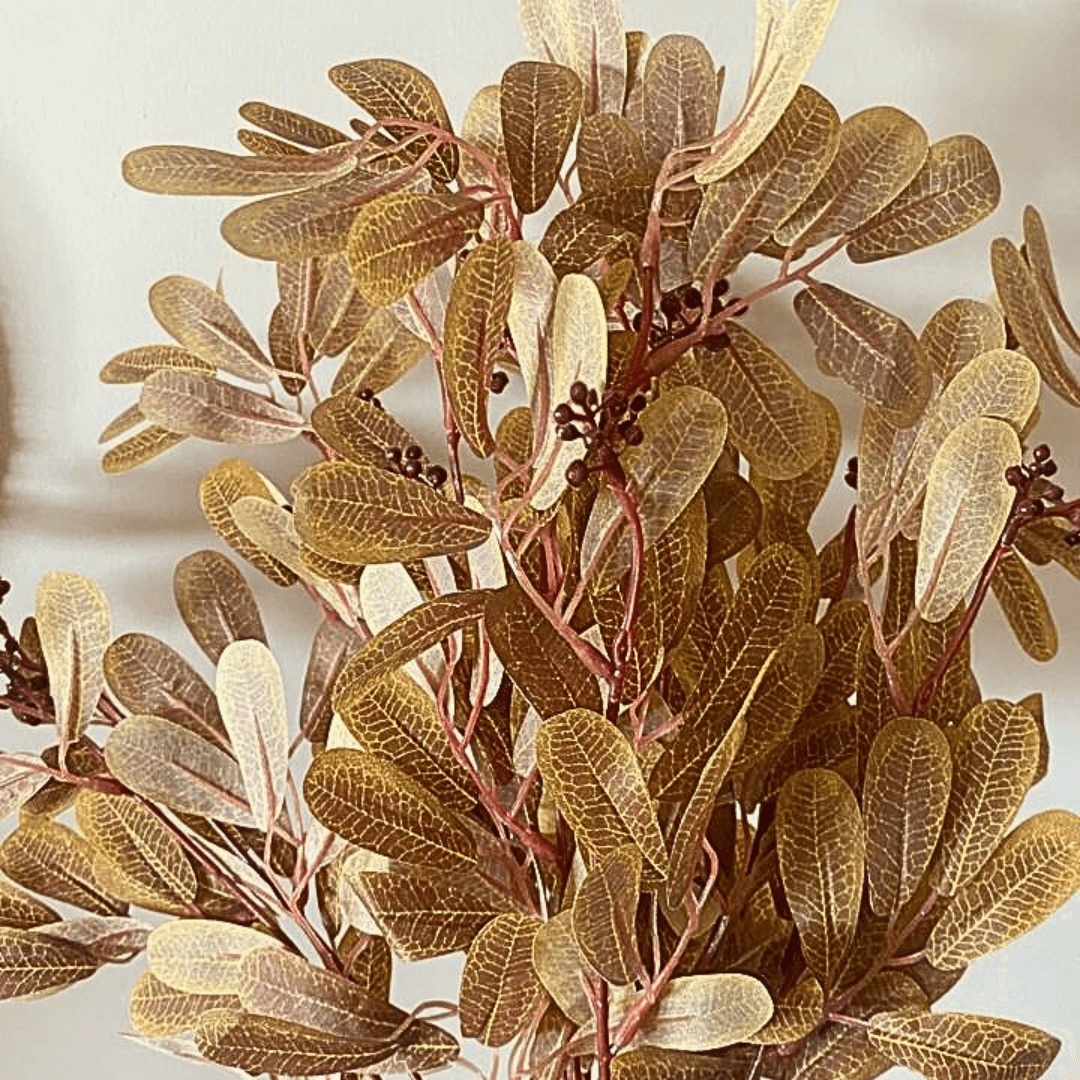
Loose stems are the most flexible starting point. The Silver Dollar Eucalyptus Stems are one of the most popular pieces on the store for a reason: eucalyptus has a soft, dusty colour that suits beige, grey and white interiors, and a few stems in a tall vase instantly look relaxed and airy. For a warmer look, a golden eucalyptus stem adds a touch of shine that works beautifully during Ramadan and Eid, when homes lean towards gold accents.
An artificial olive branch is another quietly elegant choice. Olive leaves feel at home in Egyptian and Mediterranean interiors, and a single branch laid across a dining table or placed in a pitcher vase carries a lot of character.
Statement trees
If you have an empty corner that needs presence, a tree does what no side table can. The Large Artificial Olive Tree with its small fruits and sturdy trunk suits living rooms with neutral or earthy palettes. For a bolder, holiday-at-home feel, the Artificial Banana Tree brings big tropical leaves that look wonderful beside rattan and light wood.
Tips for realism
- Shape every stem. Bend leaves slightly in different directions so they do not all face forward.
- Mix leaf sizes. Pair a broad-leaf plant with a fine-leaf stem in the same room.
- Hide the base. Cover plastic bases with a layer of natural moss, pebbles or a woven pot cover.
- Place them where a real plant would live. A tree near a window looks natural. A tree in a dark corridor looks odd, even if it is artificial.
- Dust them. A quick wipe or a hairdryer on the cool setting every couple of weeks keeps colours fresh. Dust is the fastest giveaway.
Vases: Pottery With Character
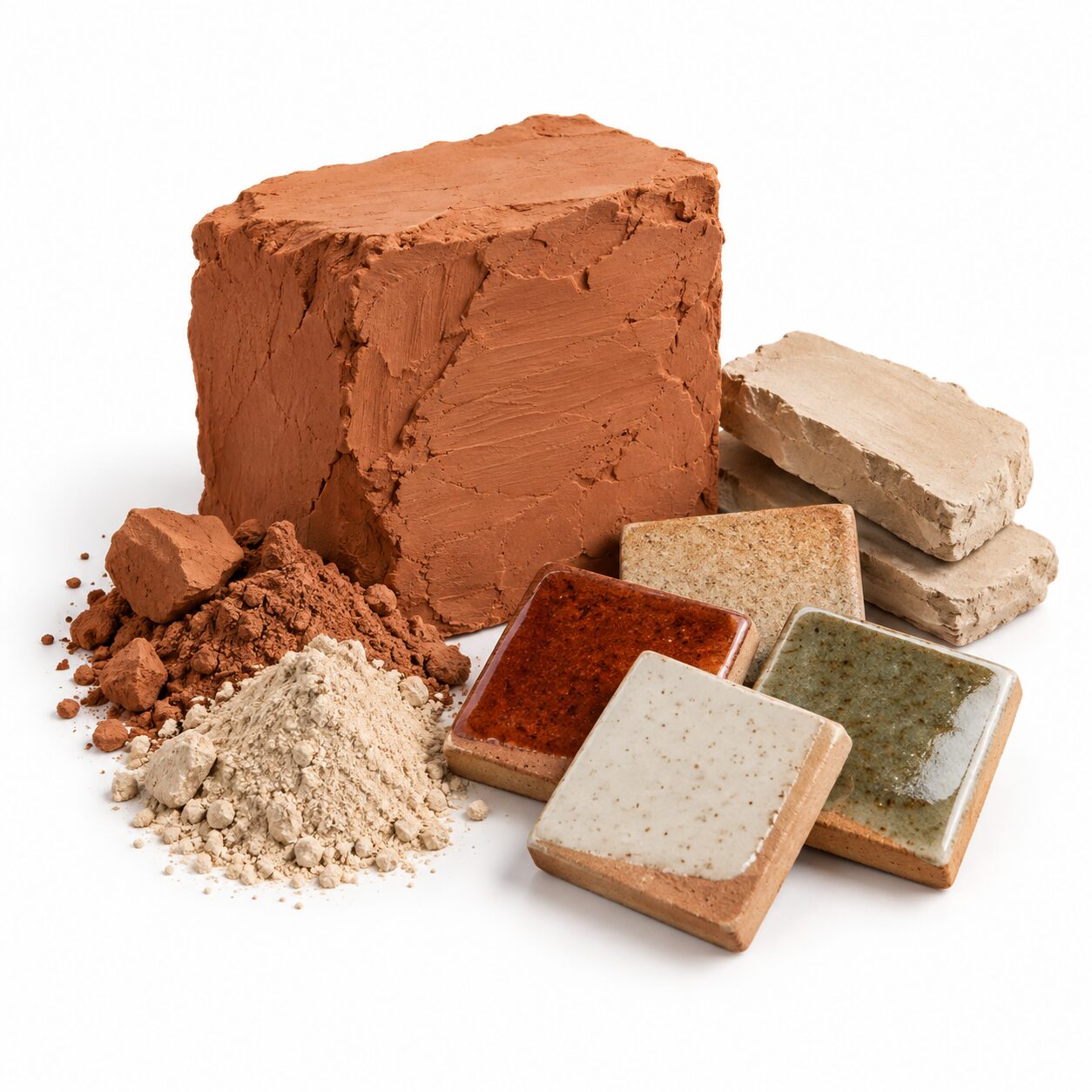
A vase is not just a container. It is often the piece that gives an arrangement its personality. Egypt has a long pottery tradition, and handmade vases carry small irregularities in glaze and shape that factory pieces simply cannot copy.
Matching vase to stem
- Tall, narrow vases suit single long stems like eucalyptus or olive branches.
- Wide-mouthed pitchers hold looser, overflowing bunches.
- Floor vases can stand alone as sculpture or hold very tall branches.
- Low bowls work for short arrangements on a coffee table where you do not want to block conversation.
The Rustic Beige Pitcher Vase is a lovely all-rounder. Its handle and farmhouse shape make even a few eucalyptus stems look like they were picked that morning. For a bigger statement, the Pearl White Floor Vase is tall enough to stand beside a sofa or at the end of an entrance hall.
If you prefer colour, the handcrafted earthy blue and green pottery vases bring an earthy richness that pairs well with plain linen and wood. Hand-painted pieces, like the Palm Oasis hand-painted vase, are almost artworks in their own right and often look best with very little in them, or nothing at all.
Grouping vases
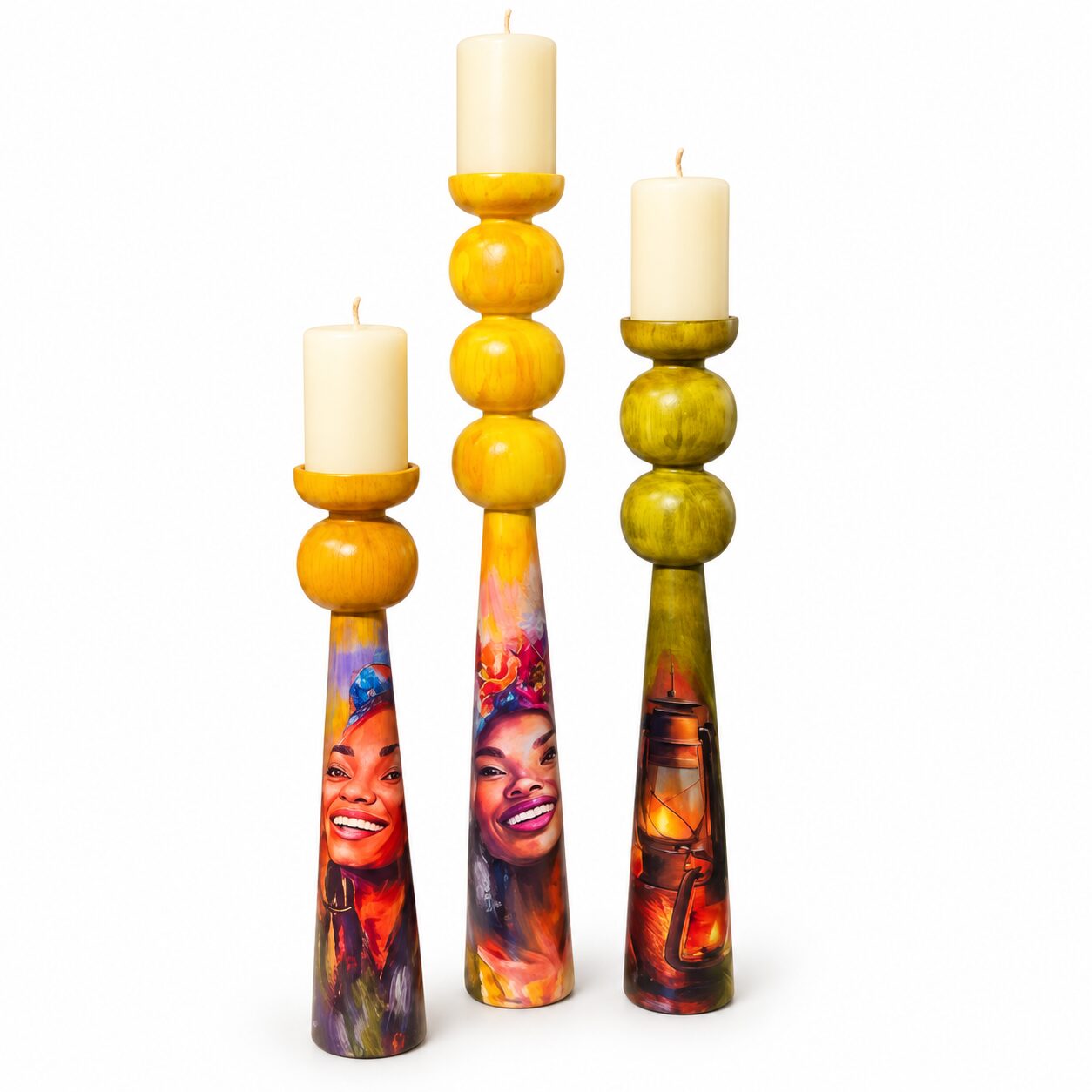
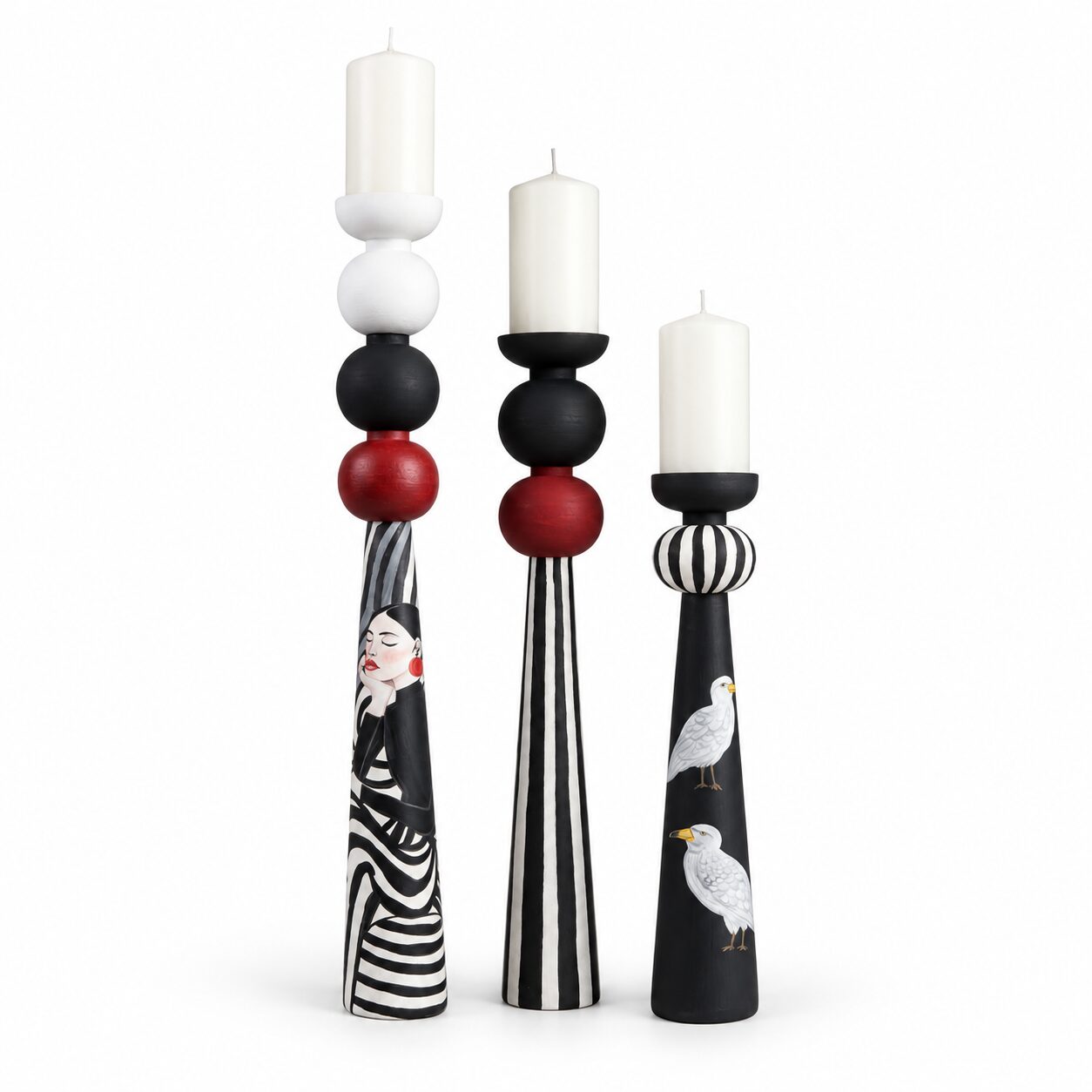
Vases look most striking in groups of three or five. Choose a shared element (the same colour family, the same material or the same finish) and vary the heights. Place the tallest at the back or to one side, and let the others step down. This simple trick works on a console, a sideboard or a wide windowsill.
Planters and Natural-Fibre Pot Covers
Even the most convincing artificial plant can be let down by a cheap plastic pot. Natural materials fix that immediately.
Halfa and jute
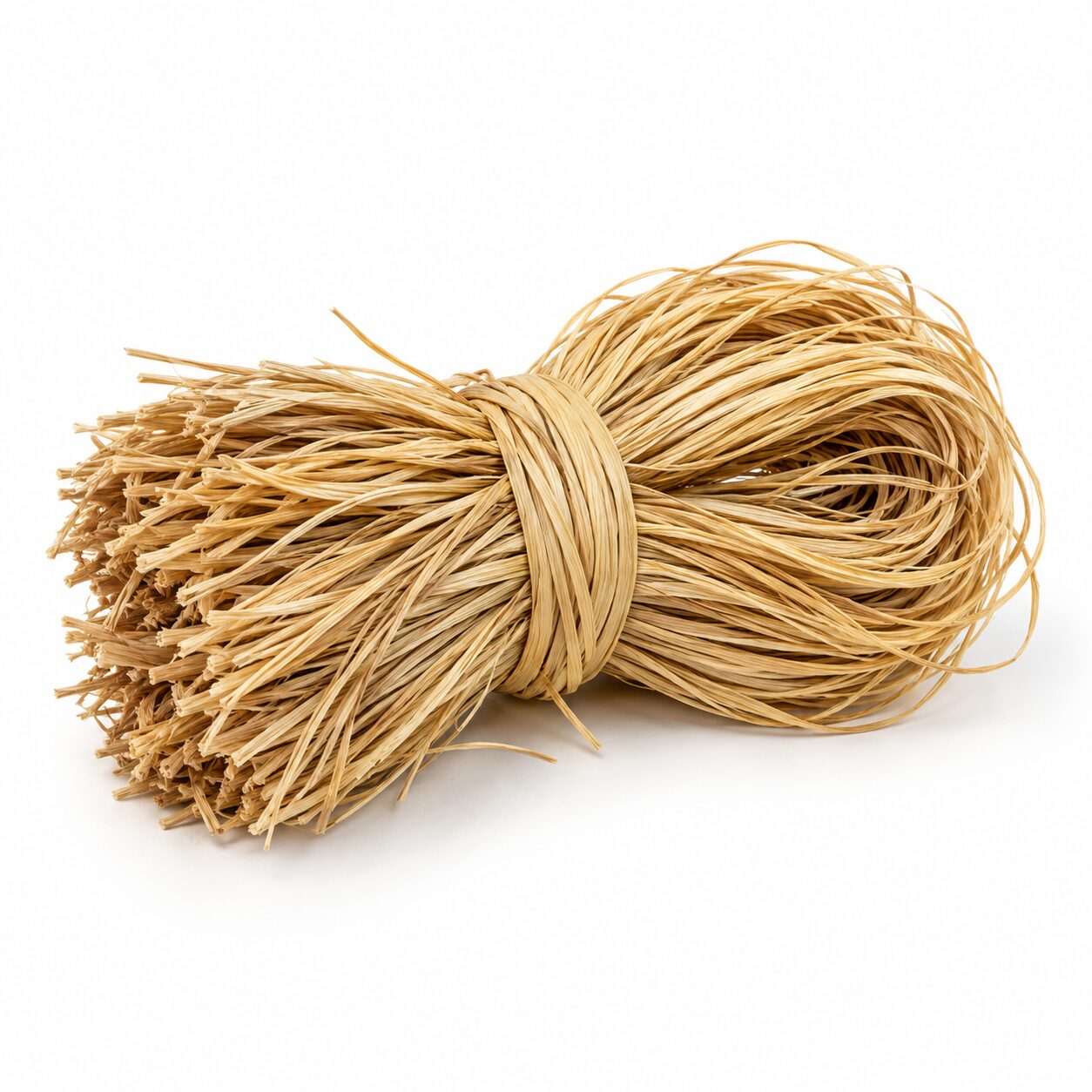
Halfa is one of Egypt’s traditional crafts, woven from wild grass by artisans for generations. A halfa planter has a warm golden tone and a gentle texture that makes greenery look more organic. The Handmade Halfa Vase works as a basket-style planter for a leafy stem or a small pot, indoors or on a shaded balcony.
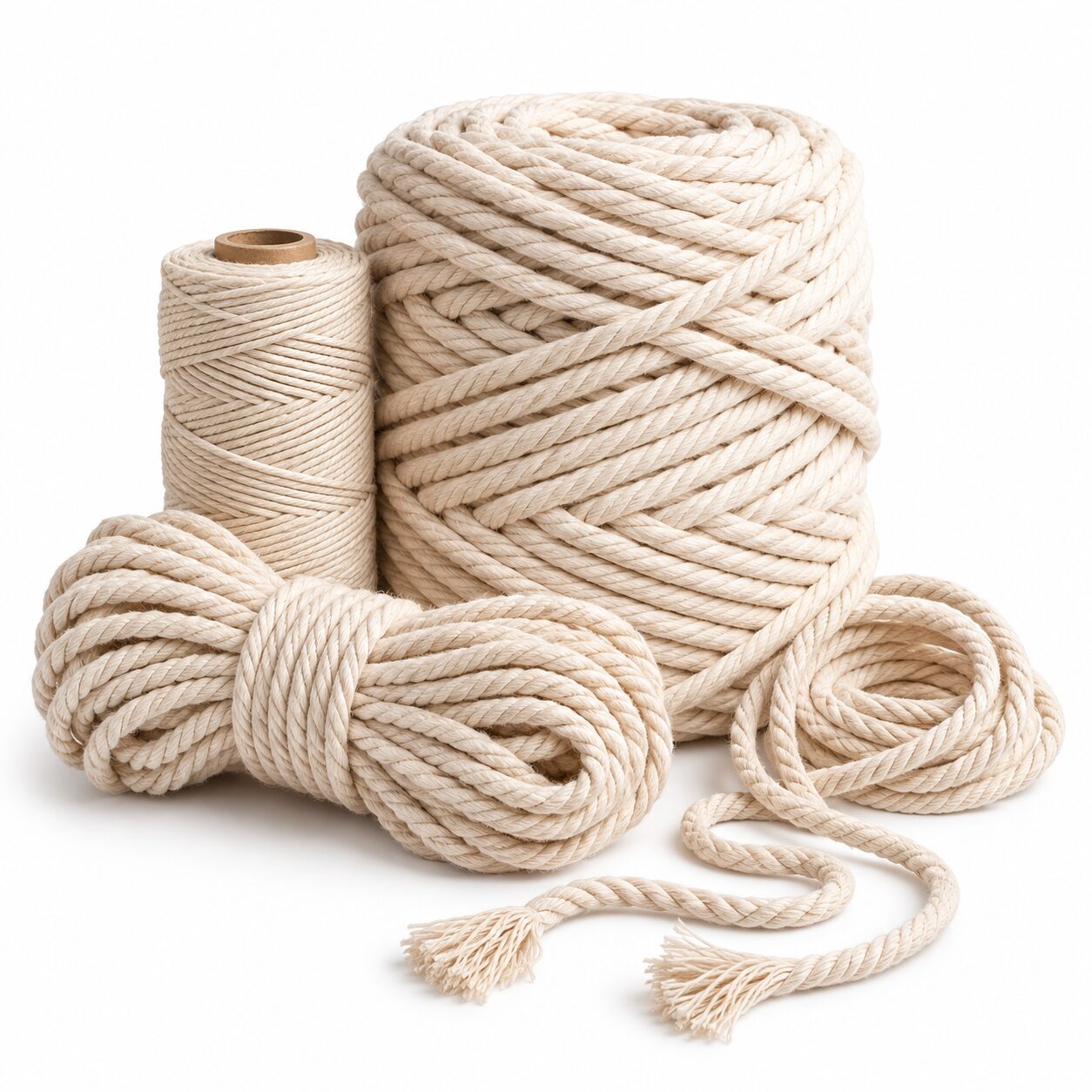
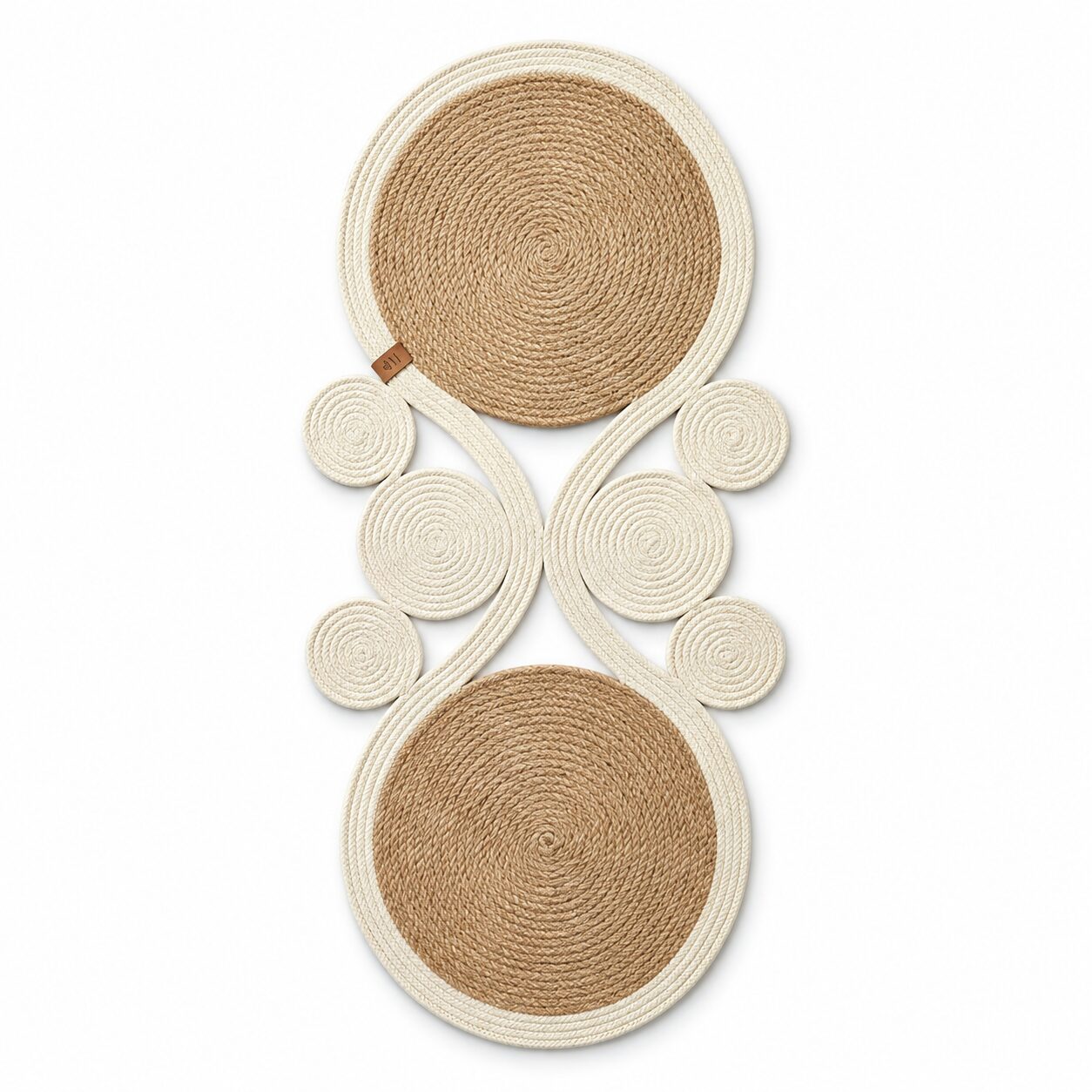
Jute and cotton rope planters bring a softer, boho feel. A cotton rope woven planter basket is ideal for slipping a plastic nursery pot inside, while a mini jute plant pot is sized for shelves, kitchen counters and bathroom ledges.
Stands and hanging planters
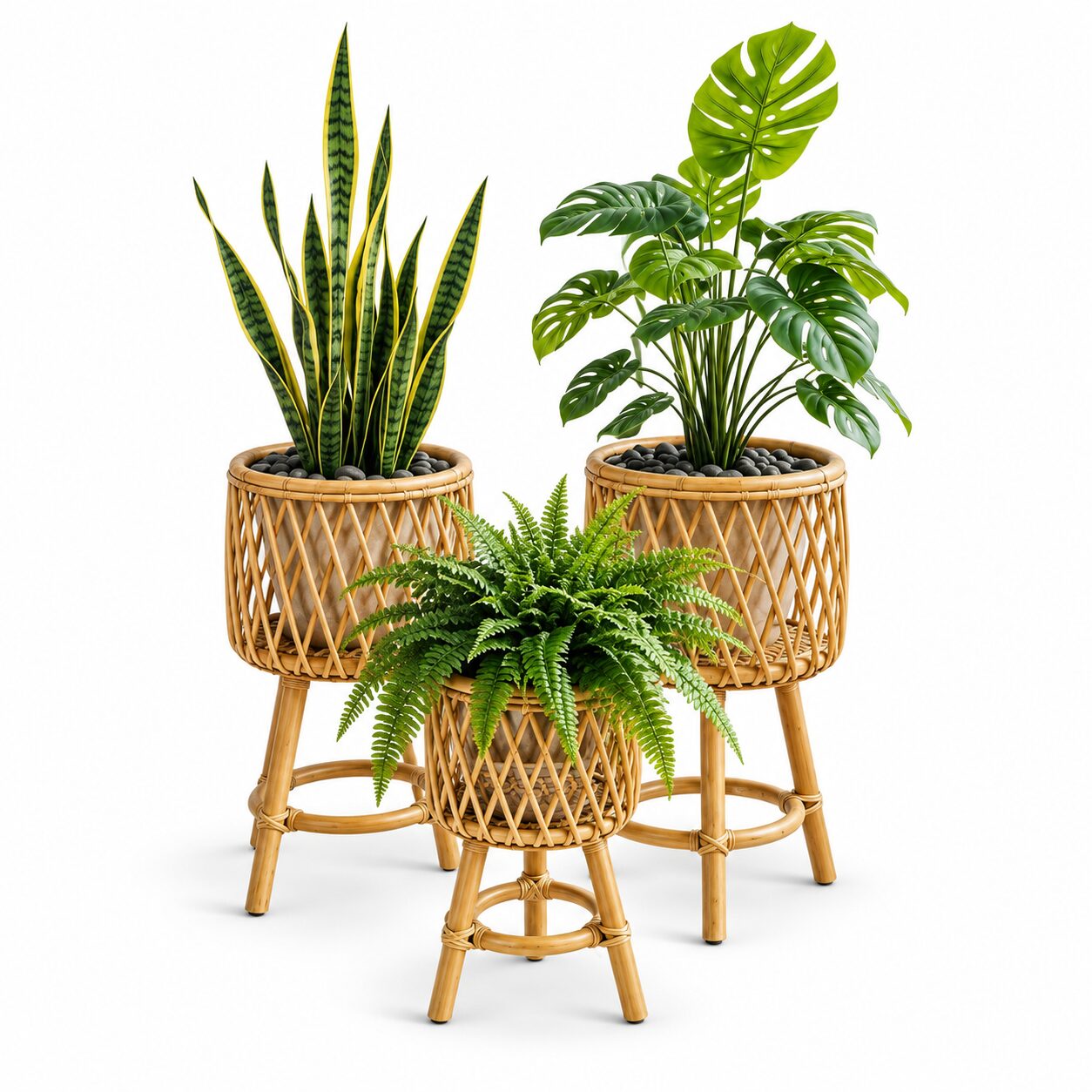
Lifting plants off the floor gives them presence and makes a small room feel less crowded. The Wooden Plant Holder with Halfa Pot combines tripod legs with a woven basket, a very popular pairing for living room corners. If your style leans modern, a mid-century wooden plant stand has cleaner square legs.
For walls and small balconies, hanging planters save precious floor space. A Macrame Rope Pot Holder turns a simple trailing plant into a soft wall feature.
Terracotta for impact
When you want a planter that is itself the statement, large handcrafted terracotta pots in olive green, blue or antique gold give a corner real weight. They suit entrance halls, villa reception rooms and covered terraces.
Room-by-Room Styling Ideas
Living room
Start with one anchor: a tree or a tall floor vase in a corner. Then add one mid-height piece on a side table and one low arrangement on the coffee table. Three levels of greenery feel balanced without taking over.
Entrance
The entrance is where guests form their first impression, especially during Eid visits. A pair of matching planters on either side of a console, or a single tall vase on it, makes a welcoming frame.
Dining room
Keep table arrangements low so people can see each other. A few olive branches laid flat along a runner, or a short vase with eucalyptus, is enough. Save tall pieces for the sideboard.
Bedroom
Bedrooms benefit from calm, soft greenery. A single stem on the dresser or a small potted plant on the bedside table is plenty. A pink magnolia arrangement in a glass vase adds a gentle touch of colour that suits a bedroom or dressing table.
Bathroom
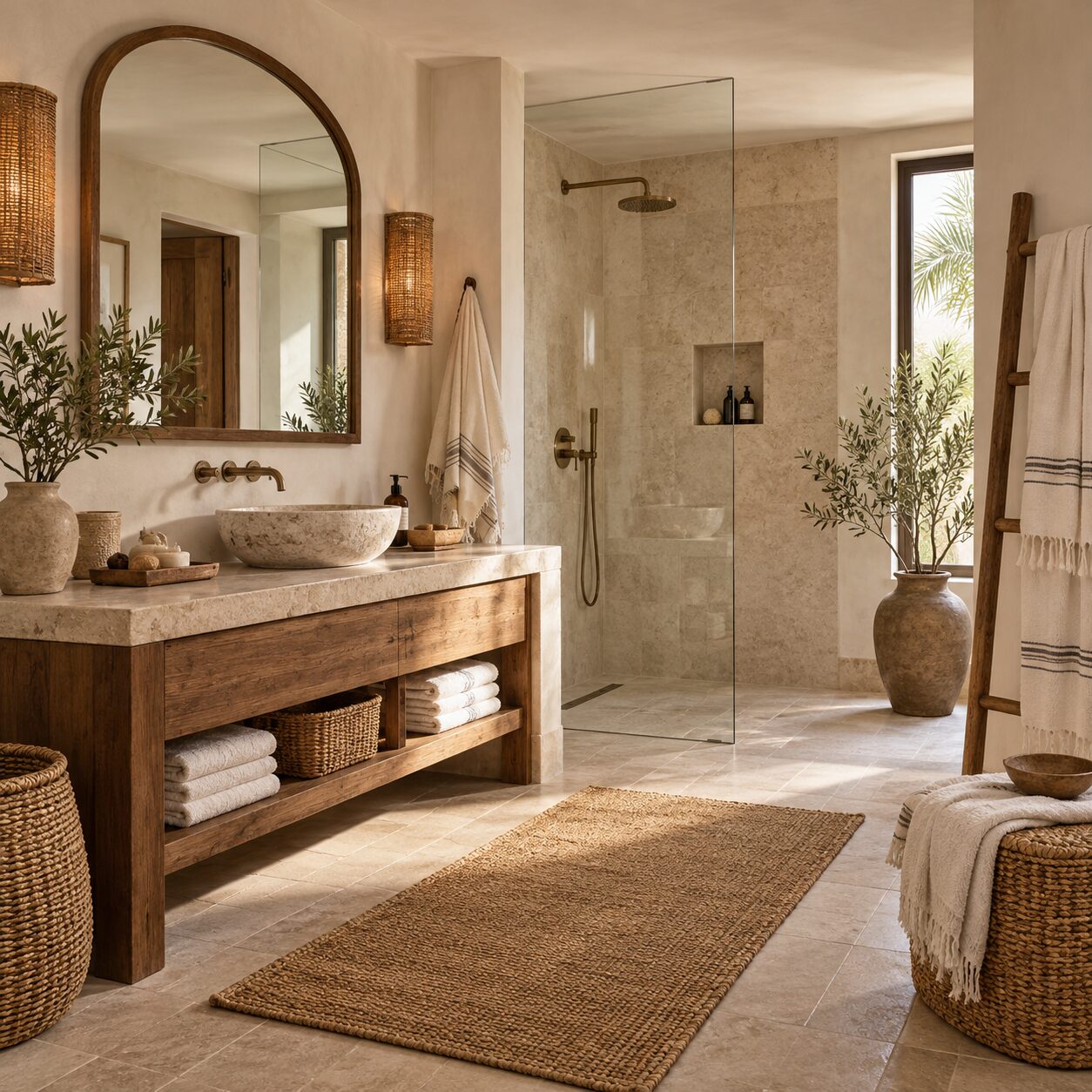
Humidity kills many real plants that are not suited to it, and windowless bathrooms get no light at all. An artificial plant in a jute pot on the counter or a trailing stem on a shelf makes the room feel like a small spa.
Balcony
For covered balconies, mix halfa baskets, terracotta and a plant stand. Keep artificial pieces out of harsh direct sun, which can fade colours over time.
Common Mistakes to Avoid
- Too many small plants. A dozen tiny pots scattered around looks busy. Choose fewer, larger pieces.
- Everything at the same height. Vary levels with stands, stools and stacked books.
- Ignoring scale. A small stem in a huge floor vase looks lost, and a tall tree on a narrow side table looks unstable.
- Mixing too many pot styles. Stick to two or three materials per room, such as halfa, pottery and wood.
- Forgetting the base. Visible plastic foam or bare pot rims ruin the illusion. Cover them.
- Placing faux plants in full sun. Strong Egyptian sunlight can fade artificial leaves. Choose shaded spots or rotate pieces.
- Never cleaning them. Dusty leaves are the quickest way to make a plant look fake.
Quick Checklist
Before you shop, run through these questions:
- Which corner or surface feels empty right now?
- How much natural light does that spot get?
- Do you need height (a tree or tall stem) or softness (a trailing or bushy plant)?
- What materials already live in the room: wood, halfa, rattan, marble?
- Do you have a vase or planter that suits the scale, or do you need one?
- Can you create a group of three with different heights?
- Will the arrangement block a view, a walkway or a conversation?
Bringing It All Together
Bringing nature indoors is less about owning a jungle and more about placing a few green moments where they make the biggest difference. One tree in a corner, a pitcher vase with eucalyptus on the dining table and a woven planter in the bathroom can change how your whole home feels. Pair greenery with handmade pottery and natural fibres, and every piece supports the others.
Start with the spot that bothers you most, choose one anchor piece, and build around it slowly. When it feels right, you will know, and so will everyone who walks through your door.
Explore the full collection of artificial plants, vases and planters at coccarohome.com and find the green corner your home has been missing, delivered anywhere in Egypt.
Shop the Look