In Egyptian homes, the dining table is never just furniture. It is where Friday lunch stretches into the afternoon, where the whole family gathers at sunset during Ramadan, where Eid breakfast becomes a celebration, and where homework, tea and long conversations happen in between. It deserves more than a bare surface and a plastic tablecloth.
Setting a beautiful table is not about owning a formal dinner service or spending hours arranging flowers. It is about a few well-chosen layers: a runner or placemats, something to protect the surface, and a centrepiece that brings the table together. Once you have those basics, you can set a table in minutes that feels warm, thoughtful and ready for guests.
This guide covers how to choose each layer, how to combine them, and how to style your table for everyday meals and special occasions.
Start With the Table Itself
Before choosing accessories, look at what you are working with.
- Wood tables have natural warmth. Runners and placemats can be lighter or add contrast.
- Glass tables show everything underneath and need layers that add texture and soften reflections.
- Painted or lacquered tables benefit from protection against heat and scratches.
- Marble or stone-effect tops look elegant with natural fibres, which soften their coolness.
Also think about shape. Rectangular tables suit long runners. Round and square tables often look better with a round mat or a short centre runner, combined with individual placemats.
Measure the length and width of your table before you shop. It is the single most useful thing you can do.
Table Runners: The Backbone of the Table
A runner is a long, narrow textile that runs down the centre of the table. It adds colour and texture, protects the surface under serving dishes, and creates a natural home for a centrepiece.
Getting the Length Right
There are two common approaches:
- Overhanging runner: the runner hangs about 15 to 20 centimetres over each end of the table. This looks relaxed and generous.
- Contained runner: the runner stops short of the table edges. This looks tidy and modern, and it is practical for families with small children who might pull on a hanging edge.
As for width, a runner should be roughly one third of the table’s width. Too narrow looks lost; too wide starts to feel like a tablecloth.
Choosing a Style
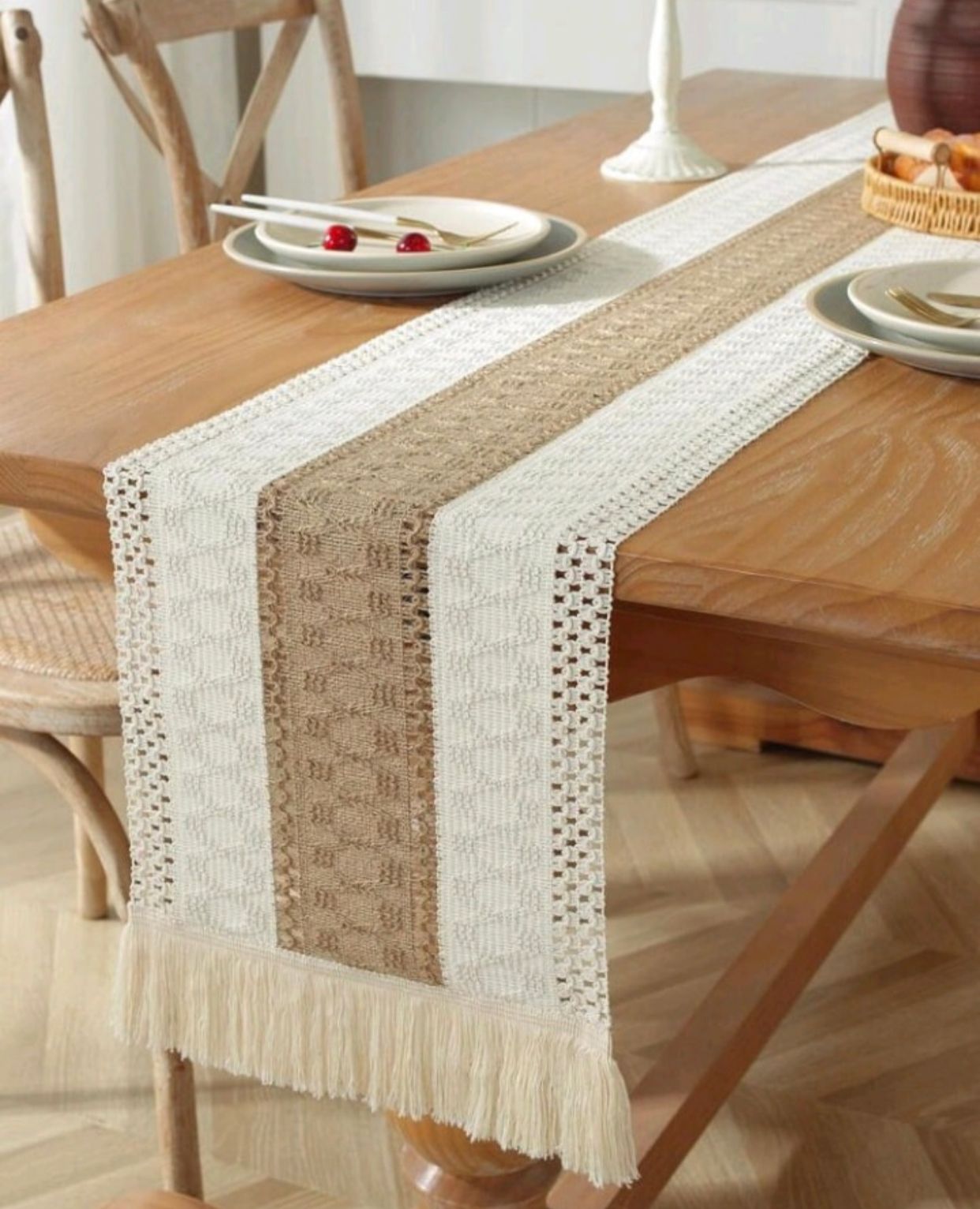
- Macrame runners bring delicate, handmade texture. The Tassel Macrame Hollow-Out Table Runner is the most loved piece in our dining collection, with tassel ends that finish a table beautifully.
- Kilim runners add pattern and a traditional handwoven feel. A Kilim Table Runner suits tables for four to six people and pairs well with plain placemats.
- Linen and embroidered runners feel soft and elegant, ideal for calm, neutral dining rooms. The Embroidered Linen Table Runner with its white leaf embroidery is a quiet, refined choice.
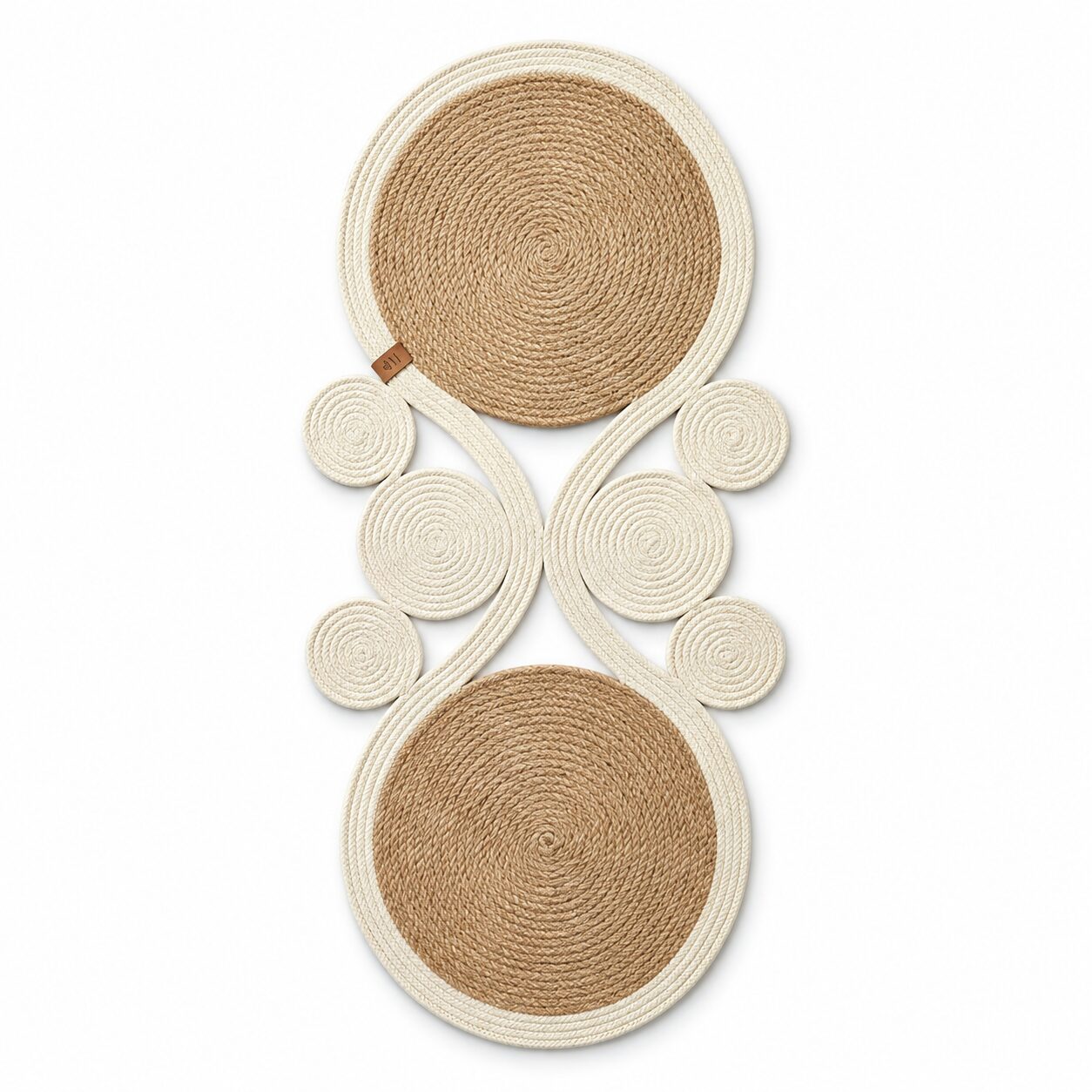
- Jute and rope runners give a sturdy, natural texture that works with rustic and modern tables alike.
- Colourful tassel runners introduce a pop of colour. A green tassel runner works on a dining table, a coffee table or a sideboard.
Runners on Round Tables
A long runner can look awkward on a round table. Try a round braided cotton mat in the centre instead, which gives the centrepiece a defined base without fighting the table’s shape.
Placemats: Structure for Every Seat
Placemats define each person’s space and protect the table from plates, cutlery and spills. They are especially useful on tables that are used for everything from breakfast to homework.
Choosing Placemats
- Size: a standard placemat should fit a dinner plate, cutlery on both sides and a glass, without hanging off the table edge.
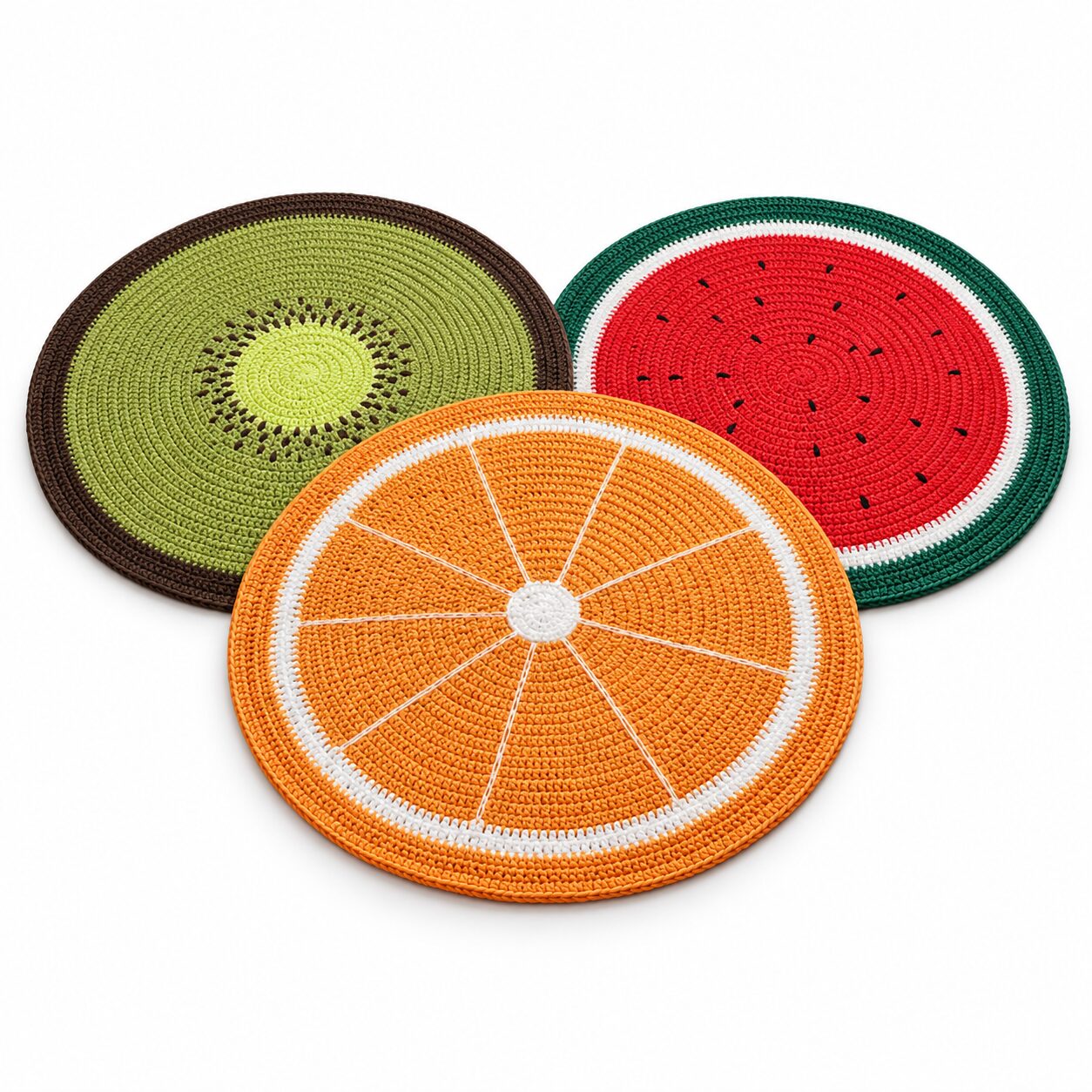
- Shape: round placemats soften rectangular tables; rectangular placemats suit most tables and give a classic look.
- Material: woven cotton rope and jute are durable, add texture and hide small marks well.
The Artisan Rope Placemat with Leather Accent is one of our most popular dining pieces. Its neutral tone works with almost any plate, and the braided leather detail adds a refined finish. For a fully natural look, the Handwoven Natural Jute Table Mat brings warm, earthy texture to every seat.
Runner and Placemats Together
Can you use both? Absolutely, and it often looks best. Place the runner down the centre and the placemats at each seat, either touching the runner’s edge or sitting just beside it. Choose one to be the “hero” with pattern or colour, and keep the other simple. For example, a patterned kilim runner with plain woven placemats, or a neutral macrame runner with textured jute mats.
Coasters: The Detail That Protects
Coasters are small but important. They protect wooden and painted surfaces from rings left by cold drinks, which are unavoidable in an Egyptian summer when every glass sweats.
Keep a set on the dining table and another on the coffee table. The Premium Cotton Rope Coasters Set is practical and good-looking, and for a more decorative touch, a set of wooden mandala coasters adds pattern to the table even when the drinks are gone.
Trays: The Centrepiece Solution
A tray is one of the most useful objects on a dining table. It gathers small items into one neat group, makes clearing the table faster, and gives a centrepiece structure.
What to Put on a Centre Tray
- A small vase with fresh or artificial flowers
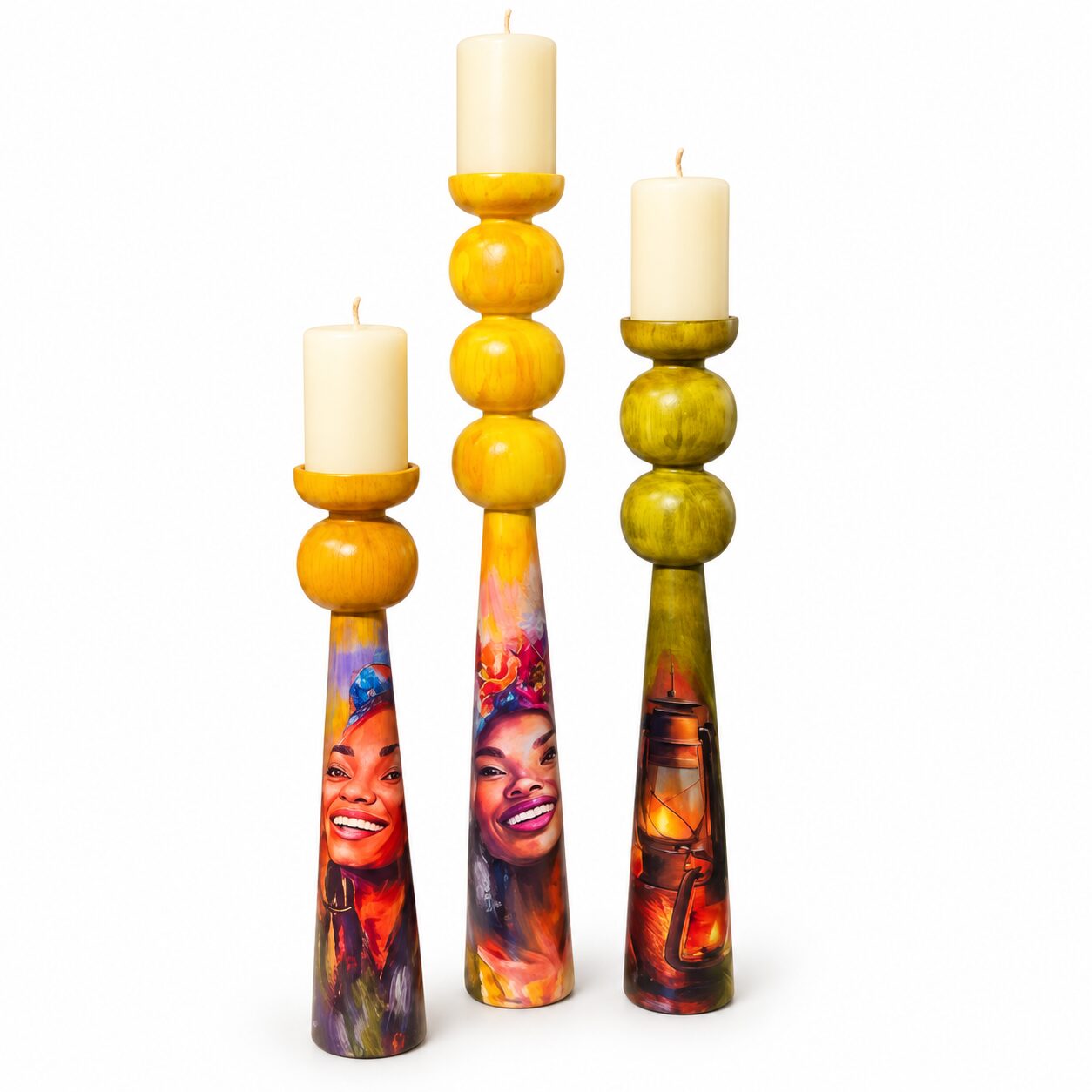
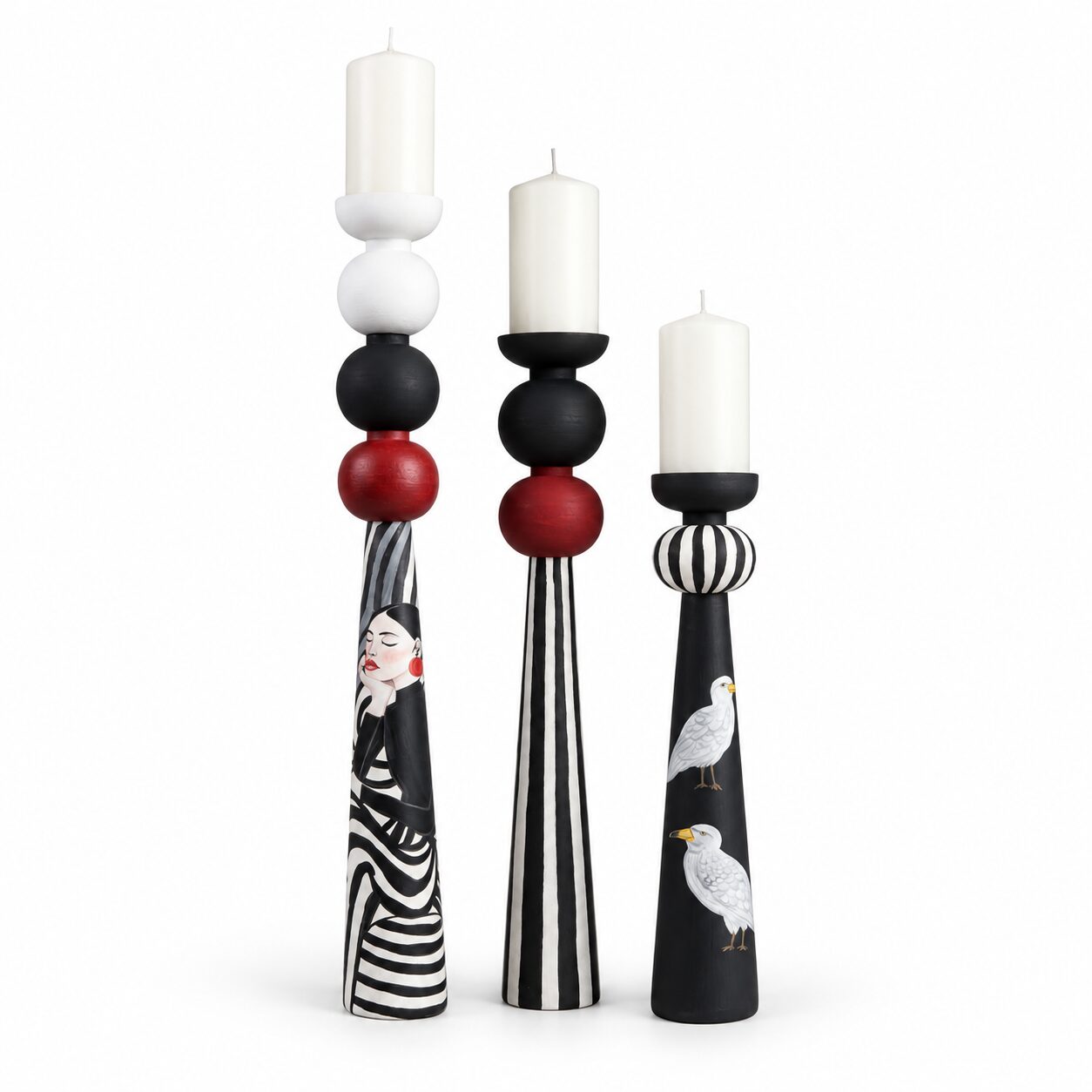
- Candles in holders of different heights
- Salt, pepper and olive oil
- A small bowl of dates, especially during Ramadan
- Napkins or a cutlery caddy for buffet-style meals
A round woven halfa tray suits round tables and informal settings, while a wooden tray such as the Acacia Wood Serving Tray works on rectangular tables and doubles as a serving piece when guests arrive.
Keep It Low
A centrepiece should never block conversation. Keep arrangements below eye level for seated guests, roughly under 30 centimetres, or use tall but slim pieces that people can see around.
Styling for Every Occasion
The same table can look completely different depending on the day. These three approaches cover most of the year in an Egyptian home.
Everyday Meals
Everyday tables should be practical and quick to set.
- Leave the runner on the table permanently.
- Keep a small tray with salt, pepper, napkins and a plant or artificial stem in the centre.
- Store placemats nearby so they can be laid out in seconds.
- Use a covered basket or dome for bread to keep it fresh between servings. A handwoven food cover is ideal for this.
The goal is a table that looks finished even when nobody is eating.
Ramadan Iftar
Iftar is the most important meal of the day during Ramadan, and the table often hosts extended family and friends.
- Clear the centre. Remove the everyday tray to make room for serving dishes.
- Use a runner as a guide. Serving dishes sit along the runner, protecting the table from heat.
- Add placemats for each guest, even if you normally skip them.
- Set dates and water first. A small tray or woven bowls near each end of the table make breaking the fast easy.
- Bring in festive touches. Lanterns, gold accents and crescent motifs make the table feel special.
- Organise cutlery. A decorative caddy such as the Wooden Cutlery Caddy with Decorative Tiles lets guests help themselves, which is invaluable at a busy table.
For large gatherings, consider a buffet on a sideboard with the main table reserved for plates and drinks. It reduces crowding and makes serving smoother.
Eid and Special Occasions
Eid breakfast, birthdays and family celebrations call for a little more.
- Layer textures: a macrame runner over a plain tablecloth, with woven placemats on top.
- Add height: candles and a slim vase in the centre.
- Mix natural and shiny: a woven runner with glass or ceramic serveware creates contrast.
- Personalise: a small sprig of greenery or a folded napkin at each place makes guests feel welcomed.
- Use snack bowls: a set of small woven bowls, ideally a woven jute set with a matching tray, is perfect for nuts, sweets and kahk.
Caring for Your Table Linens and Woven Pieces
- Shake out crumbs after every meal.
- Blot spills immediately with a damp cloth.
- Follow washing guidance for cotton and linen pieces; natural fibres like jute and halfa should be spot cleaned rather than soaked.
- Dry woven items fully in the shade before storing.
- Store flat or rolled, never tightly folded, to avoid permanent creases.
- Rotate runners so one side does not fade faster than the other near a sunny window.
Common Mistakes to Avoid
- A runner that is too short or too narrow for the table.
- Centrepieces that block eye contact across the table.
- Too many patterns on runner, placemats and napkins at once.
- No heat protection under hot dishes, which can mark wooden tables.
- Overcrowding the table so there is no room for serving dishes.
- Soaking natural fibres, which can weaken jute and halfa.
Quick Checklist
- Measure your table before buying a runner
- One third of the table width for the runner
- Placemats large enough for plate, cutlery and glass
- Coasters for every cold drink
- A tray to hold the centrepiece together
- Centrepiece kept below eye level
- One hero pattern, the rest calm
- A plan for Ramadan and Eid serving
A Table Worth Gathering Around
A well-set table tells your family and guests that the meal matters and that they do too. You do not need a formal dining room or expensive tableware. A good runner, practical placemats, a set of coasters and a beautiful tray are enough to transform everyday meals and make every gathering feel special.
Explore runners, placemats, coasters and trays at coccarohome.com and set a table your family will love gathering around.
Shop the Look