Somewhere between the end of Friday prayer and the first plate of mahshi, the house fills up. Grandparents arrive first, cousins later, someone always brings a tray of basbousa, and the children have disappeared into a bedroom within five minutes. The Friday family lunch is one of the great institutions of Egyptian life, and if your home is the one where everyone gathers, you know it is both a joy and a serious logistical exercise.
The food is usually the easy part; most hosts have cooked these dishes for years. The harder part is everything around it: fitting fourteen people at a table meant for eight, finding space for six main dishes, keeping the rice warm while everyone sits down, and not spending three hours washing up afterwards. This guide is about that side of hosting: a practical plan for the table, the serving and the clean-up, so that the host gets to enjoy the afternoon too.
The Day Before: Thursday Evening Preparation
The secret of a calm Friday is a busy Thursday evening. Anything that does not need to be cooked fresh should be done the night before.
Prepare the Food You Can
- Stuffing and vegetables: prepare mahshi filling, core the vegetables and keep them covered in the fridge.
- Salads and dips: tahini, baba ghanoush and pickled vegetables all taste better after a night in the fridge.
- Desserts: most cakes, basbousa and rice pudding are fine made a day ahead.
- Chopping: onions, garlic, herbs and salad vegetables can be prepared and boxed.
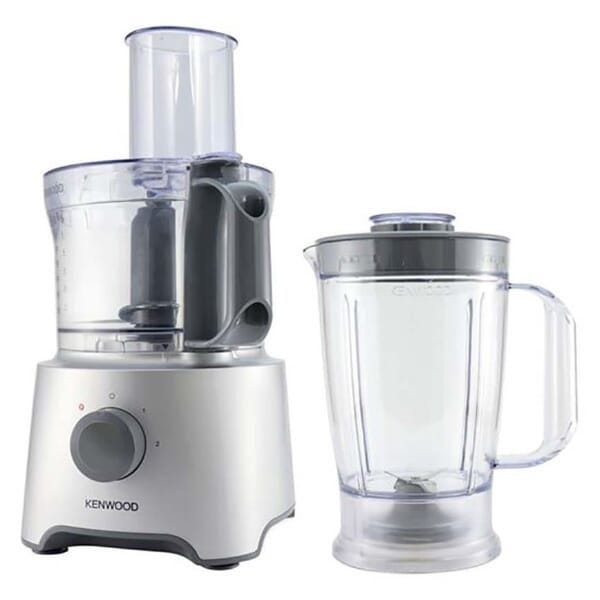
A good food processor turns an hour of chopping into ten minutes. The Kenwood MultiPro Compact Food Processor, with a 2.1 litre bowl and a 1.2 litre blender, handles onions, herbs and tahini sauce for a large family in batches.
Prepare the Table
Set out the table linen, count chairs, wash any serving dishes that have been sitting in the cupboard and check you have enough glasses. Knowing this on Thursday means no frantic borrowing from the neighbours at noon on Friday.
Planning Seating for a Big Family
Extend What You Have
Most families need more seats than the dining table offers. Options include:
- Extend the table, if it has leaves.
- Add a second table at the end, such as a folding table or a sturdy desk, covered with a matching cloth or runner so the two read as one long table.
- A separate children’s table in the living room, which children usually prefer anyway.
Who Sits Where
Seat older family members first, in the most comfortable chairs and closest to the bathroom and the exit. Place the host at the end nearest the kitchen. Put people who talk the most in the middle, where they can reach both ends of the conversation.
Dressing a Long Family Table
The table should feel festive but practical. Large family lunches mean heavy dishes, lots of reaching and inevitable spills.
A Runner That Joins Everything Together
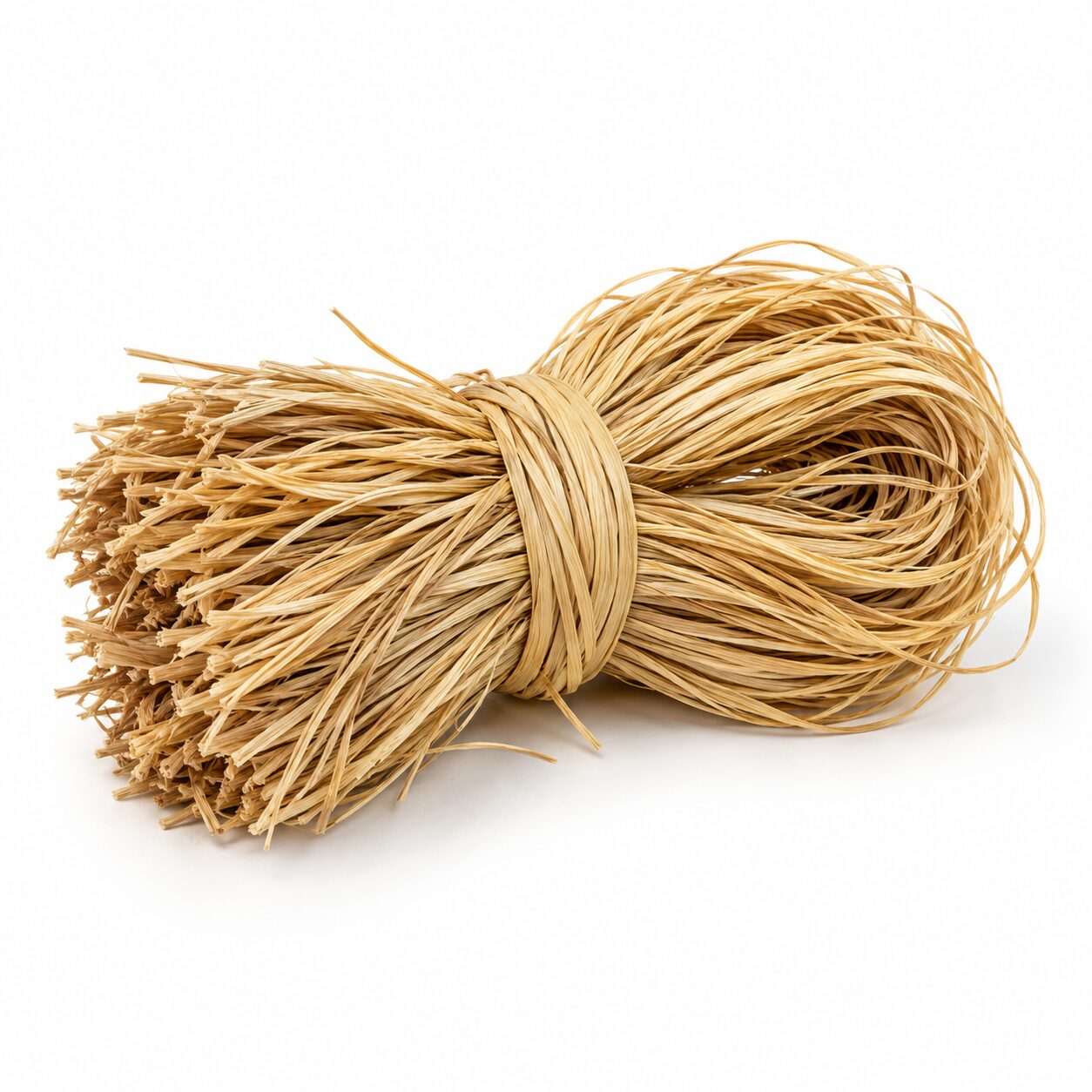
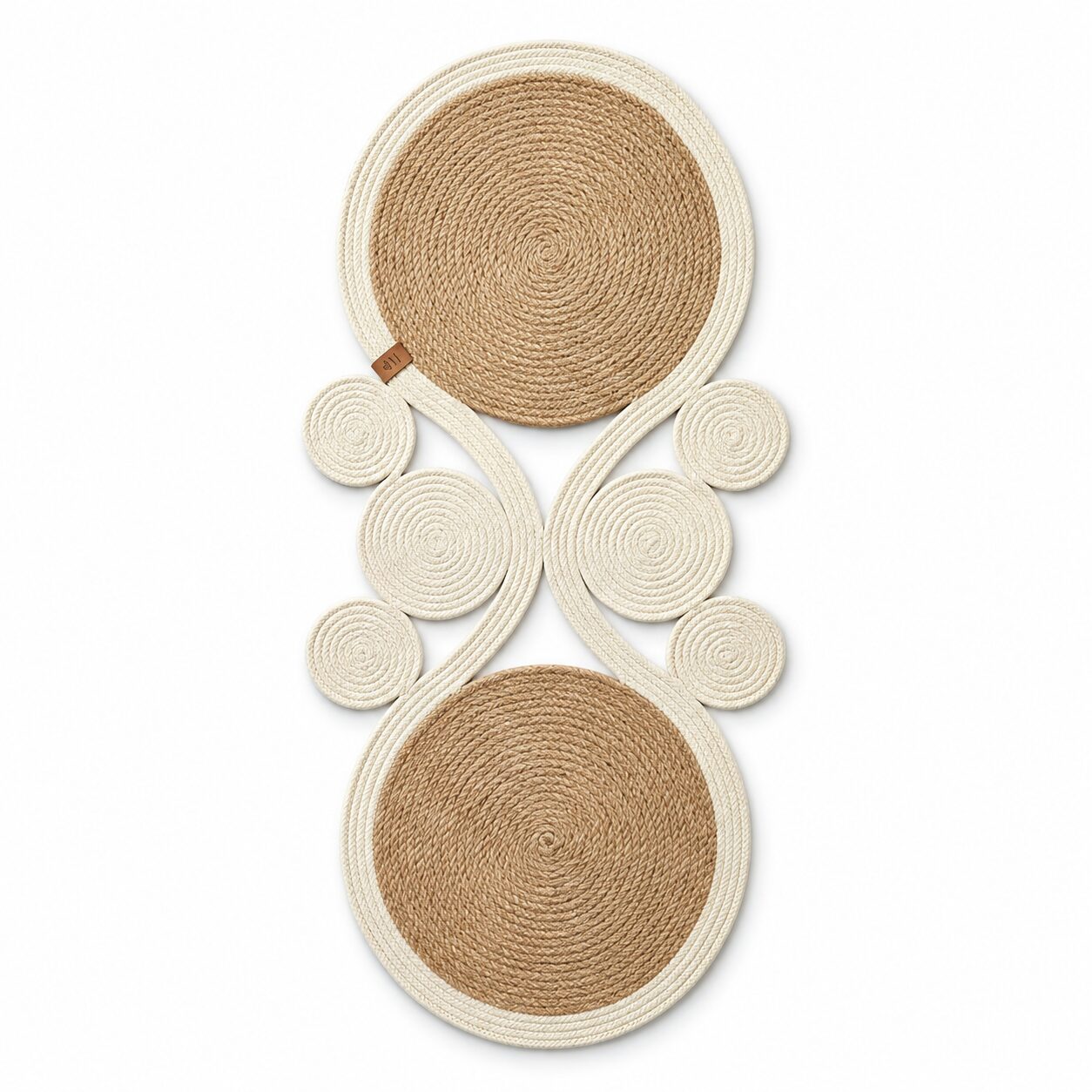
When two tables are pushed together, a long runner hides the join and makes the whole surface look intentional. Choose a flat, washable weave that sits well under heavy dishes. The Cotton and Linen Table Runner is a practical, easy-care choice that protects the table from dust and drips and looks neat along a long surface. For a more traditional, handcrafted feel, the Halfa Table Runner brings Egyptian woven grass to the centre of the table.
Protect the Surface
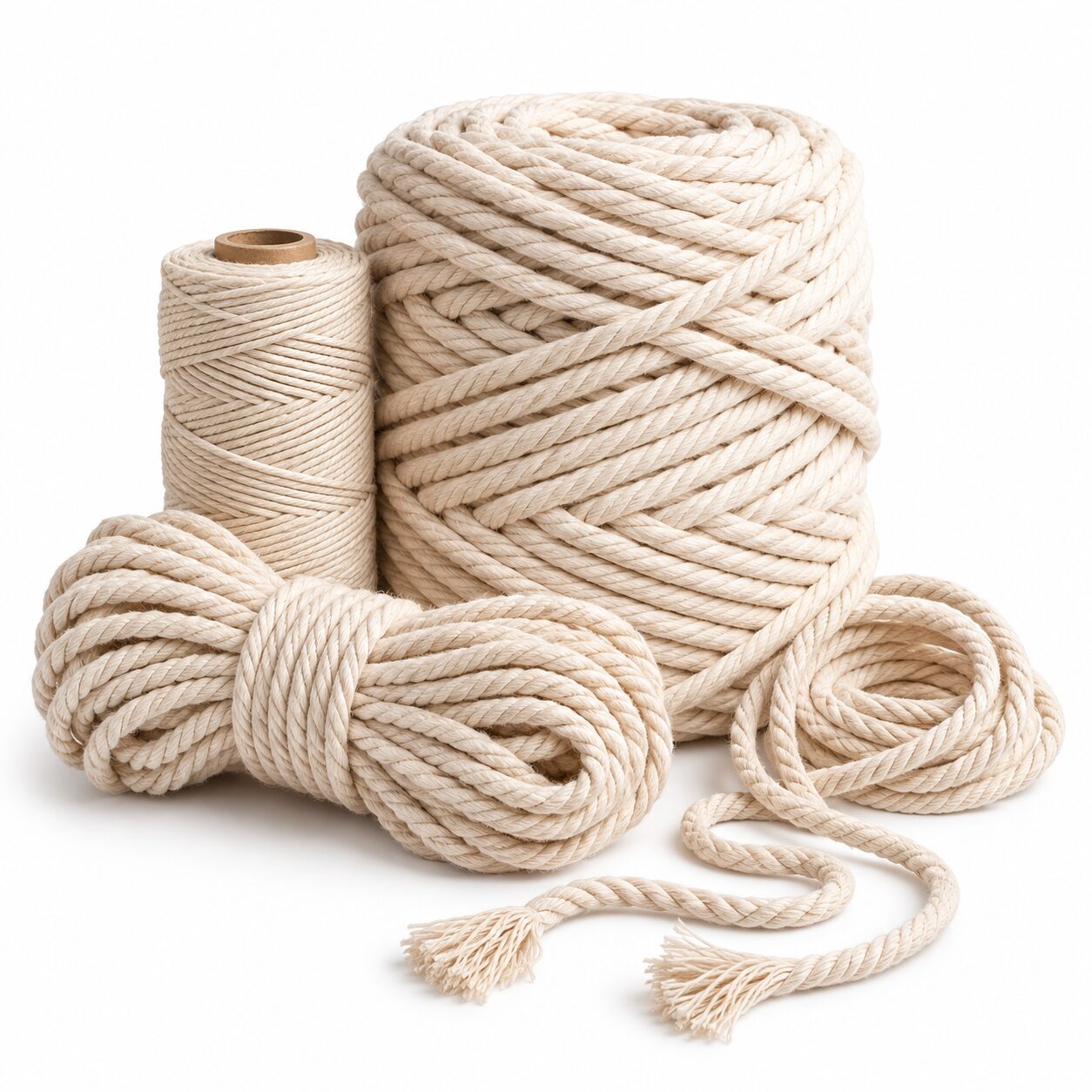
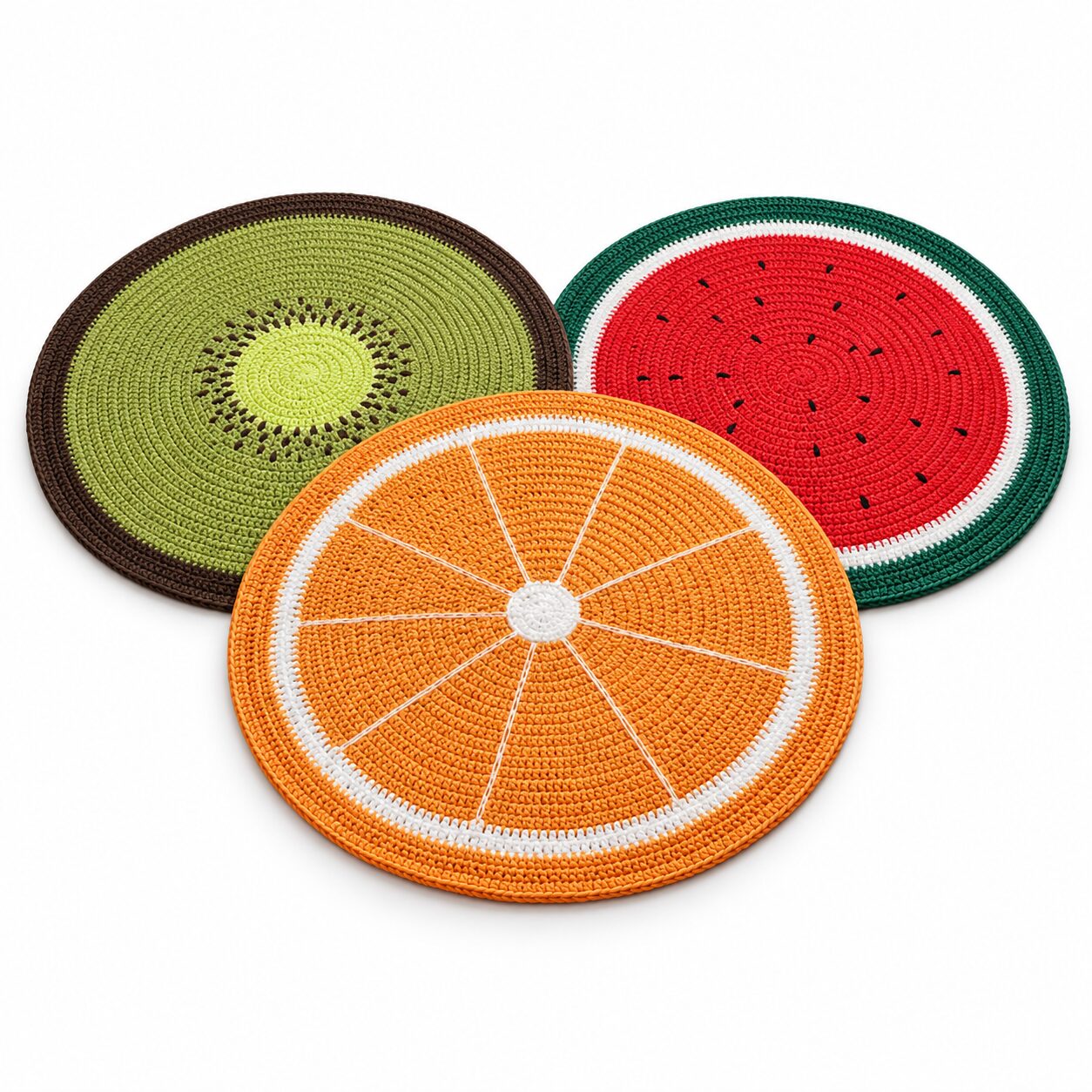
Hot dishes straight from the oven need protection. Use trivets, thick woven mats or wooden boards under trays of rice, roast chicken and casseroles. Coasters at each seat stop juice glasses from marking the wood. The Jute Cotton Rope Coaster is inexpensive enough to buy in quantity for large gatherings.
Keep Decoration Low and Minimal
At a family lunch, the food is the decoration. Skip tall centrepieces. A single low jug of flowers or greenery at each end of the table is enough. The Rustic Beige Pottery Pitcher Vase holds a loose bunch of seasonal flowers and suits a homely family table.
Serving Family-Style Without Chaos
Egyptian family lunches are almost always served family-style: big dishes in the middle, everyone helping themselves. A few tactics keep this smooth.
Repeat the Key Dishes
On a long table, put two of each main dish, one at each end. Two plates of rice, two of mahshi, two salads. Nobody has to ask for anything to be passed from the far end, and the food stays hot because it is eaten faster.
Use Large Trays as Serving Platforms
A large tray in the middle of the table can carry several smaller dishes: bread, pickles, salads and dips, all moved together. The Oval Serving Tray with Mythical Bird Motifs, measuring 55 by 35 cm, is big enough to carry a whole collection of sides from the kitchen in one trip and looks handsome on the table.
Give Cutlery a Home
With so many hands reaching, spare spoons and serving utensils end up on the tablecloth. A cutlery caddy at each end keeps them clean and upright. The Handcrafted Wooden Cutlery Caddy with Decorative Tiles keeps serving spoons, forks and knives organised and adds a touch of colour.
Bread and Sweets Under Cover
Bread sits on the table for the whole meal, and desserts often wait on a side table for an hour. A woven cover keeps them fresh. The Handwoven Jute Food Cover is a useful, good-looking piece for exactly this.
Keeping Food Warm
Timing is the biggest challenge of a large lunch. Guests rarely sit down at once, and dishes are ready at different times.
- Cook in order of how well dishes hold. Stews, molokhia and mahshi stay good in a covered pot. Fried foods and grilled meat should be last.
- Use a low oven. Keep finished dishes in the oven at a very low temperature, covered with foil.
- Warm the serving dishes. A plate rinsed with hot water keeps food warm longer.
- Serve rice last. It cools fastest and is easiest to reheat.
The Children’s Table
A separate children’s table keeps both generations happy. Make it easy:
- Use unbreakable or sturdy plates and cups.
- Serve simpler versions of the main dishes, plus bread and cut vegetables.
- Put a washable cloth or wipeable mats underneath.
- Choose a supervising teenager or older cousin to sit with them.
Keep a Jute Rectangular Tissue Box on each table; children and tissues are inseparable at mealtimes.
After the Meal: Tea and Clean-Up
The Tea Round
After lunch, the family moves to the living room. Have tea glasses, sugar and a tray ready before the meal starts, so tea can follow straight away. Fruit, dessert and tea make the afternoon stretch comfortably into the evening.
A Smart Clean-Up
- Clear in waves. Remove main dishes first, then plates, then glasses.
- Use trays. Carry ten things at once instead of two.
- Soak as you go. Fill the sink with hot soapy water before the meal ends.
- Accept help. In Egyptian families, someone always offers. Assign clearing to the cousins.
- Pack leftovers immediately. Guests often appreciate a container to take home.
Making the Host’s Life Easier
Hosting every week can become tiring if the host carries everything alone. A few habits share the load without losing the warmth.
- Ask for one dish from each household. Most relatives are happy to bring a salad, a dessert or a tray of sambousek, and it lightens the cooking considerably.
- Keep a hosting kit. Store spare serving spoons, coasters, extra glasses and a tablecloth together, so preparation never begins with a search.
- Plan a rotating menu. A set of four or five reliable menus, rotated through the month, removes the weekly question of what to cook.
- Set the table early. Lay the runner, mats and cutlery on Friday morning before you start cooking, so the table is ready even if the food runs late.
- Give children a job. Laying napkins, filling water jugs and carrying bread are tasks they enjoy and take pride in.
A family lunch should feel generous, not exhausting. Small systems like these mean you can host week after week and still look forward to it.
Common Mistakes to Avoid
- Cooking everything on Friday morning. Prepare as much as possible on Thursday.
- One of each dish on a long table. Duplicate the main dishes at each end.
- Tall centrepieces. They block conversation and take space from the food.
- No surface protection. Hot trays mark wood permanently. Use mats and trivets.
- Running out of glasses or chairs. Count on Thursday, not at noon on Friday.
- The host never sitting down. Plan the menu so that the last half hour before serving is calm.
Quick Checklist
- Prepare stuffings, salads, dips and dessert on Thursday evening
- Count chairs, glasses, plates and serving spoons
- Extend the table and join with a long runner
- Mats, trivets and coasters to protect the surface
- Duplicate main dishes at each end of the table
- Large trays for carrying and serving sides
- Cutlery caddies and food covers on the table
- A separate children’s table with sturdy dishes
- Tea tray ready before lunch begins
Where Families Come Together
The Friday family lunch is more than a meal. It is where news is shared, children grow up with their cousins and grandparents see the whole family around one table. A little planning turns hosting it from a marathon into a pleasure, and leaves you with energy to enjoy the conversation, the second cup of tea and the long, lazy afternoon that follows.
Find runners, serving trays, cutlery caddies and food covers for big family tables at coccarohome.com, and make your home the place everyone loves to gather.
Shop the Look