Pick up a handwoven halfa basket and turn it slowly in your hands. You will notice that no two coils are exactly the same width, that the colour shifts gently from gold to pale straw, and that the whole piece carries the rhythm of someone’s hands working for hours. That small irregularity is not a flaw. It is the reason the basket feels alive in a way that a factory-made plastic box never will.
Egypt has one of the longest craft histories in the world. Weaving, pottery, woodwork and inlay were practised along the Nile thousands of years ago, and many of these skills are still passed from one generation to the next in villages and workshops across the country. Bringing handmade decor into your home is a way of living with that heritage every day. This article explores why artisan pieces matter, what makes them special, and how to style them in a modern Egyptian home.
A Living Craft Heritage
Egyptian craft traditions are not museum pieces. They are part of daily life, adapted over centuries to new homes and new tastes.
Weaving with natural fibres
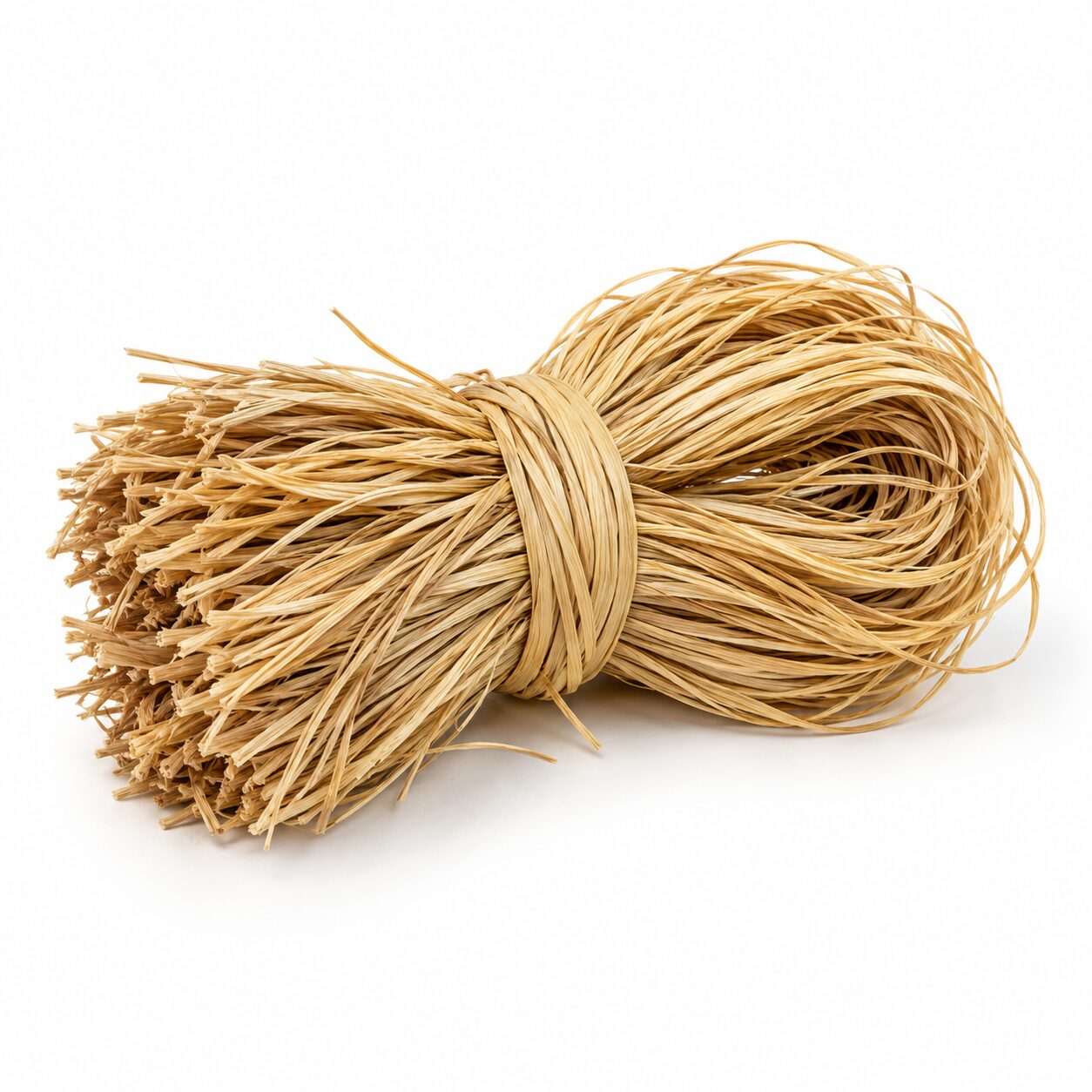
Along the Nile and in the oases, plant fibres have long been woven into mats, baskets and trays. Halfa grass, palm fronds and other natural materials are coiled, braided and stitched into objects that are both useful and beautiful. Today the same techniques produce storage baskets, poufs, rugs and vases that fit perfectly into contemporary interiors.
Pottery and ceramics
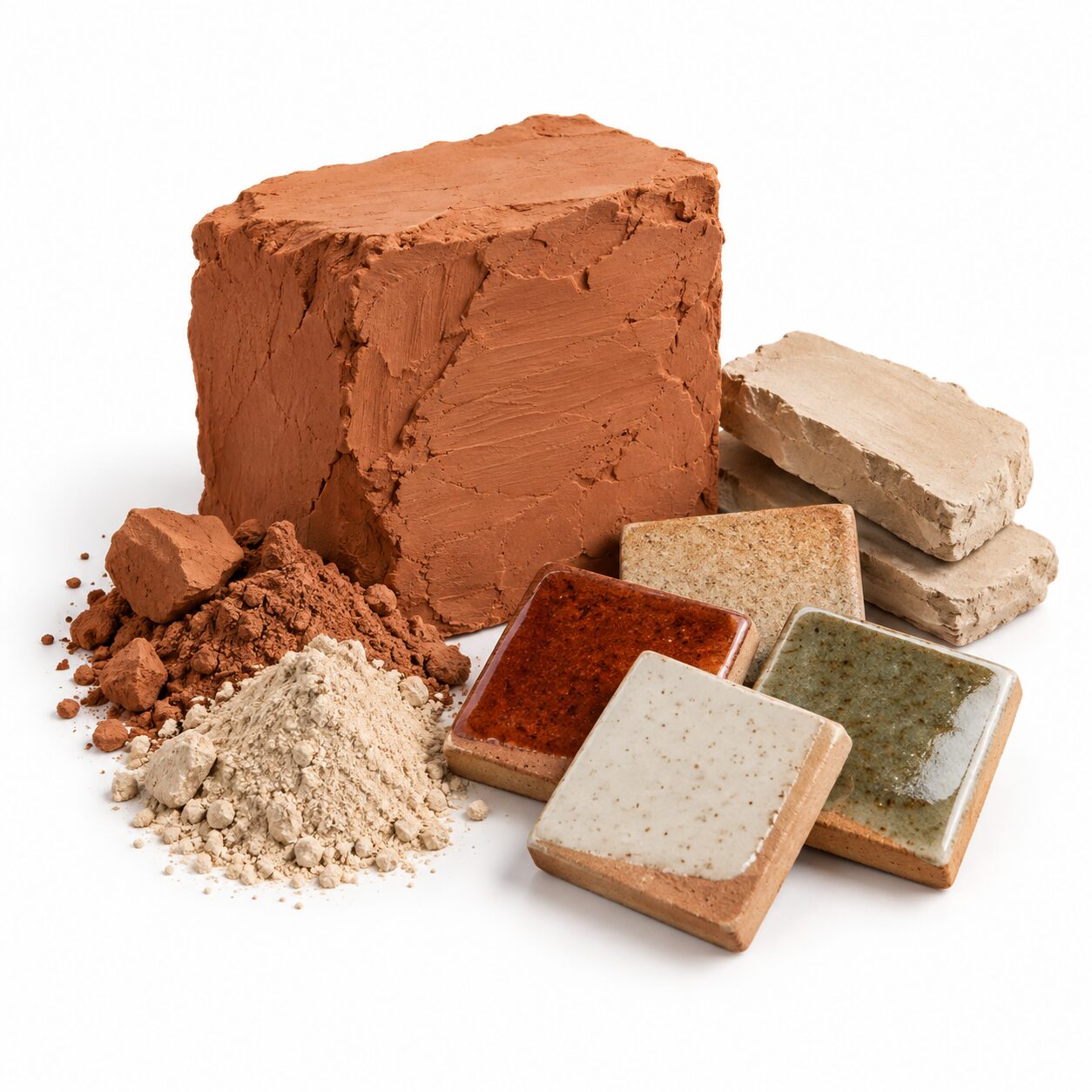
Clay from the Nile valley has been shaped into vessels for as long as people have lived beside the river. Village pottery traditions remain strong, and modern artisans build on them with new glazes, painted motifs and sculptural forms.
Woodwork, inlay and mosaic
Intricate wood inlay, including mother-of-pearl and bone, is closely tied to the craft heritage of Cairo and the wider region. Artisans cut and fit tiny pieces by hand to create geometric and floral patterns that can take days or weeks to complete.
Textiles and kilim
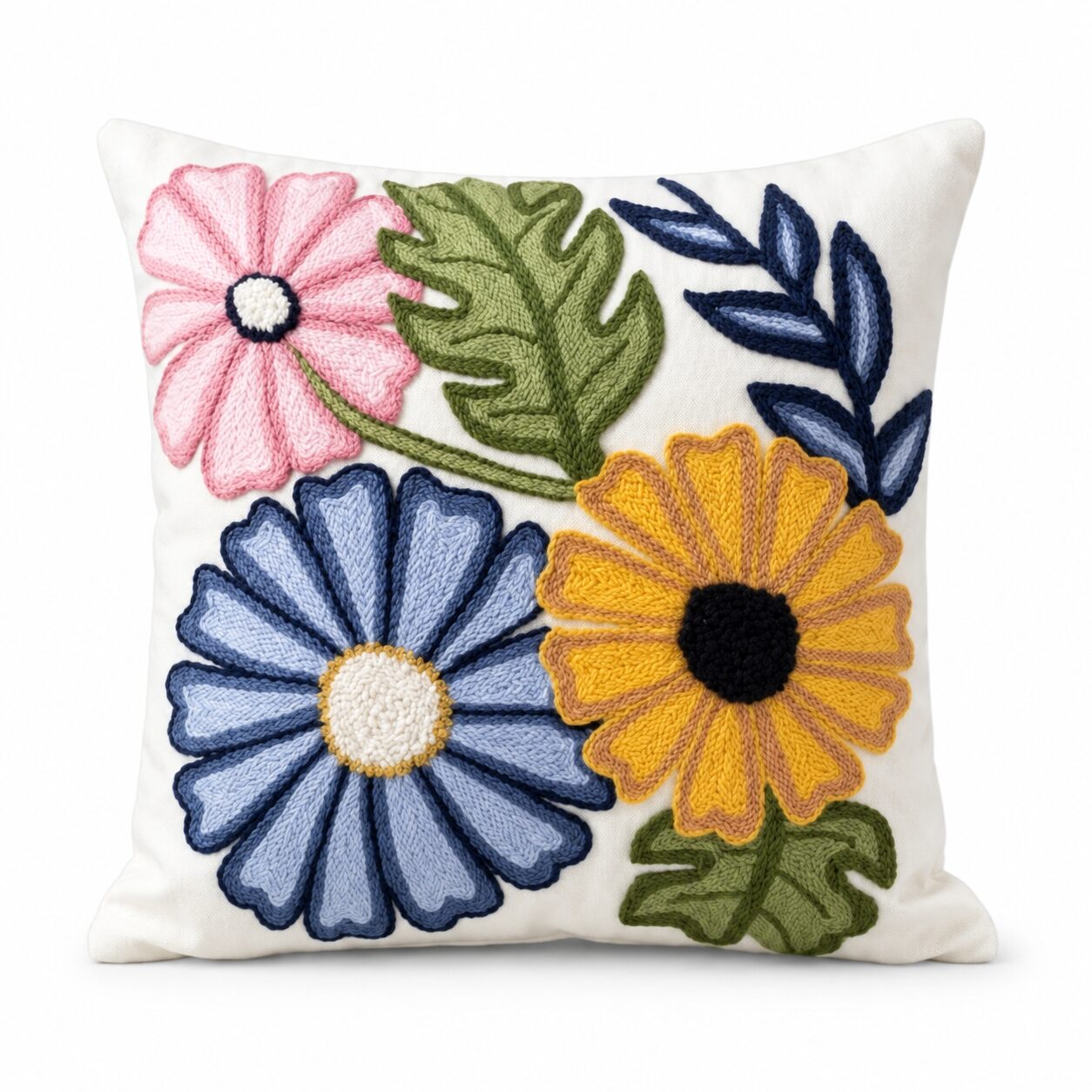
Flat-woven kilim rugs and cushions, embroidered linens and knotted macrame all rely on patient handwork. Each has its own vocabulary of patterns and techniques.
Why Handmade Matters
It is easy to fill a home quickly with mass-produced decor. There are good reasons to choose handmade pieces instead, even if you only add a few at a time.
- Character. Handmade pieces carry small variations that give them personality. Your basket or vase will never be exactly like anyone else’s.
- Quality of materials. Artisan work usually relies on natural materials like cotton, jute, halfa, wood and clay, which age well and feel good to touch.
- Durability. Hand-stitched, hand-woven and hand-carved pieces are often made to be used, not just admired. Many become better with age.
- Support for makers. Choosing handmade helps keep traditional skills alive and supports the people and families who practise them.
- Sustainability. Natural, renewable materials and small-batch production are generally gentler on the environment than plastic decor that is thrown away after a season.
- Meaning. A handmade object has a story. It becomes something you want to keep, pass on or give as a gift.
The Materials and What They Bring to a Room
Understanding materials helps you choose pieces that suit your home and your lifestyle.
Halfa
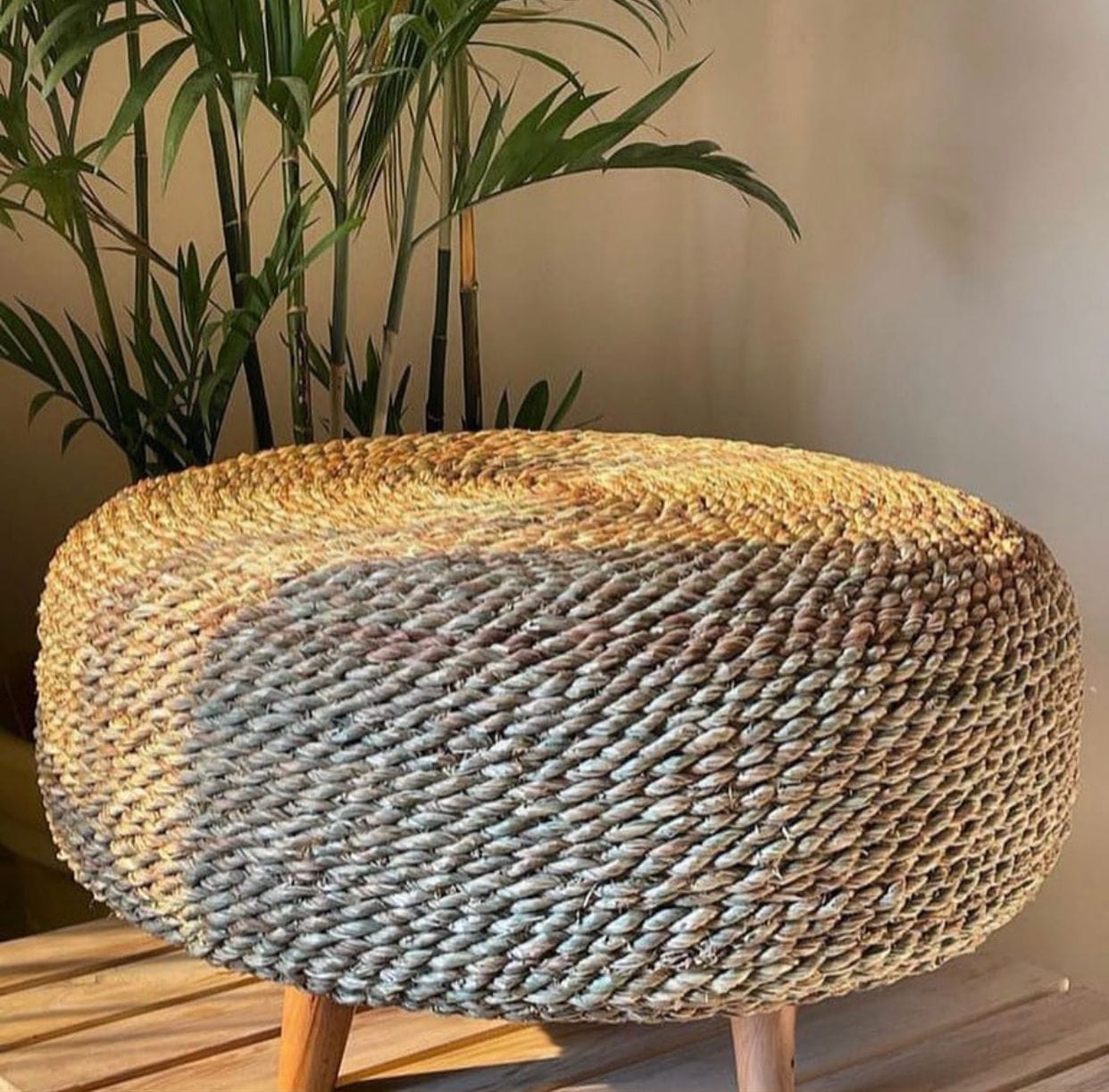
Halfa grass has a golden, sunny tone and a firm, springy texture. It brings instant warmth to any room. A Handmade Halfa Pouf with Legs is a perfect example: light, sturdy, and useful as a seat, a footrest or a side table. Halfa baskets, trays and rugs add the same natural glow.
Jute and cotton rope
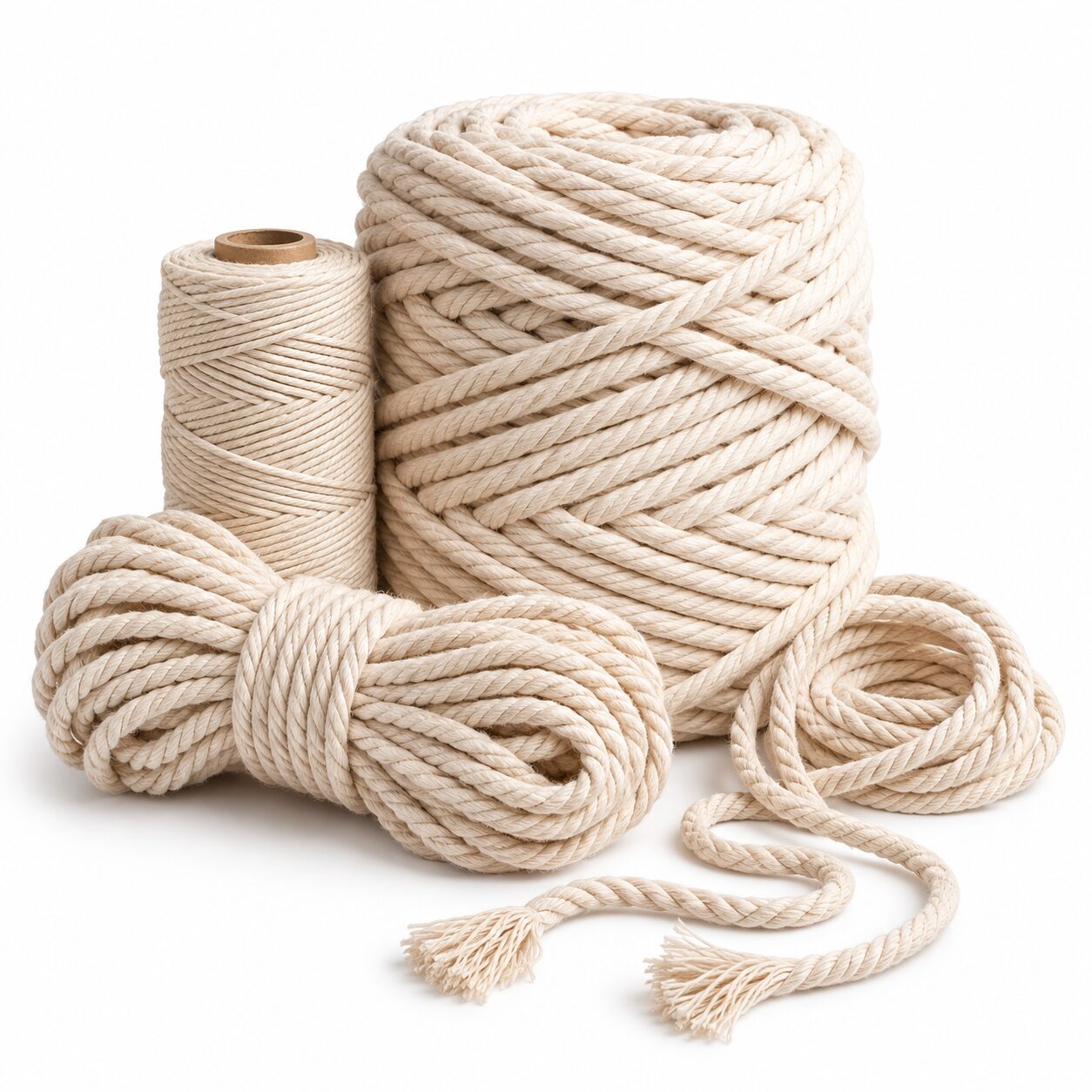
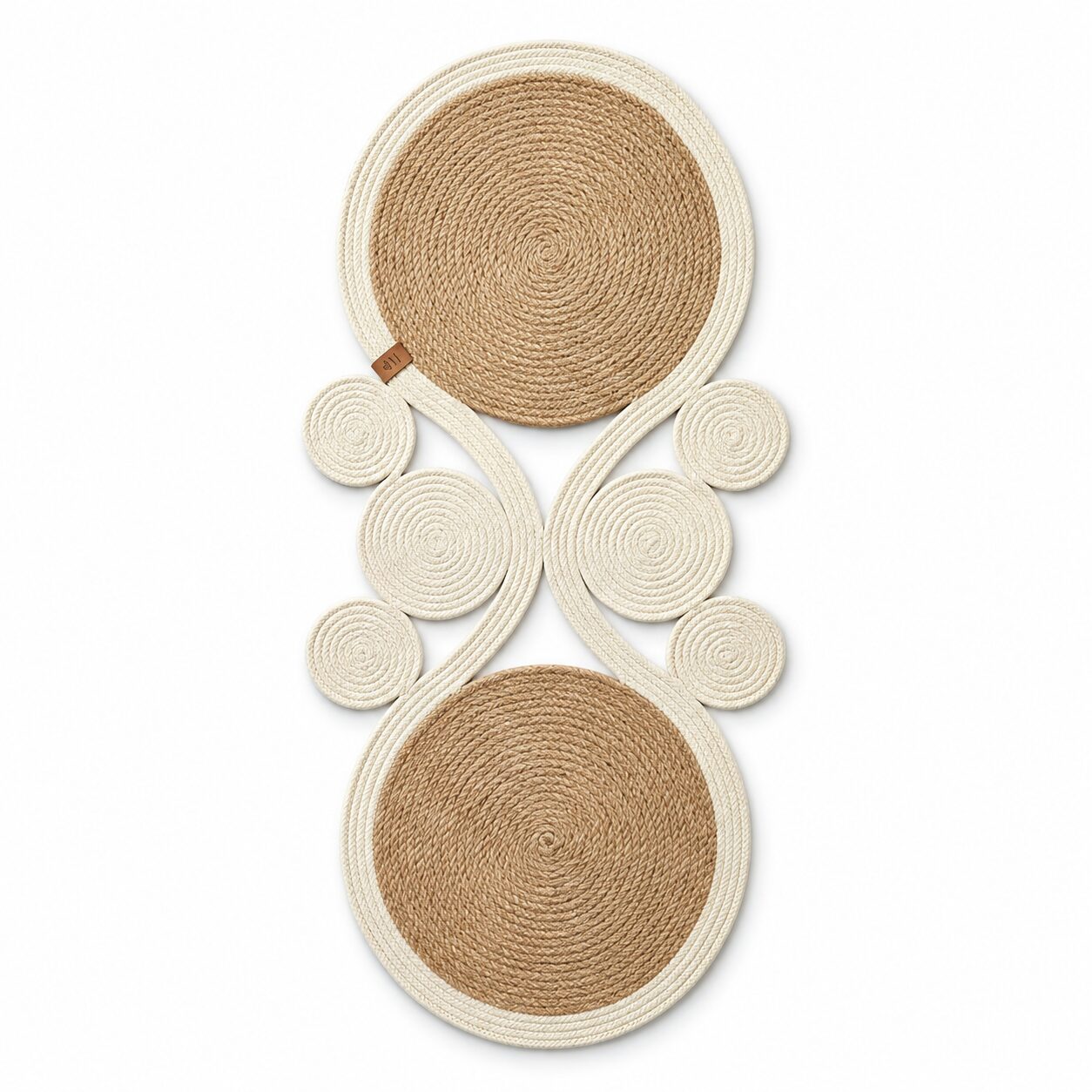
Jute is a strong natural fibre with a rustic brown colour, while cotton rope is softer and paler. Woven together, they create baskets, tissue boxes, coasters and table runners with lovely contrast. They suit boho, farmhouse and minimalist interiors equally well.
Because these fibres are so practical, they are ideal for the pieces you touch every day. A rope tissue box on the dining table, a jute storage basket for throws in the living room, or a set of woven coasters under tea glasses all bring handmade texture into ordinary routines, which is exactly where craft belongs. Everyday use is also the best way to appreciate how well good handwork holds up over time.
Macrame
Macrame is the art of knotting cord into patterns. It adds softness and movement to walls and tables. The Tassel Macrame Hollow-Out Table Runner shows how knotted work can dress a dining table for everyday meals and for bigger gatherings alike.
Pottery
Handmade pottery brings earthy colour and organic shapes. An Artisan Handmade Pottery Vase on a console or dining table becomes a small sculpture, beautiful with or without flowers.
Hand-painted wood
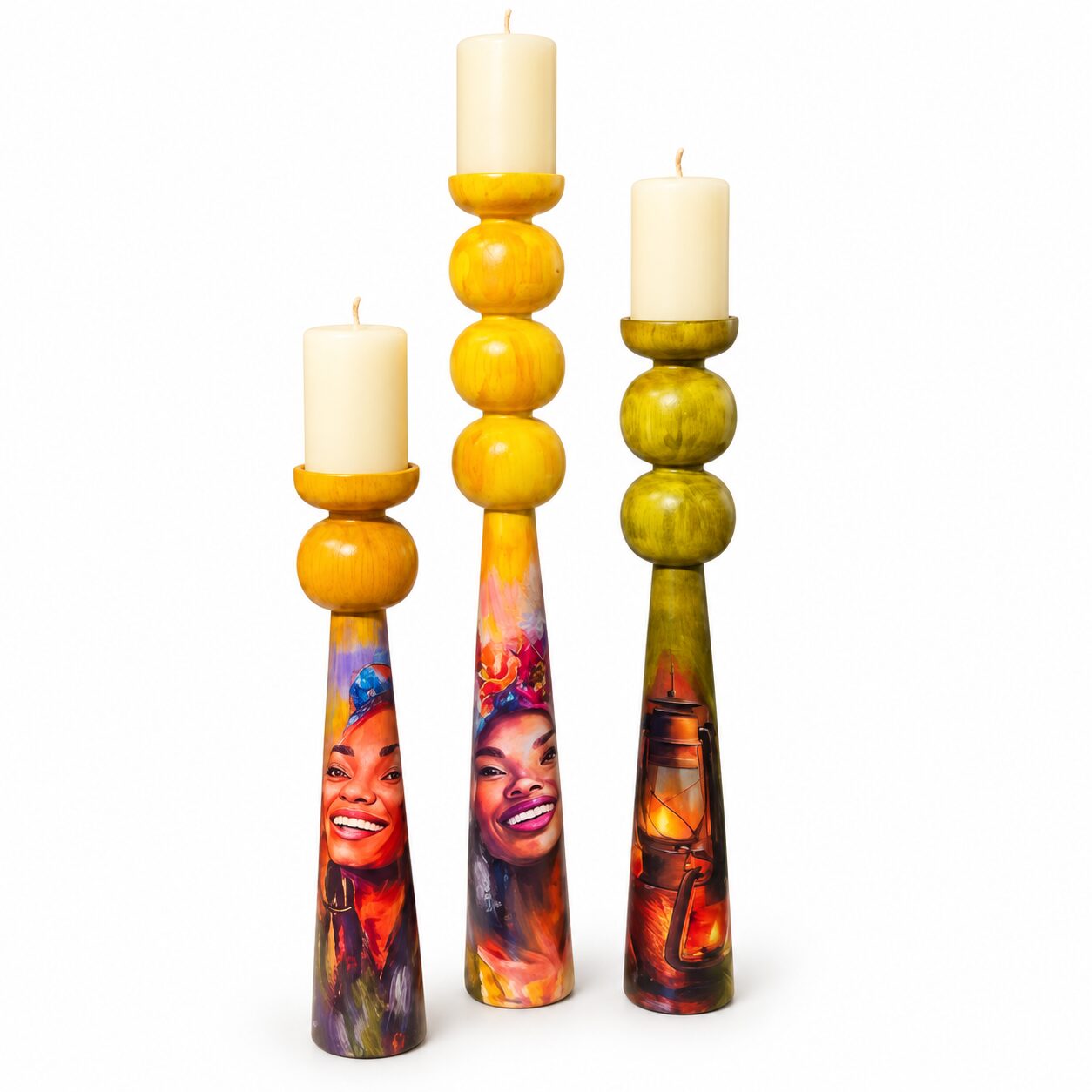
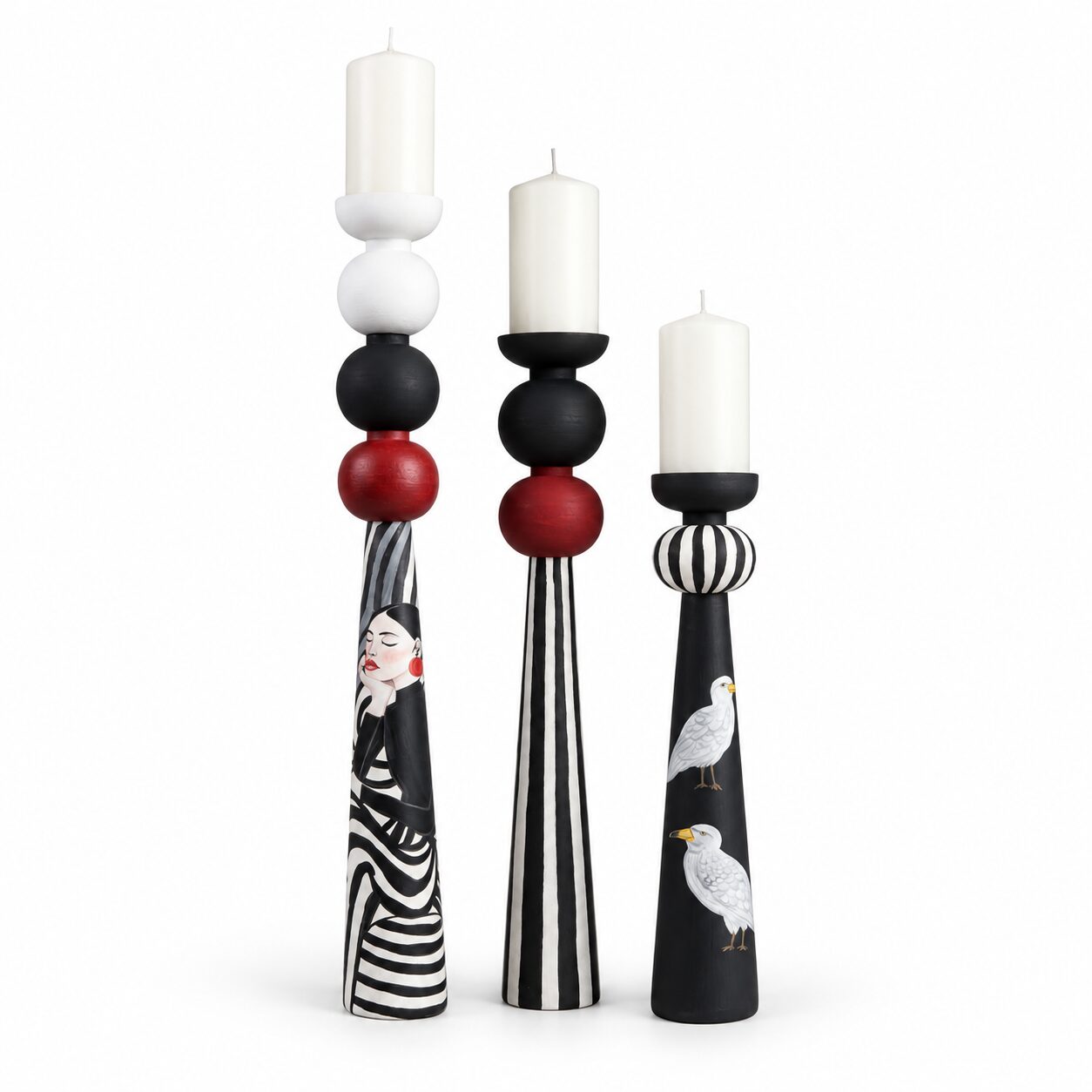
Painted wooden pieces bring colour and storytelling. Botanica Hand-Painted Wooden Candle Holders turn a simple table into a display of fine brushwork, while hand-painted wall plates can decorate an entire wall with a single set.
Mother-of-pearl inlay
This is one of the most luxurious traditional crafts. Mother-of-Pearl Mosaic Nesting Tables are heirloom pieces that catch the light and become the centre of attention in a living room.
Kilim
Flat-woven kilim rugs and cushions add pattern and durability. A Handmade Kilim Rug in Navy and Beige brings graphic structure to a floor and handles daily traffic well.
How to Recognise Genuine Handmade Work
Once you start looking closely, handmade pieces are easy to tell apart from machine-made copies. Here is what to look for.
Small, natural irregularities
In a hand-coiled basket, the rows are close but not perfectly identical. In hand-painted wood, brushstrokes vary slightly in thickness. In pottery, the rim may undulate gently. These tiny differences are the fingerprint of the maker.
Natural materials
Handmade decor is usually made from materials that feel natural to the touch: the slight scratchiness of jute, the smoothness of cotton rope, the warmth of wood, the cool weight of clay. Plastic imitations often look too uniform and feel too light.
Finishing details
Look at the places a machine would skip: how the end of a coil is tucked in, how tassels are tied, how inlay pieces meet at the corners. Careful finishing is a sign that someone took the time to get it right.
Honest variation between pieces
If you buy two of the same handmade item, expect them to differ a little in tone, size or pattern placement. When you want a matching pair, place them a short distance apart, for example at either end of a sofa, where small differences read as charm rather than mismatch.
Knowing these signs helps you appreciate what you are buying, and it makes handmade pieces feel even more personal once they are in your home.
How to Style Handmade Pieces in a Modern Home
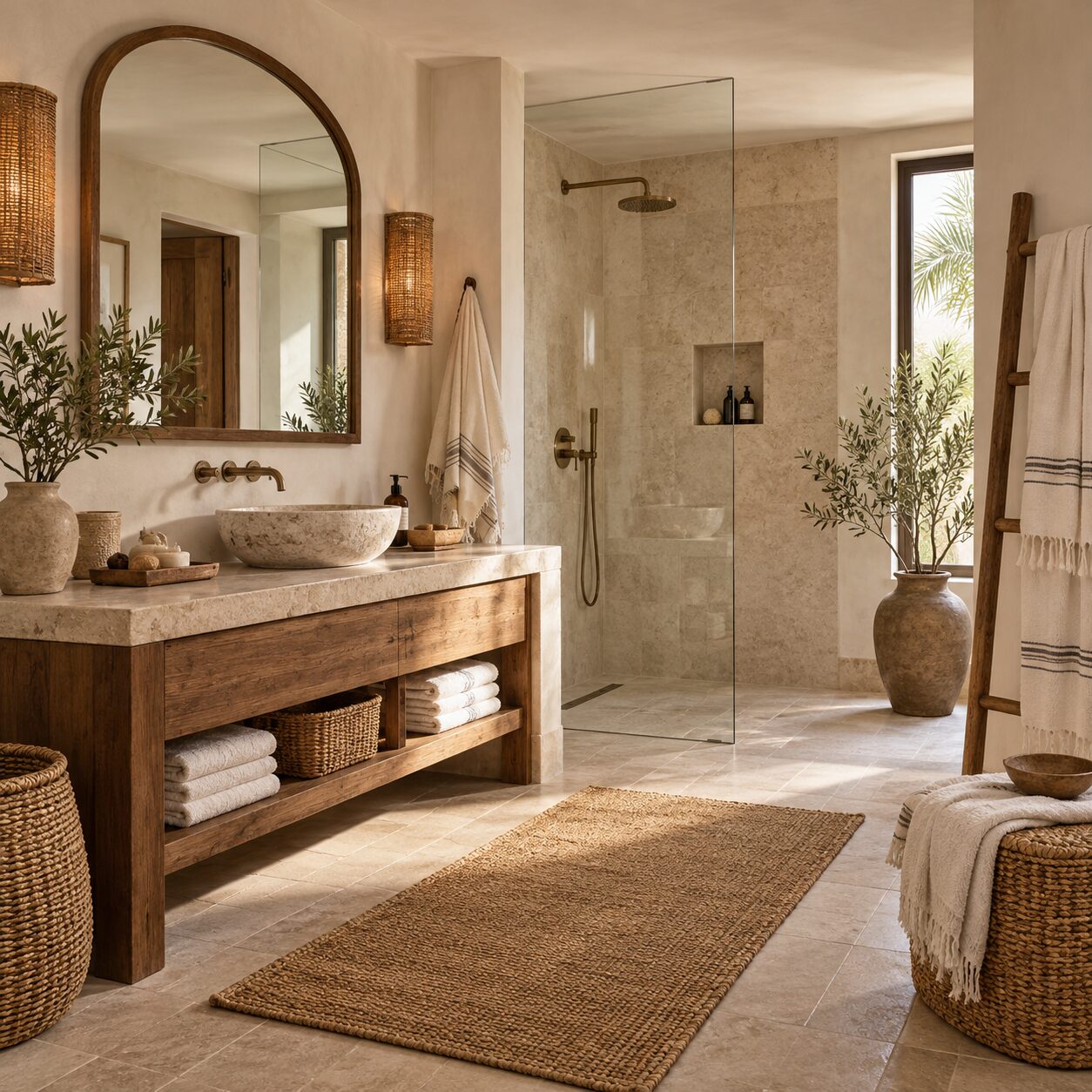
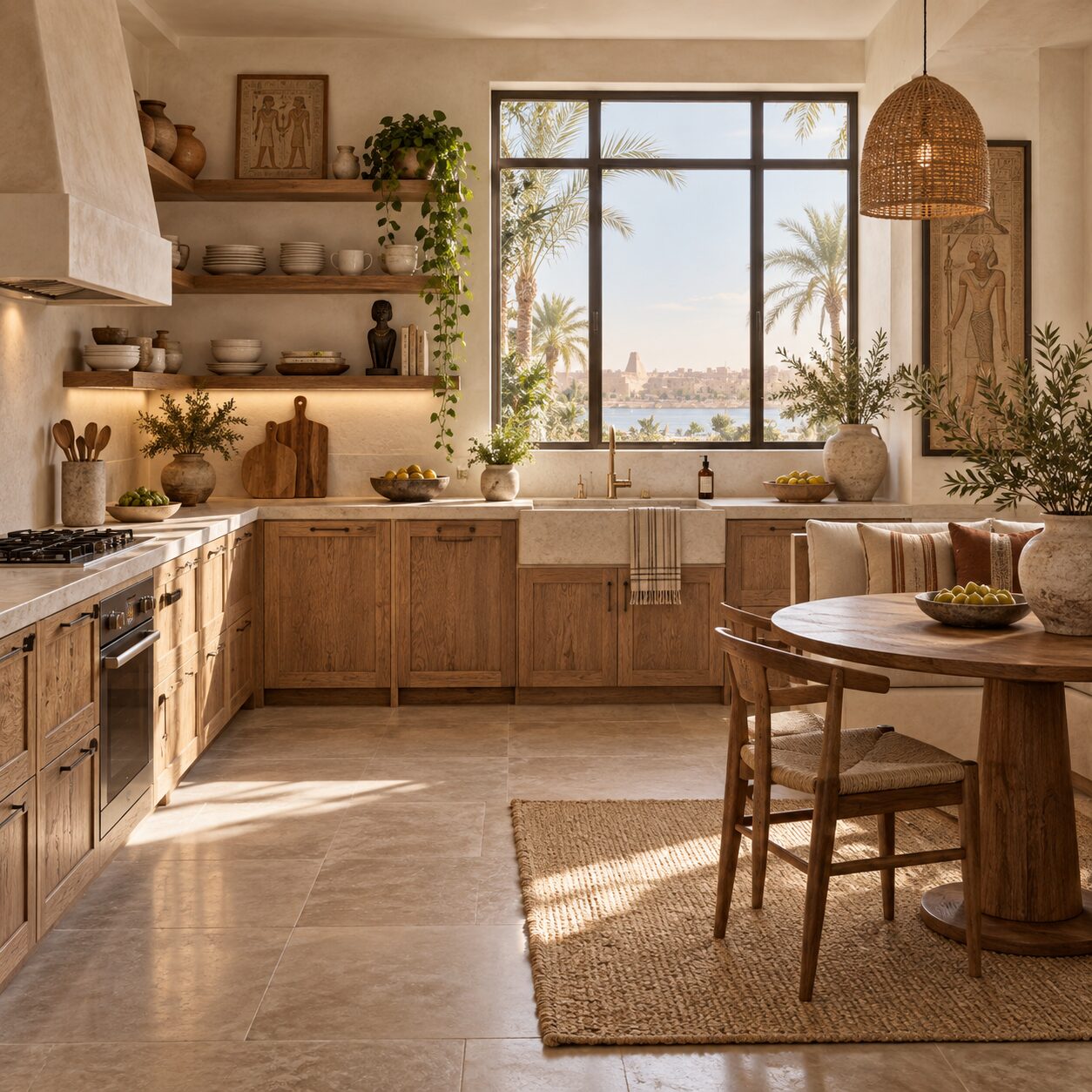
Handmade does not mean old-fashioned. The most striking interiors mix artisan pieces with clean, simple backgrounds.
- Start with a calm base. Neutral walls and simple furniture let handmade textures stand out.
- Choose one statement piece per room. An inlaid table, a large macrame wall hanging or a hand-painted lamp should have space around it.
- Layer smaller handmade accents. Baskets, tissue boxes, coasters and cushions add texture without competing with the statement piece.
- Repeat materials. A halfa pouf in the living room, a halfa tray on the coffee table and a halfa basket by the sofa create a connected look.
- Balance rough and smooth. Pair woven fibres with glazed ceramics or polished wood.
- Mix old and new. A handmade kilim looks wonderful beside a modern sofa; a painted mug brightens a minimalist kitchen.
Handmade Pieces as Gifts
Handmade decor makes some of the most thoughtful gifts, especially for occasions that matter in Egyptian family life.
- Housewarmings. A woven basket, a pottery vase or a set of coasters is useful from day one.
- Weddings. A mother-of-pearl tray or a hand-painted candle set feels special and lasting.
- Ramadan and Eid. Serving trays, table runners and decorative baskets fit naturally into family gatherings.
- Mother’s Day. A hand-painted mug or an embroidered cushion carries a personal touch.
A Hand-Painted Whirling Dervish Mug, with its spinning dancer echoing the tanoura performances so many Egyptians love, is a small gift with a lot of character.
Caring for Artisan Decor
Handmade pieces reward a little care.
- Natural fibres like halfa, jute and cotton rope: dust or vacuum gently with a brush attachment, and keep them away from standing water.
- Wood and painted wood: wipe with a soft, dry cloth. Avoid harsh cleaners that can damage paint or finish.
- Pottery: wash by hand if it holds water or food, and dry thoroughly.
- Inlay: dust with a soft cloth and avoid placing wet glasses directly on the surface.
- Textiles: follow any care guidance with the product, shake out rugs regularly, and air cushions in the shade rather than in harsh direct sun.
Common Mistakes With Handmade Decor
- Expecting factory perfection. Small variations are part of the value, not a defect.
- Crowding statement pieces. A beautiful inlaid table disappears under too many objects.
- Mixing too many strong patterns. Let one patterned piece lead in each area.
- Placing natural fibres in wet areas without care. Steam and splashes shorten their life.
- Buying everything at once. A handmade home is best built slowly, piece by piece, as you find things you love.
Quick Checklist
- Choose one handmade statement piece for your main living space.
- Add two or three smaller handmade accents in the same materials.
- Keep the background calm so textures stand out.
- Balance woven, smooth and painted surfaces.
- Learn the care needs of each material.
- Consider handmade pieces for your next gift.
Bring the Story Home
Handmade decor connects your home to something bigger: the patient skill of makers, the natural materials of the land and a craft heritage that stretches back thousands of years. Each piece adds warmth, character and meaning that simply cannot be mass-produced.
Explore halfa, jute, macrame, pottery, hand-painted wood and inlay pieces at coccarohome.com, with delivery across Egypt, and start building a home that tells a story.
Shop the Look
- Handmade Halfa Pouf with Legs — EGP 1,944 — Golden woven halfa in a seat you will use every day.
- Tassel Macrame Hollow-Out Table Runner — EGP 820 — Knotted handwork that dresses any table.
- Artisan Handmade Pottery Vase — EGP 1,296 — Earthy, sculptural and beautiful on its own.
- Botanica Hand-Painted Wooden Candle Holders — EGP 3,800 — Fine brushwork that lights up a table.
- Mother-of-Pearl Mosaic Nesting Tables — EGP 16,000 — An heirloom-worthy statement for the living room.
- Handmade Kilim Rug in Navy and Beige — EGP 2,484 — Durable flat-weave with graphic pattern.
- Hand-Painted Whirling Dervish Mug — EGP 648 — A small, characterful handmade gift.
- Ocean Treasures Hand-Painted Wall Plates — EGP 1,100 — A set of five that decorates a whole wall.
- Handmade Halfa Laundry Basket with Cover — EGP 1,556 — Traditional weaving put to daily use.
- Wooden Tea and Coffee Set with Mosaic Design — EGP 2,052 — Handcrafted detail for your coffee corner.