The kitchen counter is the hardest-working surface in the home. It is where groceries land, where vegetables are chopped, where the kettle boils a dozen times a day, where keys and post pile up, and where guests gather with a glass of juice while dinner finishes. It is also, in most homes, the first surface to drown in clutter.
A well-styled counter is not a showroom. It is a surface where everything you use daily is within reach, everything you do not use has a home elsewhere, and a few carefully chosen pieces make the space feel warm and personal. This guide shows you how to get there, step by step, whether you have a spacious villa kitchen or a narrow galley in a city apartment.
Begin With a Clean Slate
The fastest way to restyle a counter is to empty it completely. Take everything off, wipe the surface, and look at what you have. Then sort every item into one of three groups:
- Daily use: things you touch every day, such as the kettle, coffee maker, salt, oil, a chopping board and utensils.
- Weekly or occasional use: the food processor, mixer, toaster or sandwich maker you use a few times a week or less.
- Does not belong here: paperwork, chargers, medicines, toys, shopping bags and anything that drifted in from other rooms.
Only the first group earns a permanent place on the counter. The second group goes into cupboards close to where you use it. The third group leaves the kitchen.
Think in Zones
Professional kitchen designers think in work zones, and the same idea works on any counter. Group items by activity so each task happens in one place.
The Prep Zone
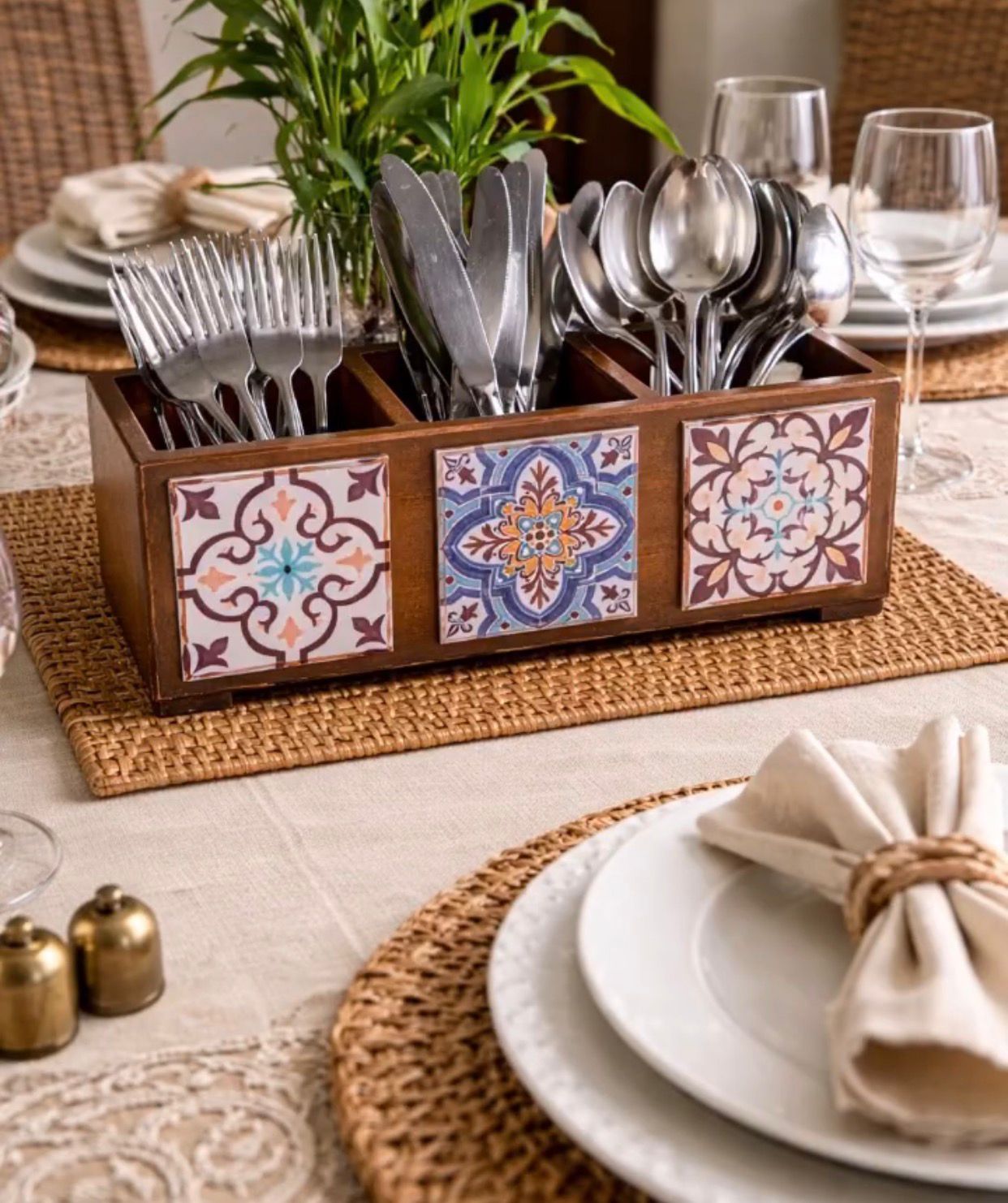
Ideally between the sink and the hob, this is your clear working space. Keep it as empty as possible, with a chopping board, a knife block or a utensil holder nearby. A Wooden Cutlery Organizer with Decorative Tiles at the back of the counter keeps spoons, forks and serving utensils upright and within reach, and its hand-set tiles add colour without taking up the working area. A beautiful board can stay out permanently: the Heritage Wood Raw Edge Board is handsome enough to lean against the backsplash when not in use.
The Cooking Zone
Beside the hob, keep oil, salt, pepper and the spices you use daily. A small tray stops oily bottles from marking the counter and makes wiping underneath easy.
The Drinks Zone
This is often the most-used corner in an Egyptian kitchen: kettle, coffee maker, mugs, tea, sugar and Nescafe. Group them together, near a socket and away from the hob.
The Landing Zone
Near the kitchen door, a small spot for groceries to land and for the fruit bowl. Keep it clear so shopping does not spread across the prep zone.
Appliances: What Stays Out and What Goes Away
Small appliances take the most counter space, so be strict.
Leave out only the appliances you use daily. For most Egyptian homes, that means the kettle and a coffee or Turkish coffee maker, and perhaps the air fryer if it is used most days.
Store away appliances you use weekly or less, ideally in a low cupboard or deep drawer near the counter where they are used, so they are easy to lift out.
When appliances stay out, let them contribute to the look. Choose finishes that work together: all white for a fresh, bright kitchen, black and steel for a modern look, or one colourful statement piece. The Philips Series 5000 Turkish Coffee Maker in black and copper looks like it belongs on a styled counter, and a De’Longhi Dedica Deluxe Pump Espresso Machine in Red can be the single bold accent in an otherwise neutral kitchen. In a white kitchen, the Braun Breakfast1 Electric Kettle in White blends in quietly.
Keep cords tidy and appliances pushed back towards the wall, with enough space for vents and steam, never directly under wall cabinets while boiling or brewing.
Trays: The Secret to a Calm Counter
If there is one trick that transforms a counter, it is the tray. A tray turns a scattered group of objects into a single, intentional arrangement. It also makes cleaning easier: lift the tray, wipe, put it back.
- Under oils and spices beside the hob, to catch drips.
- Beside the coffee maker, holding mugs, sugar and spoons.
- Near the sink, holding washing-up liquid and a hand soap in matching bottles.
Wood and natural materials soften the hard lines of tiles, granite and steel. The Handcrafted Wooden Tea and Coffee Accessories Set with Mosaic Design brings colour and craftsmanship to the drinks zone, while an Acacia Wood Serving Tray suits the oil-and-spice corner beside the hob.
Storage That Looks Good Enough to Leave Out
Some items need to stay on the counter but do not need to be on display. Lidded containers and baskets solve this.
- Coffee capsules and sachets live neatly in a bowl. The Decorative Storage Bowl for Bread or Coffee Capsules was designed for exactly this kind of kitchen corner.
- Tea bags and sugar sachets fit in a small lidded basket like the Handwoven Rope Storage Basket with Lid.
- Bread stays fresher and out of sight under a cover or in a basket.
- Cutlery for daily use can sit in a caddy near the dining area. A handmade wooden cutlery organizer is decorative enough to stay on the counter and practical enough to carry straight to the table when the family sits down to eat.
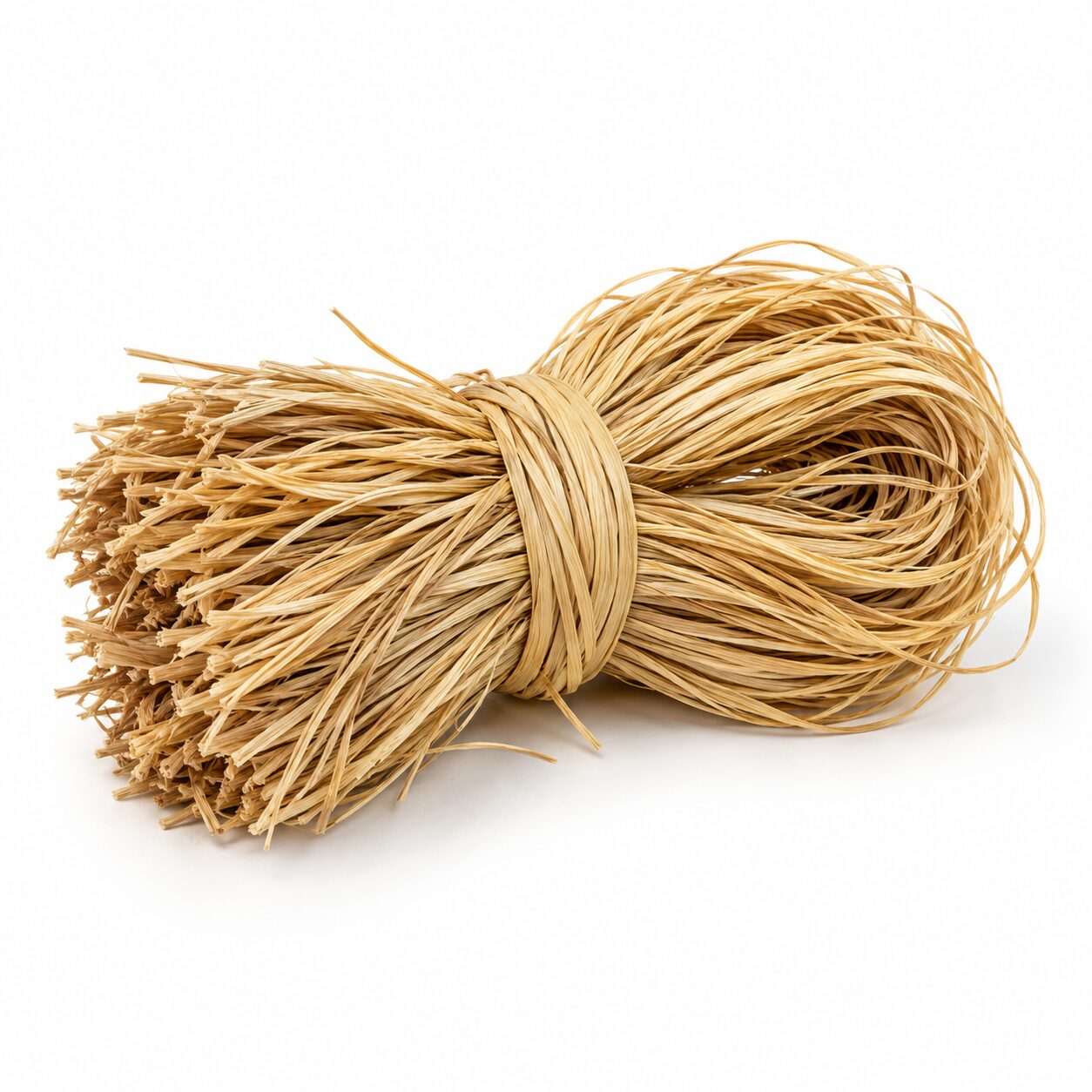
Natural materials like jute, halfa and wood bring Egyptian craft into a space that is often full of hard, cold surfaces, and they hide visual clutter far better than clear plastic.
The Finishing Touches
Once the counter works, add a few personal touches. Keep it to two or three, so the counter still feels clear.
Greenery
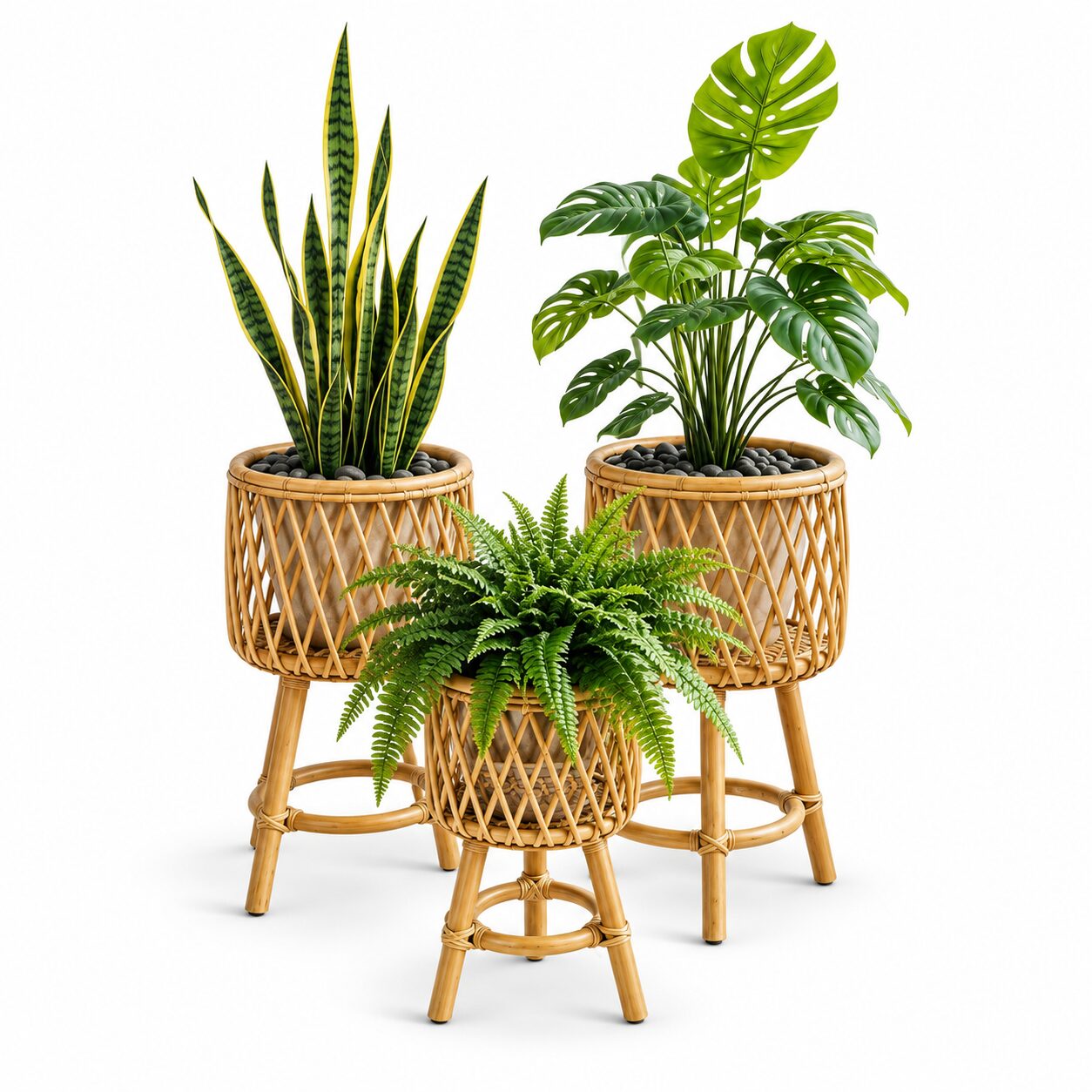
A small plant brings life to a kitchen. Real herbs like basil and mint grow well on a bright windowsill. For a corner with little light, or near the hob where heat would stress a real plant, a few artificial stems in a jar work beautifully. Artificial Eucalyptus Leaves in a ceramic jug add soft green without any watering. A Mini Jute Plant Pot gives a small herb or plant a natural, textured home.
Something Handmade
A hand-painted mug, a ceramic jug or a small wooden bowl adds character. The Stoneware Mug Set with Olive Tray gives you two cups and a matching tray, which looks charming beside the kettle and is ready for guests.
Art on the Backsplash or Wall
A kitchen wall is often forgotten. A set of decorative plates or a small painting above the counter lifts the whole space. The Hand-Painted Lemon Wooden Wall Plates are a cheerful choice for a kitchen, with a fresh, Mediterranean feel.
Styling for Small Apartment Kitchens
Many Egyptian apartments have compact kitchens with very little counter space. A few strategies help.
- Go vertical. Use wall shelves, rails and hooks for mugs, utensils and spices. A 3-Tier Woven Hanging Basket can hold onions, garlic, lemons or kitchen cloths on a wall or the back of a door, freeing the counter completely.
- Choose compact appliances. A slim espresso machine or a small Turkish coffee maker takes a fraction of the space of a large machine.
- Use the windowsill. It is a natural spot for herbs and a small tray.
- Keep the prep zone sacred. In a small kitchen, a clear chopping area matters more than any decoration.
- Store one appliance per cupboard shelf, so you can lift it out without moving three others.
Lighting and Colour
Good styling depends on light. Under-cabinet lighting, if you have it, makes the counter feel bigger and makes prep safer in the evening. If you do not, keep the counter in front of the window as clear as possible so daylight can do its job.
Colour ties everything together. Pick two or three tones and repeat them: the wood of a tray, the green of a plant and a ceramic mug in a matching shade feel deliberate, while ten unrelated colours feel cluttered. Natural fibres like jute and halfa act as neutrals, so they sit comfortably with almost any palette, from white marble to dark granite.
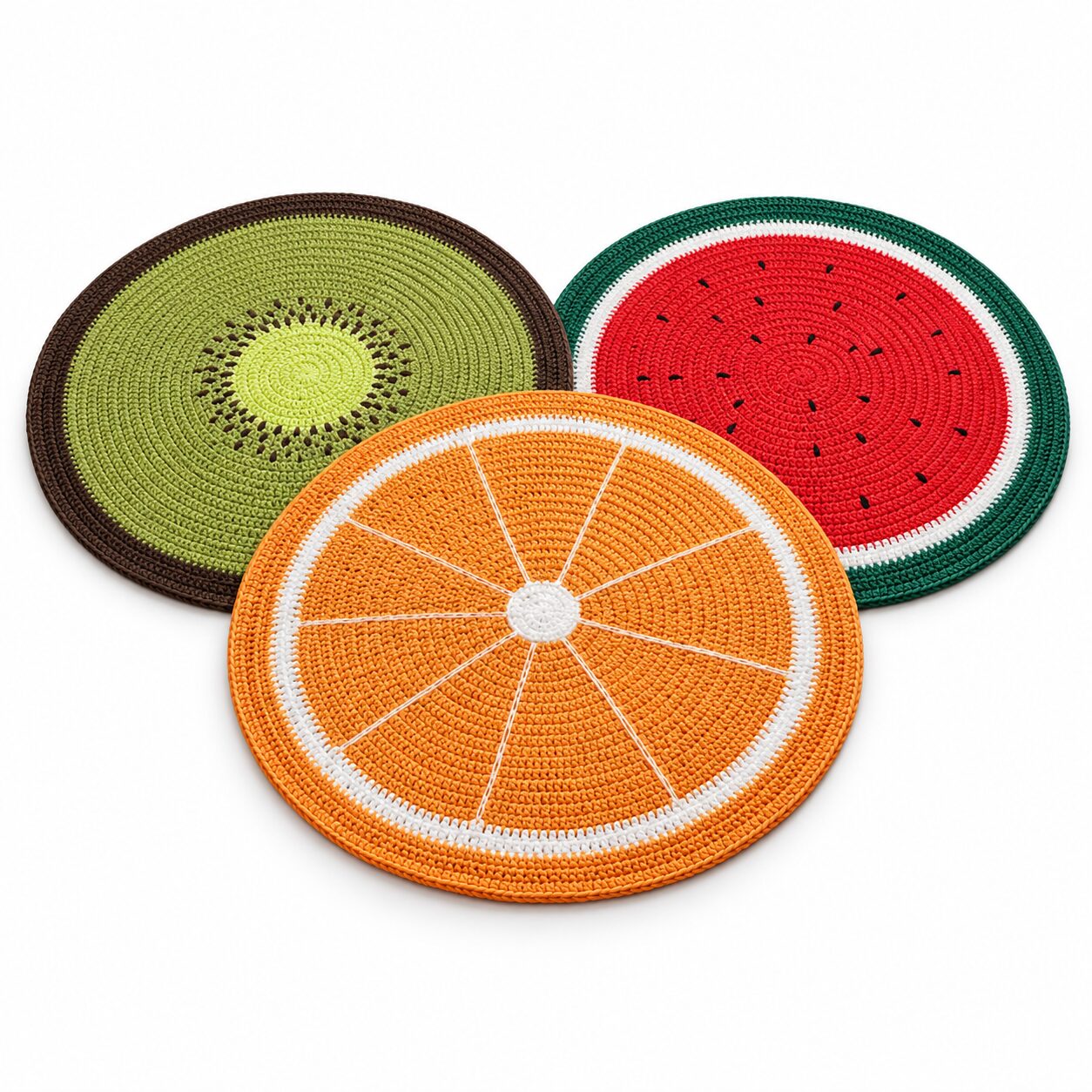
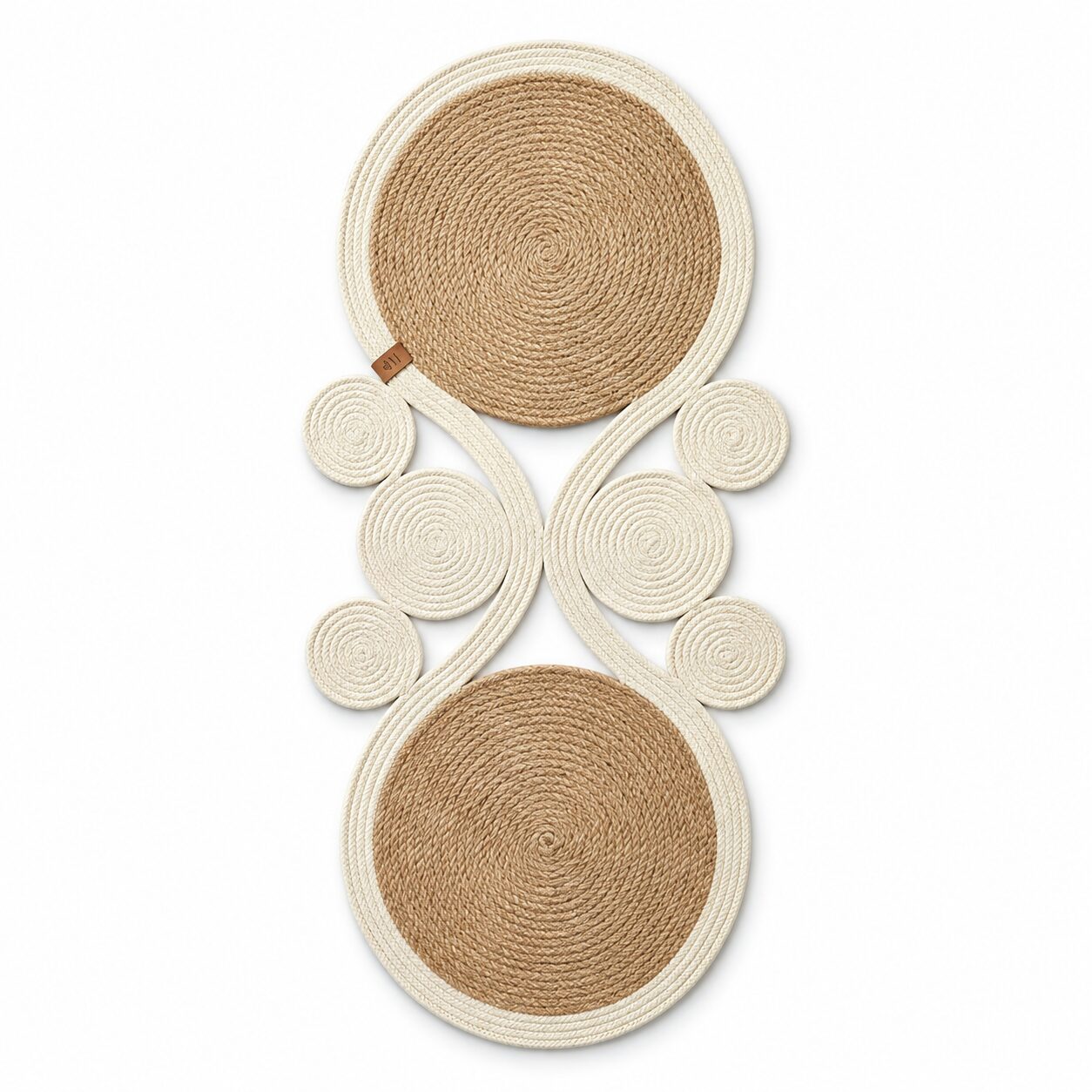
A kitchen runner or a set of placemats on a nearby breakfast table can echo the counter’s colours and connect the kitchen to the dining area, which matters in open-plan apartments where both are seen together.
Keeping It Clear Every Day
A styled counter only stays styled with a simple daily habit.
- Reset each evening. Spend five minutes putting everything back in its zone and wiping the surface.
- One in, one out. When you add something new to the counter, something else leaves.
- Weekly wipe-down. Lift trays and baskets, clean underneath, and shake out any crumbs.
- Seasonal swap. Change a few accents for Ramadan, winter or summer: a lantern-themed tray in Ramadan, fresh lemons and greenery in summer.
Common Mistakes to Avoid
- Displaying every appliance. A counter covered in machines leaves nowhere to cook.
- Too many small decorative objects. They gather dust and grease. Group items on trays instead.
- Ignoring cords. Tangled cables make even a tidy counter look messy.
- Placing appliances under cabinets while they steam. Steam damages wood and paint over time.
- Using the counter as a filing cabinet. Post and paperwork belong elsewhere.
- Forgetting the prep space. Beauty means nothing if you cannot chop an onion.
Quick Checklist
- Counter cleared and items sorted into daily, occasional and elsewhere
- Prep, cooking, drinks and landing zones defined
- Only daily appliances left out, with tidy cords
- Trays used to group oils, coffee items and soaps
- Lidded baskets for tea, capsules and bread
- Two or three personal touches: greenery, handmade pieces, wall art
- A five-minute evening reset habit
A Counter That Works as Hard as You Do
A beautiful kitchen counter is mostly about what you leave off it. Clear zones, a few daily appliances, trays and baskets to gather the essentials, and two or three handmade touches turn the busiest surface in your home into one that feels calm and welcoming every time you walk in. Start with a clean slate this weekend and build it back one zone at a time.
Discover trays, baskets, mugs and kitchen accents at coccarohome.com.
Shop the Look