The truck has gone, the last box is inside, and you are standing in a new home surrounded by cardboard. It is one of the most exciting moments in life, and also one of the most overwhelming. Every room needs attention, nothing is where you expect it, and the kettle is in a box somewhere under the bedding.
Settling in well is less about speed and more about order. Families who unpack in a sensible sequence feel at home within days; those who open boxes at random can live out of them for months. From a first apartment for newlyweds to a family move into a bigger place in New Cairo or Sheikh Zayed, this room-by-room plan will help you settle in calmly and make the new place feel like yours.
Before You Unpack: The First-Night Box
The most useful thing you can do on moving day is pack one box, or one suitcase, that travels with you rather than in the truck. It holds everything you need for the first night and morning, so nobody has to search through forty boxes at midnight.
What to put in it:
- Bedding for every bed: sheets, pillows and a light blanket.
- Towels, toilet paper, soap and basic toiletries.
- Phone chargers, a power strip and a torch.
- Medicines and anything the children cannot sleep without.
- A kettle, a few mugs, tea, coffee and some snacks.
- Basic tools: a screwdriver, a box cutter, scissors and tape.
- Cleaning basics: cloths, a spray cleaner and rubbish bags.
- A change of clothes for everyone.
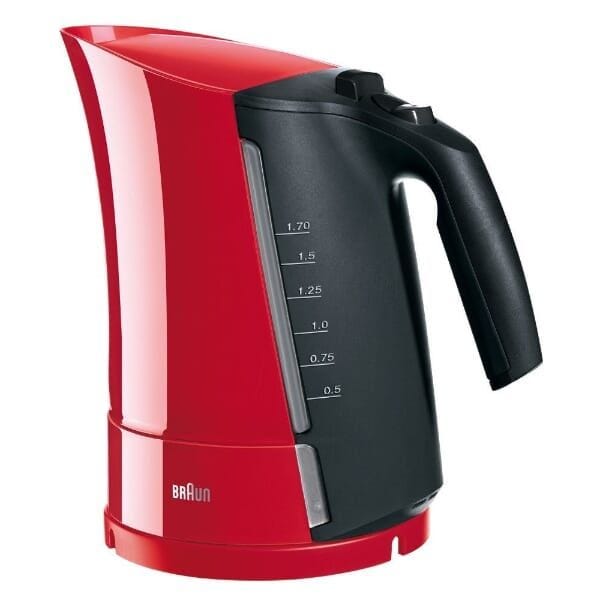
A reliable kettle may be the most appreciated item in the house that first evening. The Braun Cordless Electric Kettle holds 1.7 litres, enough for tea all round after a long day of carrying boxes.
Clean Before You Fill
If you can, clean each room before furniture and boxes go in. It is so much easier to clean an empty cupboard than one full of plates. At the very least, wipe kitchen shelves and drawers, clean the bathroom and sweep or mop the floors before unpacking. Egyptian apartments that have stood empty for a while collect a surprising amount of dust and sand, and you do not want it in your clean linen.
Day One: Bedrooms First
After a long moving day, sleep matters more than anything else. Set up the beds before the end of the first day, even if the rest of the room is chaos.
- Assemble bed frames and put mattresses in place.
- Make the beds with the first-night bedding.
- Hang or place blackout curtains if the bedroom faces the street or the morning sun.
- Set up a lamp near each bed so no one stumbles around in the dark.
Children settle faster when their own room feels familiar quickly. Unpack their favourite blanket, toys and night light first, and arrange their bed in a similar position to their old room if you can.
Day Two: The Kitchen
The kitchen is the room you will use most, and the one with the most boxes. Unpack it early, but be strategic.
Unpack in Zones
Think about how you cook and put things where you will use them.
- Near the hob: pans, cooking utensils, oils and spices.
- Near the sink: dish soap, cloths, everyday plates and glasses.
- Near the kettle or coffee maker: mugs, tea, coffee and sugar.
- High shelves: occasional items such as large serving platters and holiday dishes.
Start With the Essentials
Unpack a basic set first: a few plates, glasses, cutlery, one or two pans and a knife. You can cook a simple meal and work through the rest over the following days.
Do Not Overfill
Moving is a natural moment to let go of chipped mugs and gadgets you never use. If a box sits unopened for a month, consider whether you need what is inside.
Day Three: The Bathroom
Bathrooms are quick to set up and make daily life much smoother.
- Hang towels and a shower curtain, and put a mat by the shower.
- Organise toiletries into baskets so the counter stays clear.
- Fit a toilet roll holder or a small organiser if the bathroom lacks one.
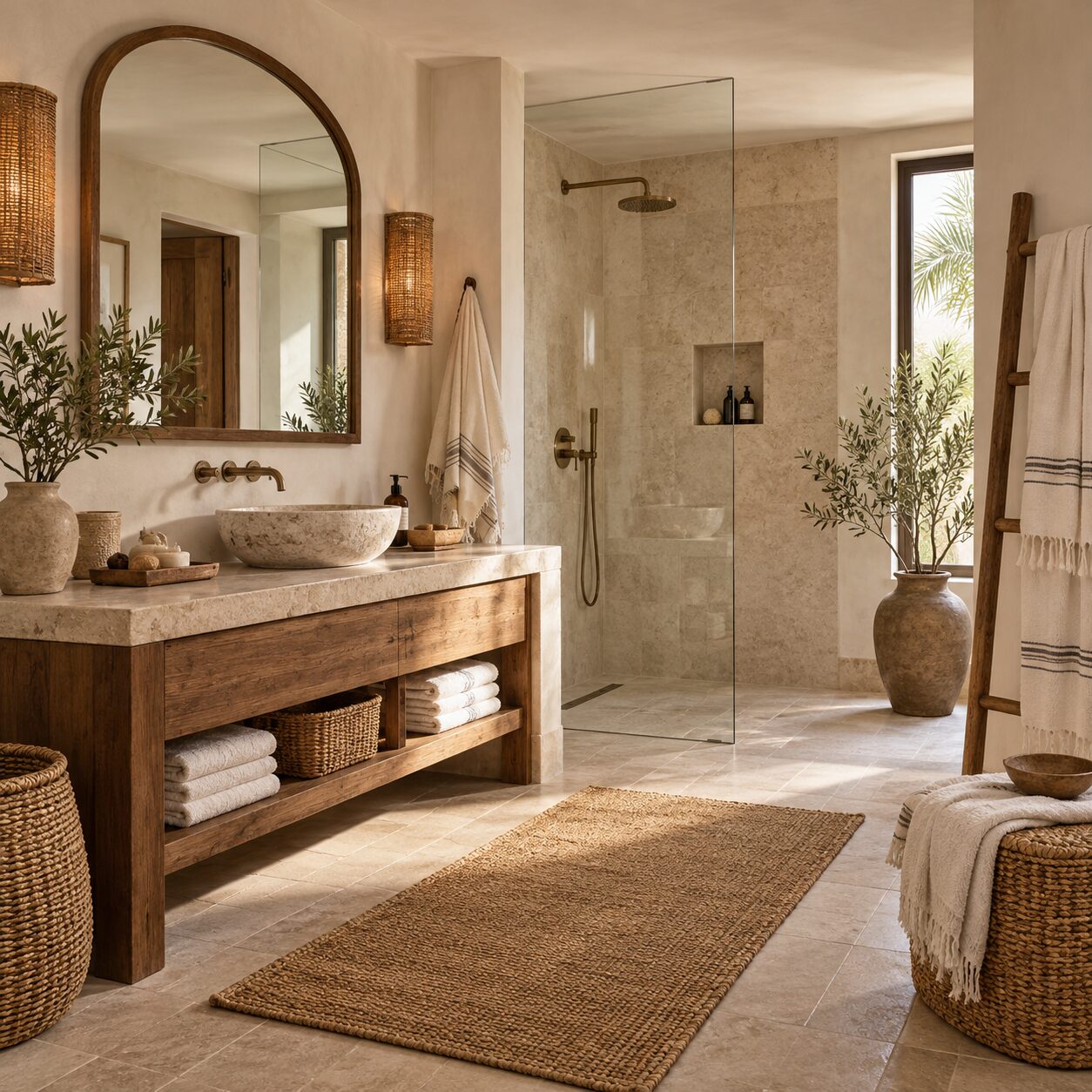
Small woven organisers make a new bathroom feel finished immediately. A Wooden Stand with Jute Organizers keeps towels and toiletries tidy, while a lidded Halfa Laundry Basket gives dirty clothes a home from the first day, before piles start to form on the floor.
Days Four to Seven: The Living Room
Once you can sleep, cook and wash, turn to the living room. This is where the home starts to feel like yours.
Place the Big Pieces First
Position the sofa, chairs and coffee table before anything else. Think about where people will sit to talk, where the television goes and how light enters the room. Live with the layout for a few days before hanging anything on the walls; you may want to move things around.
Add the Rug and Lighting
A rug instantly makes a room feel lived in and absorbs the echo of an empty apartment. Add at least one table lamp so evenings feel warm rather than lit by a single ceiling light.
Bring in Softness
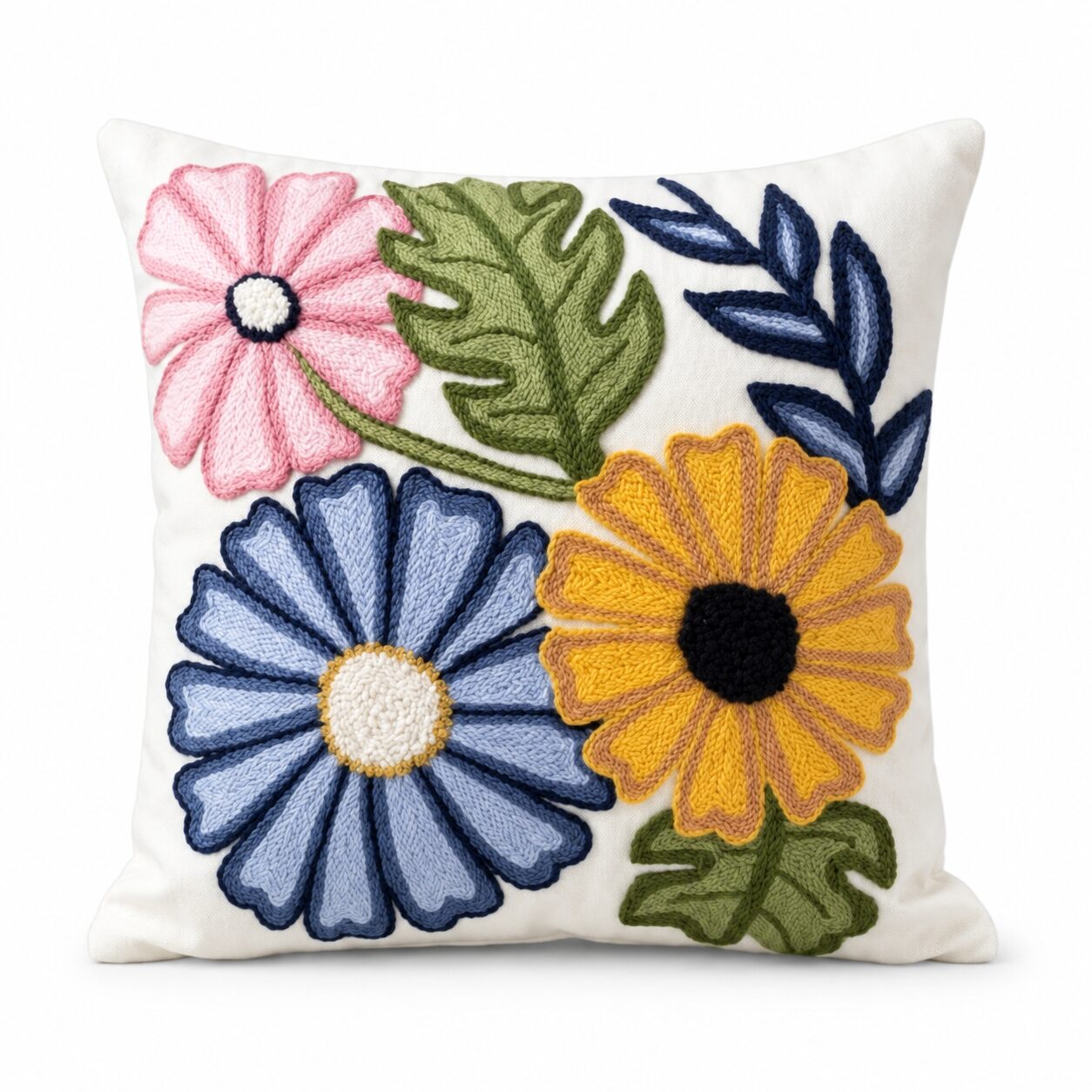
Cushions and a throw on the sofa make the space inviting straight away. A Chunky Knitted Nordic Throw folded over the arm is a small touch that makes a new living room feel comfortable from the first evening.
Storage: The Secret to Settling In
Most new homes feel messy not because of too many things, but because things do not yet have a place. Good storage solves that.
- Entrance: a tray or bowl for keys and a basket for shoes.
- Living room: lidded baskets for remote controls, chargers and children’s toys.
- Bedroom: under-bed storage for off-season clothes and bedding.
- Behind doors: hanging organisers make use of space that is otherwise wasted.
A Jute Storage Basket with Wooden Lid keeps a living room tidy while looking like a decorative piece in its own right, and a 3-Tier Wall Hanging Basket turns the back of a door into extra storage for small items.
Making It Feel Like Home
Once the practical work is done, the details turn a new apartment into your home.
- Hang something personal. A family photo, a favourite painting or a piece of art makes a room feel yours instantly.
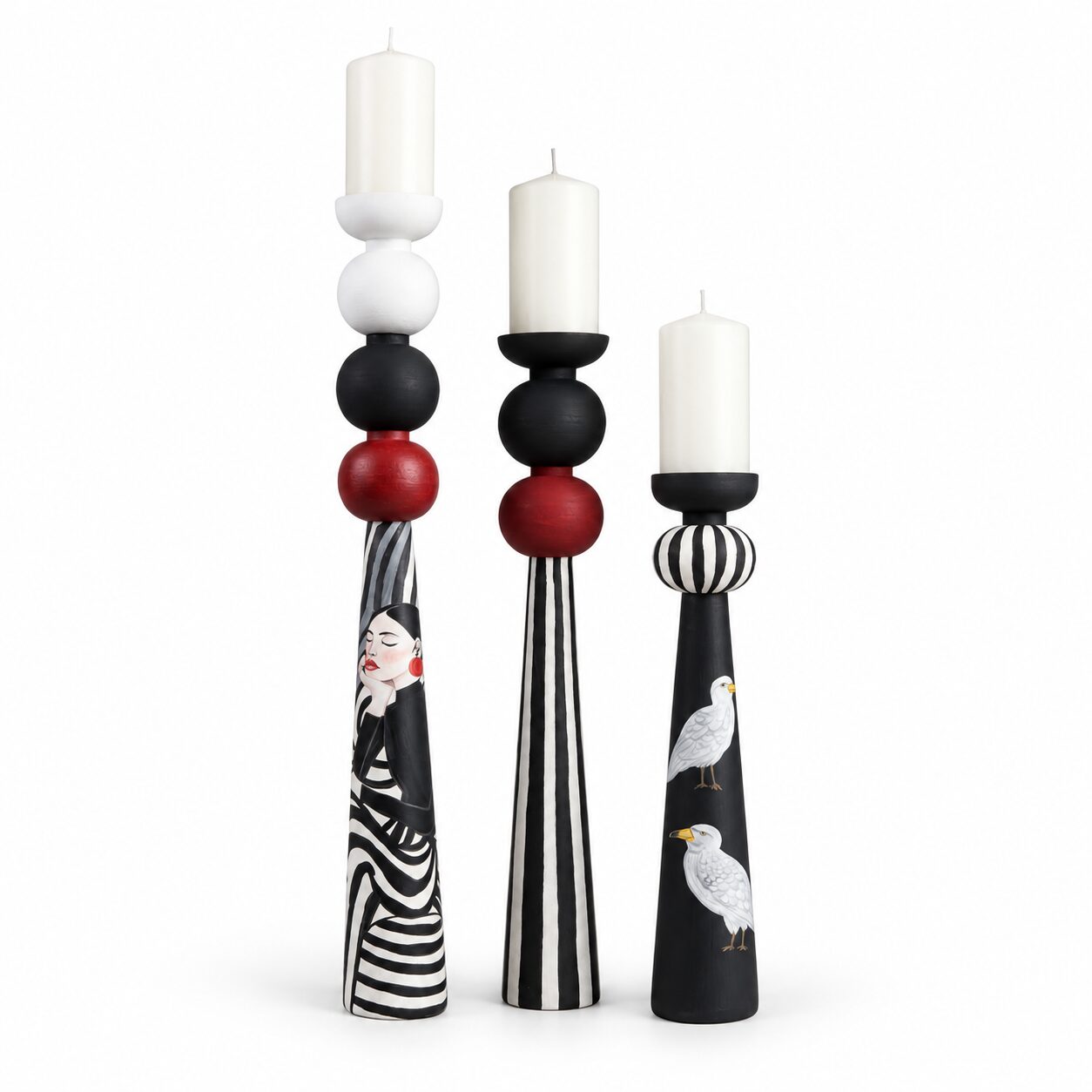
- Bring in scent. A candle in the living room or a bowl of fresh herbs in the kitchen changes how a new place feels. A Vanilla Pillar Candle is an easy start; never leave it burning unattended.
- Add greenery. A plant or a vase of stems brings life to bare corners.
- Put up a welcome. A small sign or a doormat at the entrance gives a sense of arrival every time you come home.
- Invite people over. Nothing makes a home feel lived in faster than family and friends around the table. A simple housewarming gathering, even with some boxes still in the corner, starts the home’s story.
Settling In With Children and Older Relatives
Moving is hardest on the youngest and oldest members of the family, and a little extra thought helps everyone adjust.
For Children
- Involve them early. Let children choose where their bed goes or pick a new cushion or lamp for their room. Ownership helps a new space feel like theirs.
- Keep routines steady. Meals, bath time and bedtime stories at the usual times give children a sense of normality while everything else changes.
- Explore together. Walk around the new neighbourhood and find the nearest park or club. Familiar places make a new area feel friendly.
For Grandparents and Older Relatives
- Prioritise safety. Secure loose rugs with non-slip underlays, keep walkways clear of boxes and add lamps or night lights along the route from bedroom to bathroom.
- Unpack familiar things first. A favourite chair, a family photo or a well-loved prayer rug in its usual place brings comfort straight away.
- Keep essentials within reach. Medicines, glasses and a phone charger should be easy to find from the first night.
For Everyone
Give yourselves time. It is normal for a new home to feel strange for a few weeks. Small rituals, such as Friday breakfast together or evening tea on the balcony, help the new space start to hold good memories.
Practical Admin for the First Weeks
Settling in is not only about furniture. A few practical tasks prevent stress later.
- Check that electricity, water and gas meters are registered in your name or arranged with the landlord.
- Set up internet as early as possible.
- Note the location of the main water valve and the electricity board.
- Find the nearest pharmacy, supermarket and bakery.
- Introduce yourself to the building’s bawab and neighbours; they are often the best source of local knowledge.
- Change or copy the locks if you are not the first occupant.
Common Mistakes
- Unpacking at random, so the kitchen and bedrooms stay half-done for weeks.
- No first-night box, leading to a midnight search for sheets and chargers.
- Hanging art too early, before the furniture layout is settled.
- Buying furniture before measuring doorways, lifts and rooms.
- Keeping everything. Moving is the perfect moment to declutter.
- Trying to finish in a weekend. Settling in takes a few weeks; pace yourself.
Quick Checklist
- First-night box packed and travelling with you
- Clean each room before filling it
- Beds made on day one
- Kitchen unpacked in zones by day two
- Bathroom organised by day three
- Living room layout tested before hanging art
- Storage solutions in every room
- Personal touches: art, scent, greenery and a first gathering
Welcome Home
A new home becomes yours one room at a time. Start with sleep, food and a clean bathroom, then build comfort and personality around them. Within a few weeks, the boxes will be gone and the place will feel as if you have always lived there.
Find storage baskets, throws, candles, lamps and everyday essentials for every room at coccarohome.com, and make your new place feel like home sooner.
Shop the Look