Five times a day, a Muslim home pauses. For a few minutes, the noise of the television, the kitchen and the phone gives way to stillness. Yet in many homes, that stillness happens wherever there is a free patch of floor: between the bed and the wardrobe, in a corner of the living room with children playing nearby, or on a mat unrolled in a hallway.
A dedicated prayer corner changes the experience. It does not need a whole room, expensive furniture or elaborate decoration. It needs a clean, quiet spot, a soft place to stand and kneel, gentle light and a little storage, arranged with care. For many families, preparing such a corner before Ramadan becomes a meaningful ritual of its own. This guide offers practical, respectful ideas for creating one in any Egyptian home.
Why a Dedicated Corner Helps
Having a set place for prayer brings benefits that go beyond appearance.
- Focus: a consistent, uncluttered spot makes it easier to settle the mind quickly.
- Routine: a visible prayer space is a gentle reminder throughout the day.
- Family example: children who see a respected, cared-for prayer corner learn its importance naturally.
- Cleanliness: a defined area is easier to keep clean and free of shoes and clutter.
- Calm: a small, peaceful zone can become the quietest place in a busy home.
Choosing the Right Spot
The first step is finding where the corner should go. Consider these points.
The Qibla Direction
Start by confirming the qibla direction in your home using a reliable compass or app. Ideally, the corner allows you to face the qibla comfortably, with a clear wall or open space in front of you.
Quiet and Privacy
Choose a spot away from the main traffic of the home. A bedroom corner, the end of a quiet hallway, a nook beside a window or a section of a guest room all work well. Avoid placing the corner where people must walk directly in front of someone praying.
Space Requirements
You need surprisingly little room. A space about one metre wide and two metres long is enough for one person, with a little extra for storage. If family members pray together, plan for a wider area, or choose a spot in the living room where furniture can be moved easily.
Light and Air
Natural light and fresh air make a space feel calm and clean. A spot near a window is lovely, as long as it is not too hot in the summer afternoon or exposed to street noise.
The Floor: Soft, Clean and Defined
The floor is the heart of a prayer corner. It should be clean, comfortable for standing, bowing and prostrating, and clearly defined so that it feels like a separate space.
A Rug to Define the Area
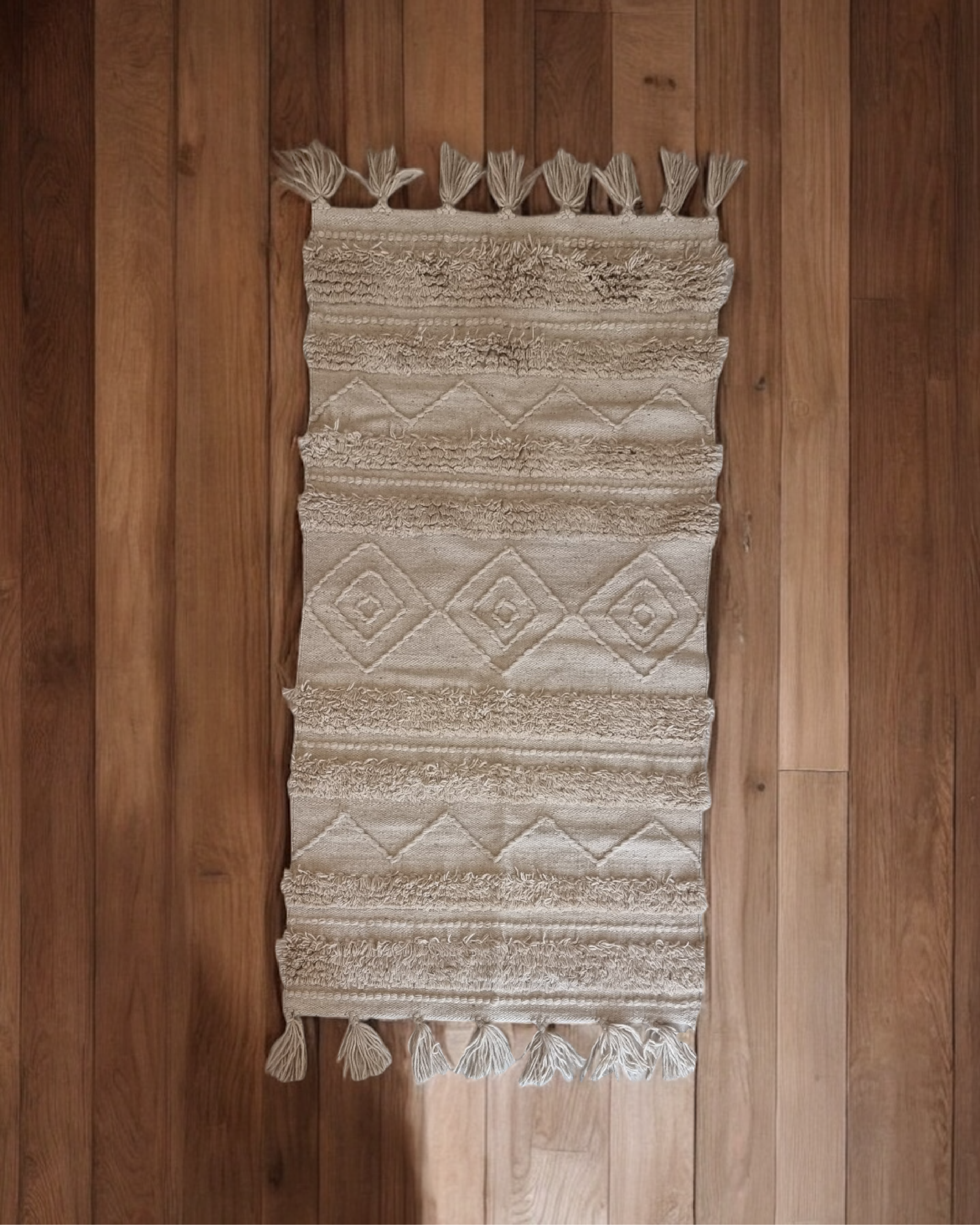
A small rug beneath the prayer mat marks the corner as a special place and adds softness on cold tile and marble floors, which matters in Egyptian winters. Choose a calm, simple design. Flat-woven kilims are practical because they are easy to shake out and keep clean. The Handmade Kilim Rug in Off-White with Lined Pattern has a quiet, understated look that suits a peaceful corner.
Seating for Dhikr and Reading
After prayer, many people like to sit for dhikr, reading Quran or simply reflecting. A comfortable floor cushion makes this easier, especially for older family members. The Bohemian Round Floor Cushion is designed for meditation and floor sitting, and can be tucked to the side when not in use. For those who find floor sitting difficult, a low pouf provides support without taking much space. The Handmade Halfa Pouf with Wooden Leg is a natural, sturdy option.
Light That Calms
Lighting sets the mood of any space, and in a prayer corner it should be gentle and warm.
- Daylight is ideal for daytime prayers, so keep windows uncovered or use light, sheer curtains.
- For Fajr and Isha, avoid bright overhead lights. A soft lamp creates a calmer feel.
- Warm-white bulbs feel more peaceful than cool daylight bulbs.
- Avoid flickering or very bright decorative lights that might distract.
A small table lamp with a soft shade on a nearby shelf or side table is perfect. The Handcrafted Wooden Table Lamp with Botanical Design gives a warm, natural glow without overpowering the space.
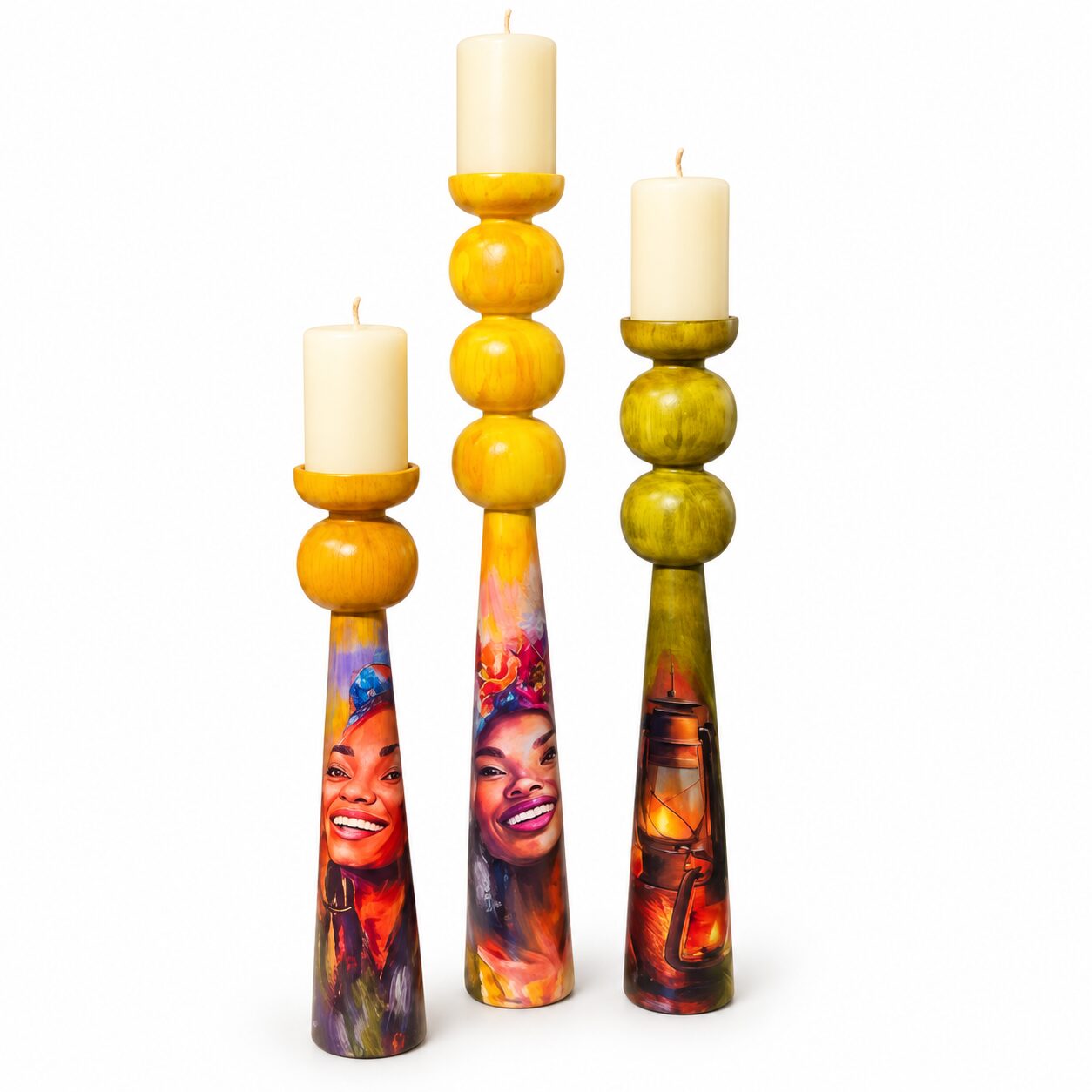
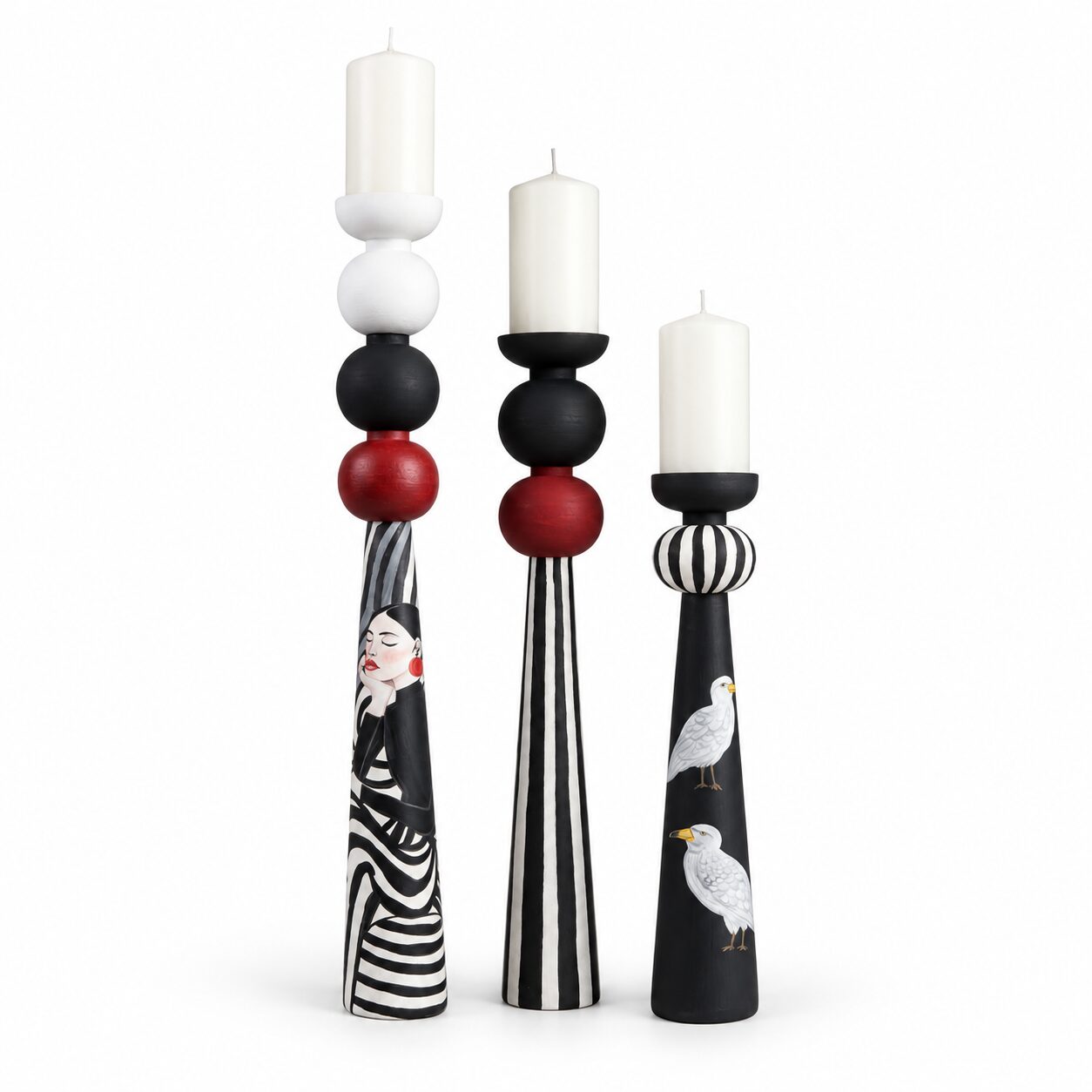
During Ramadan, many families add a lantern near the prayer corner. If you use candles, place them in stable holders well away from the prayer mat, curtains and children, and never leave them unattended.
Walls: Keep It Simple
The wall in front of a prayer space is best kept calm and uncluttered to avoid distraction. Many people prefer a plain wall, or one with simple geometric patterns or calligraphy placed to the side rather than directly in front.
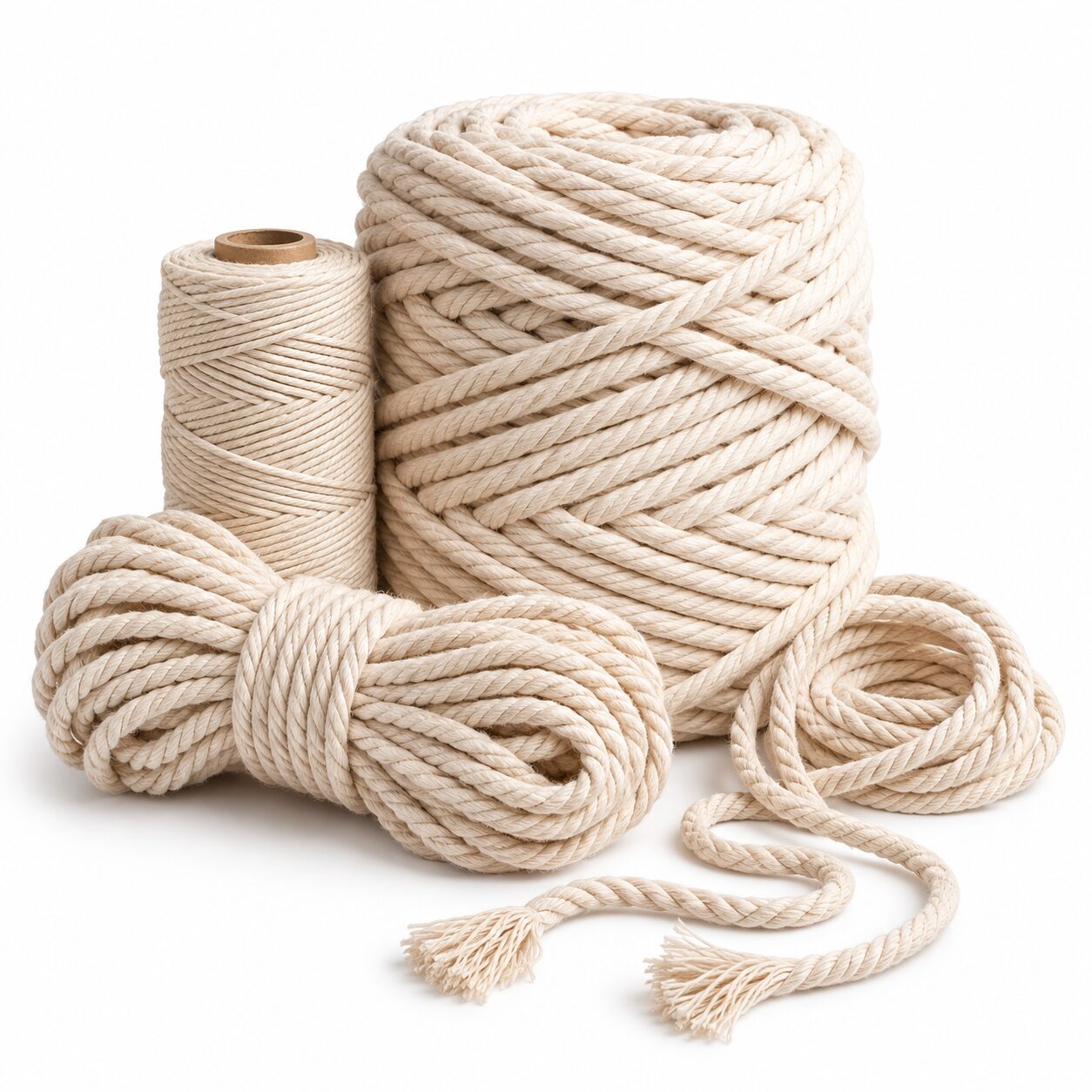
Soft textures can add warmth without visual noise. A neutral textile piece on a side wall, like the Serene Ivory Luxury Macrame Wall Hanging, brings softness in a calm, single tone.
A few guidelines for the walls:
- Keep the wall in front of you clear or very simple.
- Choose neutral, soft colours: ivory, sand, soft green or pale blue.
- Avoid busy patterns and bright colours directly in your line of sight.
- Hang any decorative pieces at the sides of the corner.
Storage for Prayer Essentials
A prayer corner stays calm only when everything has a place. Plan storage for:
- Prayer mats for each family member
- Prayer clothes such as isdal or galabeyas
- A Quran and other books
- A misbaha
- A small compass or qibla indicator
- Tissues and a small bottle of perfume or oud
Baskets and Shelves
A lidded basket keeps folded mats and prayer clothes clean and dust-free. The Jute Storage Basket with Wooden Lid is tall enough for rolled mats and folded isdals, and its natural material suits a peaceful corner.
For books, a small wall shelf at a comfortable height keeps the Quran elevated and within easy reach. The Macrame Wall Hanging Shelf combines soft texture with wooden shelves for a Quran, a misbaha and a small plant.
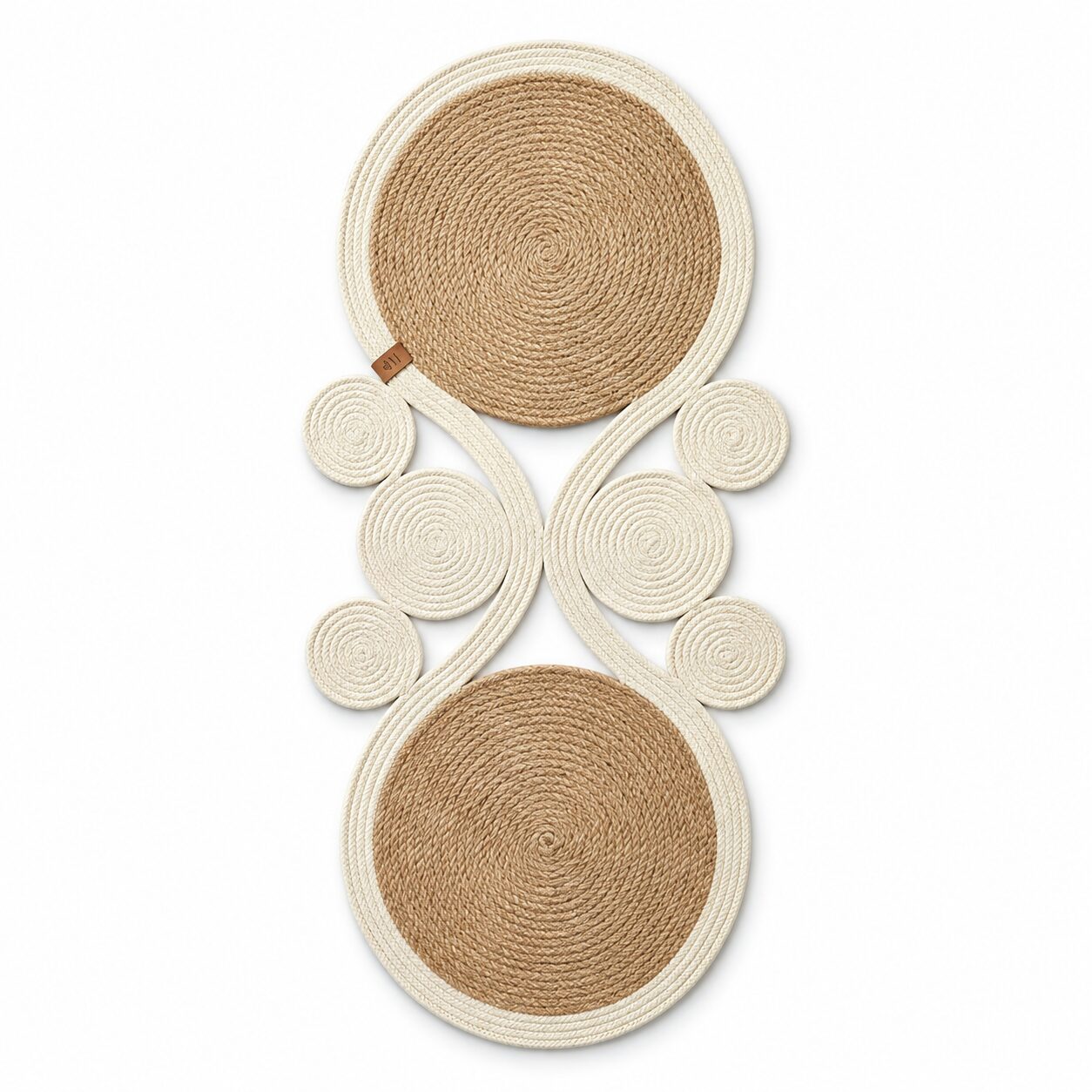
A simple tray on a side table can hold the misbaha, a small perfume bottle and a box of tissues in one tidy place.
Natural Touches That Bring Peace
Natural materials and a touch of greenery help a space feel serene.
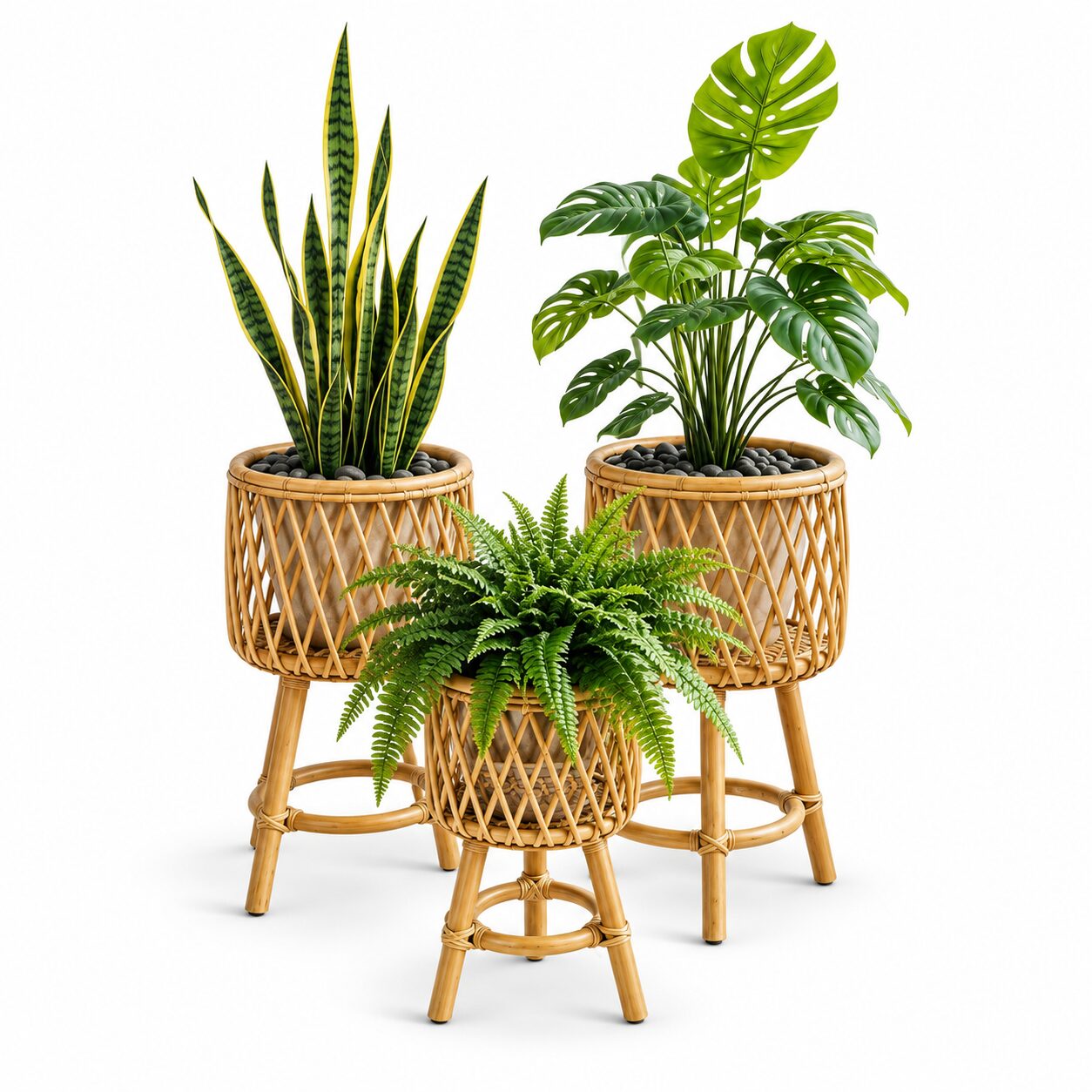
- Plants: a small plant or a few artificial olive branches in a vase bring life to the corner. Olive branches carry a meaningful connection for many families.
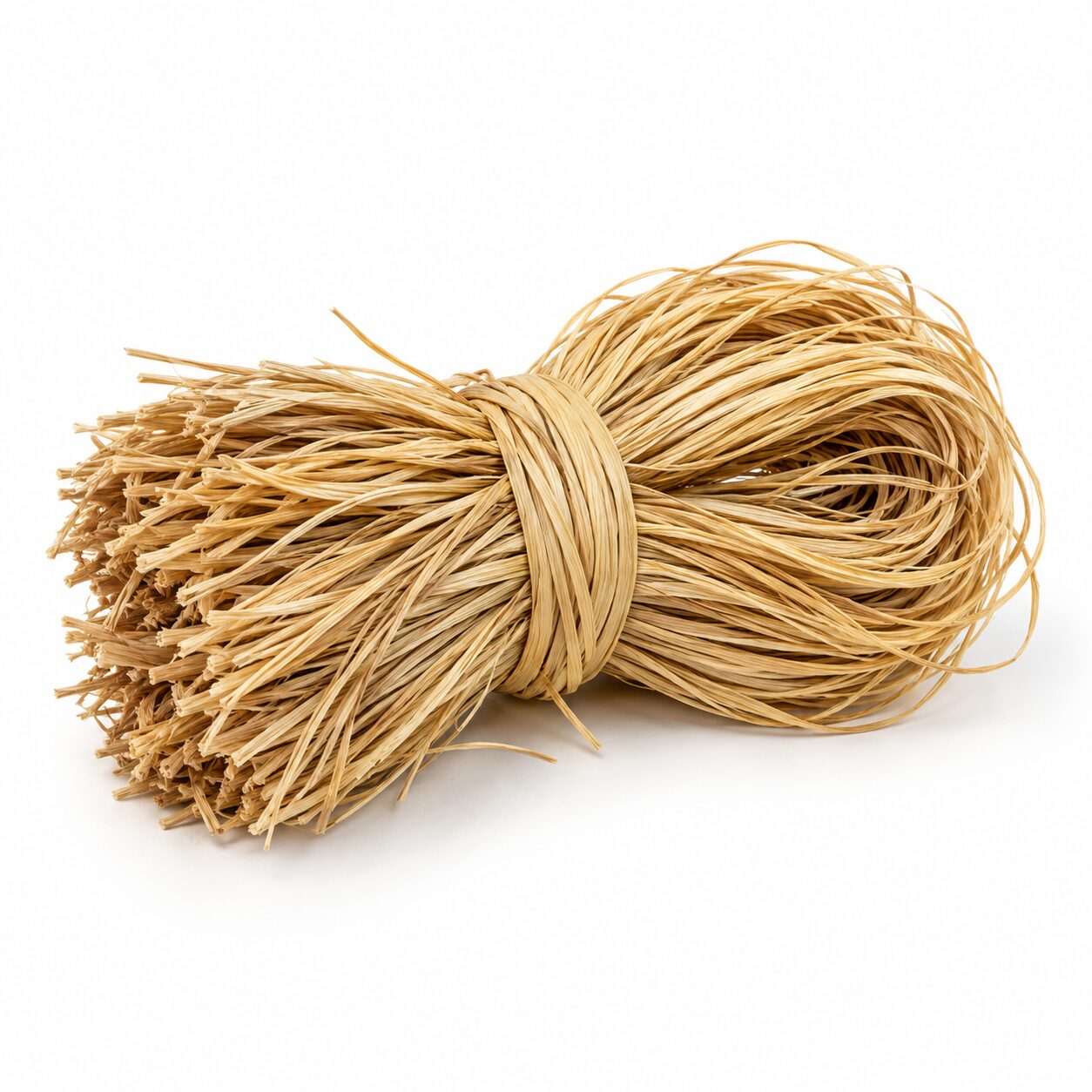
- Natural fibres: jute, halfa and cotton feel warm and calm.
- Scent: a light, pleasant fragrance such as oud, musk or rose makes the space welcoming.
- Quiet: if possible, keep the corner away from noisy appliances.
Keep the palette restrained. Two or three soft, natural colours repeated across the rug, cushion and basket will make the corner feel unified and restful. The aim is not to decorate for guests, but to create a space where the eye settles easily and the mind can follow.
Preparing the Corner for Ramadan
Ramadan is a wonderful time to refresh the prayer corner, as Taraweeh, Qiyam and extra reading bring family members to it more often.
- Wash all prayer mats and clothes before the month begins.
- Add an extra floor cushion for longer reading sessions.
- Place a Ramadan lantern nearby for a gentle glow at night.
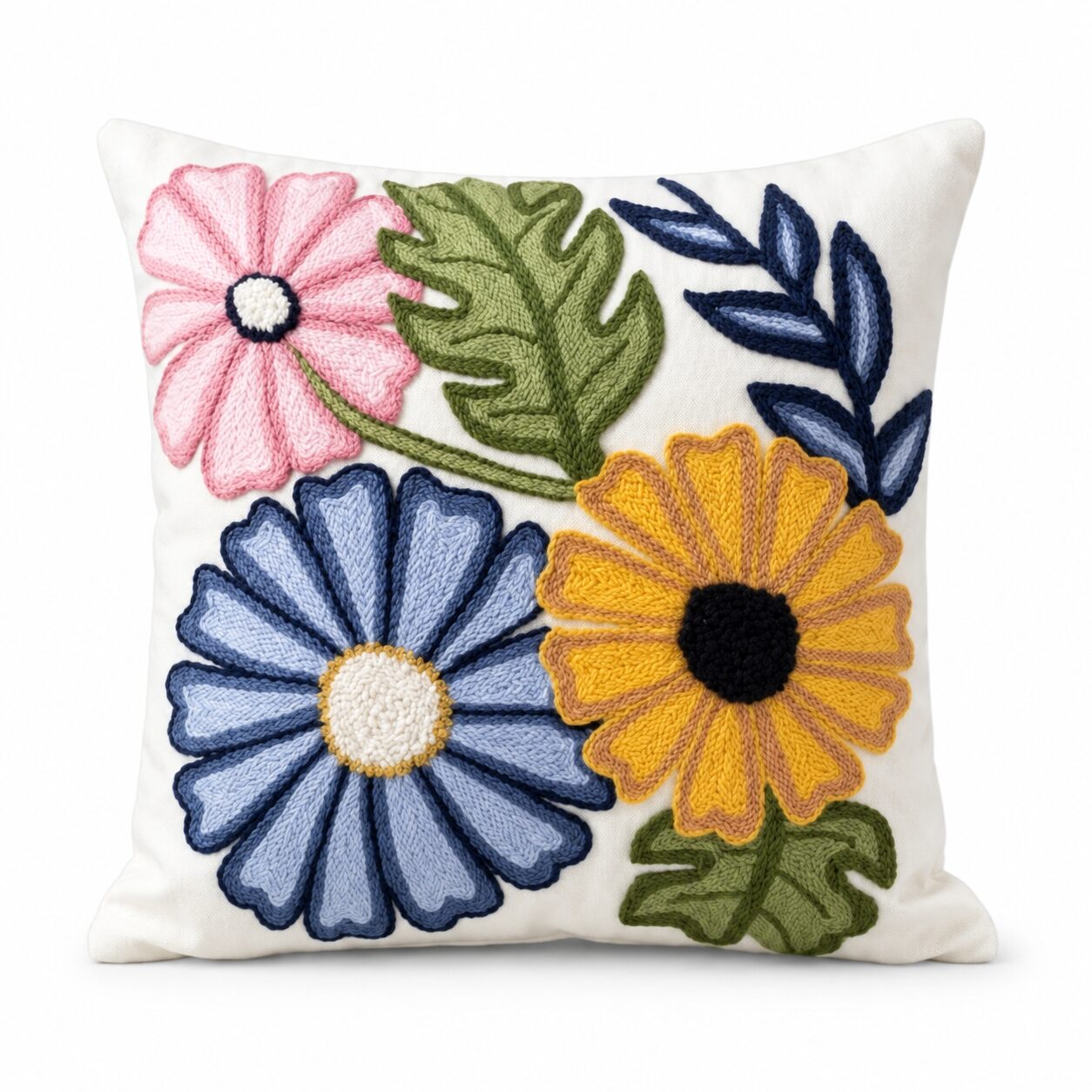
- Add a cushion with a crescent or lantern motif to mark the season, such as the Ramadan Kareem Punch Needle Cushion.
- Keep a small basket of extra mats ready for guests who join for prayer.
Involving Children
Children are more likely to pray regularly when they feel the corner belongs to them too.
- Give each child their own small prayer mat.
- Keep a child-sized cushion in the corner.
- Let them help choose one decorative element.
- Store their mats where they can reach them easily.
Prayer Corners in Small Apartments
In a small flat, a permanent corner may not be possible. A flexible approach works just as well. Choose a spot that can be cleared quickly, such as the space between the sofa and the window, and keep everything needed in one lidded basket nearby. At prayer time, the rug and mat come out in seconds; afterwards, they fold away and the basket returns to its place. A small shelf on the wall above with the Quran and misbaha marks the spot permanently, even when the floor is in use for other things. What matters most is consistency, so the same place becomes associated with calm and focus.
Common Mistakes to Avoid
- Choosing a busy spot. Heavy foot traffic and noise break concentration.
- Clutter around the corner. A prayer space should feel clean and open.
- Bright, harsh lighting. It makes early morning and night prayers less peaceful.
- Busy patterns in front. Keep your line of sight calm.
- No storage. Mats and clothes left out get dusty and lose their special feel.
- Forgetting comfort. Older family members may need cushions or a low seat.
Quick Checklist
- Qibla direction confirmed
- Quiet spot away from main traffic
- Clean, defined floor with a soft rug
- A floor cushion or low seat for sitting
- Warm, gentle lighting
- A calm, uncluttered wall in front
- Lidded storage for mats and prayer clothes
- A shelf for the Quran and misbaha
- A natural touch: a plant, olive branches or a light fragrance
A Space for Stillness
A prayer corner is a small space with a deep purpose. With thoughtful placement, soft flooring, gentle light and simple storage, it becomes a place of calm the whole family can return to, five times a day and throughout Ramadan.
Explore handmade rugs, floor cushions, baskets and soft lighting at coccarohome.com to create your own peaceful corner.
Shop the Look
- Kilim Rug in Off-White with Lined Pattern — EGP 2,344 — A calm, understated rug to define the corner.
- Bohemian Round Floor Cushion — EGP 1,200 — Comfortable floor seating for dhikr and reading.
- Handmade Halfa Pouf with Wooden Leg — EGP 1,944 — A supportive low seat for older family members.
- Wooden Table Lamp with Botanical Design — EGP 3,300 — Soft, warm light for Fajr and Isha.
- Serene Ivory Macrame Wall Hanging — EGP 2,340 — Gentle texture in a single calm tone.
- Jute Storage Basket with Wooden Lid — EGP 1,188 — Keeps prayer mats and clothes clean and tidy.
- Macrame Wall Hanging Shelf — EGP 1,728 — An elevated home for the Quran and misbaha.
- Artificial Olive Branch — EGP 519 — A meaningful natural touch in a small vase.
- Ramadan Kareem Punch Needle Cushion — EGP 1,400 — Marks the season in the prayer corner.
- Halfa Round Tray — EGP 324 — Holds the misbaha, tissues and perfume in one place.