A potter in Fustat pulls a vase from the kiln and notices the glaze has pooled a little more on one side. A factory would reject it. In the Japanese philosophy of wabi-sabi, that pool of glaze is the most beautiful part of the piece, the place where you can see the fire, the clay and the human hand at work.
Wabi-sabi is an old idea with a quiet message for modern homes: beauty lives in the imperfect, the impermanent and the incomplete. In a world of identical mass-produced objects, it asks us to slow down and value things that show their making and their age. This guide explains the philosophy in plain terms and shows how to bring it into an Egyptian home through handmade pottery, raw wood, woven grasses and natural linen.
Understanding Wabi-Sabi
The term combines two Japanese words. Wabi originally described the loneliness of living simply in nature, and came to mean a refined, humble simplicity. Sabi refers to the beauty that comes with age: the patina on old wood, the softened edge of a well-used bowl, moss on a stone.
Together, they describe an aesthetic built on three truths:
- Nothing lasts. Objects age, fade and wear, and that process has its own beauty.
- Nothing is finished. A home is always evolving, never complete.
- Nothing is perfect. Asymmetry, roughness and irregularity are signs of life.
In decorating terms, wabi-sabi favours natural materials, muted earthy colours, handmade objects and a calm, uncluttered atmosphere. It is close to minimalism, but warmer and more forgiving. A minimalist room can feel like a gallery; a wabi-sabi room feels like someone lives there and loves it.
Why Egyptians Already Understand It
You may not have heard the word before, but the feeling is familiar. Think of a clay olla darkened by years of cool water, a copper pot polished by generations of hands, or a carved wooden door in Old Cairo with its edges softened by time. Egypt has always lived with handmade, ageing beauty.
Our crafts fit wabi-sabi naturally. Pottery from villages like Tunis in Fayoum, baskets woven from halfa grass, hand-braided jute and cotton, and carved local woods all carry the small irregularities the philosophy celebrates. Choosing them is not only a design decision; it supports the artisans who keep these skills alive.
The Wabi-Sabi Palette
Colour in a wabi-sabi home comes from nature, never from a paint chart’s brightest page.
Earth and Stone
Clay, terracotta, sand, stone grey, warm taupe, charcoal and the deep brown of old wood. These are the main tones.
Soft Whites
Not bright white, but chalky, creamy and slightly uneven whites, like plaster or unbleached cotton.
Muted Greens
The grey-green of olive leaves or dried eucalyptus, used in small amounts.
Avoid saturated colours and anything that looks synthetic or glossy. Limewash or matte paint suits walls far better than satin finishes, because it catches light softly and shows gentle variation.
Handmade Pottery: The Heart of the Look
If you add only one thing to embrace wabi-sabi, make it a piece of handmade pottery. Clay carries the marks of its making better than any other material.
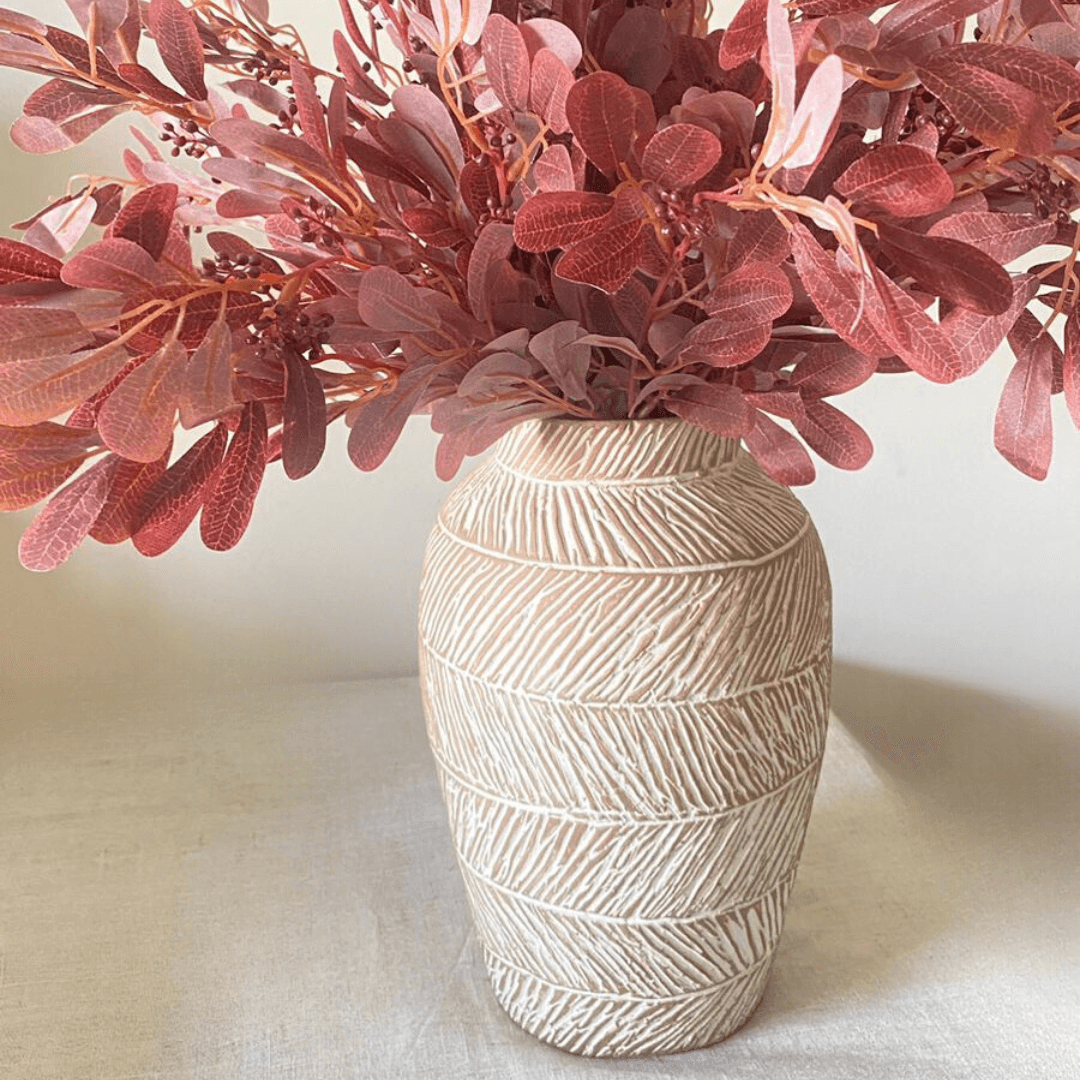
The Artisan Handmade Pottery Vase has exactly the earthy, hand-shaped quality the philosophy loves. Place it alone on a low table or shelf, with a single dried branch or nothing at all, and let its shape be the decoration.
Look for these qualities when choosing pottery:
- Visible texture, such as throwing lines, fingerprints or a slightly rough surface
- Uneven glazes that pool, drip or vary in colour
- Matte or satin finishes rather than high gloss
- Organic shapes that are not perfectly symmetrical
The Textured Vase with Ring Handles brings a sculptural, rustic surface that rewards a closer look. For everyday ritual, a Stone Matte Ceramic Mug turns morning coffee into a small moment of appreciation; the soft, stone-like finish feels good in the hands.
Group, Do Not Line Up
When displaying several pieces, group them in a loose cluster of different heights rather than lining them up evenly. Leave space around the group. One cluster per surface is plenty.
Raw Wood and Natural Edges
Wood in a wabi-sabi home keeps its character. Look for live edges, visible grain, knots and slight cracks rather than perfectly sanded, varnished surfaces.
A Raw Edge Wooden Serving Board shows the natural outline of the tree. Use it for bread and cheese, then lean it against the kitchen wall as a quiet piece of art. Over time, knife marks and oil will deepen its beauty rather than spoil it.
For the coffee table, the Live Edge Three-Compartment Tray is both practical and sculptural, ideal for nuts and dried fruit when guests visit. A wood slice tray, showing the rings of the tree, makes another beautiful base for a candle and a small stone or two.
Carved wooden pieces carry the maker’s hand clearly. The Sinai Mountains Engraved Wooden Plate, carved from natural wood, connects the wabi-sabi idea of nature with a distinctly Egyptian landscape.
Woven Grasses and Natural Fibres
Textiles in a wabi-sabi home are slightly rough, relaxed and natural. Linen that creases, jute that frays a little at the edges, halfa woven by hand with small variations in every row.
On the Table
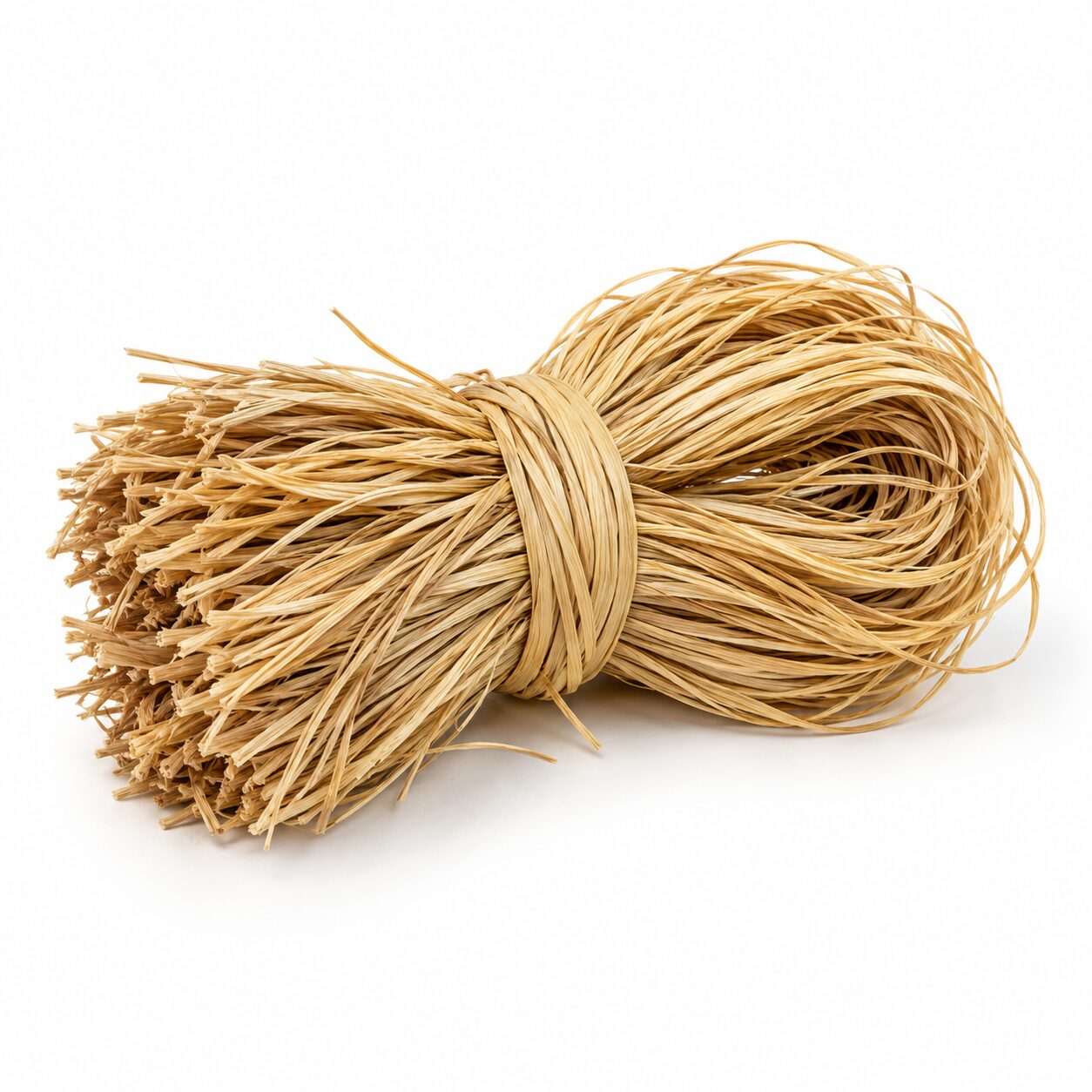
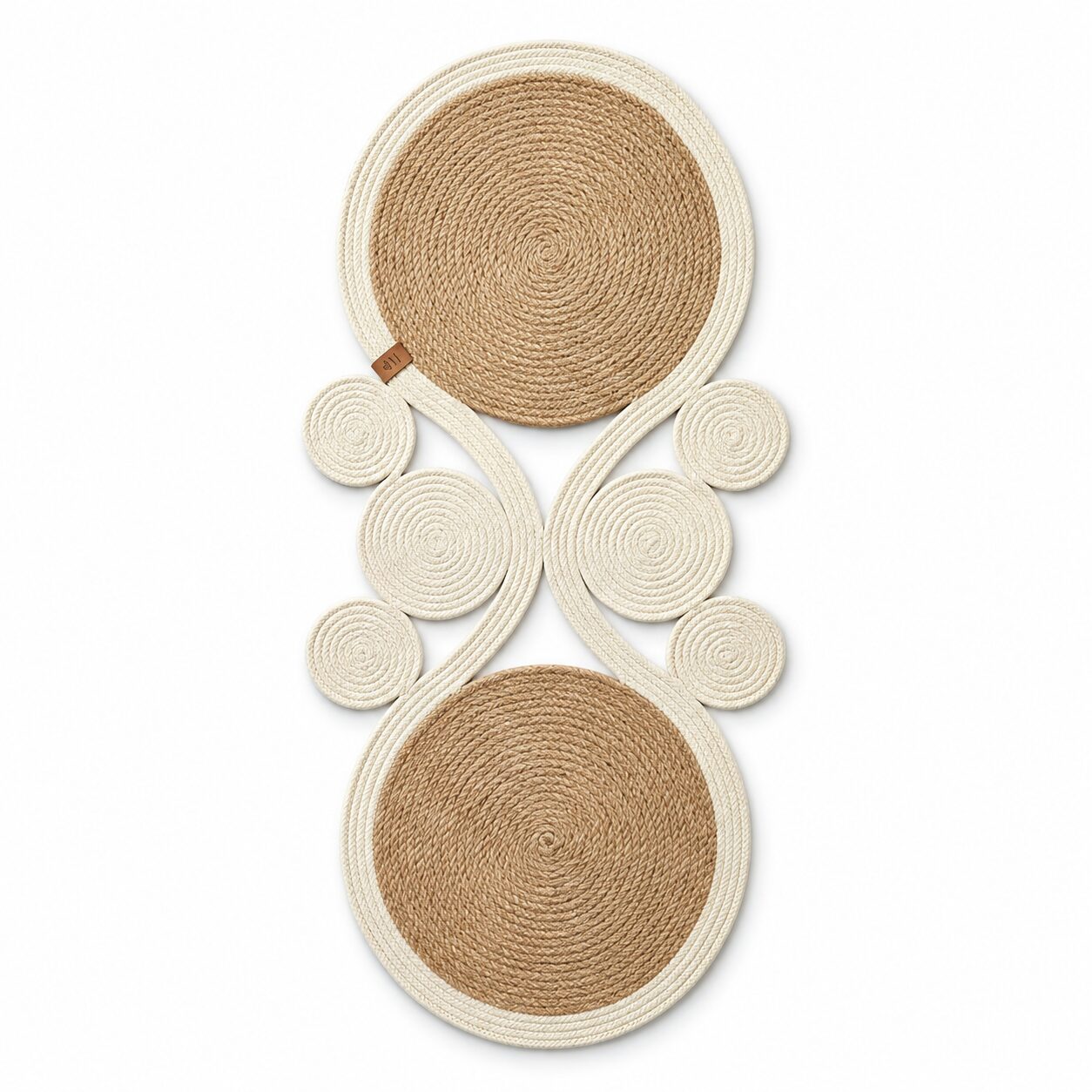
Replace polished tablecloths with natural runners. The Crochet Burlap Table Runner is handmade from natural burlap and has the humble, textured feel the philosophy prizes. A Natural Raffia Runner with fringe is another lovely option, especially in summer.
Around the Room
- A halfa tray on an ottoman or bedside table
- A halfa vase holding dried grasses
- Jute placemats for everyday meals
- Linen cushion covers that are allowed to wrinkle
The Halfa Round Tray is a small, inexpensive way to bring Egyptian handwork into any room, and no two are exactly alike.
Creating a Wabi-Sabi Atmosphere
Beyond objects, wabi-sabi is about how a room feels.
Light
Soft, natural light is ideal. Let daylight in through sheer linen curtains. In the evening, use low, warm lamps and candles rather than bright overhead lights. Shadows are part of the beauty; not every corner needs to be lit.
Space
Empty space allows the eye to rest on what matters. Leave parts of walls bare and shelves partly empty. If a room feels busy, remove things until it feels calm, then perhaps remove one more.
Nature
Bring in natural elements that change over time: dried branches, seed pods, stones from a beach walk, a bowl of seasonal fruit. Let dried flowers fade slowly instead of replacing them the moment they lose colour.
Patina and Repair
Wabi-sabi has a beautiful related practice called kintsugi, where broken pottery is repaired with gold, making the crack a feature. You need not go that far, but the lesson is useful: a chipped bowl or a worn wooden chair does not have to be thrown away. Its history is part of its value.
How to Choose Imperfect Pieces Well
Embracing imperfection does not mean buying anything rough and calling it wabi-sabi. A few questions help you choose pieces that will age gracefully and stay meaningful.
- Is it made from a natural material? Clay, wood, stone, cotton, linen, jute and grasses age beautifully. Plastics and laminates simply wear out.
- Can you see the hand of the maker? Small variations in shape, weave or glaze are the signature you are looking for.
- Will you use it? The philosophy values everyday objects. A bowl you eat from daily earns more patina and more affection than one locked in a cabinet.
- Does it feel good to touch? Wabi-sabi is a tactile style. Run your hand over a piece; texture should invite you, not scratch you.
- Does it have a story? Knowing who made something, where, and how adds a layer of meaning that grows over time.
It also helps to buy slowly. Choose one piece, live with it for a few weeks, and notice how it changes the room. Often you will find that one good handmade vase does more than five decorative objects bought on impulse. Gifts and inherited pieces belong here too: a grandmother’s brass tray or a bowl from a trip to Aswan may be the most wabi-sabi objects you own.
Wabi-Sabi Room by Room
Living Room
Low, comfortable seating in linen or cotton, a wooden coffee table, a natural rug and one or two pottery pieces. Add a candle in a carved wooden bowl and a single branch in a vase.
Kitchen
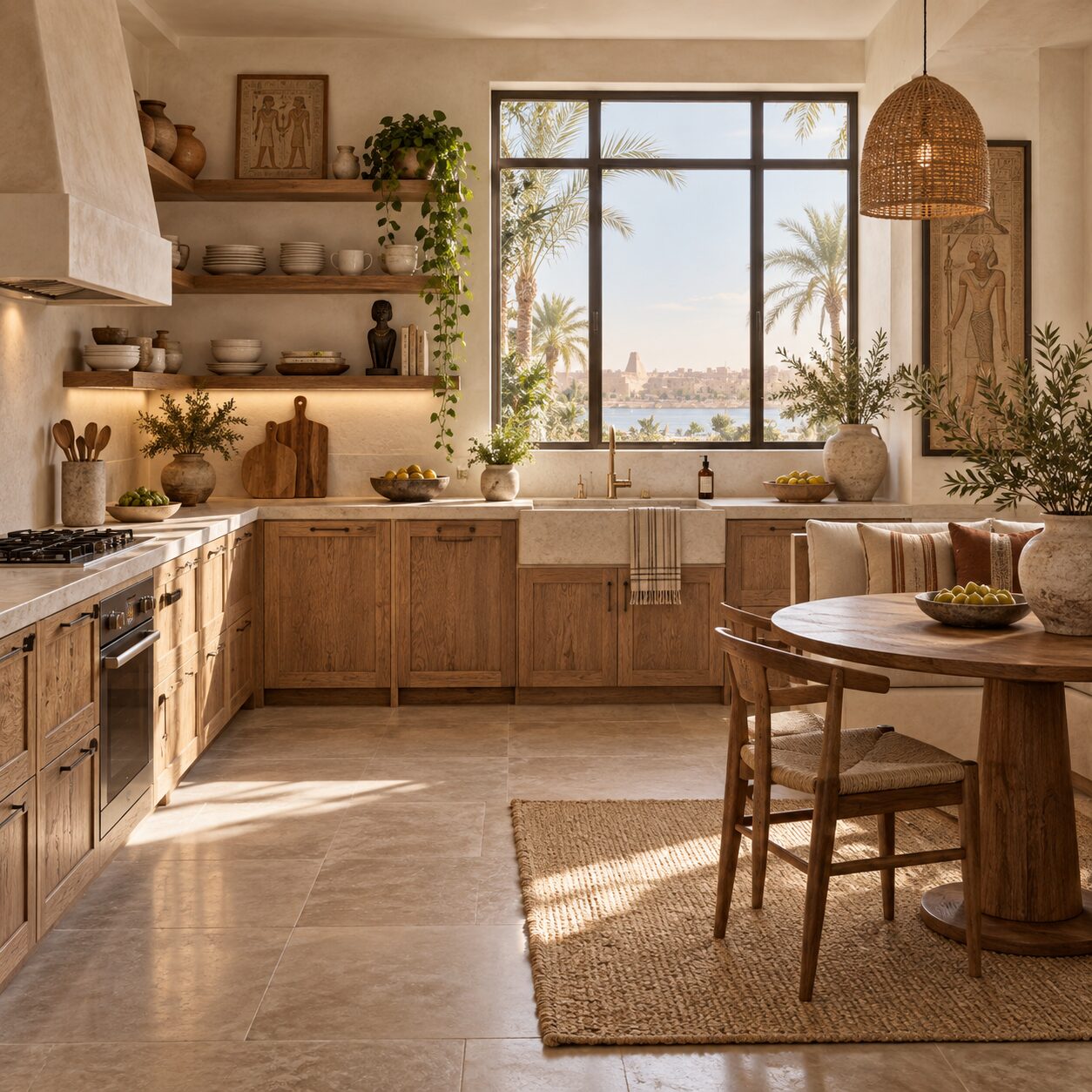
Open shelves with handmade bowls and mugs, a wooden board, a clay jug of utensils. Everyday items become the decoration.
Bedroom
Unbleached or stone-coloured linen bedding, a wooden bedside table, a ceramic dish for rings and a book. Nothing more.
Bathroom
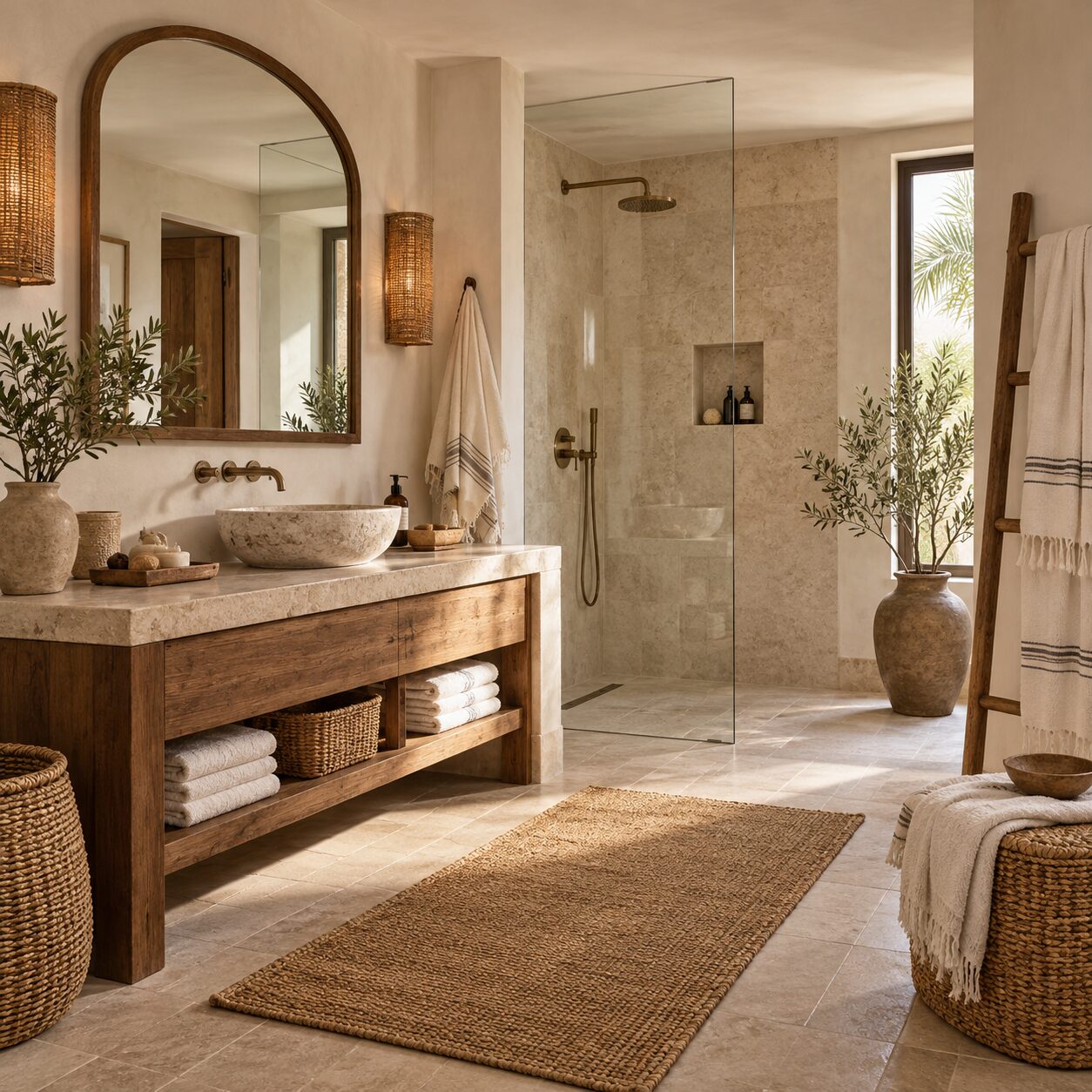
A stone or ceramic soap dish, cotton towels in natural tones, a small halfa basket and perhaps a plant. Bathrooms are wonderful places for wabi-sabi calm, because the routines there are already slow and repeated.
Common Mistakes to Avoid
- Faking age. Artificially distressed furniture rarely looks authentic. Real wabi-sabi comes from genuine materials and honest wear.
- Cluttering with “rustic” objects. A room full of baskets and pots is just busy. Restraint is essential.
- Choosing cold minimalism. Bare white walls and nothing else miss the warmth of the philosophy.
- Buying everything at once. Wabi-sabi homes are collected slowly, often with pieces that carry stories.
- Treating imperfection as an excuse for poor quality. Handmade does not mean badly made. Look for skilled craft with natural variation, not damage.
Quick Checklist
- An earthy palette of clay, stone, sand and soft white
- At least one handmade pottery piece in view
- Raw or live-edge wood with visible grain
- Natural fibres such as halfa, jute, burlap and linen
- Matte finishes rather than gloss
- Generous empty space on walls and surfaces
- Soft, warm light and candles in the evening
- Natural elements that change with the seasons
The Gift of Enough
Wabi-sabi is ultimately a gentle way of seeing. It asks us to notice the beauty that is already around us, to keep things we love for a long time, and to stop chasing a perfection that does not exist. A home decorated this way grows richer every year, as its objects collect memories and its surfaces collect stories.
Begin with one imperfect, handmade piece and give it the space it deserves. You will find handmade pottery, raw wood, halfa and natural fibre pieces made by Egyptian artisans at coccarohome.com.
Shop the Look
- Artisan Handmade Pottery Vase — EGP 1,296 — Hand-shaped clay that celebrates imperfect beauty.
- Textured Vase with Ring Handles — EGP 1,296 — A rustic, sculptural surface that rewards a closer look.
- Stone Matte Ceramic Mug — EGP 648 — A soft matte finish for slow morning rituals.
- Raw Edge Wooden Serving Board — EGP 1,000 — Keeps the natural outline of the tree.
- Live Edge Three-Compartment Tray — EGP 3,400 — Practical and sculptural for serving guests.
- Natural Wood Slice Tray — EGP 1,037 — Tree rings on show, a perfect base for a candle.
- Crochet Burlap Table Runner — EGP 1,296 — Humble, handmade texture for the dining table.
- Halfa Round Tray — EGP 324 — Egyptian handwork where no two pieces match.
- Sinai Mountains Engraved Wooden Plate — EGP 1,250 — Carved natural wood with an Egyptian landscape.
- Carved Acacia Bowl Candle — EGP 864 — Soft evening light in hand-carved wood.