You are browsing for a new mug. One is labelled ceramic, another pottery, a third stoneware. A vase nearby says terracotta. Are these different materials, or just different words for the same thing? The honest answer is: a bit of both.
The terms overlap, and shops and makers often use them loosely. Once you understand how they relate, though, you can choose pieces that suit their job, whether that is your morning coffee, a vase for fresh flowers or a planter for the balcony. Here is a clear, no-jargon guide.
The Big Umbrella: Ceramics
Ceramics is the broad family. It covers any object made from clay (or similar inorganic materials) shaped and then hardened by firing at high temperature. Mugs, vases, tiles, plates, planters and even some industrial parts are all ceramics.
So when a product is called “ceramic,” it tells you the family, but not which branch. That is where the other terms come in.
Pottery: The Craft and the Objects
Pottery usually refers to vessels and objects made from clay by a potter, whether thrown on a wheel, built by hand or cast in moulds. It is both a craft and a category of objects. In everyday speech, “pottery” often suggests something handmade, earthy and artisanal.
Egypt has one of the oldest pottery traditions on earth. From ancient Nile clay vessels to the workshops of Old Cairo and the potters of Fayoum’s Tunis village, clay has shaped Egyptian homes for thousands of years. The water jug that keeps drinking water cool in summer is a pottery piece many families still use.
Within pottery and ceramics, the main differences come down to the type of clay and the temperature at which it is fired. That gives us three main types.
Earthenware: Warm, Porous and Rustic
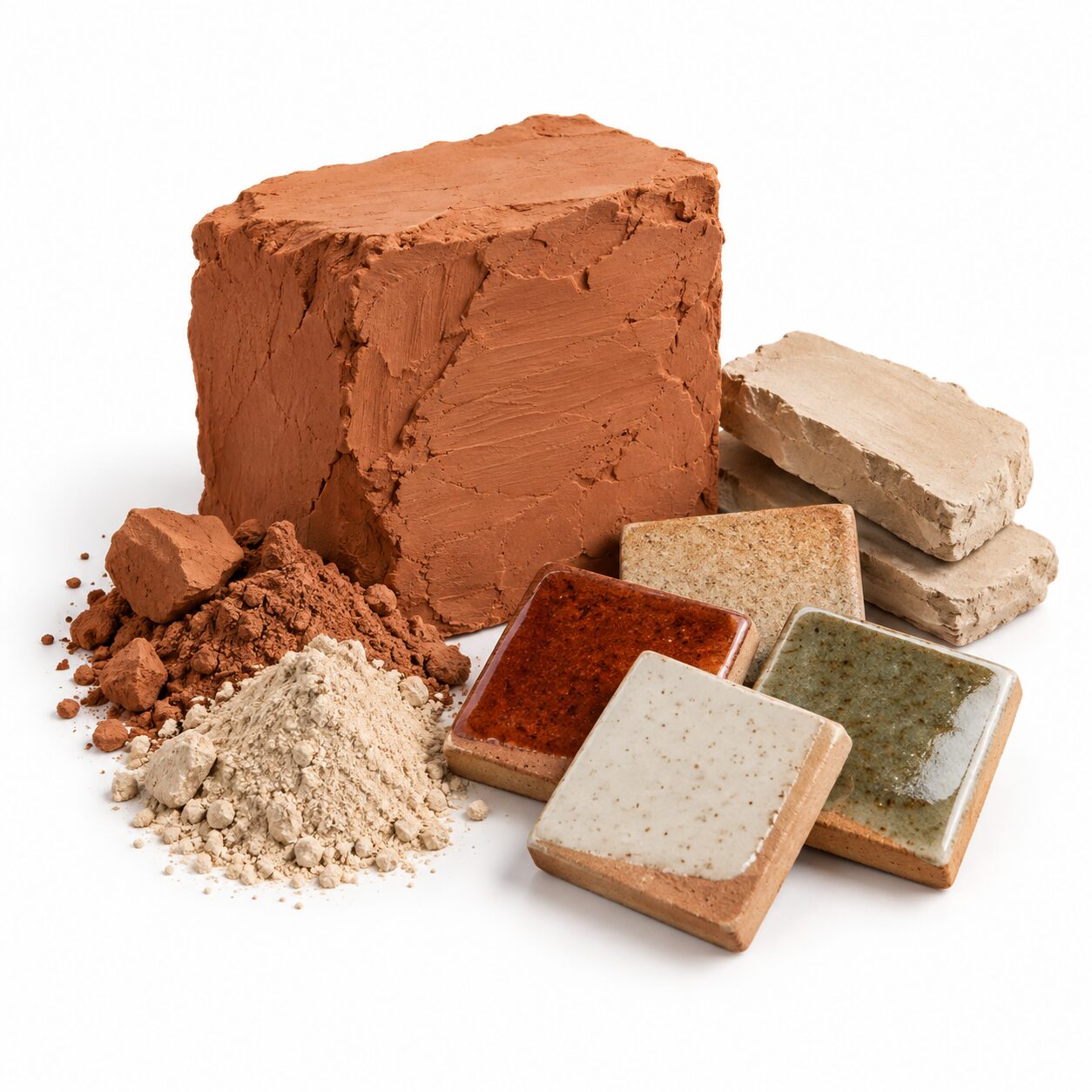
Earthenware is fired at the lowest temperatures of the three. The clay does not fully fuse, so the body remains porous: it can absorb water unless it is glazed.
- Look and feel: warm colours, often reddish-brown or orange; slightly thicker and lighter for its size.
- Strengths: affordable, beautiful earthy tones, easy to decorate with colourful glazes and paint.
- Weaknesses: chips more easily; unglazed areas absorb moisture.
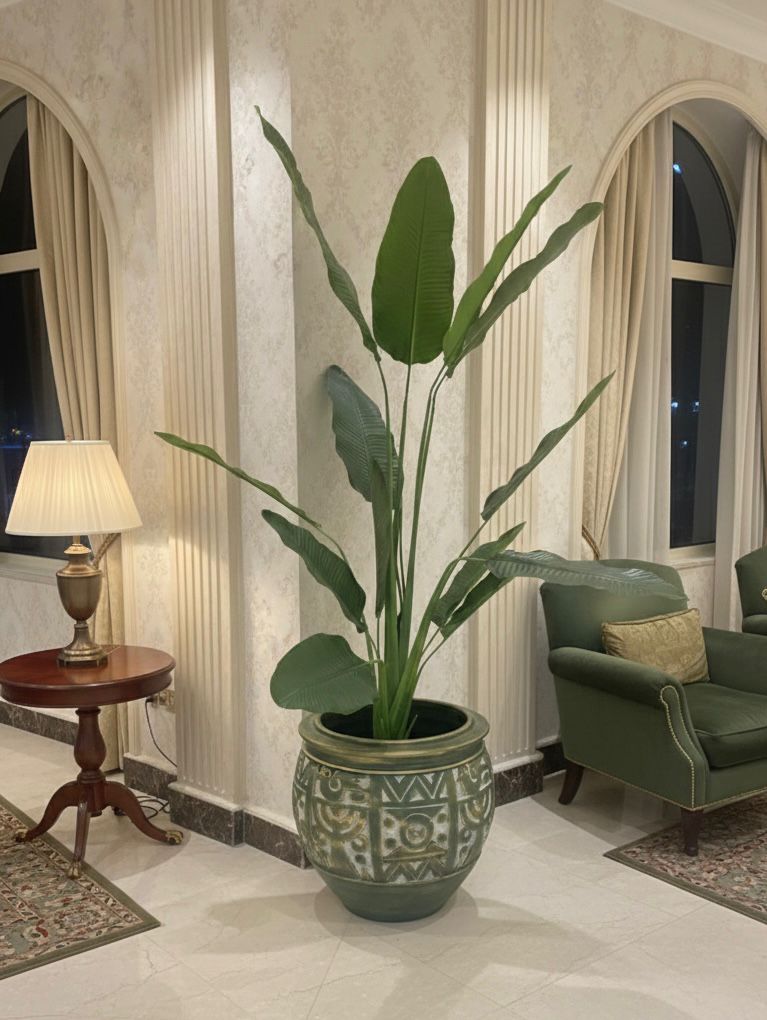
Terracotta is a well-known type of earthenware. Its name means “baked earth,” and its natural porosity is actually useful for plants because it lets soil breathe and excess moisture evaporate. A Large Olive Green Handcrafted Terracotta Planter shows how terracotta can be dressed up with colour for indoor or outdoor use.
Stoneware: The Everyday Workhorse
Stoneware is fired at higher temperatures. The clay partially vitrifies, meaning it becomes glass-like and dense. The result is strong, durable and naturally far less porous than earthenware.
- Look and feel: heavier, solid, often with a speckled or matte, natural-looking surface. Colours range from grey and cream to deep, earthy glazes.
- Strengths: durable, chip-resistant, holds heat well, ideal for daily use.
- Weaknesses: heavier, and handmade pieces vary slightly in size and glaze.
This is why stoneware is so popular for mugs and tableware. The Handcrafted Stoneware Blue Mug Set with Tray pairs two cups with a matching tray, ready for an afternoon coffee for two. The Stoneware White and Olive Mug Set offers a softer, nature-inspired palette.
Porcelain: Fine and Refined
Porcelain is fired at the highest temperatures from a fine, white clay. It becomes very dense, smooth and sometimes slightly translucent when thin.
- Look and feel: bright white, smooth, elegant, often thinner and lighter than stoneware.
- Strengths: non-porous, refined, ideal for formal dinner sets.
- Weaknesses: can be more expensive and, when very thin, more delicate.
A Simple Comparison
Think of the three as a scale.
- Earthenware: lowest firing, most porous, warmest and most rustic.
- Stoneware: higher firing, dense and durable, the everyday choice.
- Porcelain: highest firing, finest and most refined.
All three are ceramics, and all three can be called pottery when made as vessels by a potter.
What About Glaze?
Glaze is a thin glass-like coating melted onto the surface during firing. It does several jobs:
- Seals porous clay so it can hold liquids.
- Adds colour and finish, from glossy to matte, solid to speckled.
- Makes cleaning easier.
Many handmade pieces are partly glazed. You may see bare clay at the base or on the outside, which is a design choice that shows the raw material. Hand-painted ceramics, like the Hand-Painted Whirling Dervish Ceramic Mug, combine painting and glaze to tell a story on a functional piece.
Choosing the Right Type for the Job
Mugs and Cups
Stoneware is a great everyday choice because it is sturdy and holds heat. Hand-painted ceramic mugs add personality and make lovely gifts.
Vases
Any type works. Rustic earthenware suits dried flowers and branches. For fresh flowers, make sure the inside is glazed or use a glass liner. The Artisan Handmade Pottery Vase brings an artisanal feel to a console or dining table, while the Rustic Pottery Pitcher Vase adds farmhouse charm.
Planters
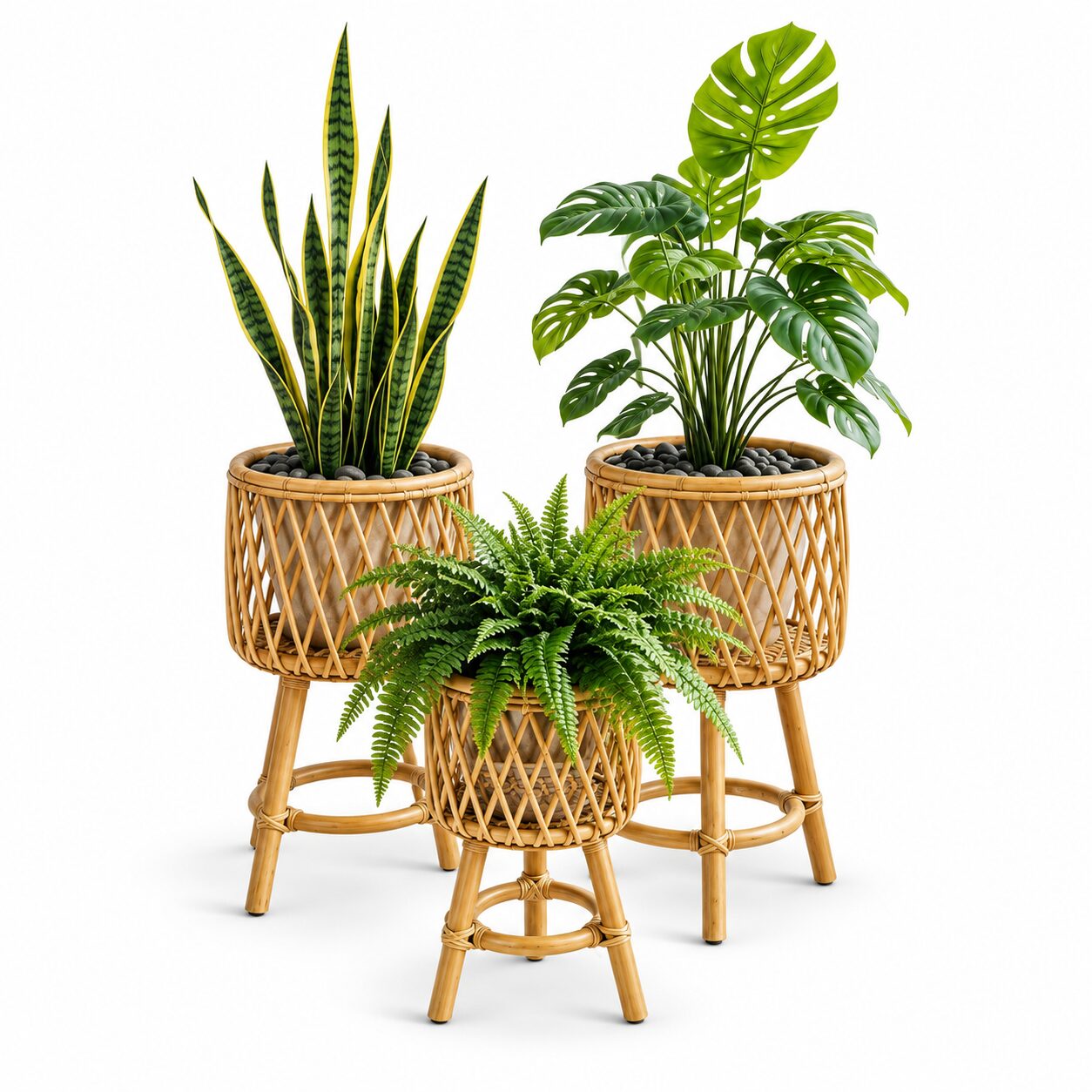
Terracotta is excellent for live plants because it breathes. Always use a saucer indoors to protect floors and furniture.
Serving Pieces
Glazed stoneware and ceramic trays are easy to clean and look beautiful on a hosting table. The Handcrafted Arabesque Ceramic Serving Tray brings geometric Islamic-inspired pattern to Ramadan and Eid gatherings.
Decorative and Lighting
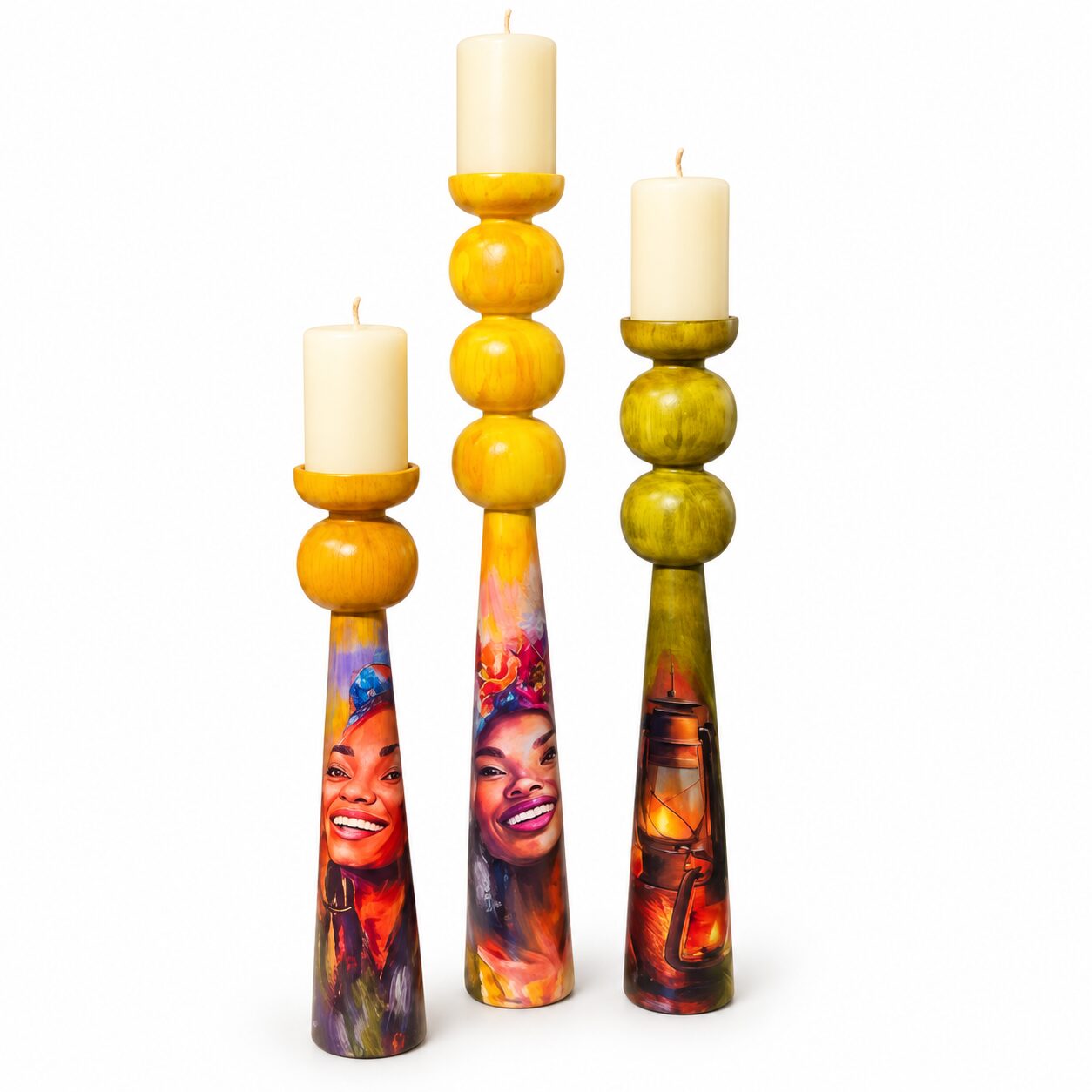
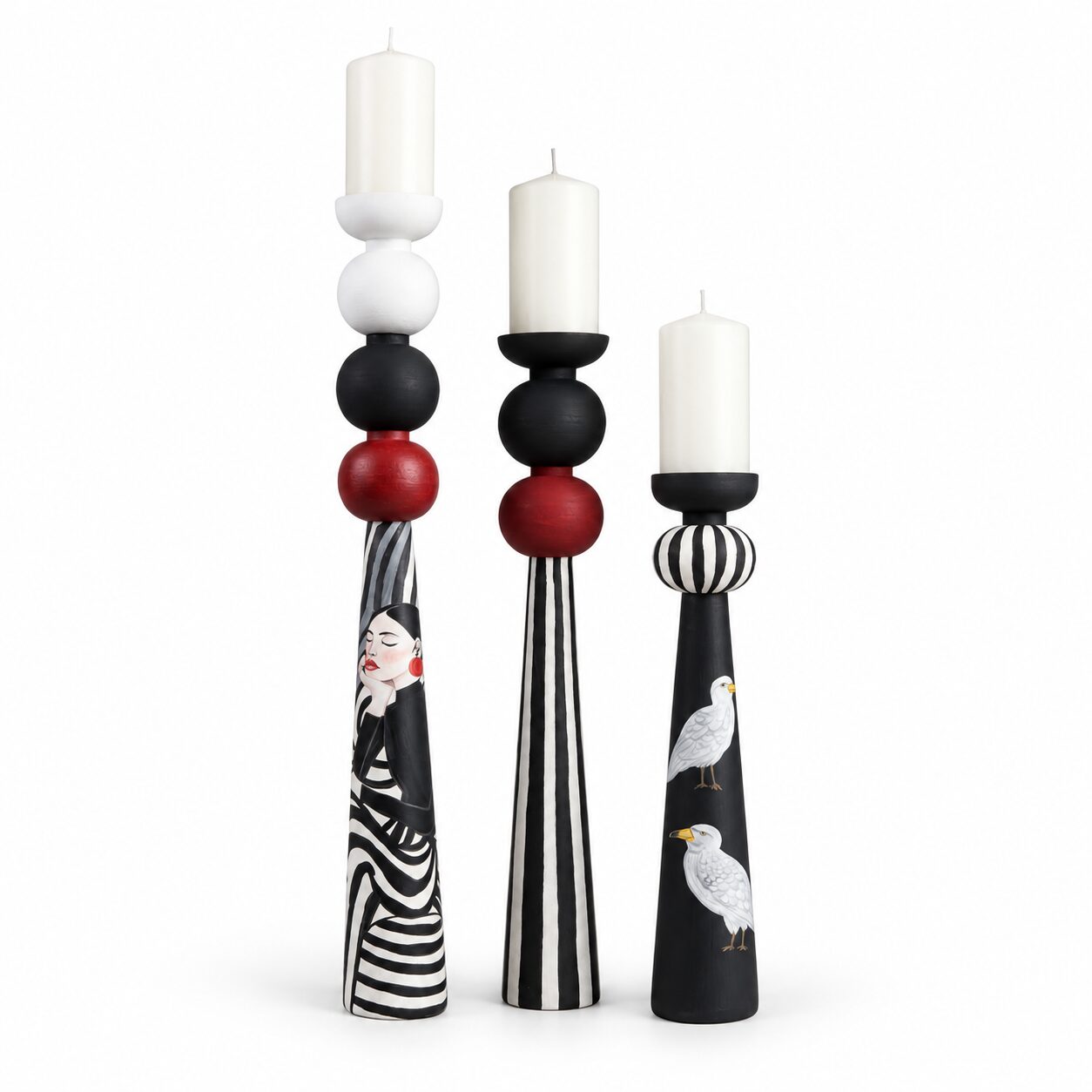
Pottery lamp bases and decorative pieces add weight and presence to a room. Hand-painted ceramics become small works of art on a shelf or side table.
Wheel-Thrown, Hand-Built or Moulded?
Beyond the type of clay, the way a piece is shaped also affects how it looks and feels.
Wheel-Thrown
The potter centres a lump of clay on a spinning wheel and draws it up with their hands into a cylinder, bowl or vase. Wheel-thrown pieces are usually round and symmetrical, with faint spiral lines on the inside where fingers pulled the clay upward. Mugs, bowls and many vases are made this way.
Hand-Built
Hand-building uses techniques such as pinching, coiling and joining slabs of clay. It allows irregular, organic and sculptural shapes that a wheel cannot produce. Hand-built pieces often carry visible fingerprints and gentle asymmetry, which many people love.
Slip-Cast and Moulded
Liquid clay, called slip, is poured into plaster moulds, which absorb water and leave a clay shell behind. This method produces consistent shapes and is widely used for tableware. Moulded pieces can still be hand-glazed or hand-painted, combining consistency with individual decoration.
Styling Ceramics Around the Home
- Group in odd numbers. Three vases of different heights look more natural than a matching pair.
- Mix finishes. Pair glossy glazes with matte stoneware and rough terracotta for depth.
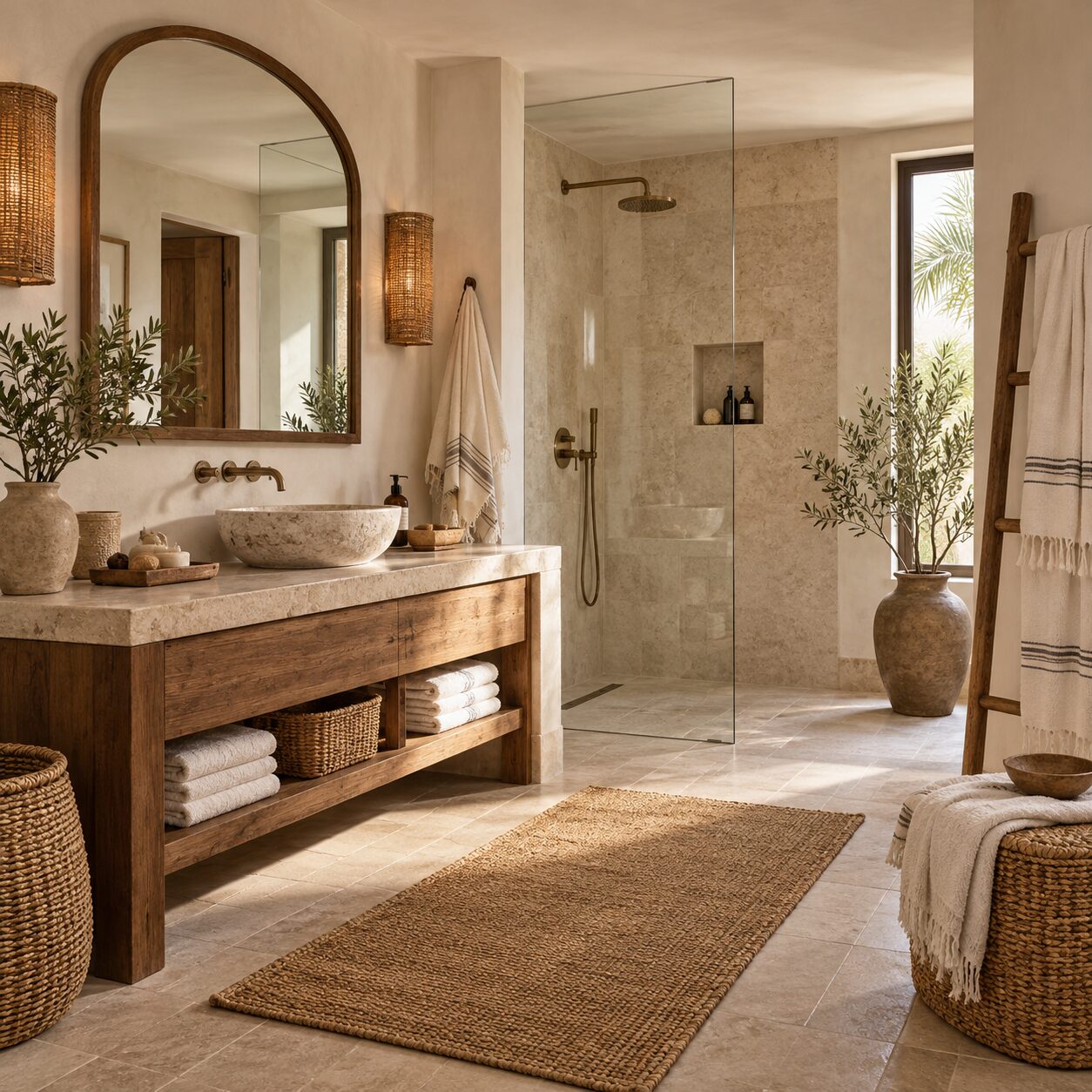
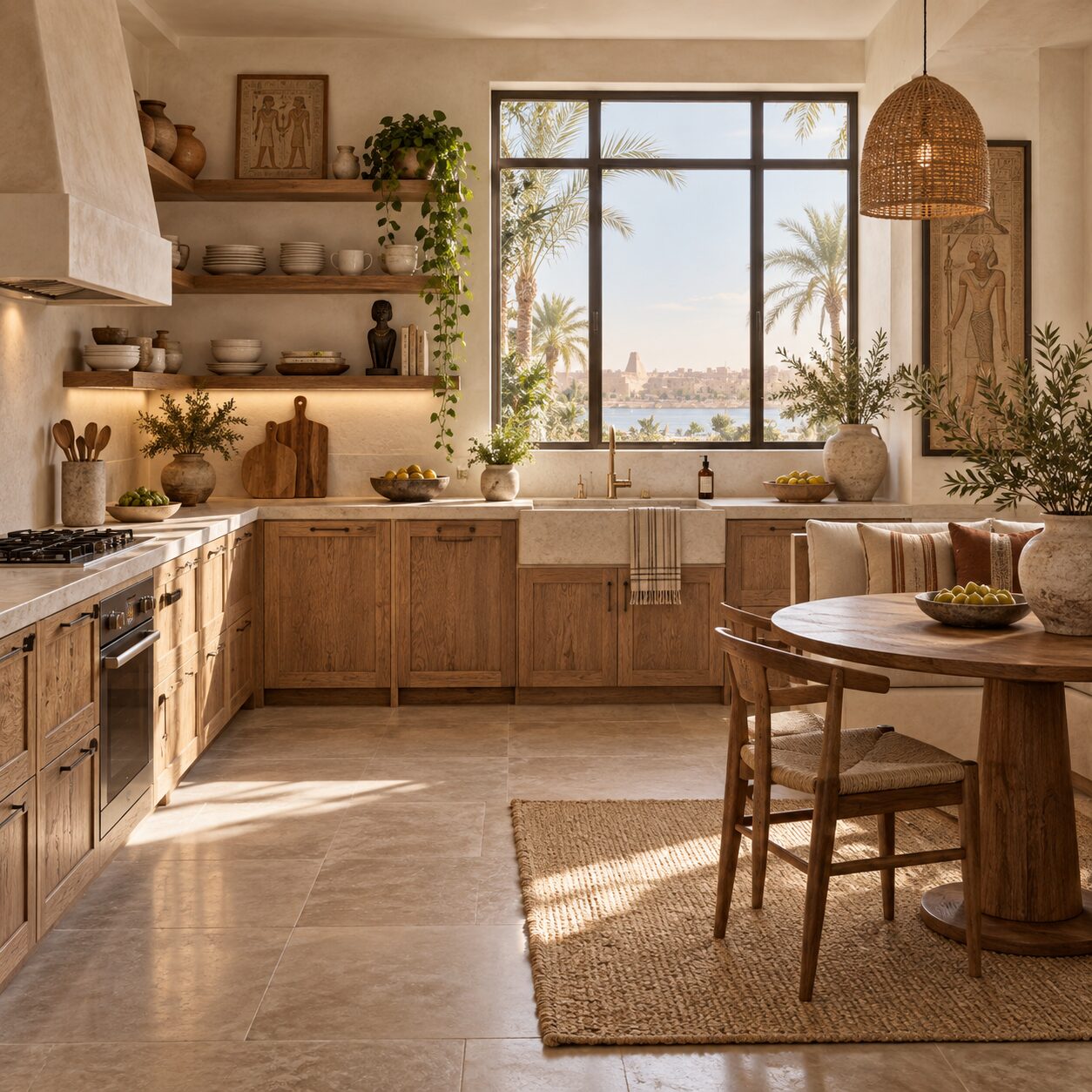
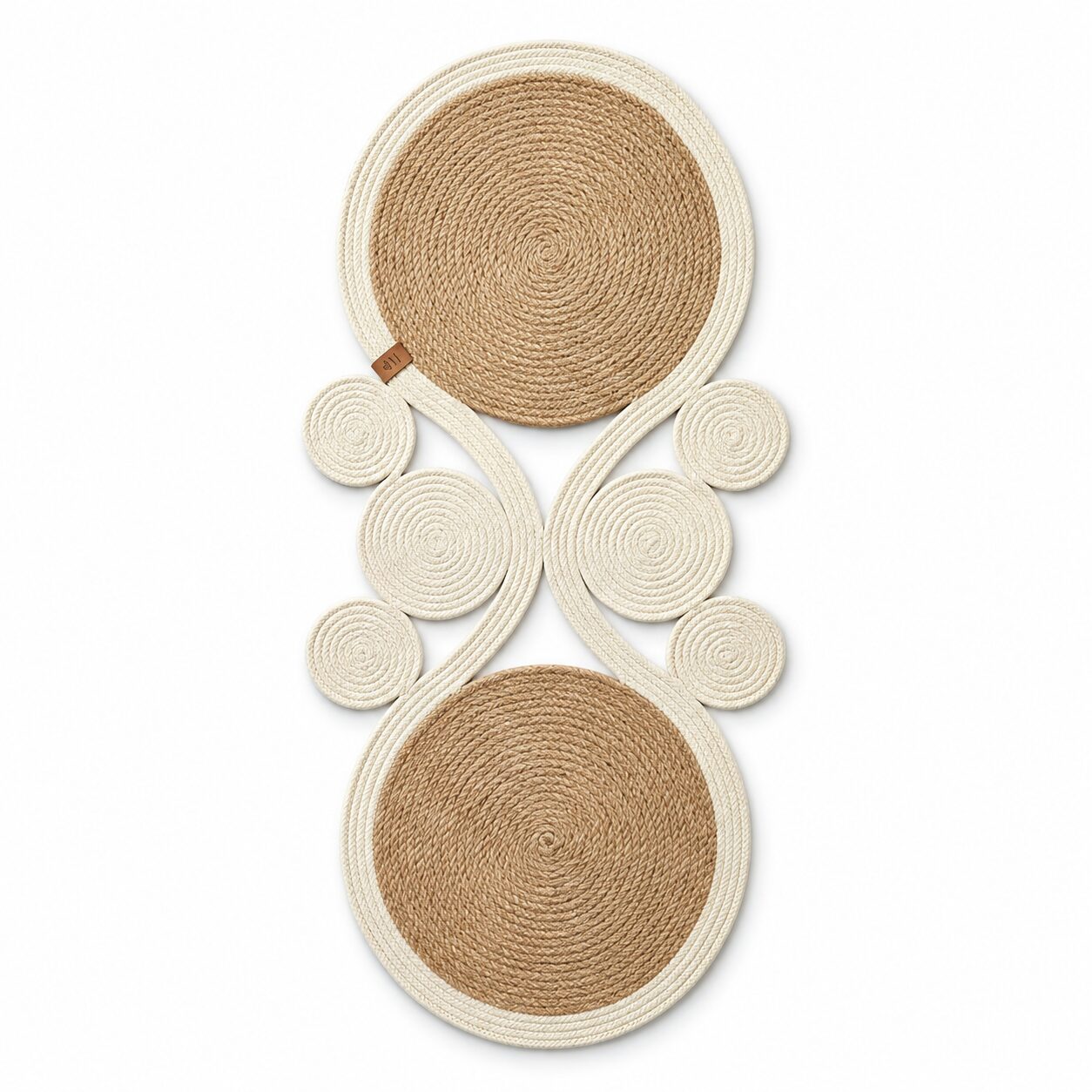
- Add natural textures. Ceramics look especially good on wooden trays, jute runners and halfa mats.
- Use colour as a link. Repeat a glaze colour in a cushion or artwork elsewhere in the room.
- Display everyday pieces. Open shelves with stoneware mugs and bowls make the kitchen feel lived-in and warm.
How to Recognise Quality in Handmade Ceramics
- Even glaze without bare patches where glaze should be, crawling or large bubbles.
- Smooth rims on cups and bowls, comfortable against the lips.
- Stable base that sits flat without rocking.
- Balanced weight that feels solid but not unexpectedly heavy.
- Handles attached firmly with no cracks at the joins.
- Character, not damage. Small variations in shape or glaze are signs of handwork; cracks and sharp chips are not.
Caring for Ceramics and Pottery
- Hand-wash handmade and hand-painted pieces with mild soap to protect glaze and painted details.
- Avoid sudden temperature changes. Do not pour boiling water into a cold mug straight from a cool cupboard, or move a hot dish onto a cold wet surface.
- Dry thoroughly, especially pieces with unglazed bases.
- Clean terracotta planters with a brush and water; white mineral marks are normal and can be scrubbed off.
- Store carefully. Place a cloth or paper between stacked mugs and plates to avoid chips.
- Check maker guidance for microwave and dishwasher use rather than assuming.
Common Mistakes
- Using unglazed earthenware for liquids. It may seep or stain.
- Putting fresh flowers in porous vases with no liner. Water can leak and mark furniture.
- Thermal shock. Rapid hot-to-cold changes can crack even sturdy pieces.
- Forgetting saucers under planters. Water marks on wood are hard to remove.
- Expecting perfect symmetry from handmade work. Small differences are the point.
Quick Checklist
- Ceramics is the family; pottery is the craft and its vessels
- Earthenware is porous and rustic; terracotta is perfect for plants
- Stoneware is dense and durable for everyday mugs
- Porcelain is fine, white and refined
- Check glaze, rims, bases and handles
- Hand-wash handmade pieces and avoid sudden temperature changes
Choosing Clay With Confidence
Once you understand the difference between earthenware, stoneware and porcelain, choosing ceramics becomes simple. Pick sturdy stoneware for daily coffee, breathable terracotta for plants and expressive hand-painted pottery for pieces that tell a story. Each brings a little of Egypt’s long love affair with clay into your home.
Explore handmade stoneware mugs, pottery vases, terracotta planters and hand-painted ceramics at coccarohome.com and find pieces you will reach for every day.
Shop the Look