The coffee table sits at the centre of the living room, and in most Egyptian homes it is the busiest surface in the house. It holds the tea tray when guests visit, the bowl of nuts during a football match, the remote controls, the phones, the children’s colouring books and, during Ramadan, the dates and qatayef after iftar. It is no wonder so many coffee tables end up either completely bare or completely buried.
A well-styled coffee table does two things at once. It looks beautiful when the room is quiet, and it clears in seconds when life needs the space. This step-by-step guide shows you how to get there, whatever the size or shape of your table.
Step 1: Clear Everything and Start Fresh
Styling starts with an empty surface. Take everything off the table, wipe it down and look at it bare. Notice its shape, material and colour. A dark wooden table will show light objects clearly; a glass table will show everything underneath too; a round table wants a central arrangement, while a long rectangle can hold a composition spread along its length.
Now sort what you removed into three piles:
- Keep on the table: things you use daily and want within reach, like a tissue box, coasters and one remote.
- Relocate: things that belong somewhere else, like chargers, mail and medicine.
- Decorative: objects you want to display.
Only the first and third piles return to the table, and only after you have a plan.
Step 2: Anchor the Table With a Tray
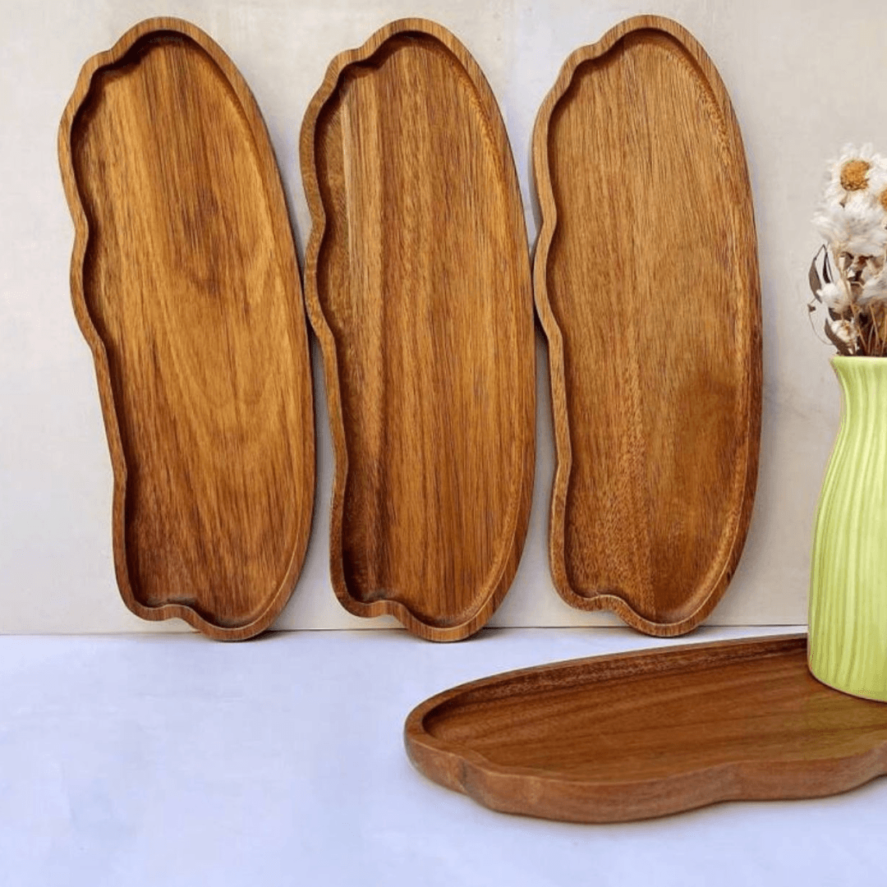
A tray is the foundation of almost every successful coffee table. It creates a defined zone for your objects, so even several items look organised rather than scattered. It is also the secret to a practical table: lift the tray and the surface is instantly free for serving.
Choose the tray size in proportion to the table. As a guide, the tray should cover roughly a third of the tabletop. Too small and it looks lost; too large and there is nowhere to put a cup.
On a large table, you can use two trays of different shapes, or a tray at one end and a stack of books at the other.
Step 3: Add Height
A coffee table arrangement with everything at the same level looks flat. You need one tall element to lead the eye upward. Because the coffee table is low and people sit around it, the tall piece should not block conversation or the view of the TV. Aim for something roughly 30 to 45 centimetres high, or slimmer if taller.
Good options include:
- A vase with branches or stems. An Artisan Handmade Pottery Vase with a few stems of greenery gives height and organic shape.
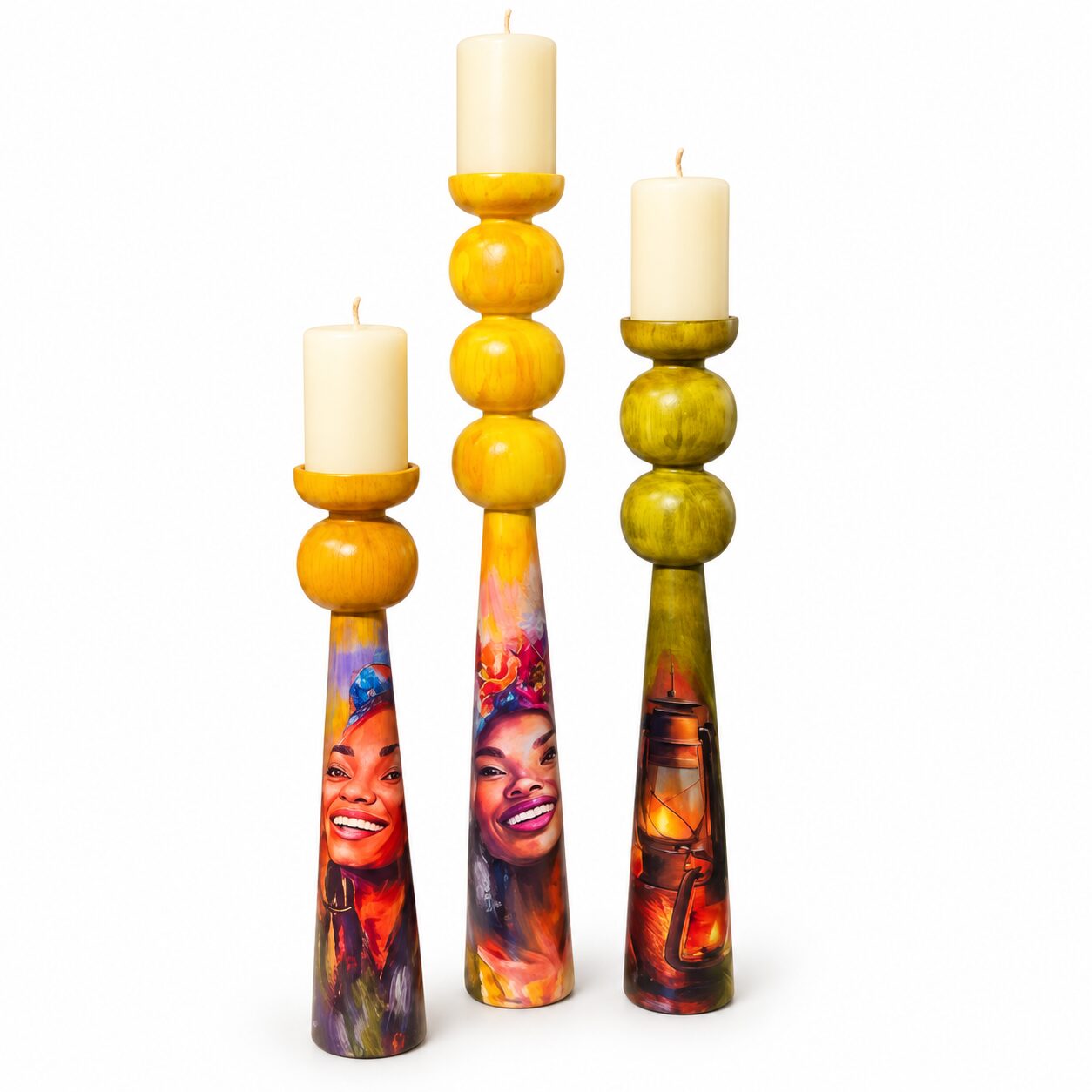
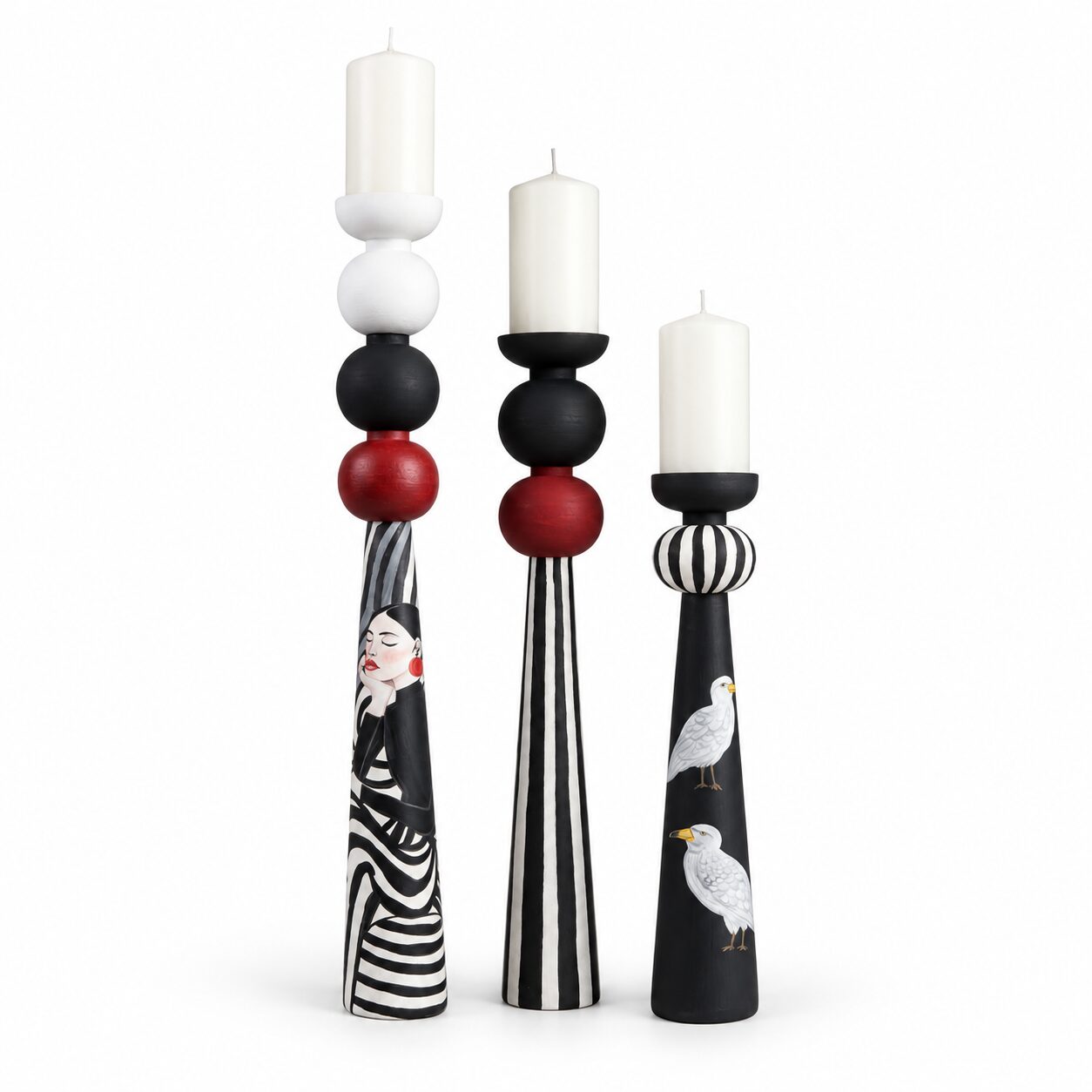
- A candle holder with a pillar candle.
- A sculptural object or a small lamp on a larger table.
Place the tall item off-centre, on one side of the tray or toward one end of the table. Symmetry can look stiff on a coffee table; a slightly asymmetric arrangement feels more relaxed.
Step 4: Layer in a Medium Piece
Next, add something of medium height to bridge the tall item and the table surface. This is where functional objects can shine:
- A decorative tissue box, such as a woven rope or leather cover.
- A stack of two or three books, largest on the bottom.
- A small bowl for keys, sweets or nuts.
- A set of candle holders.
A Set of Three Wooden Tea Light Holders works nicely here. The three varied heights create a little rhythm on their own, and they bring warm light for evening gatherings.
Step 5: Finish With Something Low and Personal
The final layer is small and low: a decorative object, a bowl, a set of coasters or something with a story. This is where your personality appears. It might be a hand-painted piece from a trip, a small carved object, or a gift from family.
Low pieces also carry texture. A string of Wooden Beaded Tassel Decoration draped across a stack of books or curled on a tray adds a relaxed, handmade touch. Coasters stacked neatly at a corner are both decorative and ready for tea.
Step 6: Bring in Greenery and Mix Textures
The last step turns a neat arrangement into one that feels alive and layered.
Add something living (or nearly)
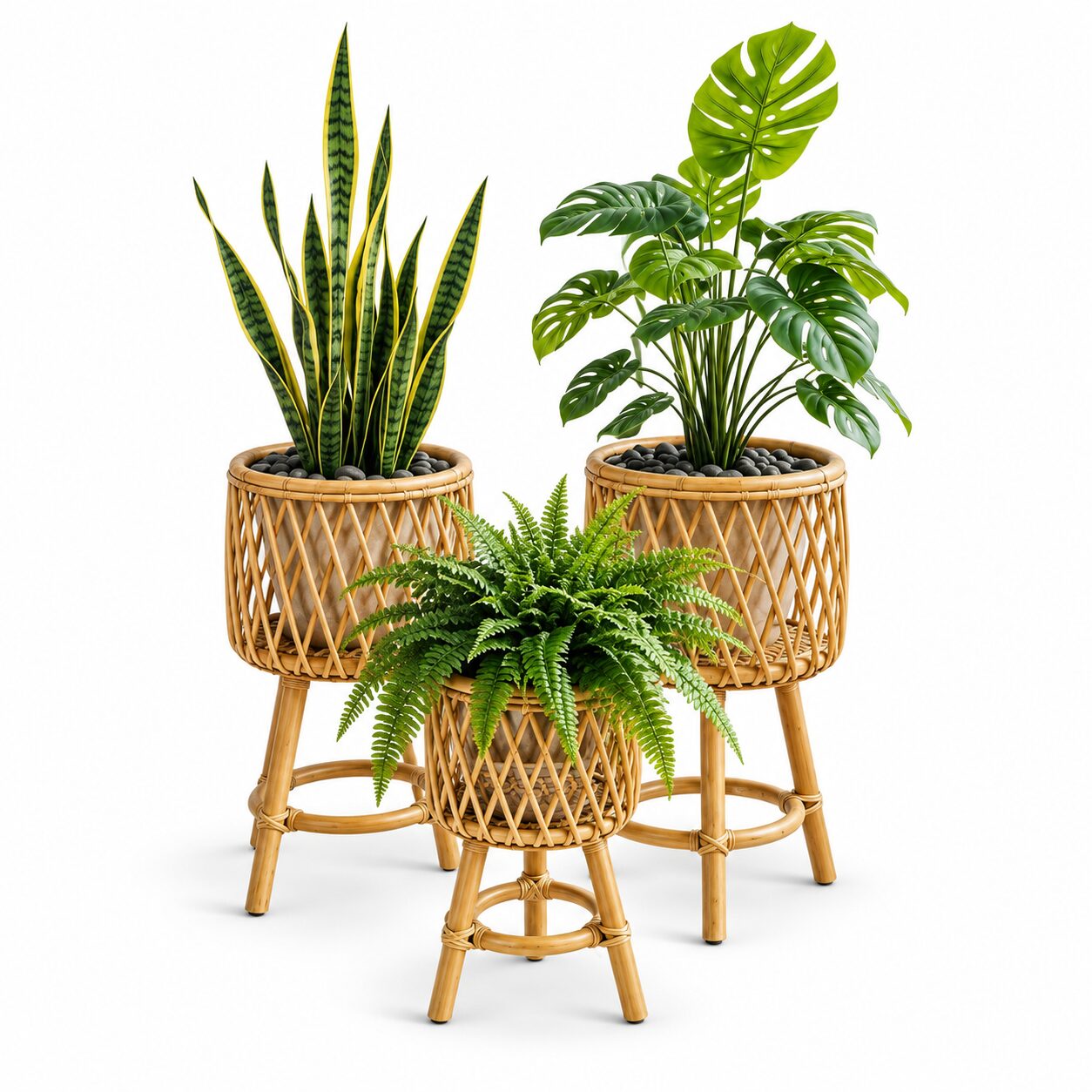
Greenery makes a coffee table feel fresh. Real plants need light, though, and the centre of a living room is often dim, especially with curtains drawn against the afternoon sun. Artificial stems are a practical solution that looks convincing from the sofa.
Tall eucalyptus or olive stems in a vase provide the height from Step 3 and the green in one move. A small succulent planter works on a smaller table. Whatever you choose, keep it proportional: greenery should soften the arrangement, not hide the people sitting across from you.
Mind the rule of three
Designers often group objects in odd numbers, especially threes, because odd groupings feel more natural to the eye. A tall vase, a medium tissue box and a low bowl is a classic trio.
Mix your textures
Texture matters as much as shape. Mix at least three different surfaces:
- Smooth: ceramic, glass, polished wood.
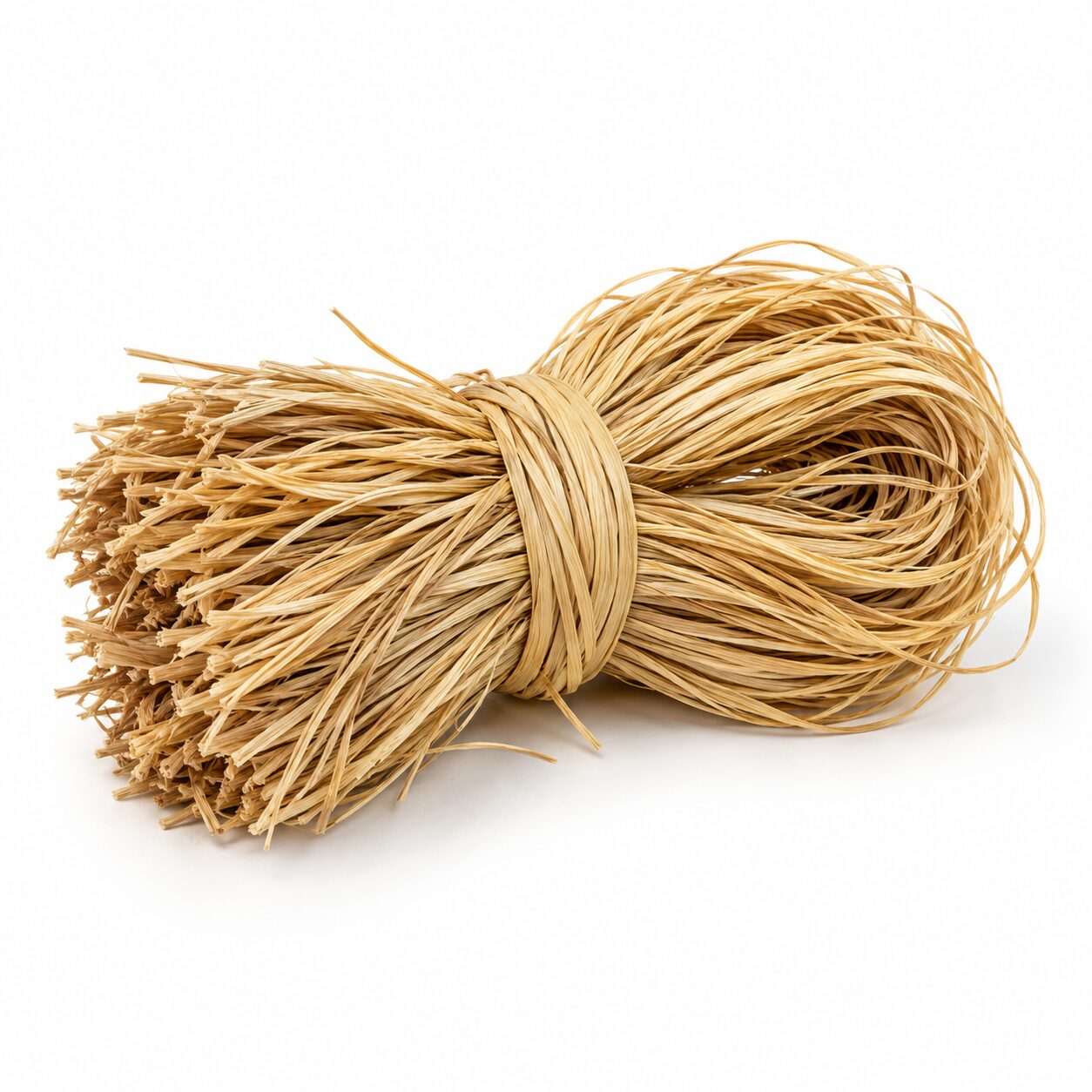
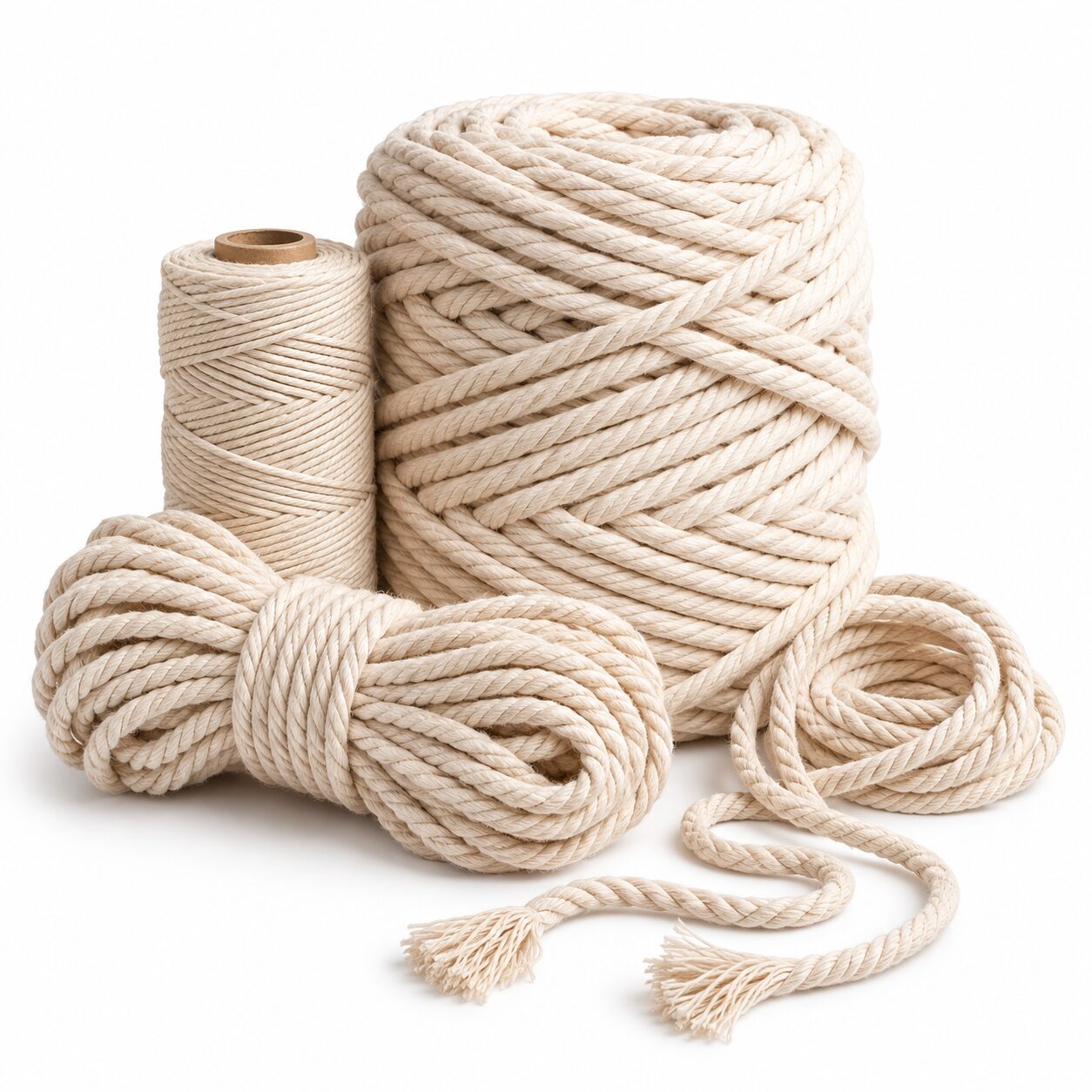
- Rough or woven: jute, halfa, cotton rope.
- Soft or organic: greenery, beads, a folded linen napkin.
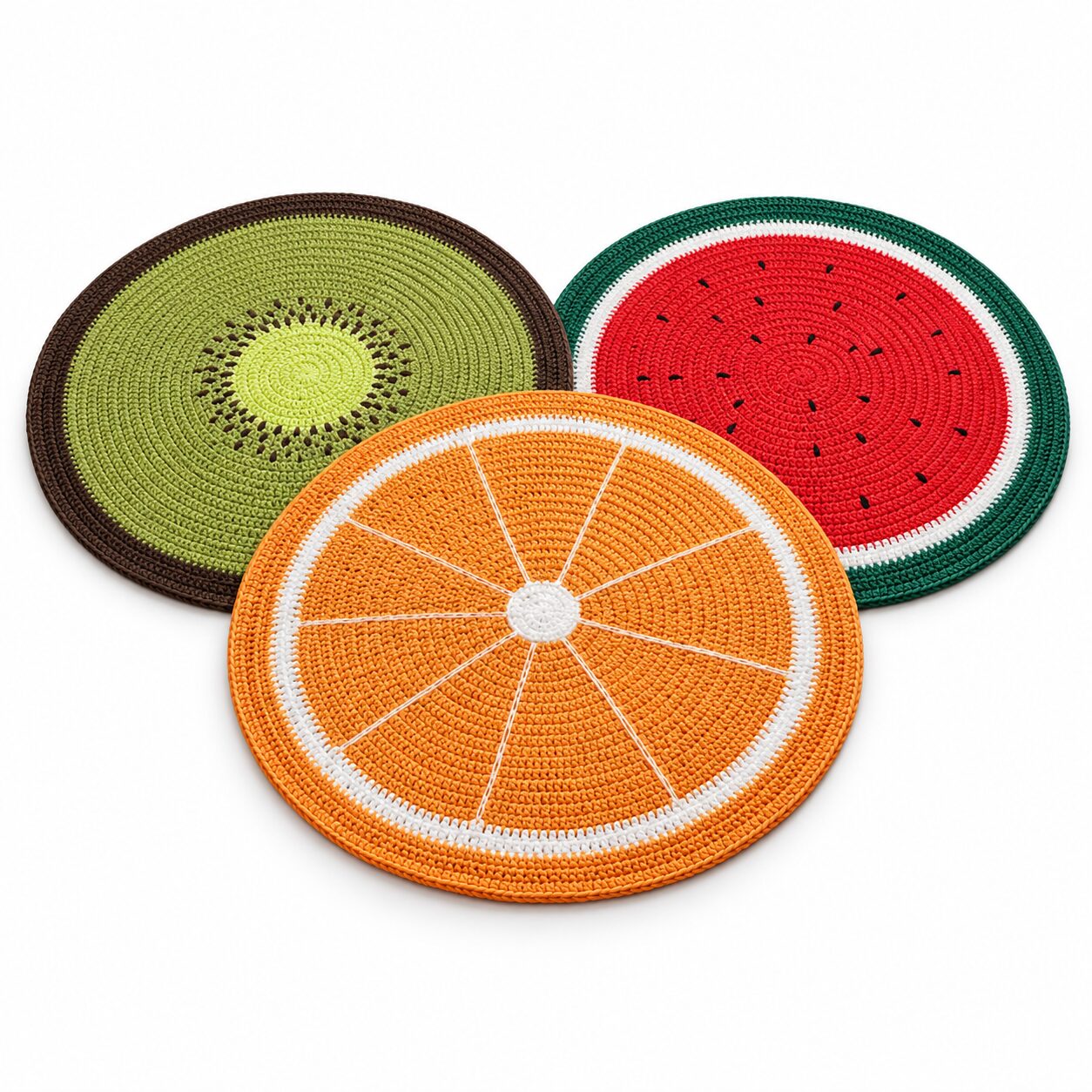
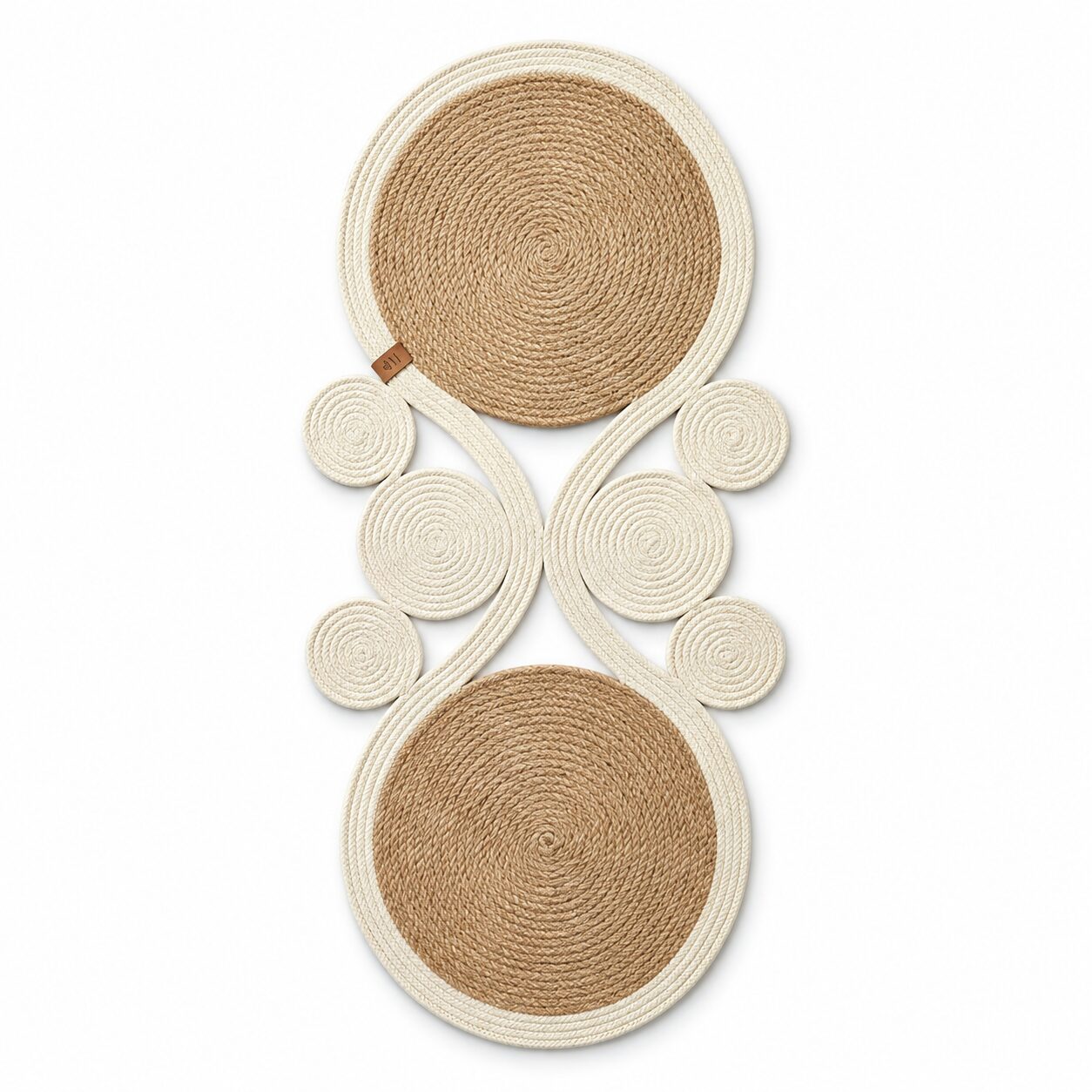
A Round Braided Cotton Table Mat placed under a vase or tray adds a woven layer and protects the tabletop at the same time.
Colour works the same way. Pull one or two colours from the room, perhaps the green of a cushion or the rust of a rug, and repeat them on the table in a vase, a candle or a small object. The coffee table then feels connected to the rest of the living room instead of floating on its own.
Step back and edit
When you think you are finished, sit on the sofa and look at the table from where your family and guests actually sit. Then walk to the doorway and look again. From both angles, the arrangement should feel balanced, with nothing blocking faces or the screen. If something feels busy, remove one object. Most coffee tables look better with one item fewer than you first placed. Take a quick photo on your phone, too; a photo often reveals clutter or empty gaps that the eye misses in person.
Styling by Table Shape
Different shapes call for slightly different approaches.
Round tables
Build the arrangement in the centre, on a round or oval tray. Keep the tallest piece in the middle or just off-centre so the table looks balanced from every seat.
Rectangular tables
Divide the table mentally into thirds. Put the tray in one or two thirds and leave the remaining third clear for cups. Alternatively, run a slim arrangement along the centre line.
Square tables
Use a square tray in the centre, or place a round tray to break up the straight lines. Square tables are often large, so a stack of books in one corner and a tray in the opposite corner work well.
Glass tables
Everything is visible, including the floor beneath. Keep the arrangement simple and choose objects with solid, natural materials to add weight. Coasters are essential to avoid rings.
Nesting tables
With nesting tables, style the top table lightly so it can be moved easily. A small tray with a candle and a plant is enough.
Keeping It Practical for Real Life
A coffee table is not a museum display. In a family home it has to cope with tea, children and last-minute guests.
- Make the tray your “lift and clear” tool. When guests arrive, move the tray to a side table and serve on the open surface.
- Choose sturdy pieces. Heavy bases and wide vases are less likely to tip when children play nearby.
- Keep remotes in one place. A small lidded basket or box on the tray hides them.
- Plan for seasons. Swap in lanterns and dates during Ramadan, fresh-looking greenery in spring, and warmer candles and textures when evenings cool.
- Use coasters every day, not just for guests. Wooden tables in dry Egyptian air can mark easily.
Common Mistakes to Avoid
- Overcrowding. If you cannot set down a cup without moving something, there is too much.
- Everything the same height. Always include one tall, one medium and one low element.
- Blocking sightlines. Tall arrangements that hide faces or the TV frustrate everyone.
- No tray. Loose objects drift and multiply.
- Ignoring scale. A tiny vase on a large table looks lost; a huge tray on a small table leaves no room for use.
- Forgetting the underneath. If your table has a lower shelf, use it for books or a basket so the top can stay lighter.
Quick Checklist
- Clear the table and sort objects into keep, relocate and decorative.
- Anchor with a tray about a third of the table’s size.
- Add one tall element placed off-centre.
- Add a medium piece such as a tissue box, books or candle holders.
- Finish with a low, personal object.
- Include greenery, real or artificial.
- Mix smooth, woven and soft textures.
- Leave enough clear space for cups and plates.
- Keep coasters within reach.
A Centrepiece You Will Love Coming Home To
A beautifully styled coffee table makes the whole living room feel intentional, and with a tray-based approach it stays practical for tea, family evenings and surprise visits. Start with the tray, build height, layer texture and finish with something that means something to you.
Find trays, candle holders, vases, coasters and handmade accents at coccarohome.com, with delivery across Egypt, and give the heart of your living room the attention it deserves.
Shop the Look