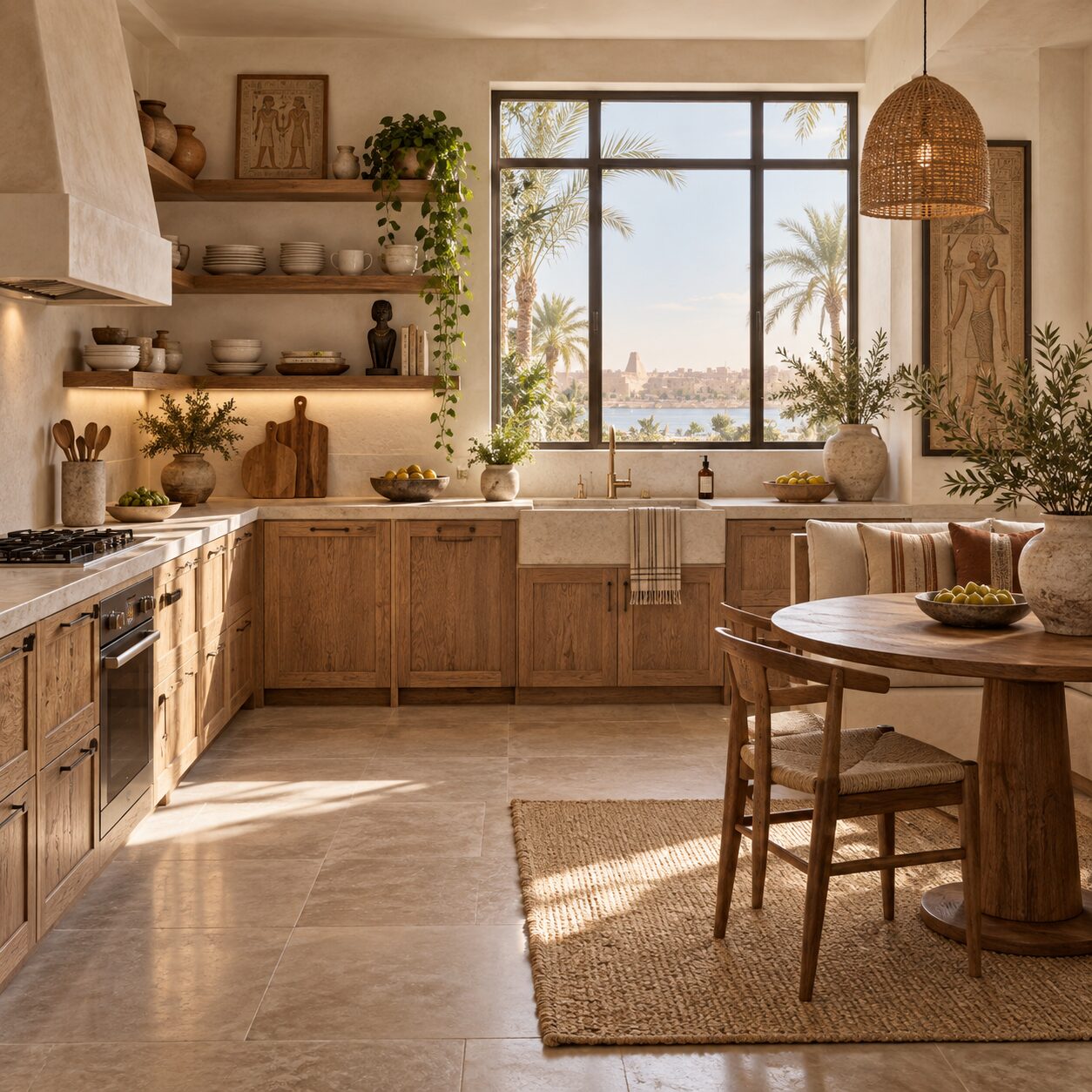
Walk into two living rooms with the same sofa, the same rug and the same curtains. One feels finished and cared for. The other feels like a showroom that nobody has moved into yet. The difference is almost never the big furniture. It is the little things: the tissue box on the side table, the coasters under the tea glasses, the tray that gathers the remote controls, the small bowl by the door.
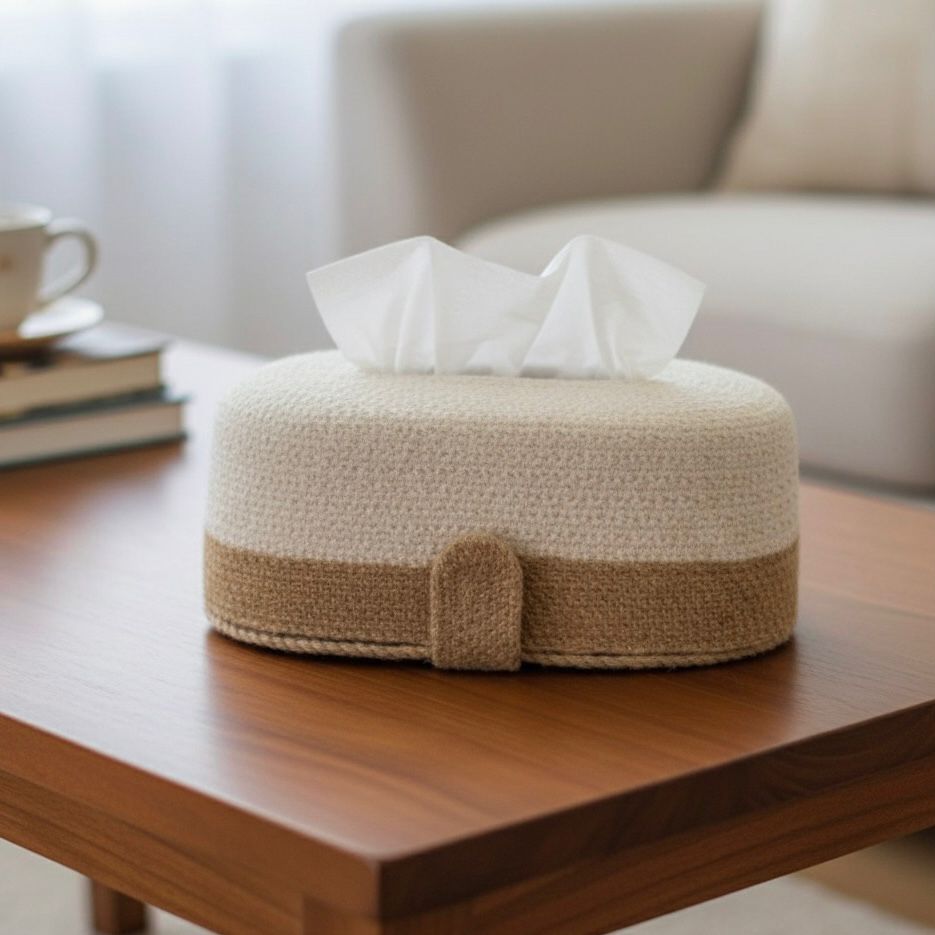
In Egyptian homes, these details carry extra weight. A tissue box is on every coffee table, dining table and bedside table, and it is one of the first objects a guest reaches for. A plain cardboard box printed with a supermarket logo sends one message. A woven jute cover or a smooth leather case sends another. This guide explains why small accessories matter so much, and how to choose and place them so they lift the whole room.
Why Small Details Have a Big Effect
Our eyes read a room in layers. First the shape and colour of the big pieces, then the textures, then the small objects on surfaces. That last layer is where we decide whether a space feels personal and deliberate.
Small accessories do three important jobs:
- They finish a look. A neutral sofa and wooden table become “rustic” or “modern” or “bohemian” through the accessories around them.
- They hide everyday clutter. Things you need daily, like tissues, remotes and chargers, are rarely beautiful. A good accessory contains them.
- They carry texture. Jute, halfa, cotton rope, leather and wood add depth that flat surfaces lack.
They are also the most affordable way to refresh a room. Changing a sofa is a big decision. Changing tissue boxes, coasters and a tray takes an afternoon and still makes the room feel new.
The Humble Tissue Box, Reconsidered
Tissues are used constantly in Egyptian households: at meals, with tea, in the car, by the bed. Because the box is always out, it is worth treating as decor rather than as a necessity to hide.
Choose a material that matches the room
The material of your tissue box should echo something already in the space.
Match the shape to the surface
Round and oval boxes soften a room full of straight lines, such as a rectangular coffee table or a boxy sofa. Rectangular boxes sit neatly on narrow surfaces like bedside tables, consoles and shelves. On a round dining table, a round or oval box looks balanced in the centre.
One per room, chosen on purpose
Rather than one random box moving from room to room, give each main space its own. Keep a leather or rope box in the living room, a softer knitted one in the bedroom, and something playful in the children’s room. It is a small investment that means you never again place a cardboard box in front of guests.
Coasters: Small, Useful and Surprisingly Decorative
Tea and coffee are part of daily life and every visit, which means rings on wooden tables are a constant risk. Coasters protect furniture, but they can also add pattern and colour.
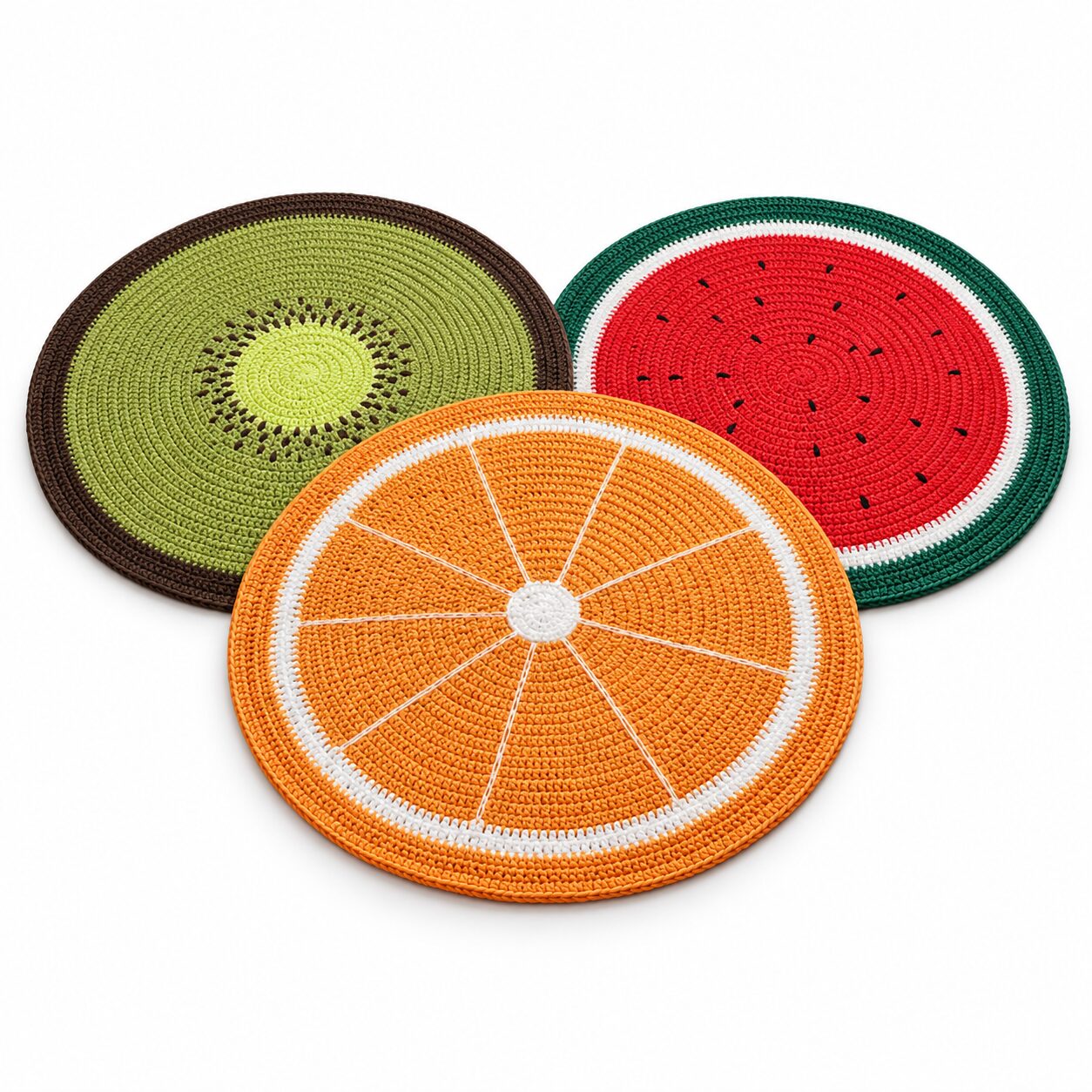
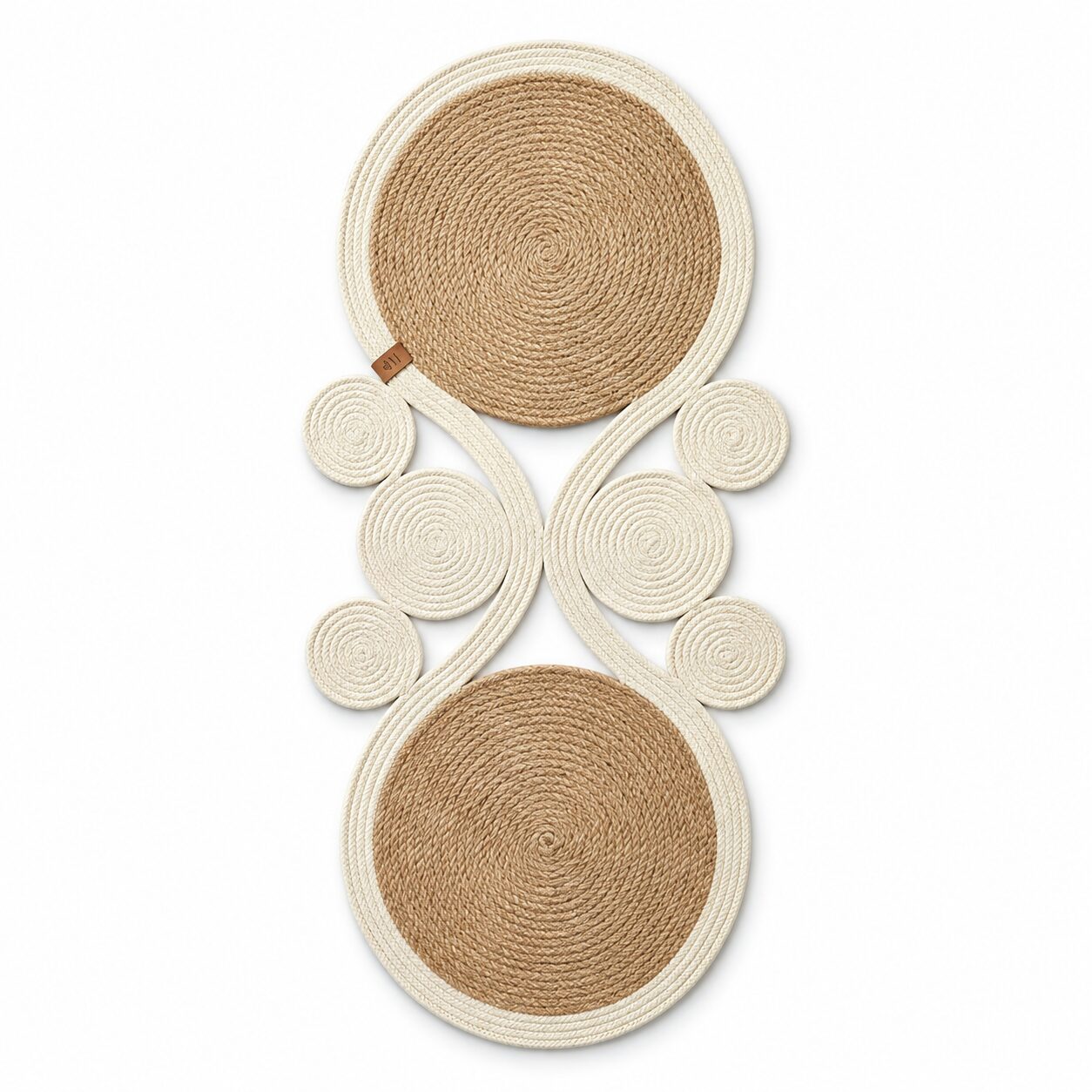
A set of Wooden Mandala Coasters brings detailed decoration to a plain table. Cotton rope coasters feel softer and more casual, and they quieten the clink of glasses. Keep coasters stacked on a small tray or in a holder so they stay in one place rather than scattering across the house.
A quick tip: set out coasters before guests arrive, one near each seat. It signals care, and nobody has to hunt for a place to put their cup.
Trays: The Accessory That Organises Everything
If there is one accessory every home should have more of, it is the tray. A tray turns a random collection of objects into a deliberate arrangement.
On a coffee table, a tray can hold the tissue box, a candle and a small plant together, leaving the rest of the surface clear for cups and plates. On a dresser, it gathers perfume bottles and jewellery. In the bathroom, it holds soap, hand cream and a folded towel. On the kitchen counter, it becomes a coffee station.
An Acacia Wood Serving Tray is a versatile choice because warm wood fits almost any style. It is also practical: when guests arrive, lift the whole tray off the table and you have instant space for serving.
How to style a tray
- Start with the tallest item at the back or one side, such as a small vase or candle.
- Add a medium item, like the tissue box or a stack of two small books.
- Finish with something low and small, such as coasters or a decorative object.
- Leave some tray visible. A packed tray looks cluttered; a little empty space looks calm.
Accessories Room by Room
Different rooms need different details. Here is where small accessories make the biggest difference.
Living room
This is the room guests see most, so it deserves the most attention. Aim for a tissue box, a tray, coasters and one or two decorative objects on the coffee table. Side tables need little more than a lamp and a coaster. Choose one material family, for example jute and wood, and repeat it so the room feels connected.
Dining room
The dining table is often bare between meals, which can make the room feel empty. A table runner with a tray in the centre holding a tissue box and a small plant keeps it looking dressed. During Ramadan, the same tray can hold dates and a lantern for iftar.
Bedroom
Bedside tables collect clutter quickly: phones, glasses, medicine, water. A small tray and a tissue box give everything a place. Soft materials like knitted jute or cotton rope suit the calm mood of a bedroom better than hard, shiny finishes.
Children’s room
Accessories here can be fun. The Teddy Bear Rope Tissue Box Cover is playful, and it teaches children that even everyday things can be cared for. Pair it with woven storage baskets for toys.
Bathroom and entrance
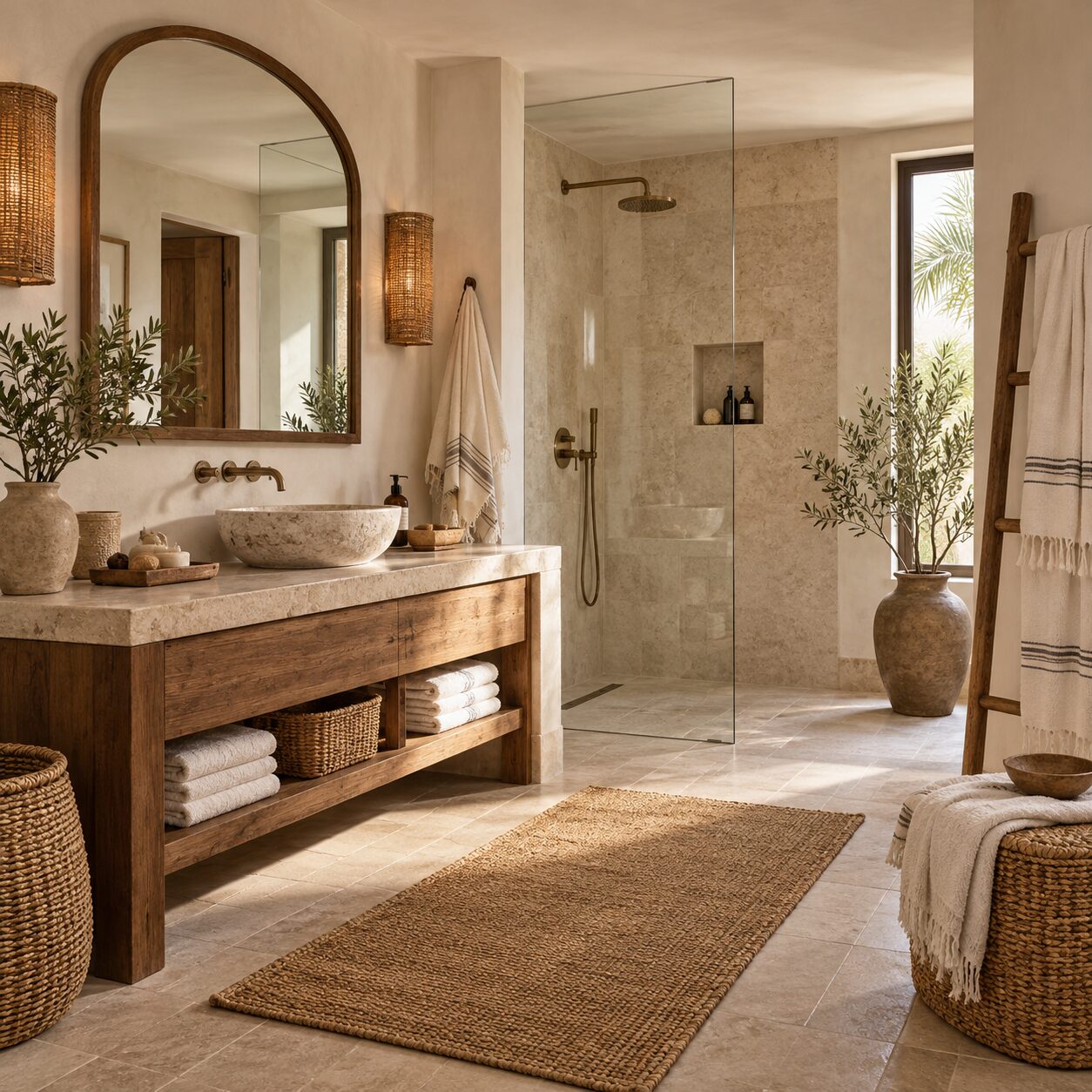
In the bathroom, a tray and a covered basket keep counters tidy. At the entrance, a small bowl or tray for keys and a rope basket for sunglasses and mail prevent the pile that forms on every hall table.
Building a Cohesive Accessory Set
The most polished homes treat accessories as a family rather than a collection of individual purchases.
- Pick a palette of two or three materials. Jute, wood and cotton rope work beautifully together, as do leather, wood and ceramic.
- Repeat colours. If your cushions have a teal accent, a teal and natural tissue box cover ties the room together.
- Vary height and shape. A round tissue box, a rectangular tray and a tall vase create more interest than three objects of the same height.
- Mix handmade with simple. One detailed handmade piece stands out best when surrounded by plainer items.
- Buy in sets when you can. Matching tissue box, basket and coasters create an instant coordinated look across a room.
Caring for Natural-Material Accessories
Handmade accessories last for years when they get a little regular attention, and in Egypt that mostly means dealing with dust.
- Jute, halfa and cotton rope: shake them outside or use a soft brush or the brush attachment of a vacuum once a week. Dust settles into woven textures quickly, especially with windows open in summer.
- Wood: wipe with a dry or barely damp cloth. Always use coasters under hot glasses, and avoid leaving wet items on wooden trays for long.
- Leather: a soft dry cloth is usually enough. Keep leather pieces out of strong direct sun so the colour stays even.
- Placement: keep woven pieces away from kitchen steam and bathroom splashes where possible, and let anything that gets damp dry fully in the air before putting it back.
A five-minute weekly wipe-down keeps accessories looking fresh, and it is also a natural moment to rearrange a tray or rotate pieces between rooms.
Common Mistakes With Small Accessories
Small details are easy to get wrong because they seem unimportant. Watch out for these:
- Too many tiny objects. Ten small things spread across a table read as clutter. Group them on a tray or edit them down.
- Everything the same height. Without a tall piece, a surface looks flat.
- Mismatched materials. Glossy plastic next to rustic jute fights for attention.
- Leaving the cardboard box out “just for now”. It tends to stay for months.
- Forgetting function. A beautiful tissue box that is awkward to refill will be abandoned. Choose covers and boxes that open easily.
- Never refreshing. Dusty accessories drag a room down. Wipe wood, shake out woven pieces and rotate items with the seasons.
Quick Checklist
Before you call a room finished, check that it has:
- A tissue box or cover that suits the room’s style.
- Coasters within reach of every seat.
- At least one tray gathering small items on a main surface.
- A consistent family of two or three materials.
- A mix of heights on each styled surface.
- A landing spot for keys, remotes and chargers.
- No leftover packaging on display.
Small Details, Lasting Impressions
Guests may not remember the exact shape of your sofa, but they notice when a home feels thoughtful. The tissue box they reach for, the coaster under their tea, the tidy tray on the table: these are the details that make a space feel welcoming and complete.
Start with one room. Replace the cardboard tissue box, add a tray and set out coasters, then see how much more finished it feels. Browse handmade tissue boxes, trays, coasters and accessories at coccarohome.com, delivered across Egypt, and let the little details do the big work.
Shop the Look