Ask a dozen people where they read and you will hear the same answers: in bed until the book falls on their face, on the sofa with the television on, in the car waiting outside school. Few of us have a place that is just for reading, and yet a single comfortable corner can change how often you pick up a book.
A reading nook does not need a library, a spare room or a window seat overlooking the Nile. It needs a good chair, good light, something soft and somewhere to put your tea. That is it. It can live in the corner of a bedroom, beside a living room window, at the end of a hallway or on a balcony. This guide shows how to find the spot and put the pieces together.
Why a Dedicated Nook Works
When you read on the sofa, the television is right there. In bed, sleep is a page away. At the dining table, someone will need it for lunch. A dedicated reading corner removes these distractions and sends a clear signal to your brain, and to your family: this is reading time.
There are quieter benefits too. A nook gives a bedroom or living room a purpose for an awkward empty corner. It creates a small, personal space in a busy household. And children who see adults reading in a cosy, special spot often want to join them.
Step One: Find the Right Spot
Almost any room has a corner that can work. Look for these qualities:
- Natural light during the day, ideally from the side rather than directly behind you, which causes glare.
- Low traffic, away from doors, the kitchen and the television.
- A nearby socket for a lamp.
- Enough space for a chair, a small table and room to stretch your legs.
Places to Look
- A bedroom corner, especially beside a window. Quiet and private.
- The living room, in a corner furthest from the television.
- A hallway end or landing, often wasted space in larger apartments.
- Under a staircase in a duplex or villa.
- The balcony, for spring and autumn evenings when Egyptian weather is at its best.
- A child’s room, with a floor cushion and a basket of books.
Step Two: The Seat Is Everything
The chair decides whether your nook is used. If it is not comfortable for an hour, it will become a place for folded laundry.
What to Look For
- Back support. You should be able to sit back without slouching.
- Arms, so you can rest your elbows while holding a book.
- The right depth. Deep enough to curl up, not so deep your feet dangle.
- Room for a cushion for extra lumbar support.
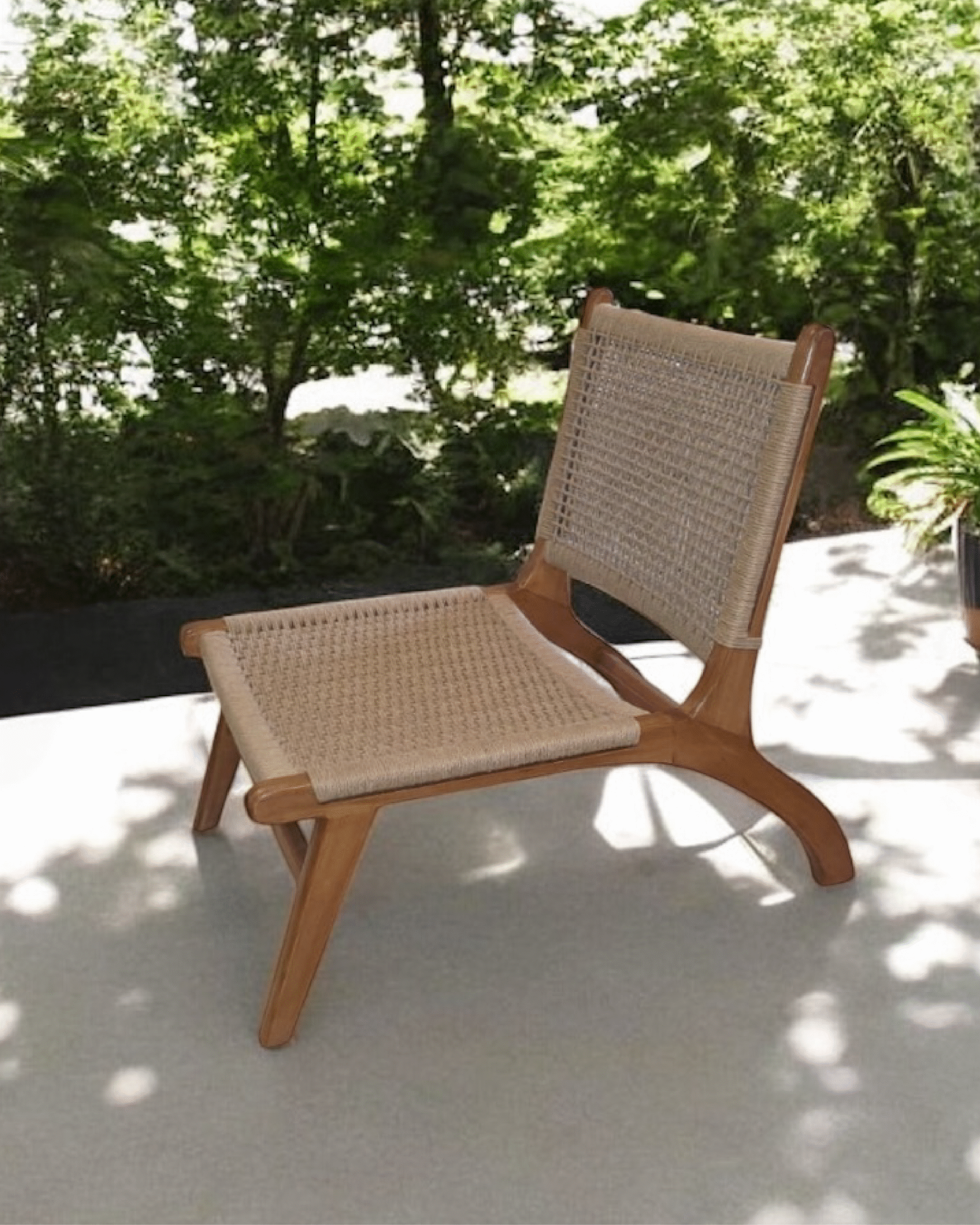
The Handcrafted Nordic Lounge Chair with Woven Rope Seat has a solid wood frame and a woven rope seat and backrest, a relaxed, natural look that suits a reading corner beautifully. Add a cushion behind your back for longer sessions.
The Hanging Chair Option
For something more playful, a hanging chair creates a nook all by itself. Swinging gently while reading is a pleasure many adults never grow out of. The Royal Macrame Swing is a hanging chair swing designed for living rooms and rooftops. Like any hanging chair, it must be installed into a solid structural support by a qualified person, with fixings rated for the load.
Floor Seating
In small spaces or children’s rooms, floor seating works well. A large pouf, a stack of cushions and a low basket of books create a cosy corner that is easy to move.
Step Three: Get the Lighting Right
Reading in poor light is tiring and frustrating. Your nook needs two kinds of light.
Daylight
If you can place the chair beside a window, do it. Sit so the light comes over your shoulder onto the page. In summer, a sheer curtain softens strong Egyptian sunlight without making the corner dark.
A Reading Lamp
For evenings, a lamp is essential. A floor lamp beside or slightly behind the chair saves table space and puts light exactly where it is needed. The Dune Minimalist Tapered Floor Lamp has a simple, elegant shape that suits a reading corner without overpowering it. If you prefer a table lamp, choose one tall enough that the shade sits at about shoulder height when you are seated.
Warm white bulbs are kinder to the eyes in the evening and make the corner feel inviting.
Step Four: Add Softness
Textiles turn a chair into a nook.
A Throw
A throw draped over the chair is both decor and practical comfort for cool evenings or air-conditioned rooms. The Handmade Crochet Blanket Throw is handmade and suitable for a sofa or bed, and its texture looks lovely draped over a wooden frame.
Cushions
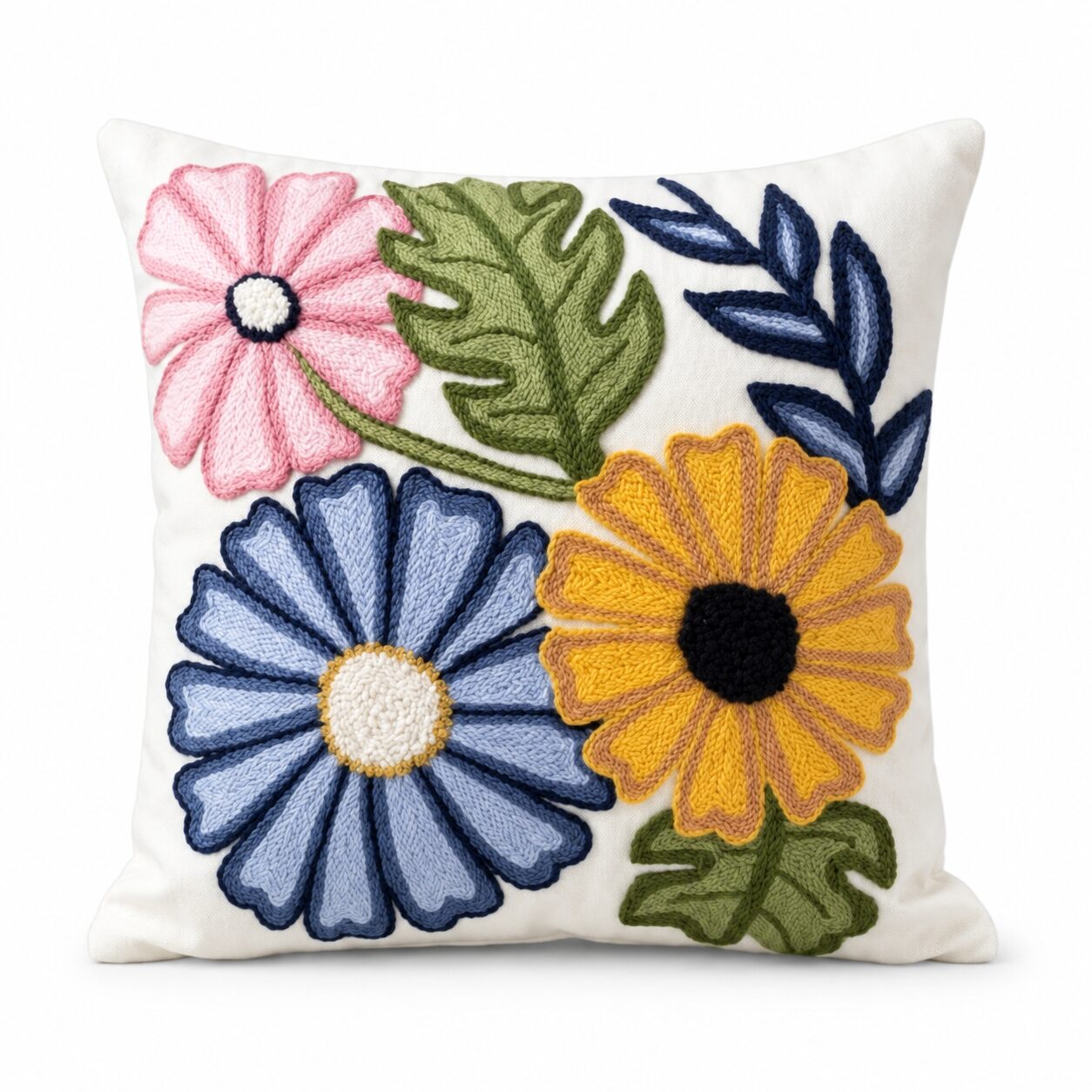
One good cushion supports your back; a second adds colour or pattern. An Embroidered Folk Art Cushion Cover in cotton brings handcrafted detail and colour to a natural-toned chair.
A Rug
A rug defines the nook as its own zone, especially in a larger room. It also makes the corner feel warmer underfoot. The Handmade Kilim Rug in Navy Blue and Beige has a classic pattern that grounds a chair and lamp beautifully.
Step Five: Somewhere for Your Tea and Book
Every reading nook needs a surface within arm’s reach for a cup, glasses, a phone you are trying to ignore, and the book when you pause.
A Side Table
A small side table is ideal. Choose one at roughly the same height as the chair arm. The Hand-Painted Floral Wooden Side Table, an artisan cylinder accent table, adds colour and craft, and is a beautiful object in its own right.
A Footrest
Putting your feet up makes any chair more comfortable. A pouf works as a footrest and an extra surface. The Handmade Halfa Pouf with Wooden Leg is woven from natural halfa, a material with deep roots in Egyptian craft, and sits at a comfortable height for resting tired legs.
A Good Mug
It sounds small, but a favourite mug makes reading feel like a ritual. A handmade ceramic one, such as an emerald green and matte black stoneware cup, turns your afternoon tea or coffee into part of the experience.
Step Six: Storage for Books
You do not need a full bookcase. A nook can hold just the books you are reading now and next.
- A basket on the floor beside the chair for current reads and magazines.
- A small wall shelf for a few favourites and a plant.
- A side table with a lower shelf for a short stack.
A woven rope basket for blankets beside the chair can hold the throw at night and a few books by day. For wall storage, a macrame wall hanging shelf displays a small plant and a couple of books above the chair.
Making It Personal
The best reading nooks feel like they belong to someone.
- Add a piece of art that you love looking at when you pause.
- Keep a notebook and pen for quotes and thoughts.
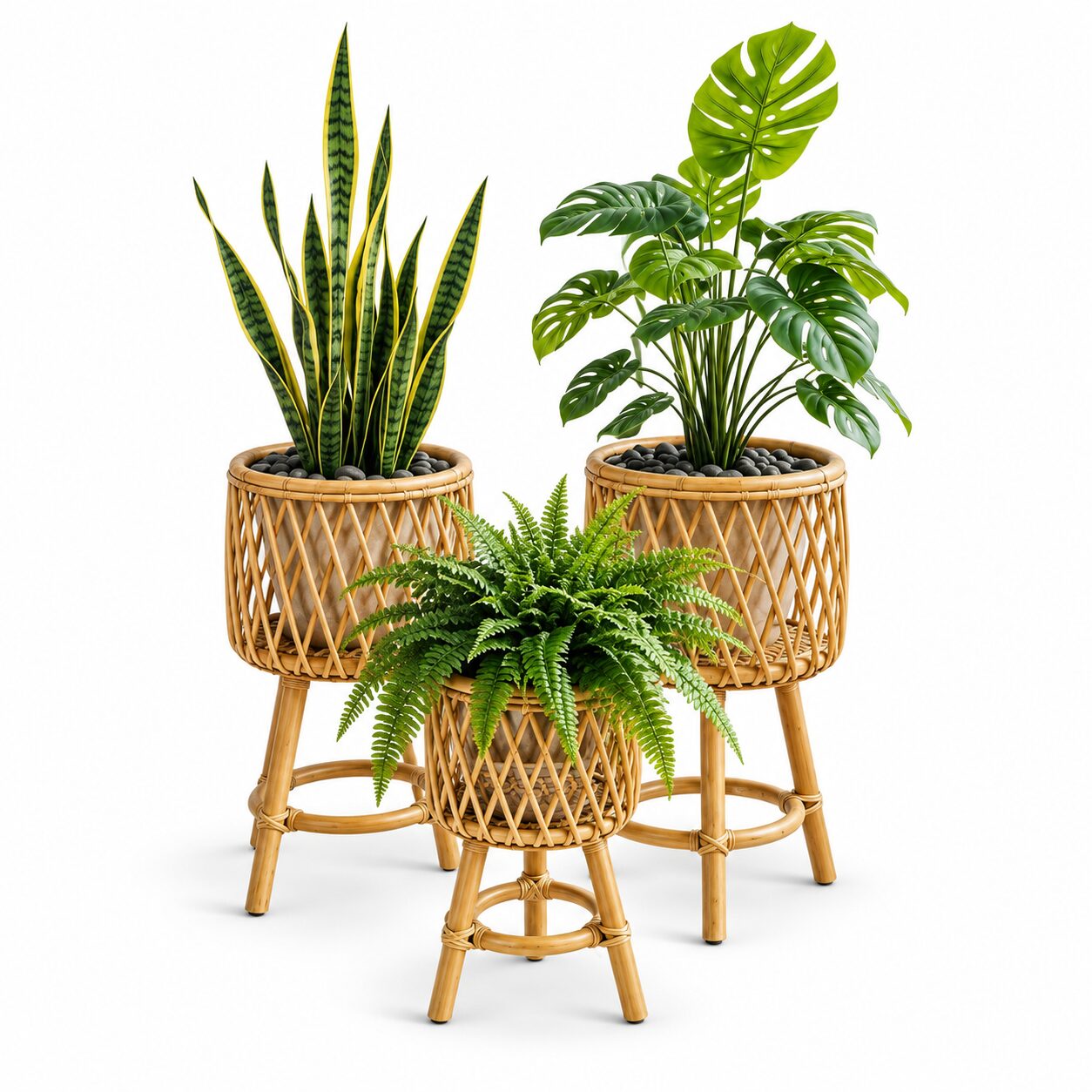
- Include something living, like a plant or a stem of greenery.
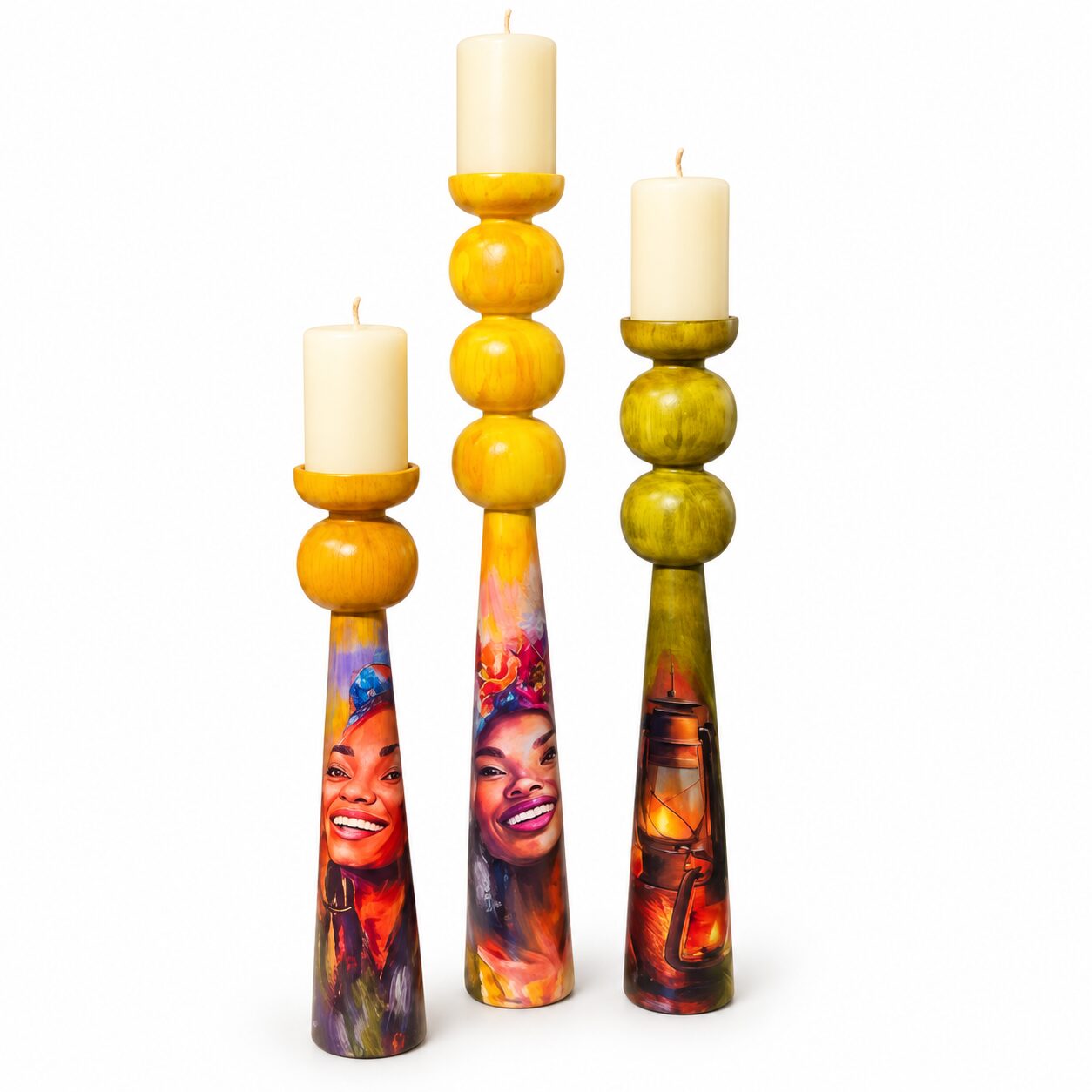
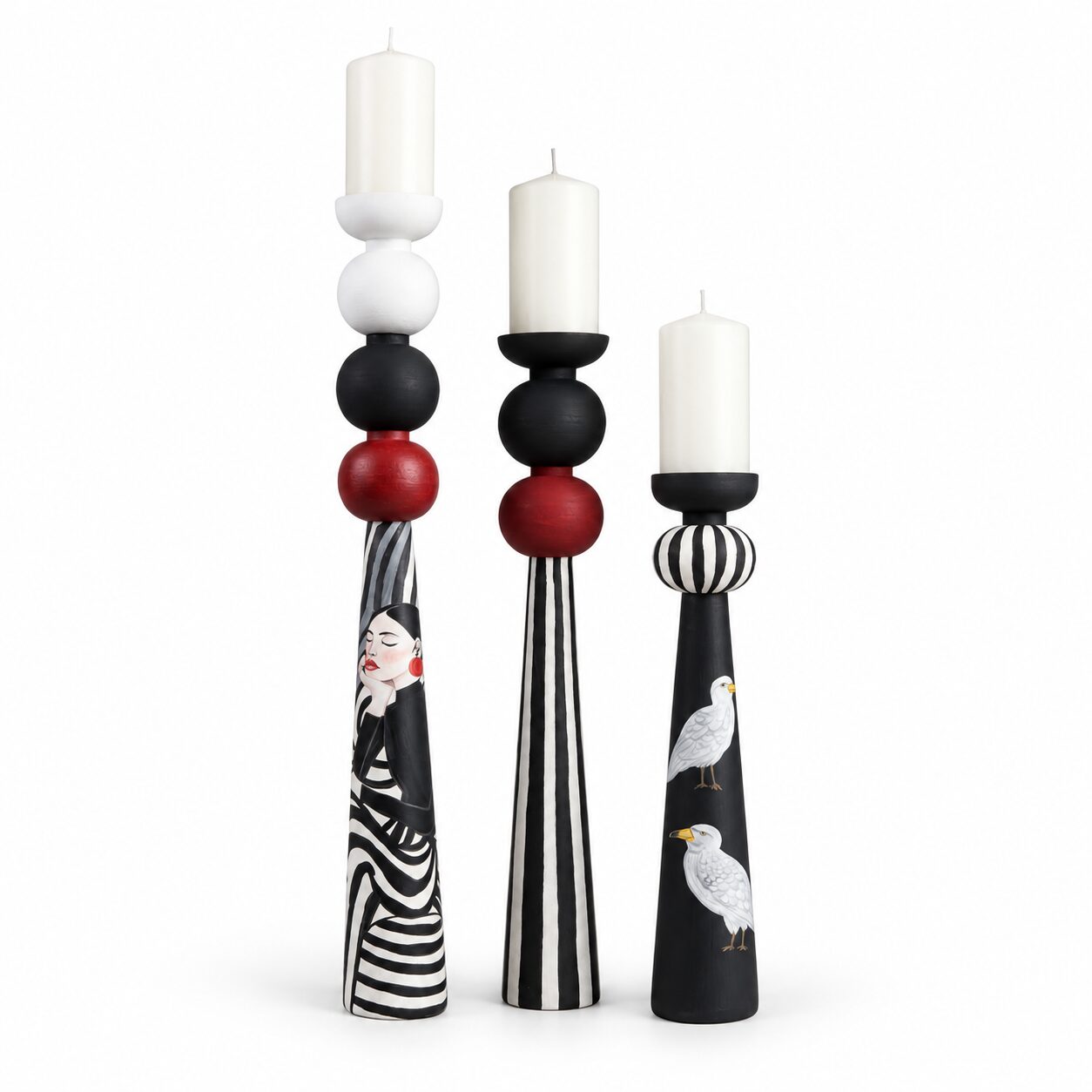
- Choose a scent, perhaps a candle you light only when reading, and blow it out when you leave.
Nooks for Small Apartments
If space is tight, think smaller rather than giving up.
- Borrow a corner of the bedroom. A slim chair, a wall-mounted lamp and a single shelf take up less than a square metre.
- Use a window ledge. A deep sill with a cushion and a throw can become a perch for short reading breaks.
- Make it portable. A pouf, a throw and a basket of books can move from the living room in the day to the bedroom at night.
- Choose light, airy furniture. A chair with a woven seat and slim wooden legs looks lighter than a bulky upholstered armchair.
- Go up, not out. Wall shelves keep books near the chair without eating floor space.
Seasonal Nooks
In Egypt, the best reading spot can change with the season. In winter, a sunny window corner feels wonderful. In summer, the coolest, shadiest corner of the apartment, near the air conditioner but not under it, becomes the favourite. Because a nook is just a chair, a lamp and a few soft things, you can move it twice a year to follow the comfort.
Reading Nooks for Children
Children love having their own reading space, and a nook can encourage a lifelong habit.
- Keep it low: floor cushions, a pouf and a soft rug.
- Display books face out so covers attract them.
- Use a basket they can reach and tidy themselves.
- Rotate books weekly to keep it fresh.
- Read together in the nook so it becomes a special shared place.
Common Mistakes
- An uncomfortable chair. A pretty chair you cannot sit in for an hour will not be used.
- Poor lighting. A dim corner makes reading tiring.
- No surface nearby. Balancing tea on the floor gets old quickly.
- Too close to the television. Distraction defeats the purpose.
- Overcrowding. A nook needs a few good pieces, not ten.
- Forgetting a footrest. It makes a surprising difference to comfort.
Quick Checklist
- A quiet corner with side light and a nearby socket
- A comfortable chair with back support, or a safely installed hanging chair
- A floor or table lamp with a warm bulb
- A throw, one or two cushions and a rug
- A side table at arm height
- A pouf or footrest
- A basket or shelf for current books
- One personal touch: art, a plant or a candle
Turn the Page
A reading nook is one of the simplest, most rewarding projects you can do at home. Find a quiet corner, choose a chair you love, add good light and soft textiles, and keep your current book within reach. Soon it will be the most popular spot in the house.
Discover chairs, lamps, throws, poufs, rugs and cushions to create your reading corner at coccarohome.com.
Shop the Look