There is a particular kind of quiet in a nursery at night. The street outside has gone still, a small lamp glows in the corner, and the only sound is a baby feeding or breathing slowly in the cot. Every new parent knows that quiet, usually at three in the morning, usually bleary-eyed, and usually wishing they had put the nappies within reach.
That is the real test of nursery decor. Beautiful matters, of course; you will spend hundreds of hours in this room and a lovely space lifts your mood on hard days. But a nursery also has to be safe, soothing for a small baby and practical for tired adults. The good news is that these goals point in the same direction: soft colours, gentle light, natural materials and a place for everything.
This guide covers the essentials, from palette and layout to storage and the handmade touches that make a nursery feel loved.
Safety Comes Before Style
Before thinking about colours and cushions, start with the basics that keep a baby safe. Always follow the advice of your paediatrician, but these general principles are widely recommended:
- Keep the cot simple. For young babies, a firm, flat mattress with a fitted sheet is enough. Pillows, cushions, toys, bumpers and loose blankets belong outside the cot while the baby sleeps.
- Place the cot away from windows, curtain cords, radiators and heaters.
- Anchor tall furniture such as wardrobes and bookcases to the wall, because toddlers climb sooner than you expect.
- Hang wall decor away from the cot and use secure fixings, not just a single nail.
- Keep small objects and fragile decor out of reach, and review the room again when the baby starts crawling and pulling up.
- Check mobiles regularly and remove them once the baby can reach them or push up on hands and knees.
With these in place, decorating becomes much more relaxed. Soft cushions, throws and toys can still be part of the room; they simply live on the chair, in baskets or on a high shelf rather than in the cot.
Choose a Calm Palette
Babies do not need bright primary colours to be stimulated; the world gives them plenty of that. For the room where they sleep, calm colours help everyone settle.
Colours That Soothe
- Warm whites and creams keep the room light and fresh.
- Soft sage, dusty blue and blush add gentle colour without overstimulation.
- Natural tones such as sand, oatmeal and light wood feel warm and timeless.
Strong Egyptian sunlight can make pale colours glow during the day, while warm lamps make them feel cosy at night. Avoid very dark walls, which make a small room feel smaller and show every scuff.
Themes Without Overload
Many parents love a theme, whether teddy bears, a nautical story or a favourite character. Themes work best when they come through a few accessories rather than every surface. Choose a theme for baskets, a blanket and one cushion, and keep walls and furniture neutral. When the baby grows and the theme changes, you only swap accessories.
The Soft Layer: Blankets and Textiles
Soft, natural textiles make a nursery feel welcoming, and handmade ones carry a special warmth, often becoming keepsakes long after the baby years.
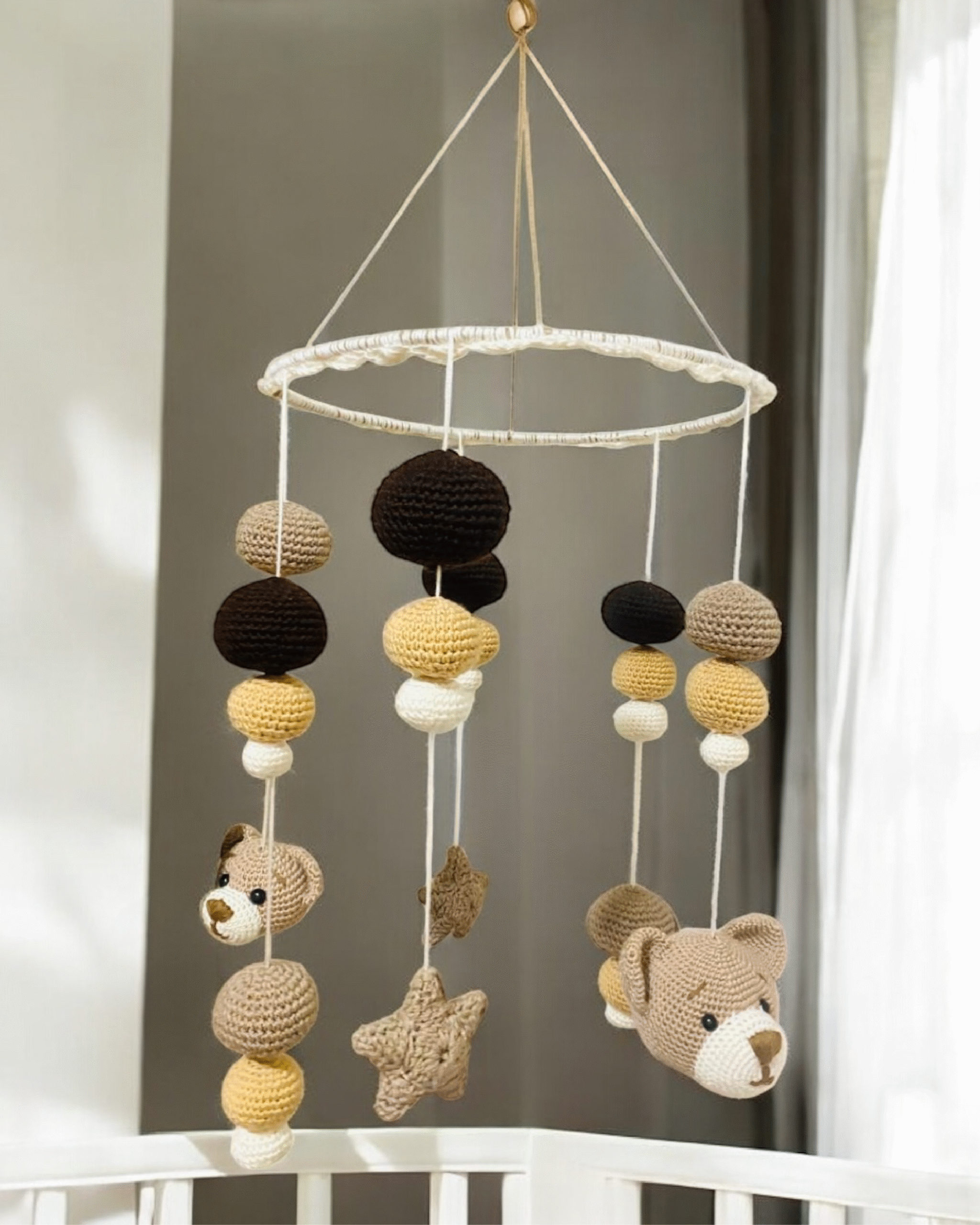
A Teddy Bear Crochet Baby Crib Mobile in natural tones, with teddy bears and stars, gives the cot area a gentle focal point and something for little eyes to follow. Hang it securely and out of reach.
For cuddles in the chair and supervised tummy time, a crocheted blanket is perfect. The Handmade Crochet Baby Blanket with Pink Bow is 80 by 80 cm, a practical size for the pram or the nursing chair. If you have a nautical theme in mind, the Bear on the Ship Crochet Baby Blanket has a blue scalloped trim and an embroidered dolphin patch.
Floor Comfort for Play
Once babies start rolling and crawling, the floor becomes their playground. A soft, washable play rug gives them a cushioned area for tummy time and play. The Crochet Bear-Shaped Play and Nap Rug is made from soft cotton and doubles as a charming decorative piece when not in use. For a different character, the Happy Pup Hand-Crocheted Nursery Playmat brings a cheerful puppy shape to the floor.
Plan the Layout Around Real Life
A practical nursery is arranged around a few key activities: sleeping, feeding, changing and playing. Group what you need for each one.
The Sleep Zone
The cot, away from windows and heaters, with a dimmable light nearby and blackout curtains to help with daytime naps. Keep this area calm and uncluttered.
The Feeding Zone
A comfortable chair, ideally with arms, a small side table for water and a muslin cloth, and a soft lamp. You will spend many hours here, so prioritise comfort. A cushion behind your back and a footstool make long feeds far easier.
The Changing Zone
A changing table or a safe changing mat on a dresser at a comfortable height for your back. Everything you need should be within arm’s reach so you never take a hand off the baby. This is where storage matters most.
The Play Zone
A rug on the floor, a basket of toys and books, and plenty of clear space. Keep this area flexible; it will grow as the baby does.
Storage That Keeps the Room Calm
Babies come with a surprising amount of stuff: nappies, wipes, creams, muslins, tiny clothes in three sizes, toys and books. Without good storage, a nursery quickly fills up.
Baskets at the Changing Station
Small baskets on or near the changing table keep nappies, wipes and creams sorted and easy to grab with one hand. Woven baskets look soft and natural, and they are light enough to move around.
Toy Storage That Looks Like Decor
A big basket on the floor is the simplest toy storage there is. Toddlers can reach in and, eventually, tidy up themselves. The Bear on the Ship Nautical Nursery Storage Set comes as a set of three or five woven pieces, so you can have matching storage for toys, nappies and blankets. For a gentle, classic look, the Teddy Bear Handwoven Jute Toy Storage Basket features an embroidered teddy face and is roomy enough for soft toys. The Pink Ribbon Woven Cotton Rope Toy Storage Basket, with its 3D red bow, suits a softer pink palette.
Tissues and Wipes, Dressed Up
Tissues are everywhere in a nursery. A themed cover keeps them handy and looks sweet on the changing station. The Teddy Bear Handwoven Rope Tissue Box Cover matches the teddy storage pieces for a coordinated look.
Light for Day and Night
Lighting matters more in a nursery than almost anywhere else in the home.
- Daytime: let natural light in, but use curtains or blinds that block light for naps.
- Night feeds: a dim, warm lamp so you can see without fully waking the baby, or yourself.
- Avoid bright overhead light at night; it signals morning to a baby’s body clock.
Place the lamp near the feeding chair rather than the cot, so the light falls where you need it without shining in the baby’s eyes.
Personal and Handmade Touches
What makes a nursery feel special is usually not the furniture but the small, personal details.
- A soft toy that may become their first best friend, kept on a shelf until they are old enough to have it in the cot.
- A cushion for the feeding chair with a gentle motif.
- Framed photos of family, hung well away from the cot.
- A keepsake blanket, perhaps a gift from a grandmother, folded on the chair.
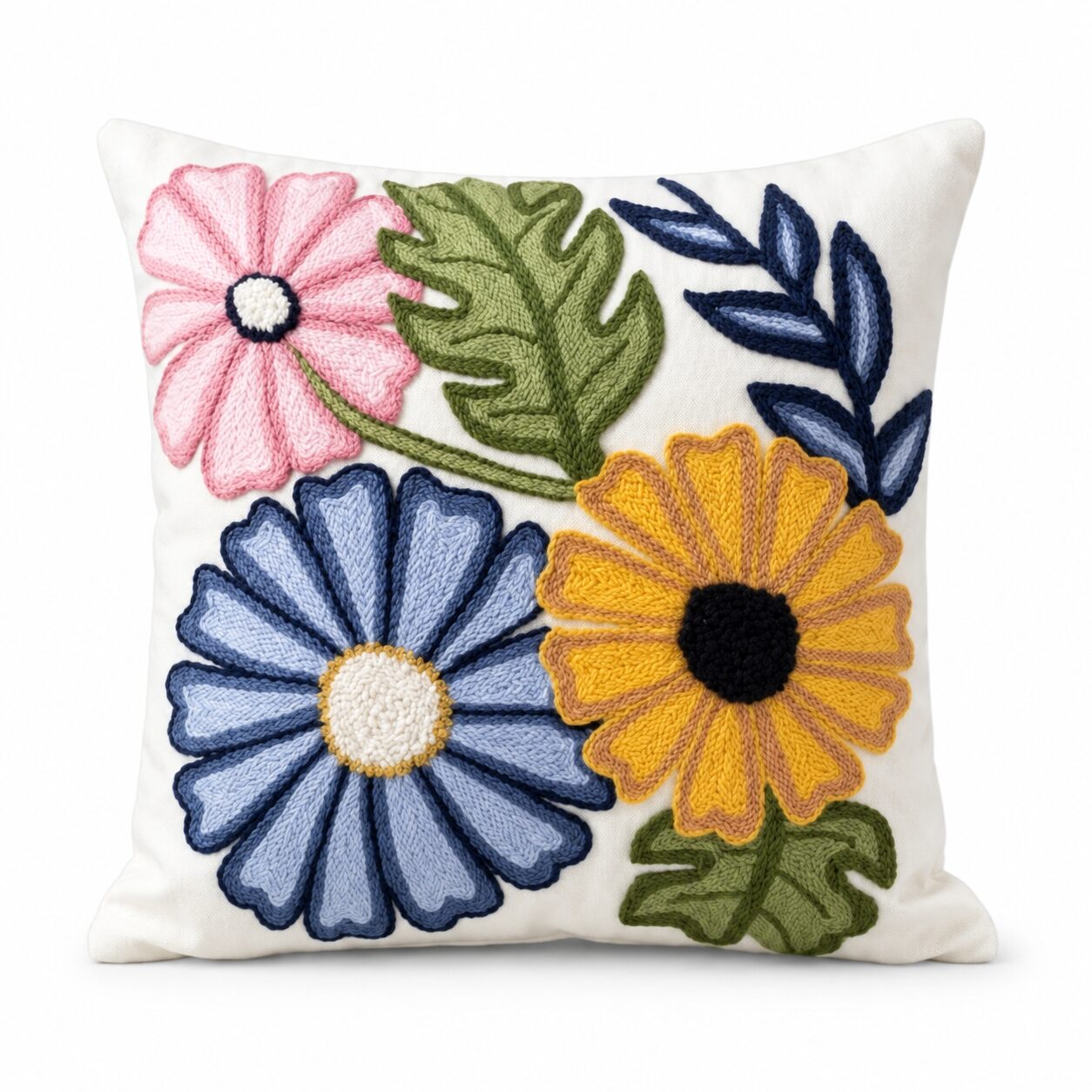
The Punch Needle Elephant Cushion with Moon and Stars is a lovely accent for the nursing chair, and the Soft Plush Teddy Bear Toy is the sort of companion that stays in the family for years.
Growing With the Baby
The first year goes by quickly, and the nursery will need to change. Plan for it.
- Choose furniture that converts, such as a cot that becomes a toddler bed.
- Keep walls and large pieces neutral so the room can follow your child’s interests.
- Use baskets rather than built-in storage so you can rearrange as needs change.
- Review safety every few months, especially when the baby starts crawling, standing and climbing.
Common Mistakes
- Filling the cot with soft things. Cushions, toys and bumpers look cosy but belong outside the cot during sleep.
- Too much stimulation. Bright, busy walls and loud patterns can make settling harder.
- No storage at the changing station. Walking away from the baby to fetch wipes is unsafe and stressful.
- An uncomfortable feeding chair. You will spend more time in it than you think.
- Bright overhead lights for night feeds. A dim lamp is gentler for everyone.
- Decor within reach of the cot. Babies grab anything they can touch.
Quick Checklist
- Firm, flat cot mattress with a fitted sheet only
- Cot placed away from windows, cords and heaters
- Tall furniture anchored to the wall
- Calm, soft palette with a light theme through accessories
- Comfortable feeding chair with a side table and lamp
- Changing station with baskets for nappies, wipes and creams
- Floor rug and a toy basket for play
- Blackout curtains and a dim night light
A Gentle Start
A calm, soft and practical nursery is not about buying everything at once. It is about creating a safe, peaceful place for your baby to sleep and a comfortable space for you to care for them, day and night. Start with safety, choose a soothing palette, organize for real life and add a few handmade pieces that make the room feel loved.
Find handmade baby blankets, play rugs, nursery storage sets and soft decor at coccarohome.com and create a nursery that feels like a warm welcome to the world.
Shop the Look
- Teddy Bear Crochet Baby Crib Mobile — EGP 1,728 — A gentle focal point in natural tones above the cot.
- Handmade Crochet Baby Blanket with Pink Bow — EGP 1,188 — A soft 80 by 80 cm blanket for the pram or nursing chair.
- Bear on the Ship Crochet Baby Blanket — EGP 1,836 — Nautical charm with a scalloped trim and dolphin patch.
- Crochet Bear-Shaped Play and Nap Rug — EGP 4,800 — Soft cotton floor comfort for tummy time and play.
- Happy Pup Hand-Crocheted Nursery Playmat — EGP 6,500 — A cheerful puppy-shaped playmat and rug.
- Bear on the Ship Nautical Nursery Storage Set — EGP 2,790 — Matching woven storage for toys, nappies and blankets.
- Teddy Bear Handwoven Jute Toy Storage Basket — EGP 2,160 — Roomy toy storage with an embroidered teddy face.
- Pink Ribbon Cotton Rope Toy Storage Basket — EGP 1,890 — A sweet bow-trimmed basket for a pink nursery.
- Punch Needle Elephant Cushion — EGP 1,200 — A moon-and-stars accent for the nursing chair.
- Soft Plush Teddy Bear Toy — EGP 1,404 — A first friend to keep on the shelf.