In an Egyptian home, the kettle might be the hardest-working appliance in the kitchen. It boils water for the first glass of tea at dawn, for the Nescafe at eleven, for the shai after lunch, for guests in the evening and for the last cup of anise or mint before bed. Over a year, that adds up to thousands of boils. Yet most people choose a kettle in about thirty seconds, based on colour and price.
A kettle is a simple machine, and that is exactly why the small details matter. A lid that is awkward to open, a filter that does not catch scale, a handle that gets warm: you will notice each of those things several times a day. This guide focuses on what genuinely makes a difference.
Capacity: How Much Water Do You Really Need?
Most full-size electric kettles hold around 1.7 litres, which is enough for six to eight glasses of tea. That suits the majority of Egyptian families and covers visitors comfortably.
A useful habit, whatever the size: boil only the water you need. Filling a 1.7L kettle to the top for one cup wastes time and electricity. Most kettles have a water level window with markings; use it.
If you host large gatherings often, such as Ramadan iftars or family Fridays, you may still prefer two quick boils with a 1.7L kettle over one slow boil in an oversized pot on the stove.
Material: Stainless Steel, Plastic or Glass
Stainless Steel
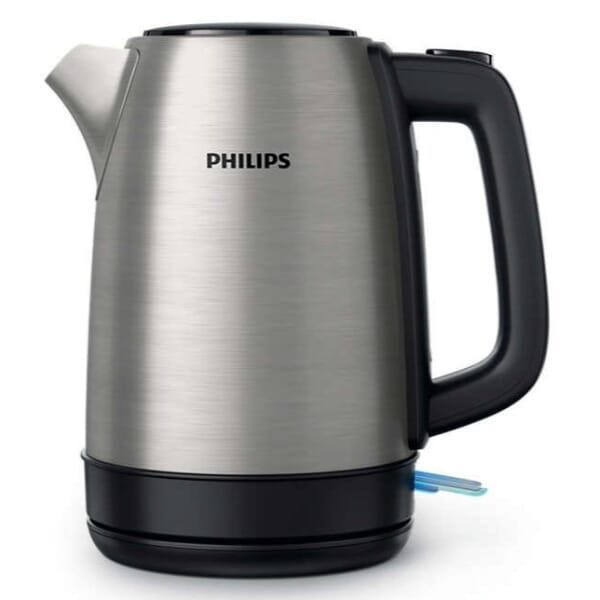
Stainless steel kettles are durable, look smart on the counter and do not hold onto smells. The Philips Daily Collection Stainless Steel Electric Kettle has a spring lid and a light indicator in its name, two small conveniences you will appreciate daily. The Kenwood ZJM01 Stainless Steel Cordless Kettle is another solid choice for a modern kitchen. The outside of a steel kettle can get hot during boiling, so keep it away from small hands.
Plastic
Plastic kettles are light, often more affordable, and the body usually stays cooler to the touch. The Kenwood ZJP01 Electric Kettle is described as plastic with a removable mesh filter, a sensible combination for everyday family use. Look for a sturdy build and keep it clean so it does not hold odours.
Glass
Glass kettles let you watch the water boil and make scale easy to spot. They need careful handling and regular cleaning to keep looking clear.
Power and Speed
Most kettles in this category run at around 2,200 watts, which boils a full kettle quickly. Higher power means faster boiling, but every kettle at this level draws a lot of current for a few minutes.
Practical advice for Egyptian homes, particularly older buildings:
- Plug the kettle directly into a wall socket, not a multi-plug extension.
- Avoid running the kettle at the same time as a heater, an iron or an air fryer on the same circuit.
- If your lights dim when the kettle starts, ask an electrician to check the wiring.
The Filter: Your Defence Against Limescale
This is the feature people overlook, and in Egypt it matters more than almost anything else. Many areas have hard tap water, which leaves white or brownish flakes of limescale inside the kettle. Those flakes end up in your tea, slow down boiling and shorten the kettle’s life.
A good filter at the spout catches loose scale before it reaches your cup. The Braun WK300 Electric Kettle lists an anti-scale filter in its name, and the Kenwood ZJP01 has a removable mesh filter, which makes it easy to rinse.
Even with a filter, you still need to descale regularly. More on that below.
Small Features That Make a Big Difference
Cordless Base
A cordless kettle lifts off a round base, so you can pour without a cable trailing across the counter. It is easier for left and right-handed users alike and safer in busy kitchens.
Lid Design
Look at how the lid opens. A spring or flip lid that opens with a button is easier to fill and keeps your hand away from steam. A lid that must be pulled off fully can be awkward when the kettle is hot.
Water Window
A clear water level window lets you boil just what you need, which saves electricity and time.
Indicator Light
A light that shows the kettle is on sounds trivial, but in a bright kitchen, or when several people share the kitchen, it prevents confusion.
Automatic Shut-Off and Boil-Dry Protection
Check the product details and the manual for safety features such as switching off automatically when the water boils or when the kettle is empty. The Braun WK300 mentions safety features in its name; for any model, confirm exactly which protections it has before relying on them.
Handle and Balance
Pick up the kettle if you can. A full kettle weighs nearly two kilos; the handle should feel secure and the pour should be controlled, without dribbling down the side.
How to Descale Your Kettle
Descaling takes a few minutes and makes a noticeable difference to taste and boiling speed.
- Fill the kettle about halfway with a mix of equal parts white vinegar and water, or water with a few spoons of citric acid (limon malh), a common Egyptian pantry staple.
- Bring it to the boil, then switch off and leave it to sit for twenty to thirty minutes.
- Empty it, and gently wipe away any loosened scale with a soft cloth. Never use metal scourers inside.
- Rinse thoroughly, then boil fresh water once or twice and discard it to remove any taste.
- Remove and rinse the filter separately.
In hard water areas, many families descale every two to four weeks. You will know it is time when you see white deposits or flakes.
Always follow the manufacturer’s instructions in the manual, which take priority over general advice.
Everyday Care Habits
- Empty the kettle after use. Water left standing overnight encourages scale.
- Use filtered water if possible. It reduces scale and improves the taste of tea and coffee.
- Never immerse the kettle or base in water. Wipe the outside with a damp cloth.
- Keep the base dry. Wipe up spills around the base before placing the kettle back.
- Do not overfill. Boiling water can spit out of the spout above the maximum line.
More Than Tea: Everyday Uses for a Kettle
A kettle saves time well beyond the teapot. Once you get used to it, you will reach for it throughout the day.
- Speeding up cooking. Pour freshly boiled water into the pot for pasta, rice or molokhia stock instead of waiting for cold water to heat on the hob.
- Instant oats and breakfast. Hot water for oats, instant coffee or a quick cup of hot chocolate for children on a cold morning.
- Herbal drinks. Anise, karkade served hot, chamomile, cinnamon and ginger, or mint for an upset stomach.
- Blanching. Pour boiling water over tomatoes to slip their skins off, or over almonds before peeling.
- Warming dishes and flasks. A splash of hot water warms a teapot or thermos before you fill it, so drinks stay hot longer on trips to the coast or on picnics.
- Soaking pans. Hot water from the kettle loosens burnt-on food in a pan far faster than cold tap water, so the washing up after a big family lunch is easier.
Matching a Kettle to Your Household
- A couple or small family: a 1.7L cordless kettle with a filter and an easy lid covers everything.
- A large family that drinks tea all day: prioritise durability and a strong filter. Stainless steel is a good long-term choice.
- A home with young children: a plastic body that stays cooler, a secure lid and a cordless base placed well back from the counter edge.
- An office or study corner: a simple, quick kettle with a light indicator, so nobody leaves it on by mistake.
Making the Tea Corner Beautiful
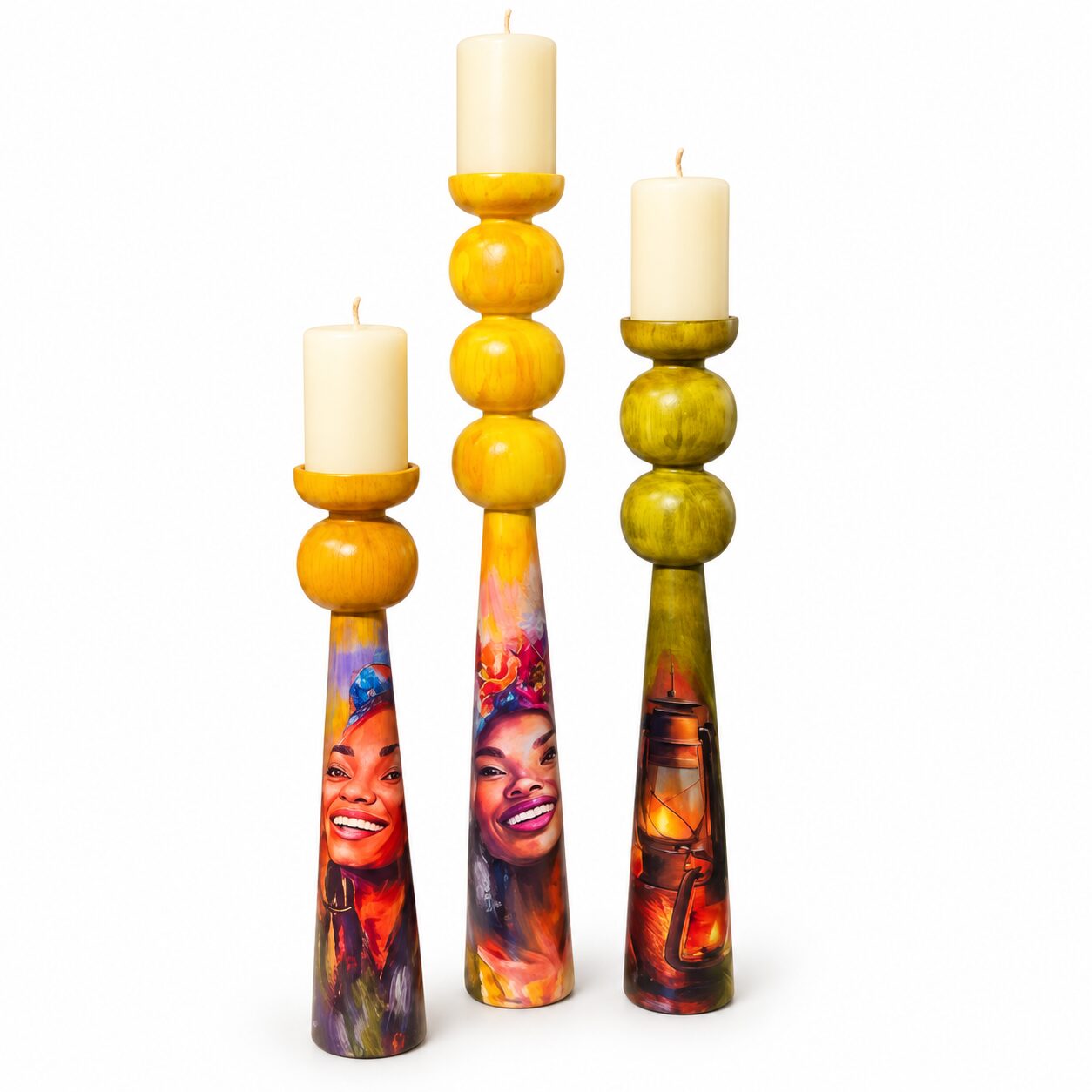
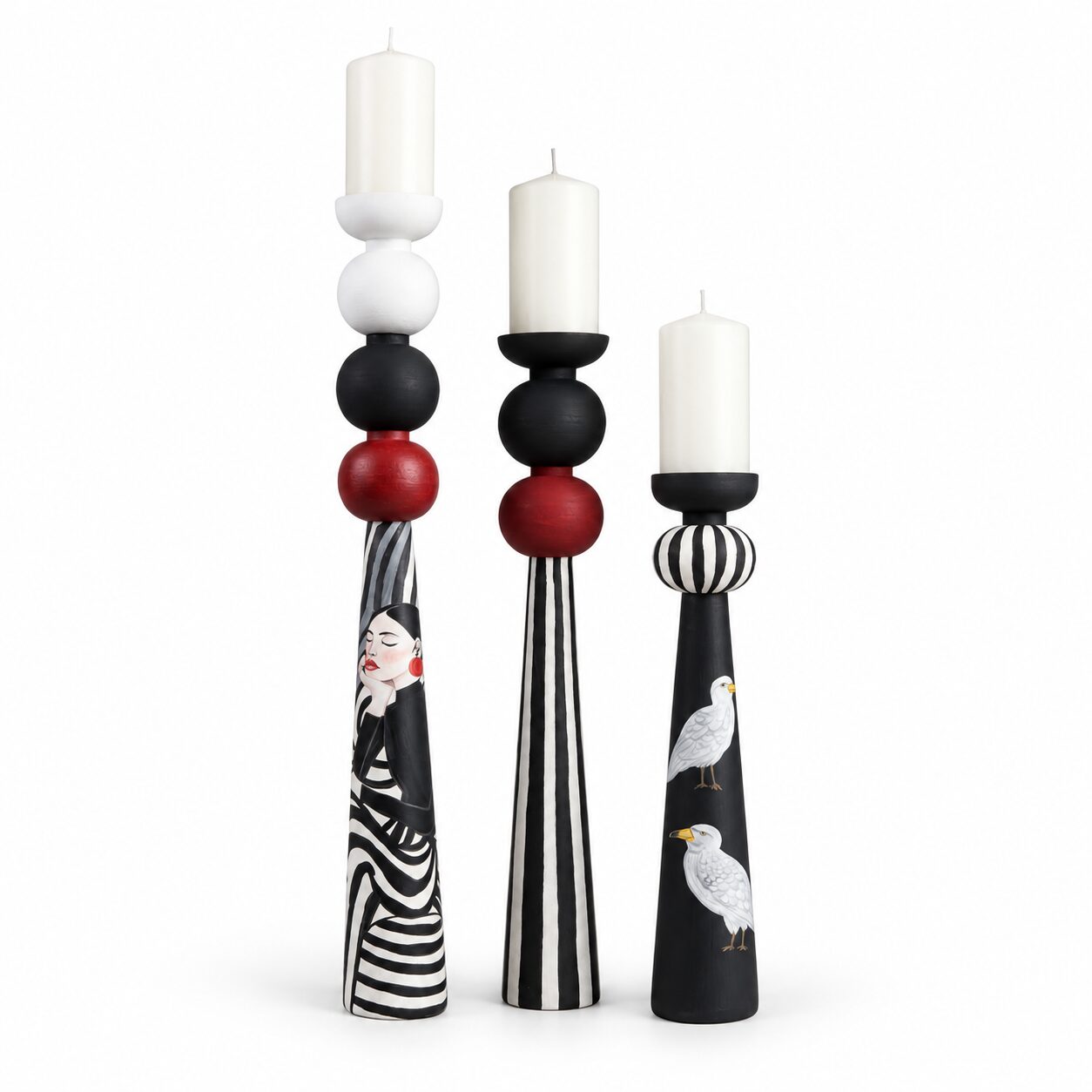
The kettle usually sits at the heart of a little tea and coffee station, so give it company that looks good and works hard.
Common Mistakes to Avoid
- Choosing on colour alone. Look at filter, lid and handle first.
- Ignoring limescale. It changes the taste of every cup.
- Boiling a full kettle for one glass. Wasted time and electricity.
- Sharing a socket with other heavy appliances. Overloaded extensions are a real risk.
- Leaving water in overnight. It speeds up scale build-up.
- Placing the kettle under wall cabinets. Steam can damage wood and paint over time.
Quick Checklist
- Capacity suits my household and guests
- Material suits my family: steel for durability, plastic for a cooler body
- It has a filter I can remove and rinse
- The lid is easy to open with one hand
- It has a clear water window
- I have a wall socket for it, away from the sink
- I have a descaling routine planned
A Small Appliance That Deserves Attention
A kettle is with you from the first tea of the morning to the last cup at night. Choosing one with a good filter, an easy lid and a comfortable handle, then descaling it regularly, means better-tasting tea and a kettle that lasts. Pair it with a few beautiful mugs and a tidy tea corner, and that daily ritual becomes a small pleasure.
Browse electric kettles, mugs and tea accessories at coccarohome.com.
Shop the Look
- Philips Daily Collection Stainless Steel Kettle — EGP 3,509 — A 1.7L steel kettle with a spring lid and light indicator.
- Braun WK300 Electric Kettle — EGP 3,743 — Cordless, with an anti-scale filter, in a cheerful red.
- Kenwood ZJM01 Stainless Steel Cordless Kettle — EGP 3,275 — A sleek steel kettle for a modern kitchen.
- Kenwood ZJP01 Electric Kettle — EGP 2,924 — A practical everyday kettle with a removable mesh filter.
- Philips Series 3000 Electric Kettle — EGP 2,924 — A 1.7L, 2,200W kettle in classic black.
- Philips 1000 Series Electric Kettle — EGP 2,339 — An accessible 1.7L kettle in charcoal grey.
- Braun Breakfast1 Electric Kettle — EGP 2,807 — A clean white 1.7L kettle that suits light kitchens.
- Stoneware Mug Set with Matching Tray — EGP 486 — Two handmade cups and a tray for your tea corner.
- Handwoven Rope Storage Basket with Lid — EGP 461 — Keeps tea bags and sachets tidy beside the kettle.
- Wooden Mandala Coasters, Set of 6 — EGP 756 — Protects surfaces when tea moves to the living room.