Think about how many times a day you walk down your hallway. From the bedrooms to the kitchen, from the bathroom to the living room, from the front door to everywhere else. It may be the most travelled space in your home, and it is almost always the least decorated.
In many Egyptian apartments, the corridor is a long, narrow passage with doors on both sides and little or no natural light. It connects everything but belongs to no one, so it ends up painted the same colour as the rest of the flat and left alone. Yet with a few thoughtful choices, a corridor can become a small gallery, a useful storage zone and a pleasant transition between public and private parts of the home. Here is how.
Understand Your Corridor First
Corridors come in a few common shapes, and each needs a slightly different approach.
- The long, narrow passage: typically 90 to 120 cm wide, running past bedroom and bathroom doors. The challenge is to avoid a tunnel effect.
- The L-shaped or turning corridor: has a natural focal point at the turn, which is a gift for decor.
- The wide hallway: found in older buildings and villas, wide enough for a console, bench or even a reading chair.
- The short connector: a small square lobby between rooms, often with four or five doors opening onto it.
Measure the width and note where doors swing. Anything you add must leave at least 80 to 90 cm of clear walking space, and nothing should interfere with a door opening.
Start at the Floor: Runners Set the Rhythm
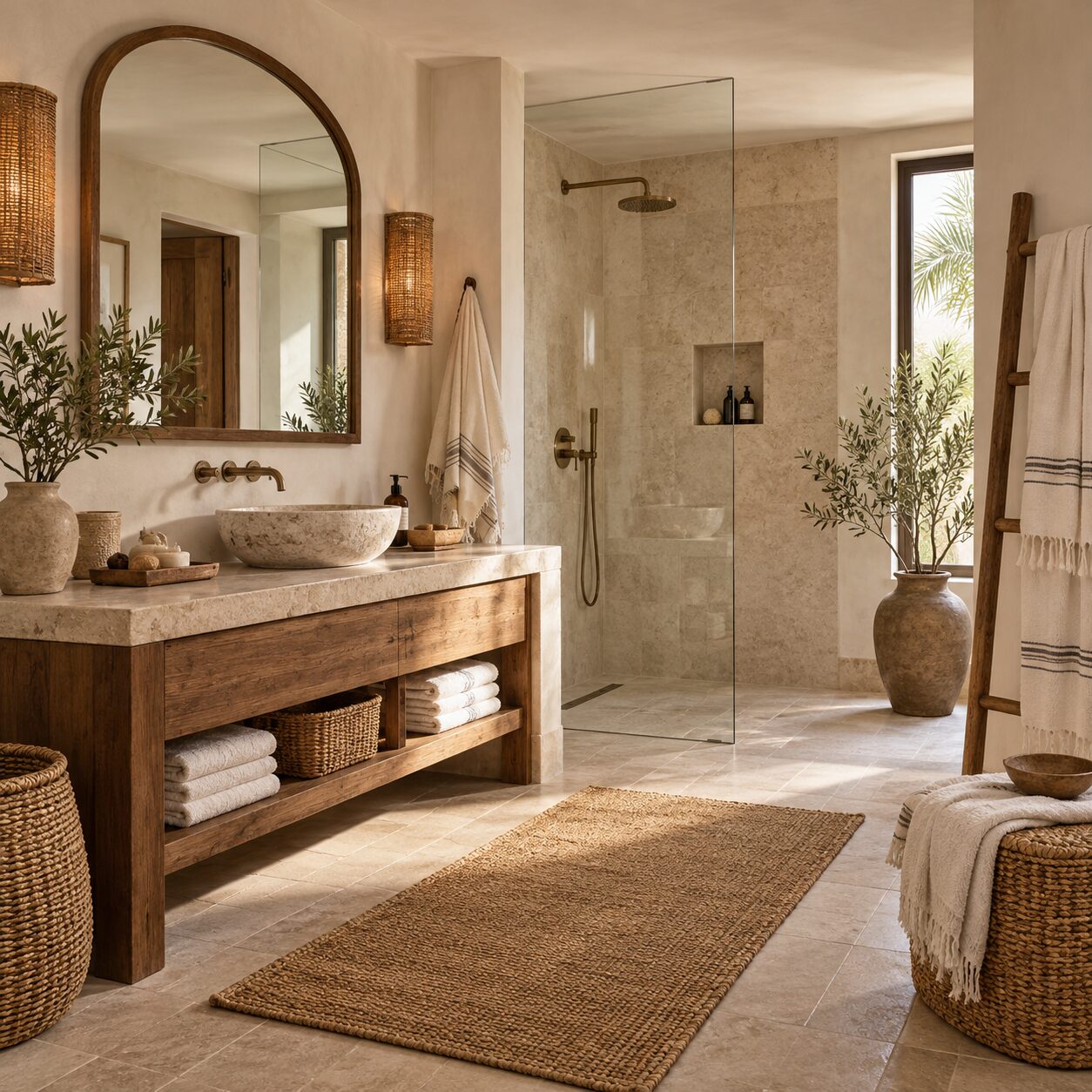
A runner rug is the single most effective piece in a corridor. It softens footsteps, adds colour and pattern, and visually guides you from one end to the other. It also protects floors in the busiest path in the home.
Choose a runner that leaves about 10 to 15 cm of floor visible on each side, and stops roughly 15 to 30 cm short of each end of the corridor. For long passages, two runners of the same design laid end to end, with a small gap, can work better than one that is too short.
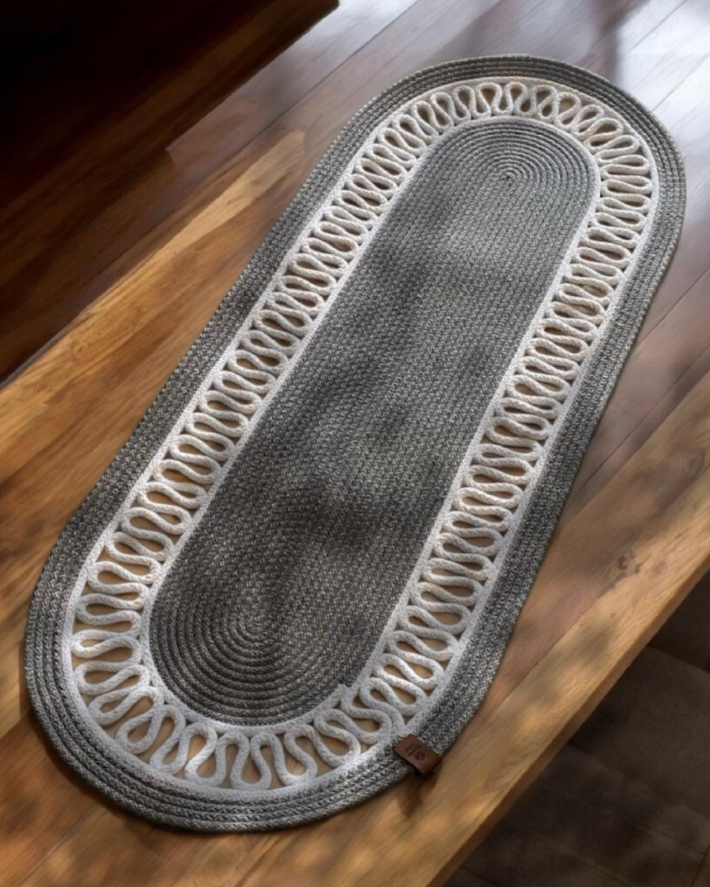
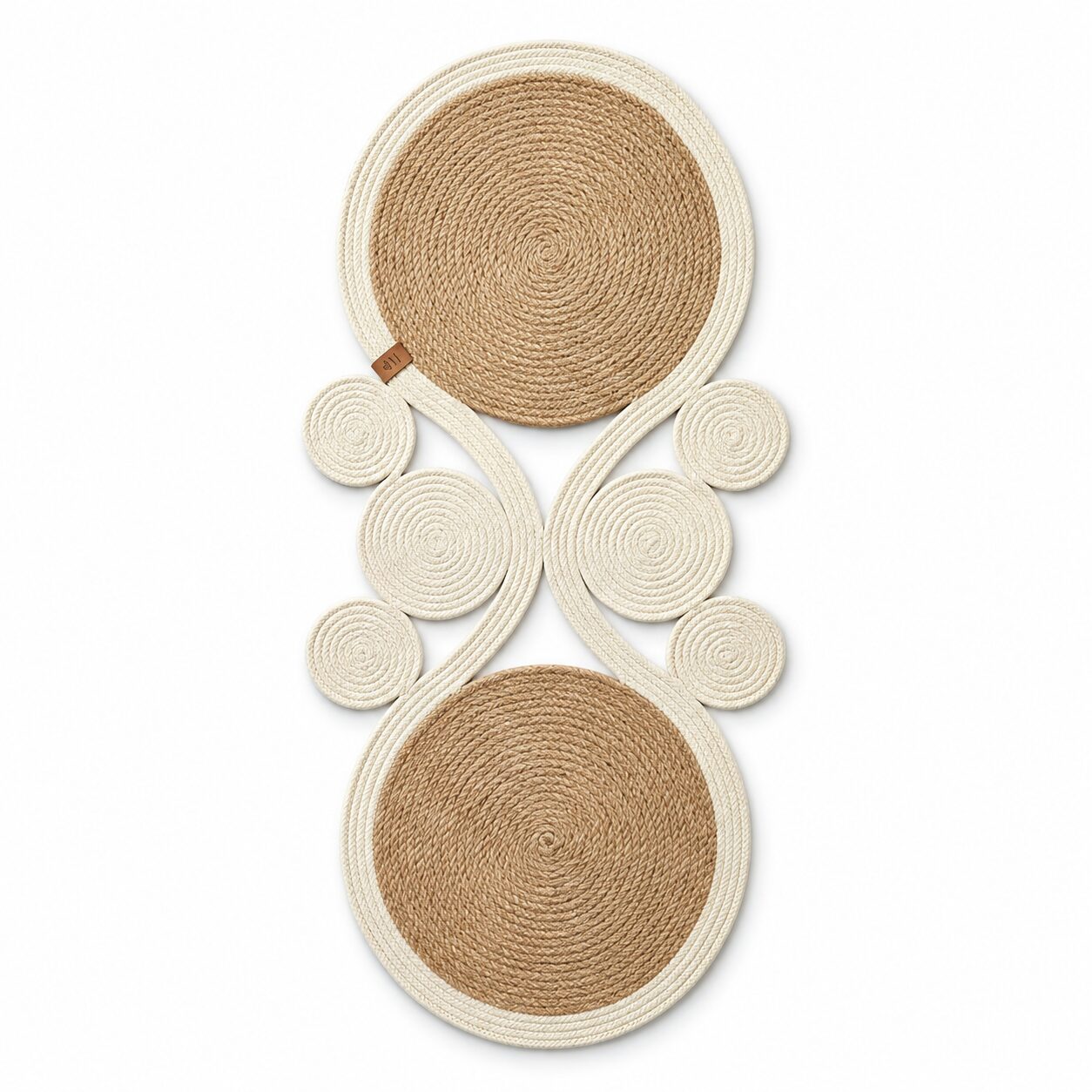
Natural fibres handle heavy traffic well. The Handwoven Oval Jute Runner Rug in Grey and White brings a braided, natural texture that suits most corridors and hides everyday dust better than a plain light rug. In a wider hallway, a flat kilim like the Linear Pattern Handmade Kilim Rug in Black and Beige adds graphic pattern and a handmade feel.
Runner Tips for Egyptian Homes
- Use a non-slip underlay, especially on marble or ceramic tile.
- Shake or vacuum runners weekly; corridors collect dust from every room.
- Darker or patterned runners hide marks from daily traffic.
- In homes with children, flat-woven rugs are easier to walk and play on than thick pile.
Walls: Make the Corridor a Gallery
Corridor walls are perfect for art because people move past them slowly and at close range. Detailed, textured or personal pieces shine here.
Hang Art at a Steady Line
In a long corridor, a consistent hanging height creates calm. Choose a centre line, around 145 to 150 cm from the floor, and align the middle of each piece to it. Alternatively, align the bottom edges for a more modern look. Either works; mixing both looks messy.
Choose Shallow Pieces
Because corridors are narrow, avoid deep shelves or bulky objects at shoulder height that people might knock. Flat or shallow pieces are ideal: wall plates, framed prints, textile art and slim wooden pieces.
The Ocean Treasures Hand-Painted Wooden Wall Plates can be lined up horizontally along a corridor wall for a rhythmic, coastal look. A soft textile piece like the Wooden Half Circle Macrame Wall Hanging adds warmth to a wall that otherwise only echoes footsteps.
Make the End Wall Count
The wall at the end of a corridor, or at its turn, is the most valuable wall in the space. It is what you see every time you step into the passage. Give it your strongest piece: a large artwork, a bold textile, or a mirror. This draws the eye forward and makes the corridor feel purposeful instead of endless.
Mirrors to Fight the Tunnel Effect
A dark, narrow corridor feels even narrower when every surface is flat and solid. A mirror breaks that feeling by reflecting light and adding apparent depth.
Hang a mirror on a side wall opposite a door that lets in light, or at the end of the corridor to double its perceived length. A decorative frame turns it into a statement. The Bohemian Decoupage Tile Wall Mirror adds colourful handmade detail, and doubles as a last-look mirror on your way out.
Make sure a mirror at the end of a corridor does not reflect a bathroom or a cluttered room. Stand at the start of the corridor and check what it shows before drilling.
Lighting a Corridor Properly
Most corridors are lit by a single ceiling fixture in the middle, which leaves both ends gloomy. Better lighting changes the mood of the space more than anything else.
- Use several smaller fixtures spaced evenly along a long corridor instead of one central light.
- Choose warm-white bulbs so the corridor feels welcoming at night.
- Consider a pendant in a wider hallway or at a turn, hung high enough to clear tall family members comfortably.
- Add a small lamp on a console in a wide hallway for a soft evening glow.
- Keep a low night light near bedrooms for children and late-night trips to the kitchen.
In a wide hallway or lobby, the Cylindrical Satin Pendant Light with Adjustable Drop gives soft, diffused light, and the adjustable drop lets you set the height to suit your ceiling.
Slim Storage That Earns Its Place
Corridors can solve storage problems for the whole home, as long as storage stays slim and tidy.
Wall-Hung Baskets
Wall-mounted baskets keep the floor clear. A Rattan Wall Hanging Basket with Leather Handle near the front end of the corridor can hold keys, sunglasses or the day’s post. A three-tier woven rope hanging basket on the back of a door holds scarves, chargers or small toys.
A Bench in a Wider Hallway
If your hallway is wide enough, a bench with storage is invaluable. It gives you somewhere to sit and put on shoes, and hides clutter inside. The Wooden Storage Bench with Cushioned Seat combines seating, shoe storage and a side magazine rack in one piece.
Rules for Corridor Storage
- Keep anything at shoulder height shallow, ideally under 15 cm deep.
- Choose closed or lidded storage so the corridor does not look cluttered.
- Give every family member one hook, basket or shelf, and keep it at that.
Colour Tricks for a Narrow Space
Paint and colour can reshape a corridor before you hang a single thing. A few simple rules help:
- Light walls, darker end wall. Painting the far wall a slightly deeper shade makes it appear closer, which shortens a very long corridor.
- One colour family. Keep the corridor in tones that connect the rooms it joins, so it feels like a bridge rather than a separate zone.
- Warm neutrals over stark white. In a passage with no daylight, pure white can look grey; warm beige, sand or soft clay feel brighter in artificial light.
- Repeat an accent. Pick one accent colour from the runner and repeat it in a frame, a basket or a cushion on the bench. That repetition makes the whole corridor look planned.
Bringing Life to Windowless Corridors
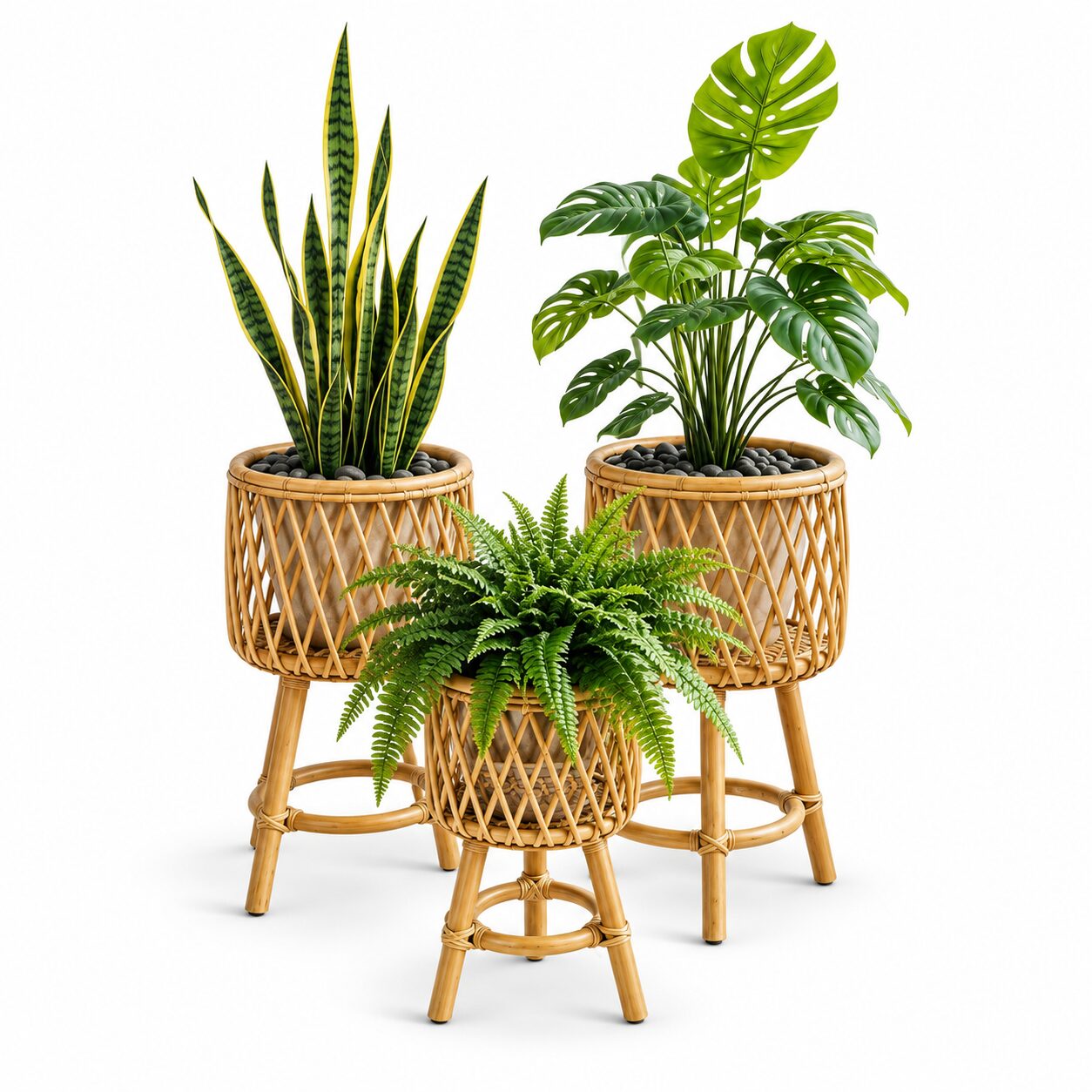
Most inner corridors in Egyptian apartments have no windows. Real plants struggle in these conditions, but greenery still makes a big difference. A small artificial plant on a console, a hanging planter with faux trailing stems, or a slim tall plant at the end of the corridor all bring a sense of life without needing light or watering.
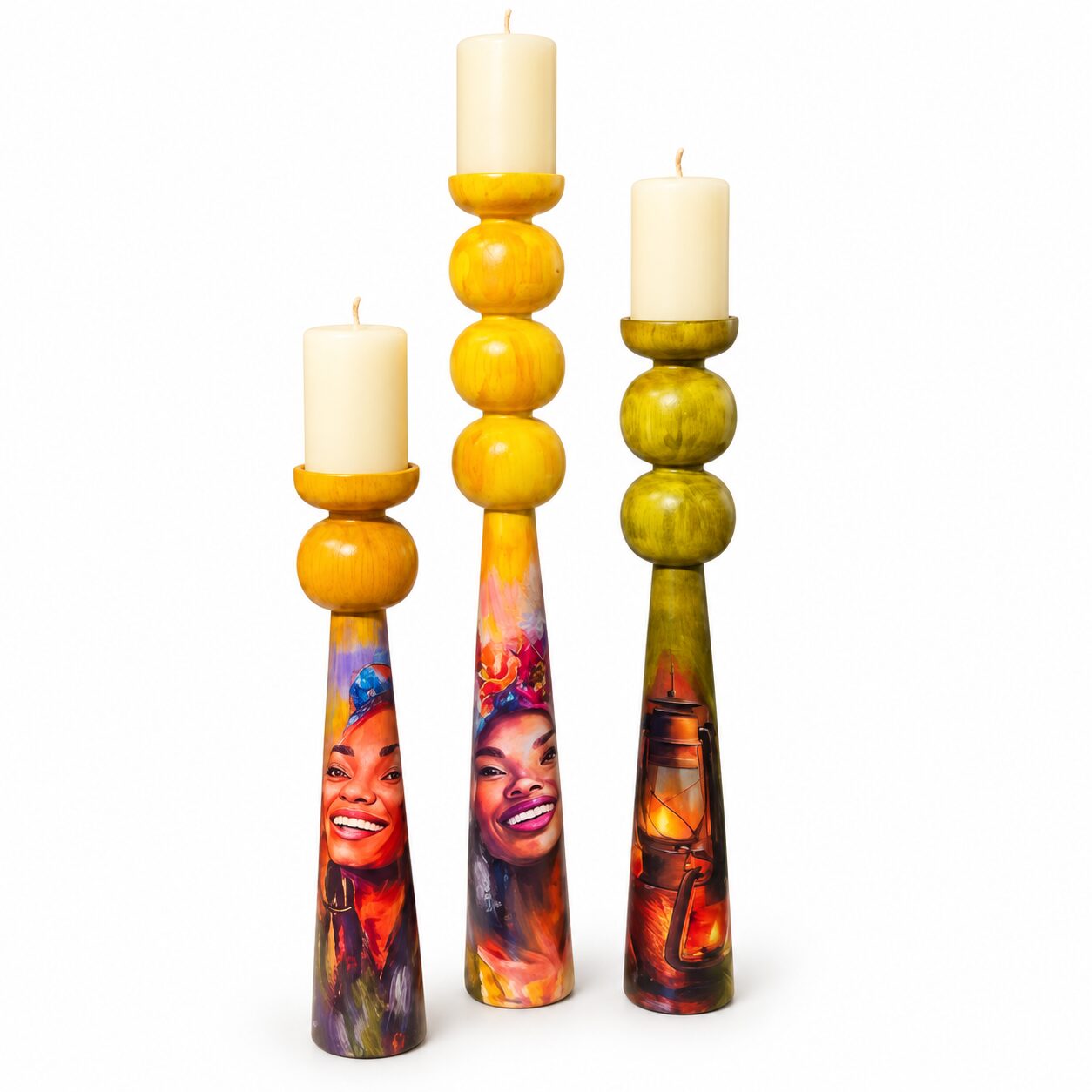
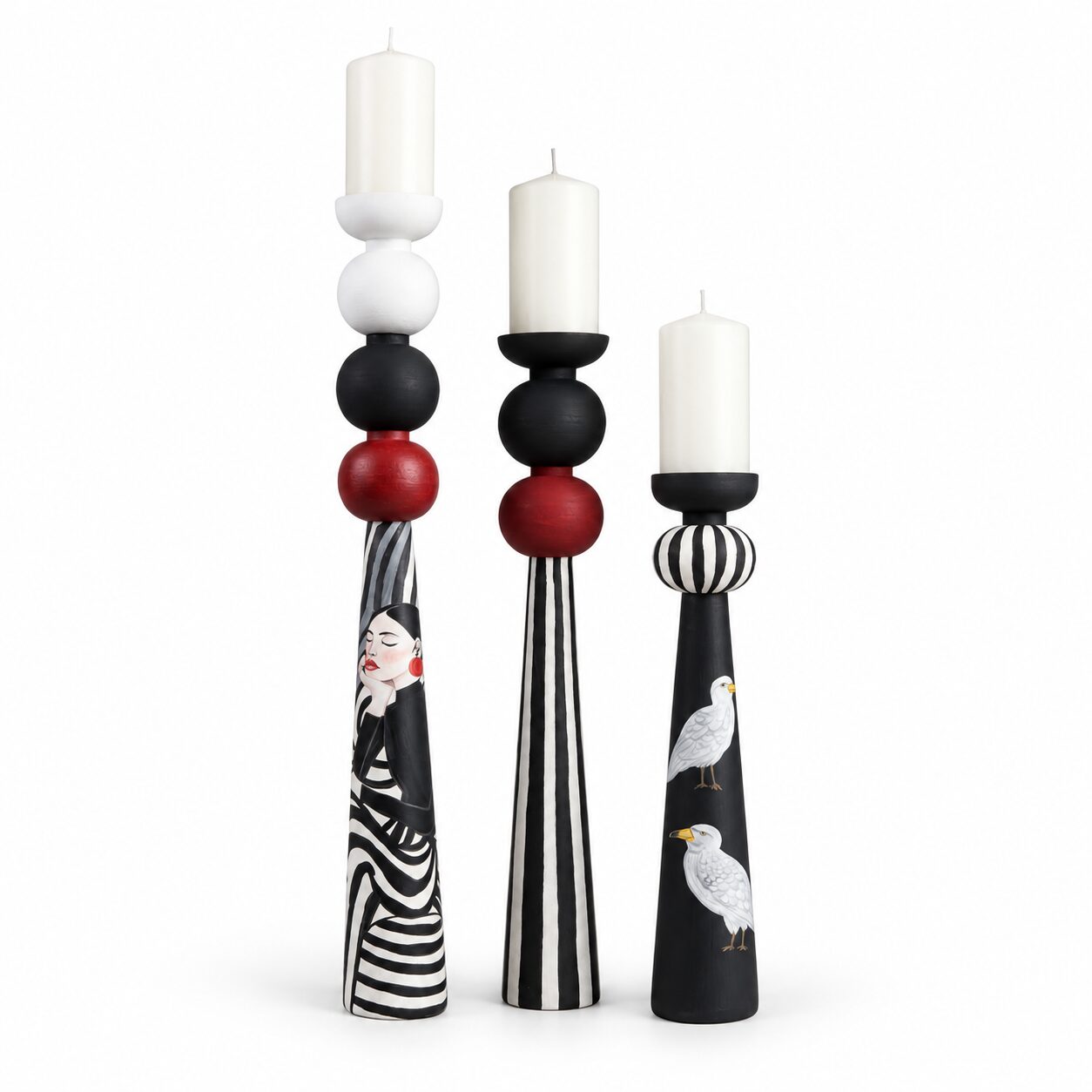
Scent also helps. A candle or diffuser on a console in a wide hallway (kept well away from curtains and children) makes the passage feel cared for.
Corridors in Homes With Children
Corridors in family homes take extra punishment: toy cars, scooters, running feet and small hands trailing along the walls. A few adjustments keep the space beautiful and safe. Hang breakable pieces and mirrors above a child’s reach, and secure every frame with two fixings so it cannot swing or fall. Choose washable paint so fingerprints wipe away. A flat, non-slip runner is safer than a thick rug for little ones on the move. And consider giving children their own section of wall for a rotating display of drawings, at their eye level, so the corridor becomes a source of pride rather than a battleground.
Common Mistakes to Avoid
- Leaving the corridor bare. It is the most used space in many homes; it deserves attention.
- A runner that is too narrow or too short. It looks like an afterthought.
- Bulky furniture. Anything that narrows the walking path below 80 cm causes daily bumps.
- One central light. Both ends stay dark and the corridor feels longer.
- Random hanging heights. In a long corridor, a steady line matters more than anywhere else.
- Ignoring the end wall. It is your corridor’s focal point; use it.
Quick Checklist
- Width measured and door swings noted
- At least 80 to 90 cm of clear walking space
- Runner rug with non-slip underlay
- Art hung on one consistent line
- A strong piece or mirror on the end wall
- Several warm light sources, not just one
- Slim, wall-mounted or lidded storage
- A touch of greenery or scent
A Passage Worth the Walk
Your corridor connects every part of your daily life. Treat it as a room in its own right, with a runner underfoot, art on the walls, good light and a little clever storage, and the trip from bedroom to kitchen becomes one of the nicest moments of the day.
Discover handmade runners, wall art, mirrors and baskets at coccarohome.com and bring your hallway to life.
Shop the Look
- Grey and White Jute Runner Rug — EGP 1,296 — A braided natural runner that handles daily traffic.
- Linear Pattern Kilim Rug, Black and Beige — EGP 2,700 — Graphic handmade pattern for wider hallways.
- Ocean Treasures Wooden Wall Plates — EGP 1,600 — Shallow wall art that lines up neatly along a corridor.
- Wooden Half Circle Macrame Wall Hanging — EGP 1,512 — Soft texture for a hard, echoing passage.
- Bohemian Decoupage Tile Wall Mirror — EGP 6,048 — Adds light and depth to a narrow space.
- Cylindrical Satin Pendant Light — EGP 3,300 — Soft diffused light with an adjustable drop.
- Rattan Wall Hanging Basket — EGP 1,188 — A wall-mounted catch-all for keys and post.
- 3-Tier Woven Rope Wall Hanging Basket — EGP 1,200 — Over-the-door storage that keeps the floor clear.
- Wooden Storage Bench with Cushioned Seat — EGP 14,580 — Seating and shoe storage for wide hallways.