Turn off the ceiling light in your living room one evening and switch on a single lamp. The room changes at once. Corners soften, colours warm up, and the space feels quieter and more intimate. That is the power of a well-chosen table lamp, and it is why designers often say you need at least three sources of light in every room, with the overhead fixture used least.
In many Egyptian homes, the bright white ceiling light still does almost all the work, from morning coffee to late-night conversation. It is practical, but it flattens a room and casts harsh shadows on faces. A good table lamp fixes that. Choosing one, though, involves more than picking a base you like. Height, shade, bulb and placement all matter. This guide walks through each of them so your next lamp looks right and lights the room the way you want.
Start With the Job
Before style, decide what the lamp needs to do. Lamps generally do one of three jobs.
- Task light: focused light for reading, writing or makeup. Needs to be bright enough and positioned close to the activity.
- Ambient light: a soft overall glow that makes the room feel warm. Shade and bulb warmth matter most.
- Accent light: a decorative glow that highlights a corner, a shelf or an object. The lamp is part of the decor.
A bedside lamp often does all three: a reading light, a soft evening glow and a decorative object on the nightstand. A lamp on a console in the entrance is mostly accent. Knowing the main job helps you choose everything else.
Getting the Height Right
Height is where most lamp mistakes happen. A lamp that is too short throws light onto the table instead of the room; one that is too tall shines straight into your eyes.
Bedside Lamps
When you sit up in bed, the bottom of the shade should be roughly at chin to shoulder level. A useful guide is a lamp of about 60 to 75 cm on a nightstand that is level with, or a few centimetres below, the top of your mattress. In practice, sit up in bed, note where your shoulder falls against the wall, and choose a lamp whose shade bottom lands near that line.
Living Room Lamps
On a side table next to a sofa, the bottom of the shade should be at about eye level when you are seated, roughly 100 to 110 cm from the floor. That way you see light, not a glaring bulb. The side table and the sofa arm should be similar heights, and the lamp should be tall enough to rise comfortably above the arm.
Consoles and Sideboards
On an entrance console or a dining sideboard, lamps can be taller and more sculptural, because nobody sits beside them. A lamp that reaches about a third to half the height of a mirror or artwork above it makes a balanced composition.
Desks
For a desk lamp, the bottom of the shade should be just below eye level when seated, so light falls on your work without glare.
Choosing the Shade
The shade shapes the light, protects your eyes and sets much of the lamp’s style.
Size and Proportion
- Shade height should be about two-thirds the height of the base.
- Shade width should be roughly twice the width of the widest part of the base.
- The shade should cover the bulb and fitting when you look at it from a seated or standing position.
An oversized shade looks top-heavy; an undersized one looks like a hat that does not fit. When in doubt, take the base with you, or measure carefully before buying a replacement shade.
Shape
- Drum shades are straight-sided and modern, spreading light evenly up and down.
- Empire or tapered shades are narrower at the top, pushing more light downward. Good for reading.
- Bell shades have a curved, flared edge and feel traditional.
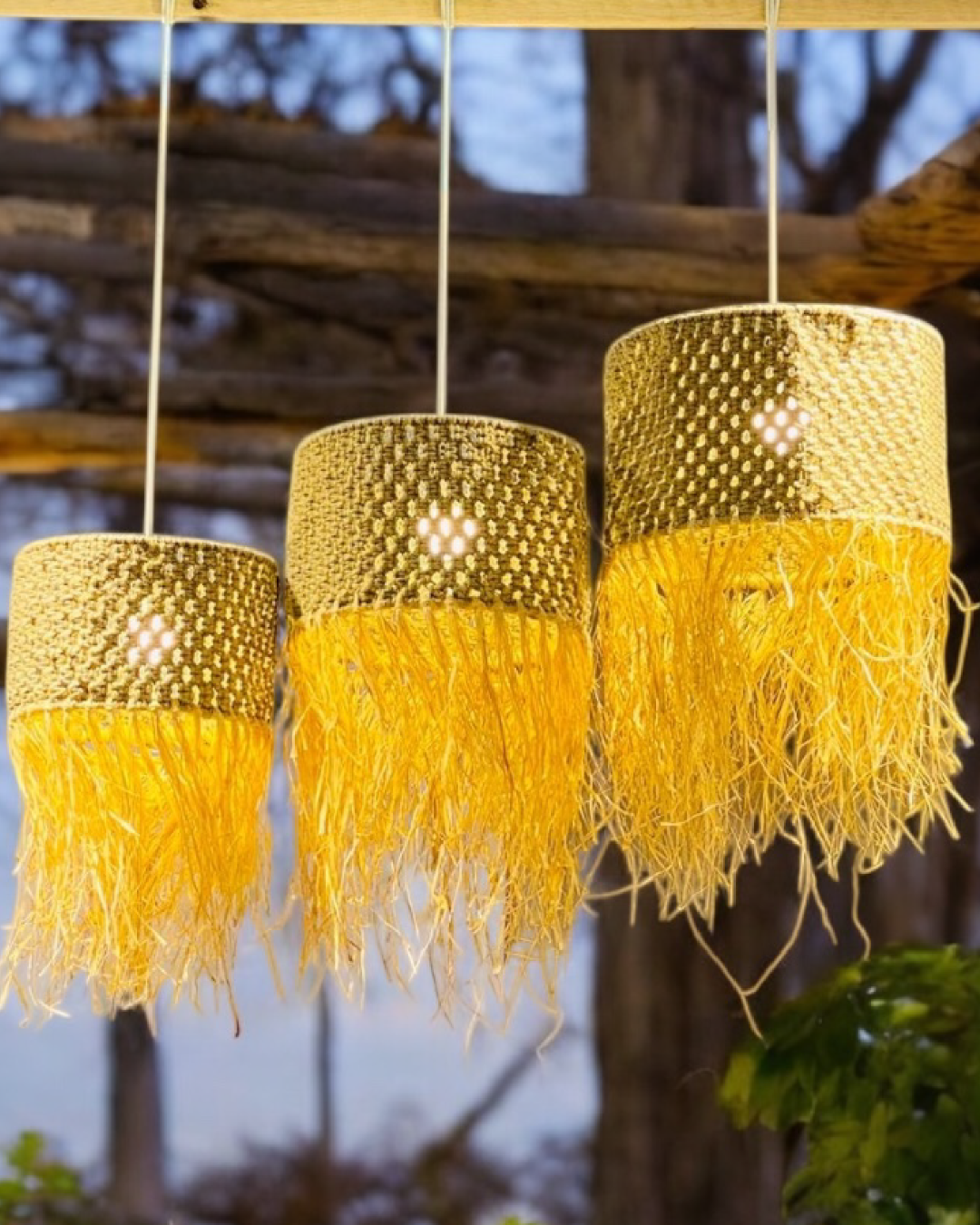
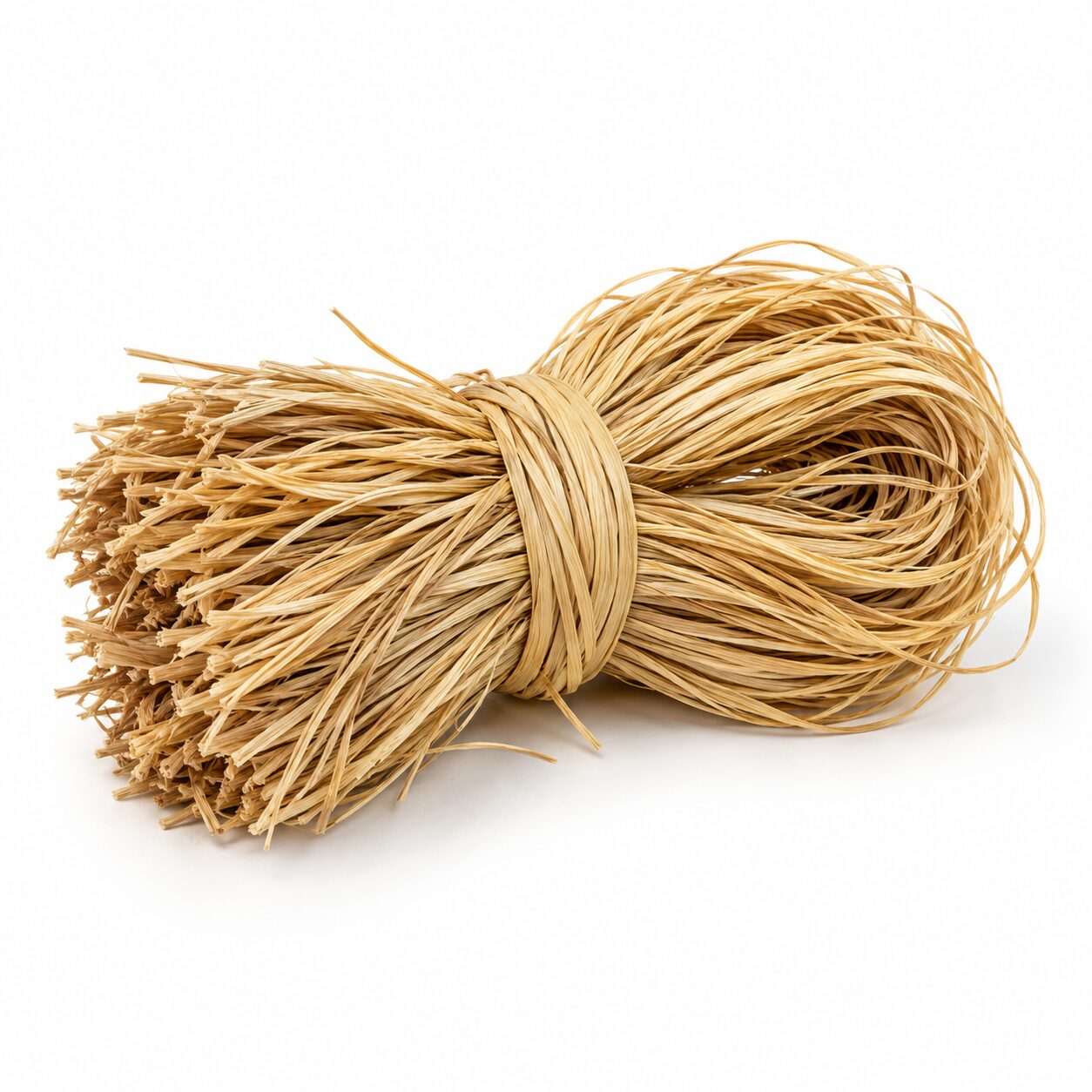
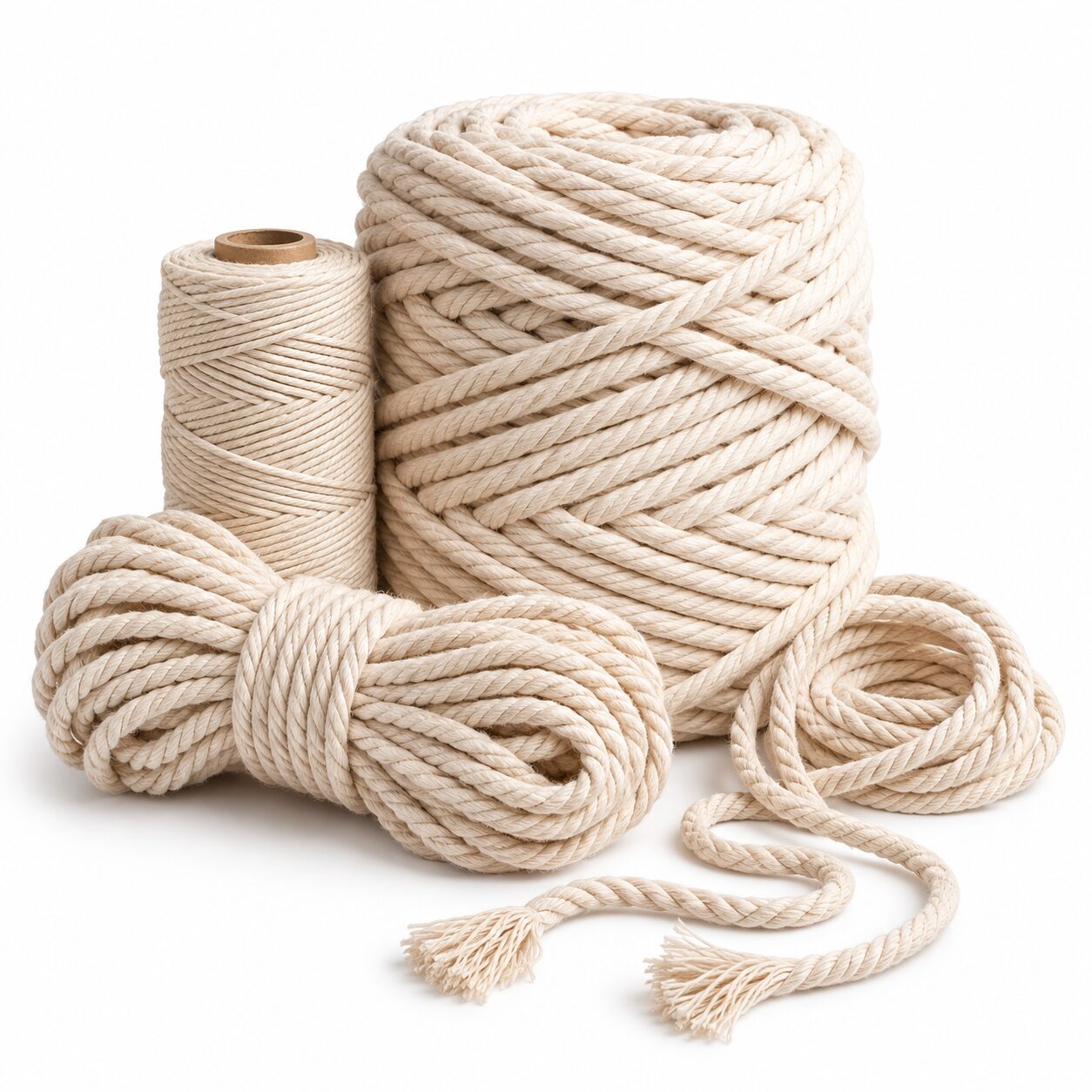
- Textured and woven shades filter light into soft patterns. A Macrame Lamp Shade made with burlap and raffia brings a boho or coastal mood and casts a warm, dappled glow.
Colour and Material
Light-coloured, thin fabric shades let more light through and spread a soft glow. Darker, thicker shades push light up and down in pools and feel more dramatic. Woven natural materials create texture on the walls and ceiling.
Choosing the Base
The base is where personality comes in. It is also what you see during the day, when the lamp is switched off, so it should earn its place as a decorative object.
- Hand-painted bases are works of art in their own right. The Indigo Botanica Table Lamp carries detailed blue botanical painting that suits a classic or eclectic bedroom.
- Wooden bases feel warm and natural. The Wooden Botanical Table Lamp pairs handcrafted wood with a botanical design and suits living rooms full of natural textures.
- Pottery and ceramic bases add weight and stability. The Striped Black and White Pottery Lamp brings graphic contrast to a neutral room.
- Folk-art and painted designs add colour and story. A Celestial Table Lamp in dark brown and blue feels poetic on a reading table.
Match the base to the room’s materials. A wooden lamp sits naturally in a room of halfa, jute and wood; a glossy painted lamp suits a room with brighter colours and patterned textiles.
Bulbs: Warmth and Brightness
The right bulb is as important as the right lamp. A beautiful lamp with a harsh, cold bulb will never look cosy.
Colour Temperature
Bulb warmth is measured in Kelvin (K).
- 2,700K, warm white: golden and cosy. Ideal for living rooms and bedrooms.
- 3,000K, soft white: slightly crisper, still warm. Good for reading and dining areas.
- 4,000K and above, cool or daylight: bright and bluish. Best kept for kitchens, bathrooms and work areas.
Many Egyptian homes default to cool white bulbs everywhere because they feel bright. For lamps, switch to warm white and notice how much more relaxed your evenings feel.
Brightness
- Ambient lamps: around 400 to 800 lumens.
- Reading lamps: around 800 lumens or more.
LED bulbs use little electricity, stay cool to the touch and last for years, which matters in a hot climate where heat from old-style bulbs is unwelcome.
Safety Basics
Always check the maximum wattage recommended for your lamp and shade, and never exceed it. Keep shades away from curtains, and use LED bulbs in fabric and woven shades because they run cooler.
Where to Place Table Lamps
A few placement principles make any room feel better lit.
- Create a triangle. In a living room, place three light sources roughly in a triangle, for example a lamp on each side table and a floor lamp in the opposite corner. Light spreads evenly and the room feels balanced.
- Light the corners. Dark corners make rooms feel smaller. A lamp on a corner table pushes the walls outward.
- Pair lamps for symmetry on either side of a bed or a sofa in formal rooms.
- Use a single lamp for asymmetry in relaxed spaces, balanced by a plant or a stack of books on the other side.
- Add a floor lamp where there is no table. The Dune Minimalist Tapered Floor Lamp fills an empty corner beside an armchair.
Room by Room
- Living room: two or three lamps at different heights, plus the ceiling light on a dimmer if possible.
- Bedroom: a lamp on each nightstand, or one for each sleeper’s reading needs.
- Entrance: a lamp on the console makes coming home in the evening feel welcoming.
- Dining room: a pair of lamps on a sideboard gives soft light for long iftar evenings without harsh glare on the table.
- Kids’ rooms: a warm, low lamp makes a gentle night light for bedtime stories.
Matching a Lamp to Your Decor Style
A lamp should feel like it belongs to the room, not like it arrived from somewhere else. A few quick pairings help.
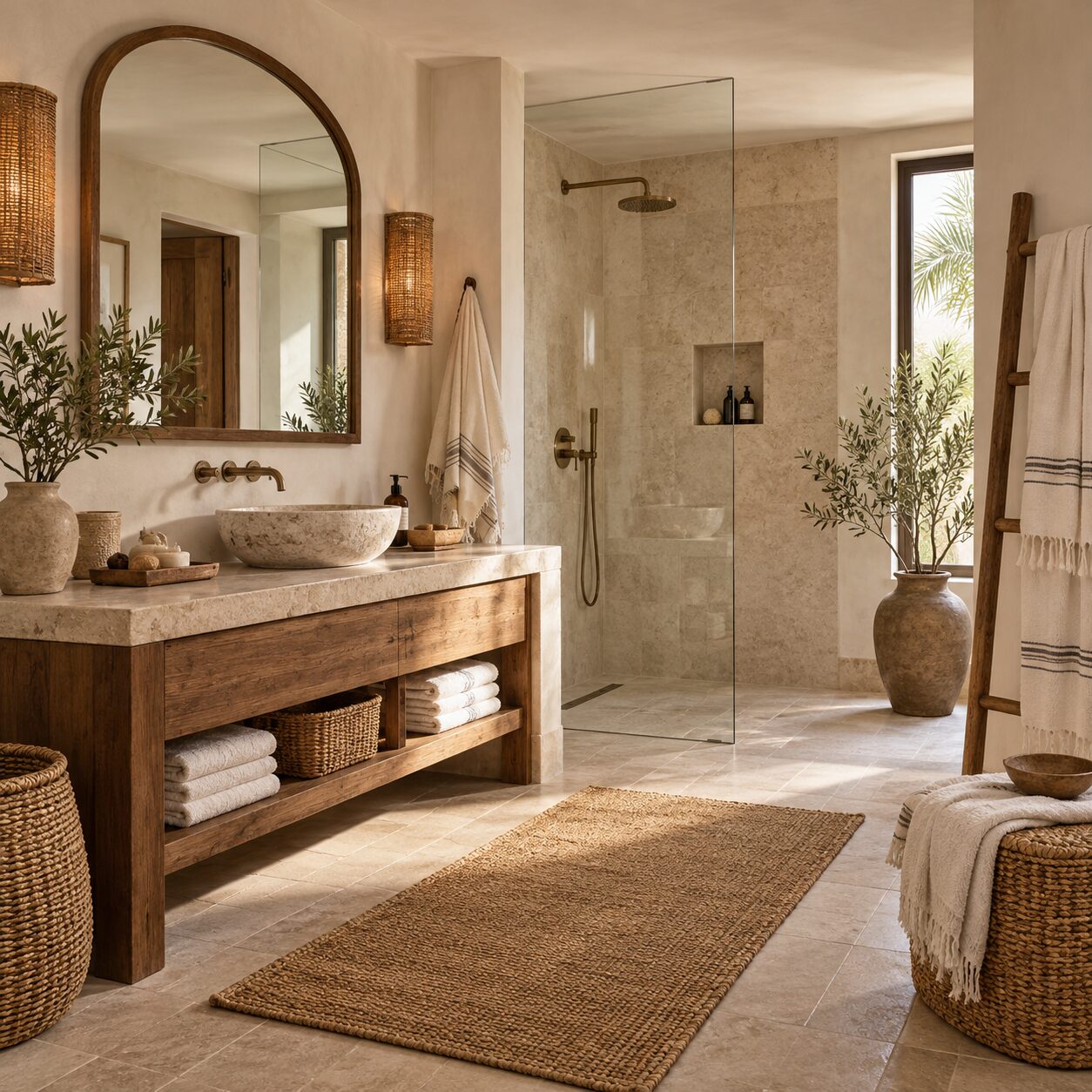
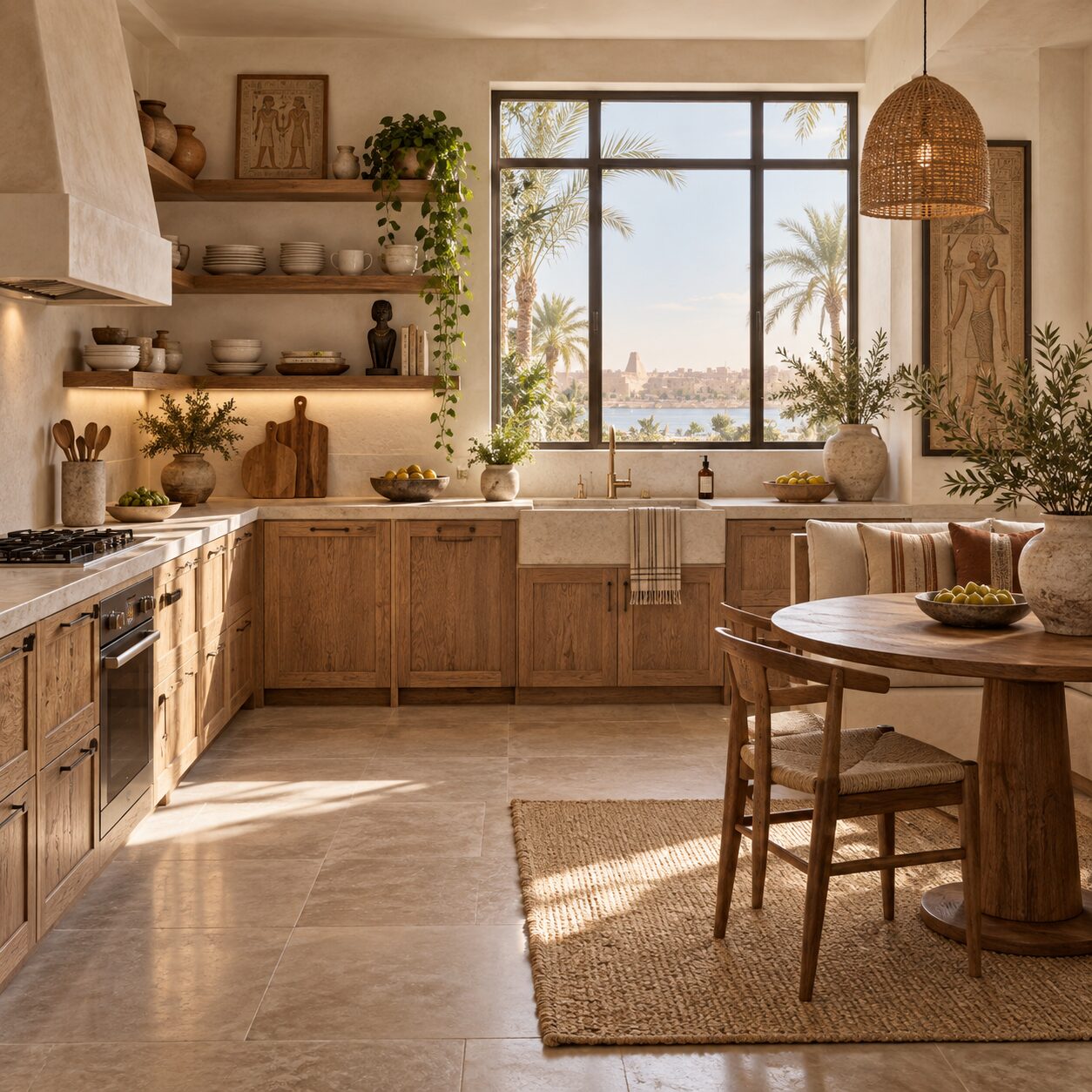
- Boho and natural rooms full of jute, halfa and macrame suit woven shades, raw wooden bases and warm, low light. A macrame or raffia shade echoes the textures already in the room.
- Modern and minimal rooms suit clean shapes and a restrained palette. A striped or monochrome pottery base with a simple drum shade adds interest without clutter.
- Classic and traditional rooms suit painted bases, bell or tapered shades and pairs of matching lamps for symmetry.
- Eclectic and colourful rooms are the place for hand-painted statement lamps with florals, figures or folk-art motifs. Let the lamp pick up one or two colours from the cushions or a rug.
- Coastal rooms with blues and whites look fresh with light shades, pale bases and natural fibre details.
Mixing More Than One Lamp
You do not need matching lamps throughout the house, but lamps in the same room should share something: a material, a colour or a similar shade shape. Two very different lamps on either side of a sofa can work beautifully if their shades sit at roughly the same height, which keeps the room feeling balanced.
Common Mistakes
- Lamp too short for the table or sofa beside it, lighting only the tabletop.
- Shade too small, exposing the bulb and causing glare.
- Cool white bulbs in living spaces, making evenings feel clinical.
- One lamp for a whole room, leaving dark corners.
- Cables everywhere. Run cords along the back of furniture and use cable clips so lamps look tidy.
- Ignoring the base by day. A lamp is visible all day; choose one you enjoy looking at.
Quick Checklist
- Know the lamp’s main job: task, ambient or accent
- Bedside shade bottom near shoulder height when sitting up
- Living room shade bottom near seated eye level
- Shade about two-thirds the base height and wide enough to hide the bulb
- Warm white bulbs, around 2,700K, for living spaces
- At least three light sources per room
- Cords tidied out of sight
Light That Feels Like Home
A great table lamp does quiet, everyday work: it makes reading easier, conversation warmer and the end of the day softer. Choose the height for the furniture, the shade for the light you want, and a base you love to look at, and your evenings will feel different straight away.
Explore hand-painted, wooden and pottery table lamps at coccarohome.com and find the one that brings your room to life after dark.
Shop the Look
- Wooden Botanical Table Lamp — EGP 3,300 — Warm handcrafted wood for living rooms full of natural textures.
- Indigo Botanica Table Lamp — EGP 4,950 — Detailed hand-painted blue florals for a classic bedroom.
- Striped Black and White Pottery Lamp — EGP 3,200 — Graphic contrast that suits modern, neutral rooms.
- Celestial Table Lamp — EGP 4,100 — A poetic brown and blue design for reading corners.
- Antique Folk Art Table Lamp — EGP 4,400 — Distressed bronze and white with storybook charm.
- Magenta Petal Table Lamp — EGP 4,950 — A colourful hand-painted statement for a bright room.
- Floral Table Lamp with Glossy Wooden Base — EGP 3,600 — Cheerful florals for a bedside or dresser.
- Macrame Lamp Shade — EGP 3,024 — Burlap and raffia texture for a softly filtered glow.
- Dune Minimalist Floor Lamp — EGP 5,500 — Fills a corner where there is no table for a lamp.