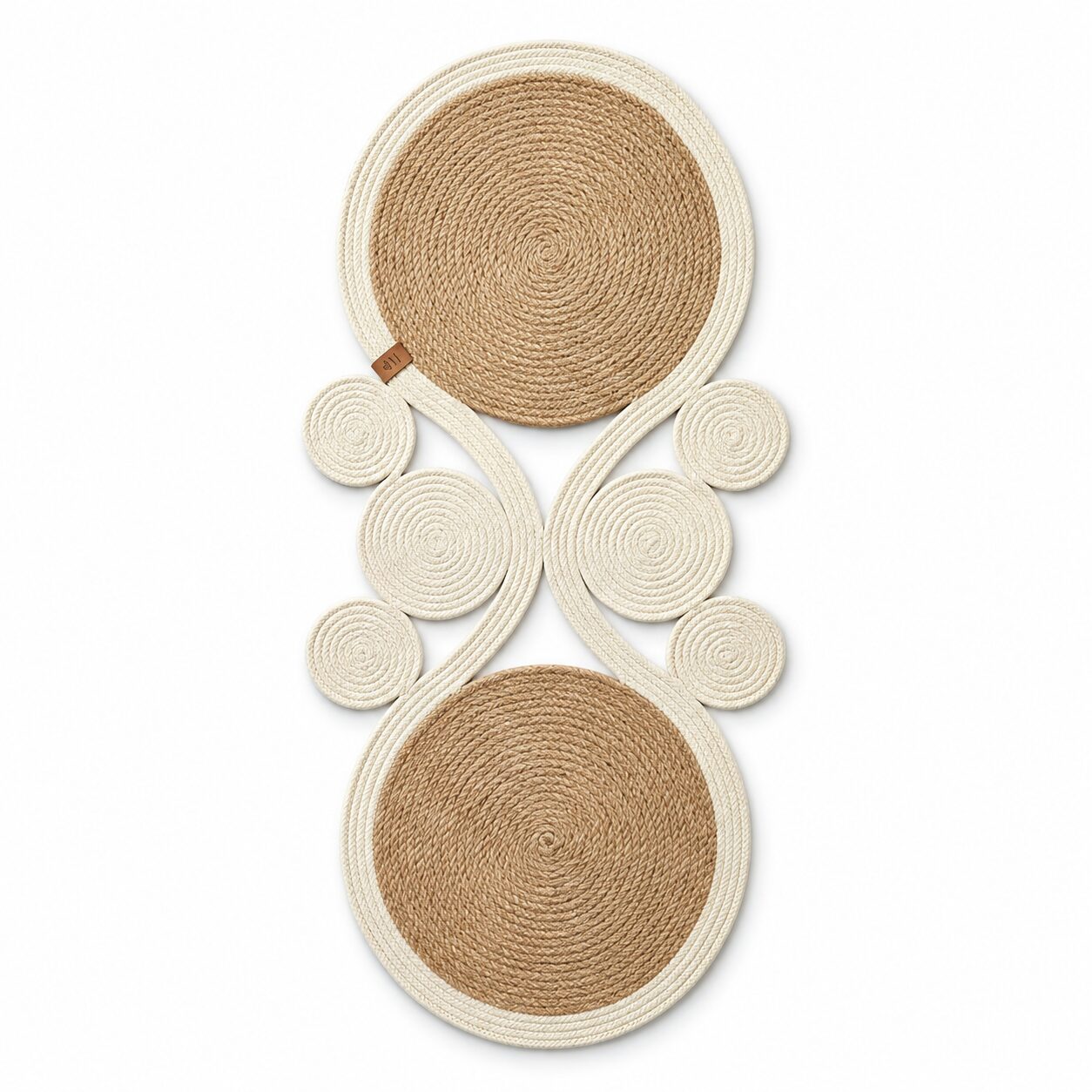
Handmade natural-fibre decor has a quality that factory-made pieces struggle to copy. A halfa basket carries the rhythm of the hands that wove it. A macrame runner has tiny variations in every knot. A jute rug brings the smell and texture of the earth into a tiled apartment. These pieces are also a living link to Egyptian craft traditions, from the halfa weavers of Upper Egypt to the rope and crochet artisans working in small workshops across the country.
Natural fibres are durable, but they are not plastic. They respond to water, sun, dust and humidity, and they reward a little knowledge. The good news is that caring for them is simple once you understand how each material behaves. This guide covers jute, halfa, macrame and cotton, with practical routines that suit Egyptian homes and weather.
First, a Few Universal Rules
Whatever the material, these principles keep natural decor at its best:
- Always read the care note that comes with your piece. Dyes, backings and mixed materials can change what is safe.
- Test before you clean. Try any cleaning method on a hidden spot first.
- Act on spills immediately. Blot, never rub. Rubbing pushes liquid deeper and frays fibres.
- Dry in the shade. Strong Egyptian sun dries quickly but also fades colours and makes fibres brittle.
- Avoid soaking unless the care note clearly says the piece is washable.
- Dust regularly. Dust is the main enemy of natural decor in Egypt, especially after windy or khamaseen days.
Caring for Jute
Jute is a strong plant fibre with a warm, earthy colour and a slightly coarse feel. It is used in rugs, baskets, tissue boxes and table linens.
How Jute Behaves
Jute is tough against dry wear, but it does not like water. When it gets very wet, it can darken, lose its shape, shrink, or develop a musty smell if it does not dry fast. It can also shed a little fibre, especially when new, which is normal.
Everyday Care
- Vacuum jute rugs once or twice a week using a suction-only setting or a brush attachment. Avoid beater bars, which pull the weave.
- Shake small items such as mats and tissue box covers outdoors to release dust.
- Rotate rugs every few months so traffic and sunlight are spread evenly. A Jute and Off-White Circle Rug will age more evenly if you turn it regularly.
- Trim loose fibres with scissors. Never pull them.
Cleaning Spills on Jute
- Blot the spill with a dry, absorbent cloth right away.
- If needed, dab lightly with a cloth dampened in water with a drop of mild soap.
- Blot again with a dry cloth to lift the moisture.
- Let it dry completely, ideally with a fan blowing across it.
For dry dirt, let mud dry fully, then brush and vacuum it away.
Jute Baskets
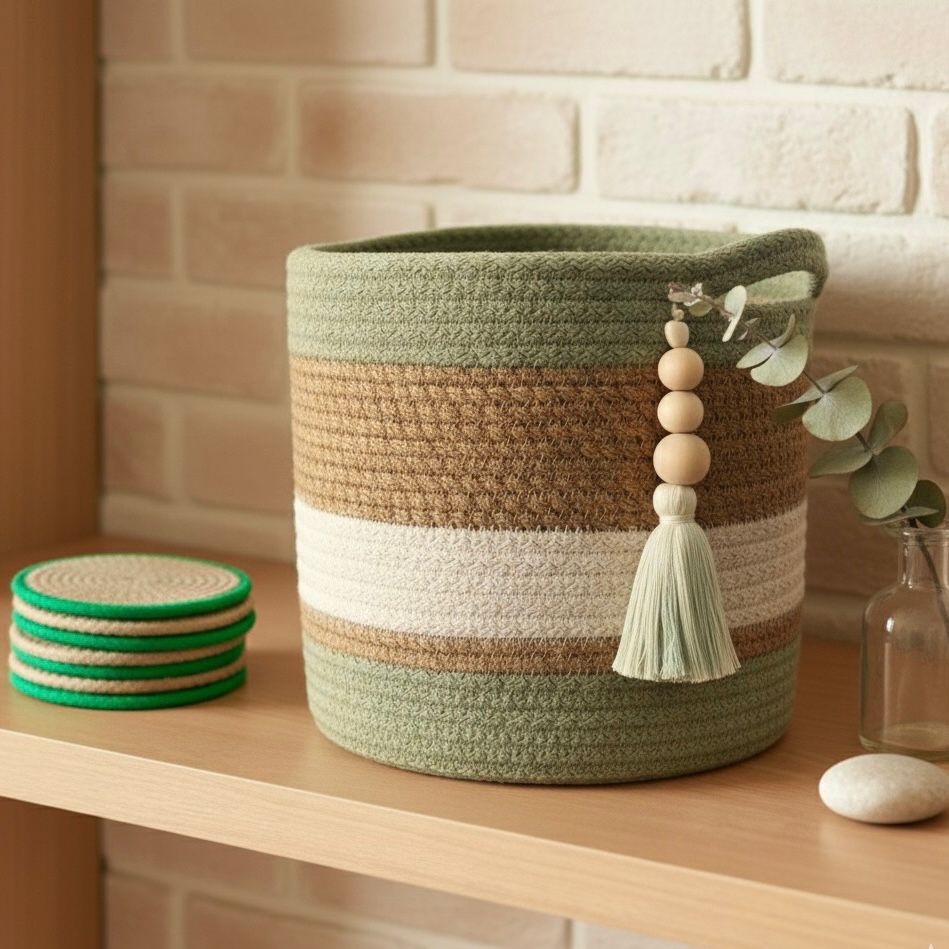
Storage baskets collect dust in their weave. Empty them every few weeks, turn them upside down and tap them, then run a vacuum brush over the inside. A Jute Olive Woven Basket with Wooden Beads keeps its shape best if you do not overfill it or use it for anything damp, such as wet towels.
Caring for Halfa
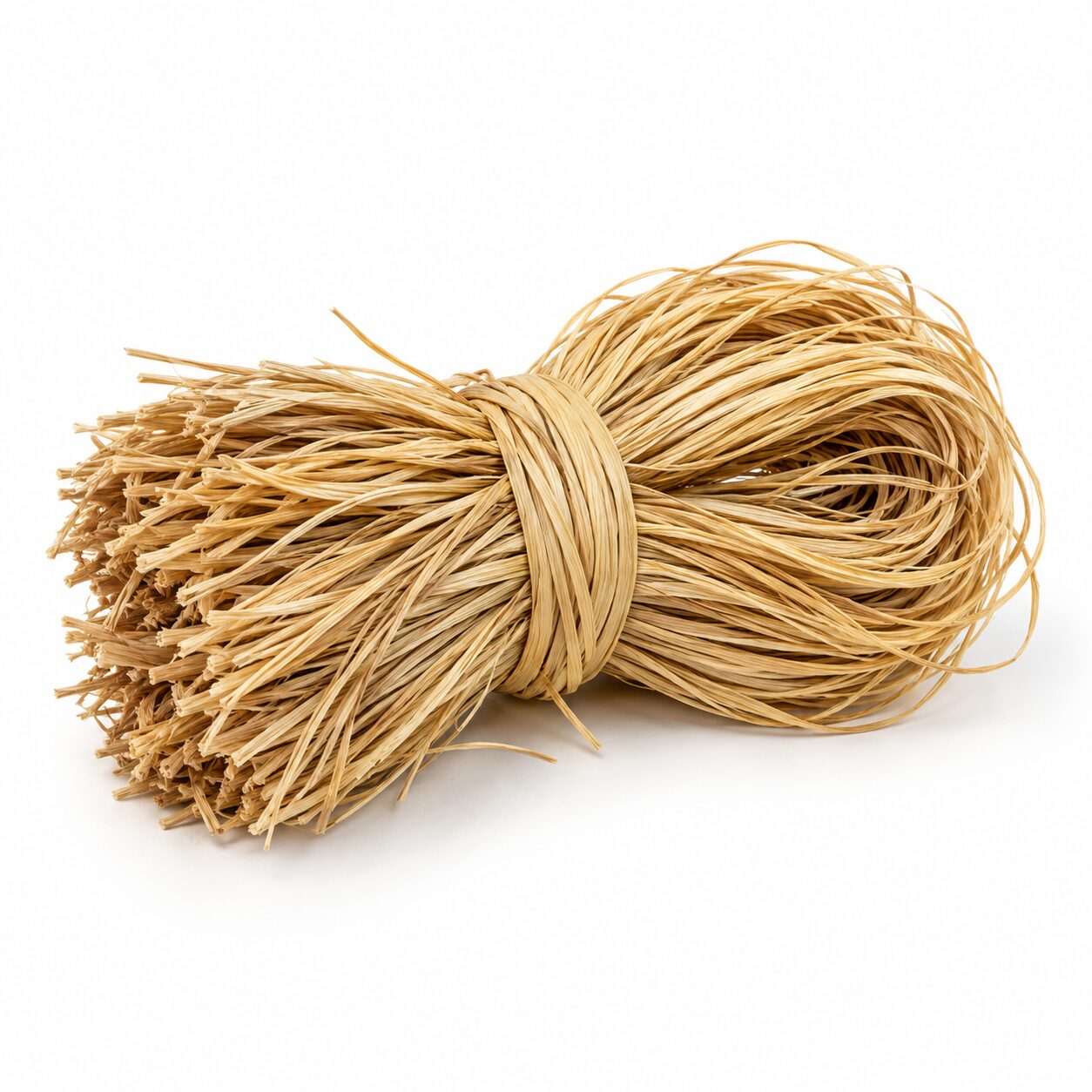
Halfa is a natural grass that Egyptian artisans have woven for generations into baskets, trays, poufs, vases and rugs. It has a golden tone that deepens gently with age.
How Halfa Behaves
Halfa is light and surprisingly strong, but it becomes brittle if it dries out too much, and it can develop mould if it stays damp. The ideal environment is a normal indoor room: not directly in harsh sun, not in a steamy corner.
Everyday Care
- Dust weekly with a soft brush or a vacuum with a brush attachment. A clean paintbrush is perfect for reaching into the weave.
- Wipe gently with a barely damp cloth if needed, then let the piece dry in the shade.
- Keep it out of standing water. Halfa vases are best used with dried or artificial stems, or with a waterproof inner container for fresh flowers.
- Avoid direct afternoon sun on windowsills and uncovered balconies.
Halfa in the Bathroom and Laundry
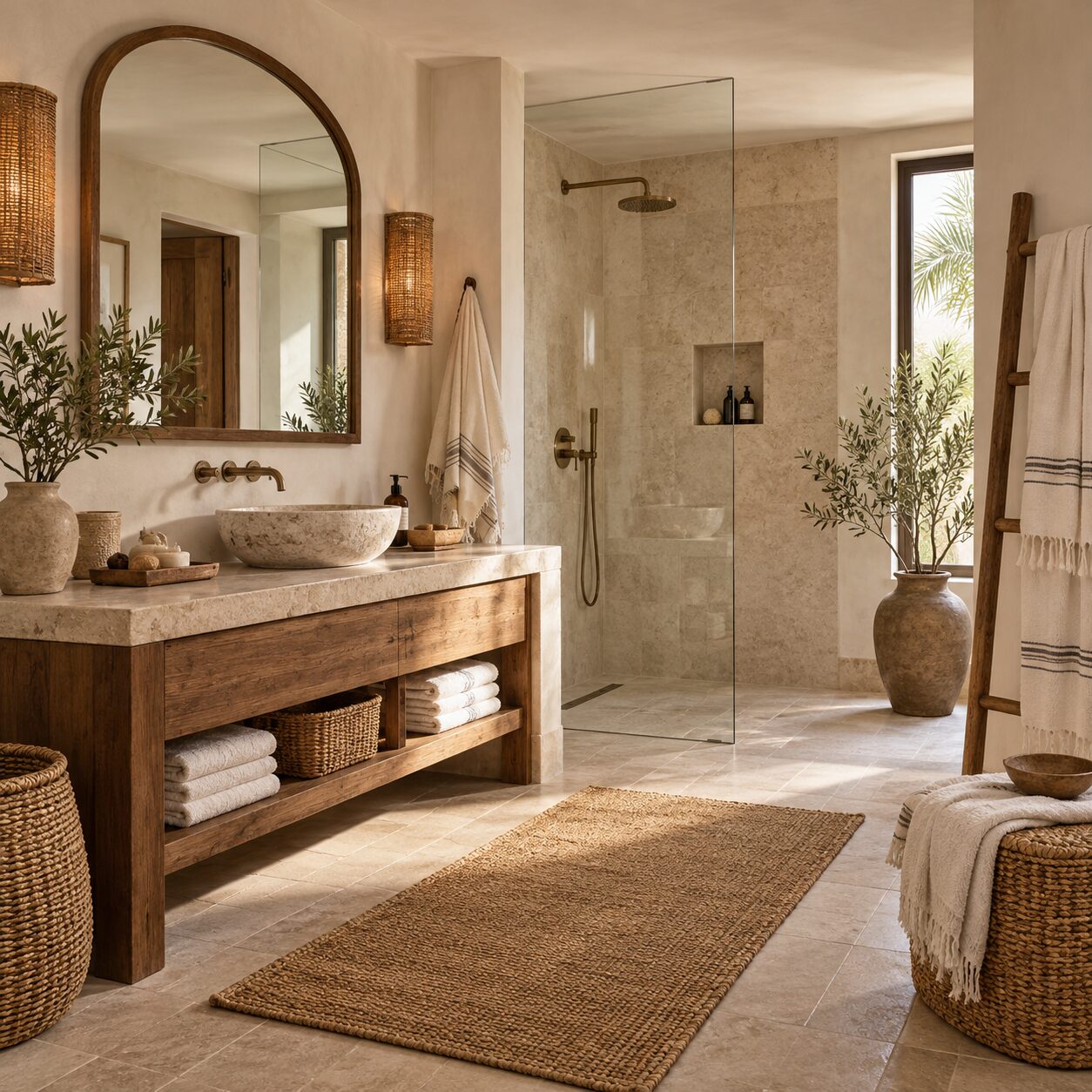
Halfa laundry baskets are practical and beautiful, but they need airflow. Never put soaking-wet towels or clothes inside. Let items dry first, keep the lid slightly open when possible, and empty the basket regularly. A Halfa Laundry Basket with Cover will stay fresh for years with this simple habit.
Halfa Rugs
Treat a halfa rug like jute: vacuum gently, blot spills, dry quickly and rotate often. A Halfa Round Rug is best in dry areas such as living rooms and bedrooms rather than at a kitchen sink or bathroom door.
Caring for Macrame
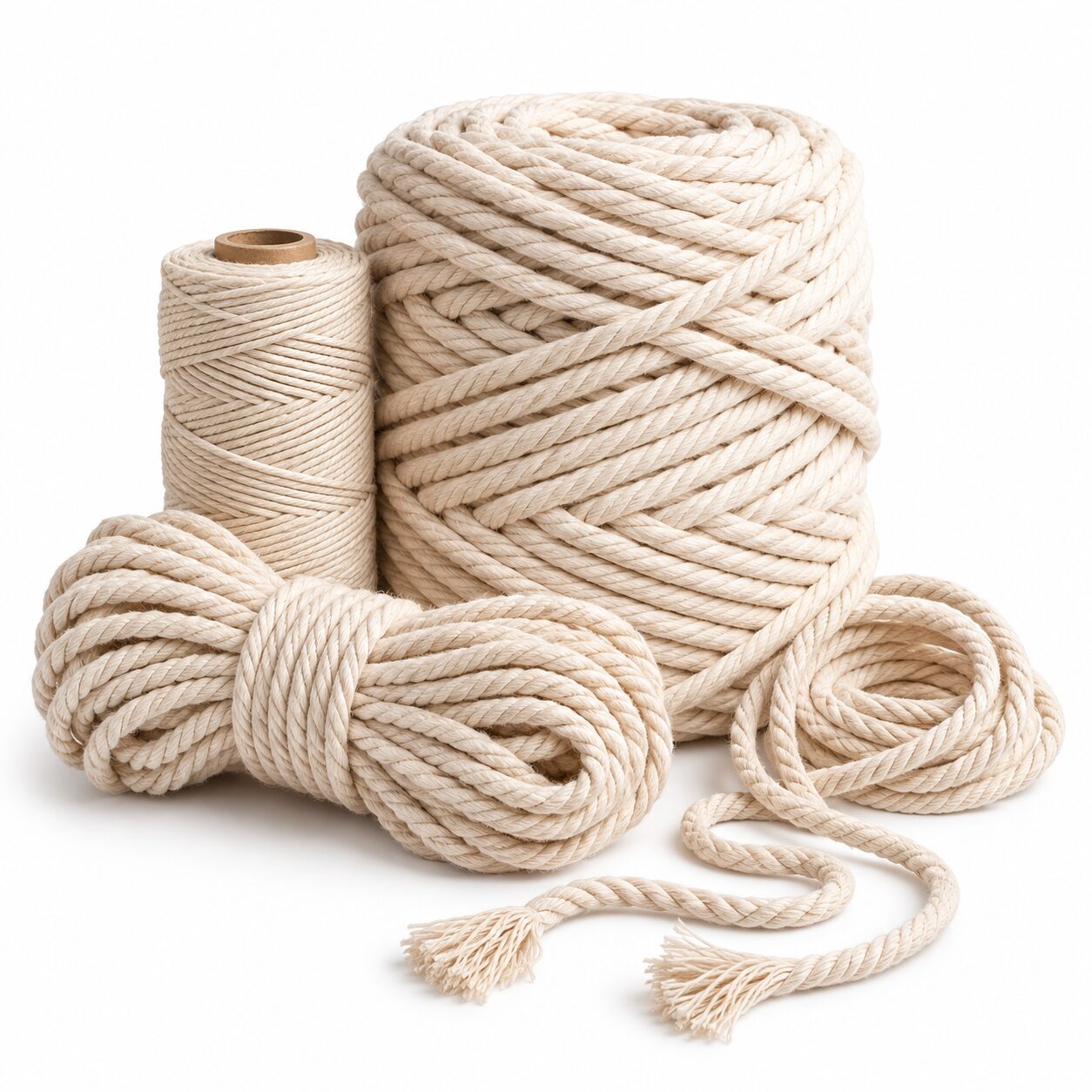
Macrame is the art of knotting cord, usually cotton, into patterns. It appears in wall hangings, plant hangers, shelves, cushions and table runners.
How Macrame Behaves
Cotton macrame cord is soft and holds dust in its knots. The fringe is often the most delicate part: it can tangle, fray or flatten over time.
Everyday Care
- Dust wall hangings with a hairdryer on the cool setting, or a gentle vacuum brush, every couple of weeks.
- Brush the fringe with a wide-tooth comb to keep it neat. If it frizzes, lightly mist it with water and comb it straight, then let it dry.
- Trim uneven ends with sharp scissors for a crisp line.
- Reshape hangings by laying them flat for a day if they begin to sag.
Cleaning Macrame Textiles
Many macrame pieces can be spot-cleaned. Dab stains with cool water and mild soap, then rinse by dabbing with clean water. If the care note allows hand washing, use cool water, press gently rather than wringing, and lay the piece flat on a towel to dry in its correct shape.
Table runners see the most spills. A Tassel Macrame Table Runner stays beautiful longer if you blot drips immediately and use placemats or coasters under hot dishes and cups.
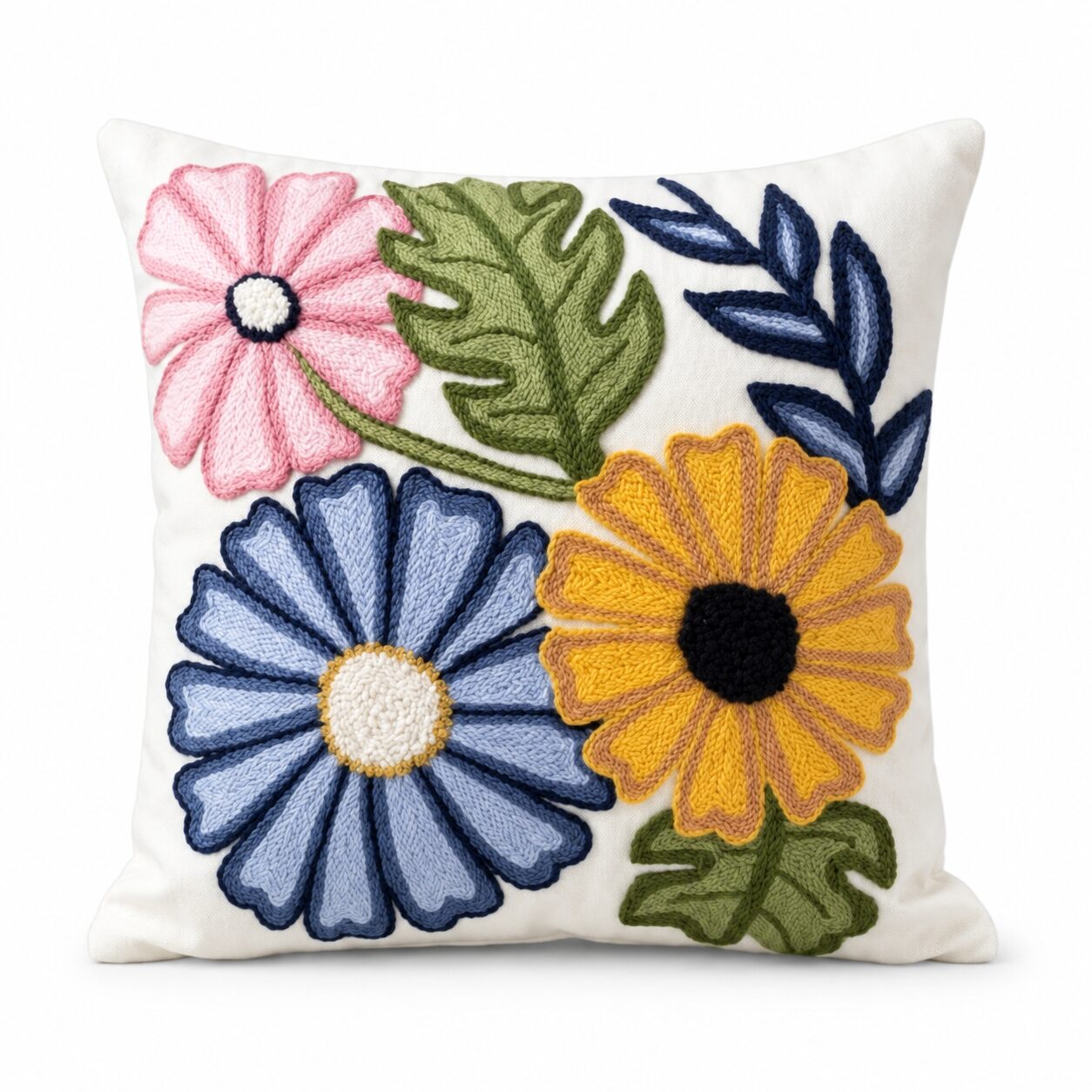
Macrame cushions should be fluffed and rotated regularly so they wear evenly. For a Macrame Round Cushion, brush the knots gently to lift dust and keep the pattern crisp.
Caring for Cotton Decor
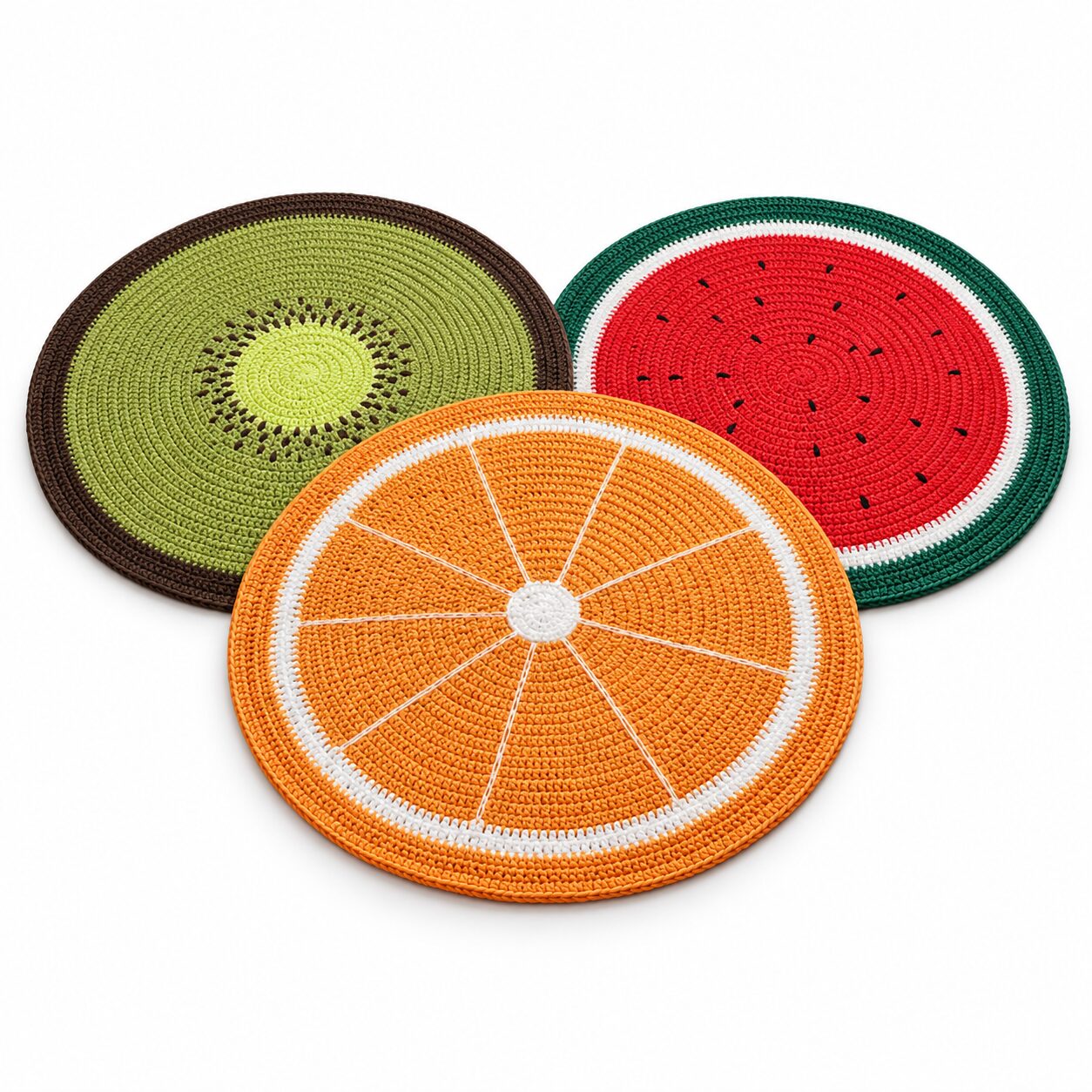
Cotton appears in knitted throws, crochet baskets, rope coasters, cushion covers and table linens. It is soft, breathable and generally the easiest natural fibre to care for.
How Cotton Behaves
Cotton can shrink in hot water or a hot dryer, and colours can fade with strong sun or harsh detergent. Knitted and crochet items can stretch out of shape if hung while wet.
Everyday Care
- Shake out throws regularly and air them by an open window.
- Wash only as the label says. Where washing is allowed, choose cool water, a gentle cycle and mild detergent.
- Dry knits flat. Hanging a wet knitted throw pulls it out of shape. A Handmade Knitted Cotton Throw keeps its texture best when laid flat on a towel, turned once, in the shade.
- Avoid bleach on coloured or natural-tone pieces.
Rope Coasters and Small Items
Cotton rope coasters take the most daily abuse. Shake off crumbs, spot-clean rings with a damp cloth and mild soap, and let them dry fully before stacking. Cotton Rope Coasters look best when rotated through the set, rather than using the same two every day.
Caring for Mixed-Material Pieces
Many handmade pieces combine fibres with other materials: jute baskets with wooden lids or beads, rope placemats with leather accents, macrame shelves with wooden boards. Each part needs slightly different care, so clean them one at a time.
- Wooden parts: wipe with a dry or barely damp cloth and dry immediately. Keep water from pooling where wood meets fibre.
- Leather accents: wipe with a dry cloth; avoid soaking, which can stiffen or stain leather.
- Beads and tassels: dust with a soft brush and check that knots are secure. Tighten loose ties gently rather than pulling.
- Metal rivets or fittings: keep them dry to prevent marks on the surrounding fibre.
Because mixed pieces cannot be washed as a whole, prevention matters most. Keep them away from damp areas and deal with spills quickly.
Dealing With the Egyptian Climate
Our weather brings specific challenges for natural fibres.
- Dust and khamaseen winds. Close windows on windy days, then dust natural pieces once the air settles.
- Coastal humidity. In Alexandria and along the North Coast, damp air can cause musty smells. Improve airflow, run the AC in dry mode where available, and air pieces regularly.
- Intense sun. Use sheer curtains in sunny rooms, and rotate pieces near windows.
- Air conditioning. It dries the air, which is fine for most fibres, but keep plants and halfa away from direct cold blasts.
Storing Natural Decor Between Seasons
If you rotate decor for Ramadan, summer or winter, store pieces properly:
- Clean and fully dry everything before storing.
- Use breathable cotton bags or boxes, never sealed plastic, which traps moisture.
- Store flat or loosely rolled; never fold rugs sharply.
- Add a few cloves or dried lavender to discourage insects.
- Keep storage in a dry, cool cupboard away from bathrooms and kitchens.
Common Mistakes to Avoid
- Soaking jute or halfa. Water is the fastest way to damage them.
- Using a beater-bar vacuum on woven rugs. It pulls and loosens the weave.
- Drying in direct sun. It fades colour and makes fibres brittle.
- Hanging wet knits. They stretch and never fully recover.
- Putting wet laundry in woven baskets. It invites mould and smells.
- Rubbing stains. Always blot.
- Ignoring the care note. Every handmade piece is slightly different.
- Pulling loose threads. Trim them instead.
Quick Checklist
- Dust natural pieces weekly
- Vacuum rugs gently with suction or a brush attachment
- Rotate rugs and cushions every few months
- Blot spills immediately; never rub
- Dry everything in the shade, with good airflow
- Keep jute and halfa away from standing water and steamy corners
- Comb and trim macrame fringe
- Wash cotton only as the label allows, in cool water
- Dry knitted pieces flat
- Store in breathable bags in a dry cupboard
Handmade Pieces That Last
Natural decor is not fragile; it simply asks for a little understanding. With regular dusting, careful spill handling and protection from water and harsh sun, your jute, halfa, macrame and cotton pieces will not just last, they will grow more beautiful as they age. That is the quiet reward of choosing handmade.
Explore our full collection of handmade jute, halfa, macrame and cotton decor at coccarohome.com, crafted with care and delivered across Egypt.
Shop the Look