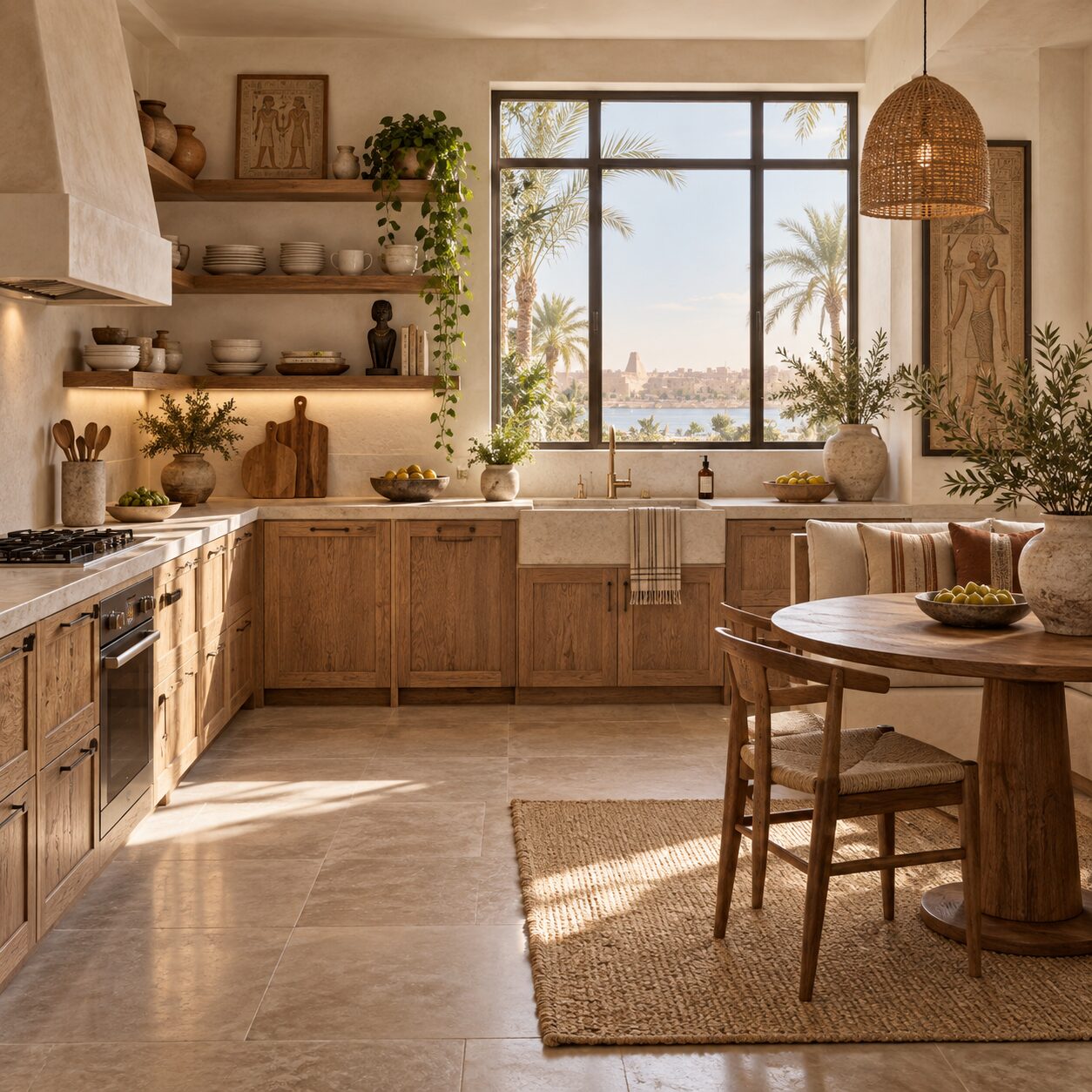
Long before “sustainable design” became a phrase in magazines, Egyptian homes were full of it. Baskets woven from halfa grass held bread and grain. Mats lined floors. Rope made from natural fibres tied, carried and stored almost everything. These were not decorative choices; they were simply how things were made.
Today, those same materials are finding their way back into modern apartments and villas, not out of nostalgia, but because they solve real problems beautifully. They are warm to the touch, they suit our climate, and they carry the unmistakable character of something made by hand. This guide looks at three of the most loved natural materials, jute, halfa and macrame, and shows how to use them in a contemporary Egyptian home.
Why Natural Materials Belong in Modern Homes
Modern interiors often lean on smooth, hard surfaces: porcelain floors, glossy kitchen cabinets, glass tables, painted walls. They are practical, but on their own they can feel cold and echoing. Natural fibres balance that.
- Texture: woven surfaces catch light and shadow, adding depth even in a neutral room.
- Warmth: fibres soften acoustics and make a space feel more inviting.
- Climate fit: natural materials breathe, which suits Egyptian summers far better than heavy synthetics.
- Character: each handmade piece has small variations that make it unique.
- Heritage: choosing local crafts supports artisans and keeps traditional skills alive.
The key to using them in a modern home is balance. Pair woven textures with clean lines, simple furniture and calm colours, and they look contemporary rather than rustic.
Halfa: Egypt’s Golden Grass
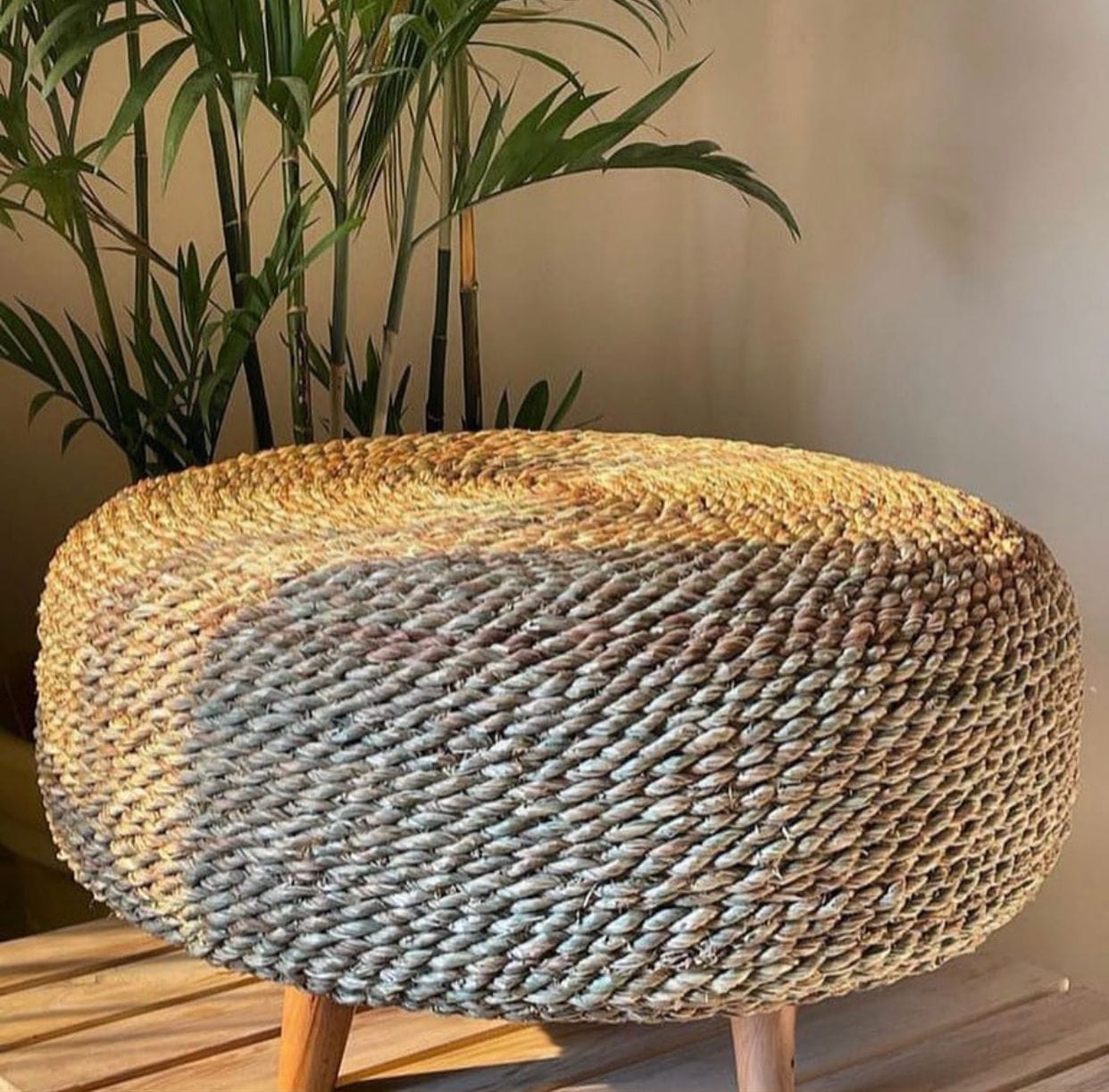
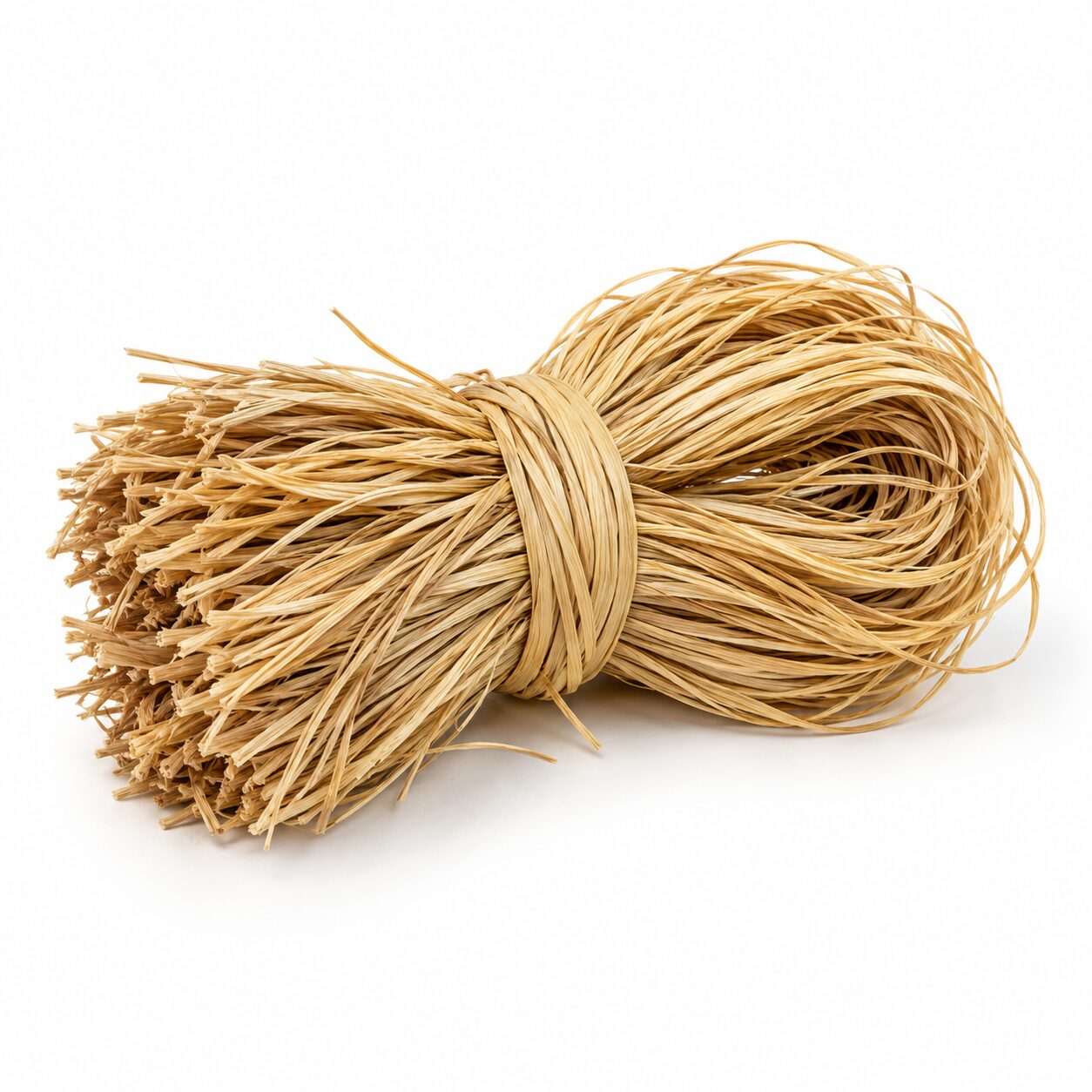
Halfa is a tough, long grass that has been woven by Egyptian artisans for generations. Its natural golden colour and firm structure make it ideal for pieces that need to hold their shape: baskets, poufs, trays, vases and rugs.
Where Halfa Shines
Halfa’s strength means it works well for functional pieces that see daily use.
- Seating: a Handmade Halfa Pouf with Legs is sturdy, light enough to move around, and brings a warm golden tone to a living room or bedroom.
- Storage: lidded baskets keep bathroom and bedroom essentials tidy. The Rectangular Halfa Basket with Lid is one of the most popular pieces in our collection because it looks tidy on open shelves.
- Floors: a halfa rug adds a natural layer to entrances, reading corners or balconies with covered seating.
- Small accents: tissue boxes, coasters and trays introduce halfa in small, affordable doses.
Styling Halfa in a Modern Space
Halfa looks most modern when it is surrounded by simple shapes and a restrained palette. Try a halfa pouf beside a clean-lined grey or cream sofa, or a row of halfa baskets on white shelves. Avoid pairing it with too many other busy patterns; let its weave be the texture story.
Jute: The Versatile Workhorse
Jute is a soft, strong plant fibre with a warm brown colour. It is often blended with cotton rope, which adds softness and allows for lighter colours and two-tone designs.
Where Jute Works Best
Jute’s flexibility means it appears in almost every room.
- Storage baskets for blankets, toys and laundry
- Tissue box covers that hide plastic packaging
- Table runners and placemats for dining tables
- Coasters and trays for coffee tables
- Plant pot covers that soften plain plastic pots
The Jute Storage Basket with Wooden Lid is a good example of how jute feels modern: the woven body is softened by a clean wooden lid, so it looks at home in a minimalist bedroom as much as a boho living room.
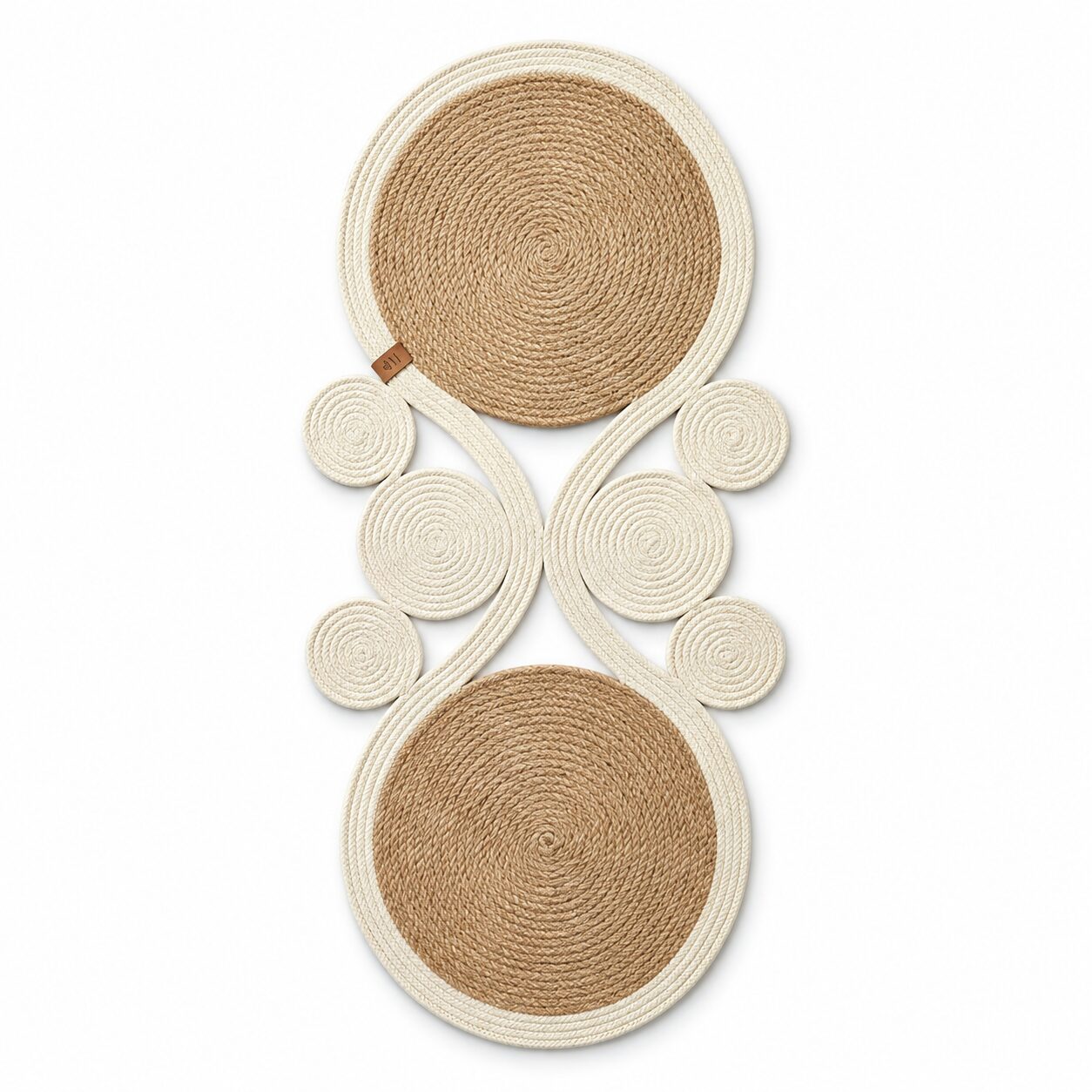
For the dining table, a Waves Off-White Rope Table Runner mixes jute with a lighter tone, adding texture without making the table look heavy.
Mixing Jute and Cotton
Two-tone jute and cotton pieces are especially useful in modern homes because the off-white cotton lightens the look. A Round Jute and Cotton Rope Tissue Box is a small upgrade that instantly lifts a coffee table or nightstand.
Macrame: Knotted Art
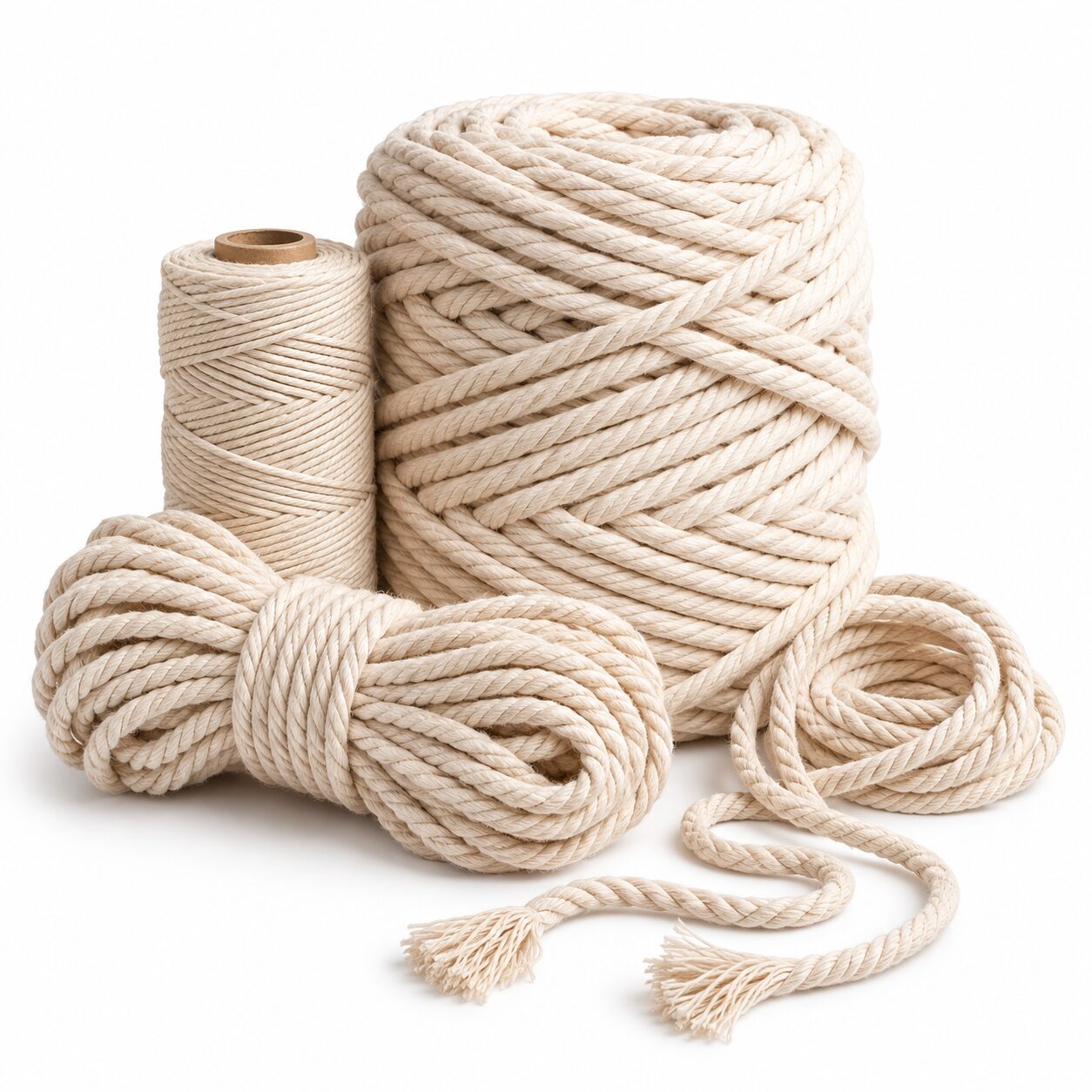
Macrame is the craft of creating patterns with knots. Its roots stretch back centuries and across many cultures, and it has become a signature of bohemian and coastal interiors. Where halfa and jute are woven, macrame is knotted, which gives it a softer, more decorative quality.
Macrame Beyond the Wall Hanging
Most people picture a wall hanging when they hear “macrame,” but the craft has many more uses.
- Table runners: the Tassel Macrame Hollow-Out Table Runner is one of our best-selling pieces, adding delicate texture to dining tables and consoles.
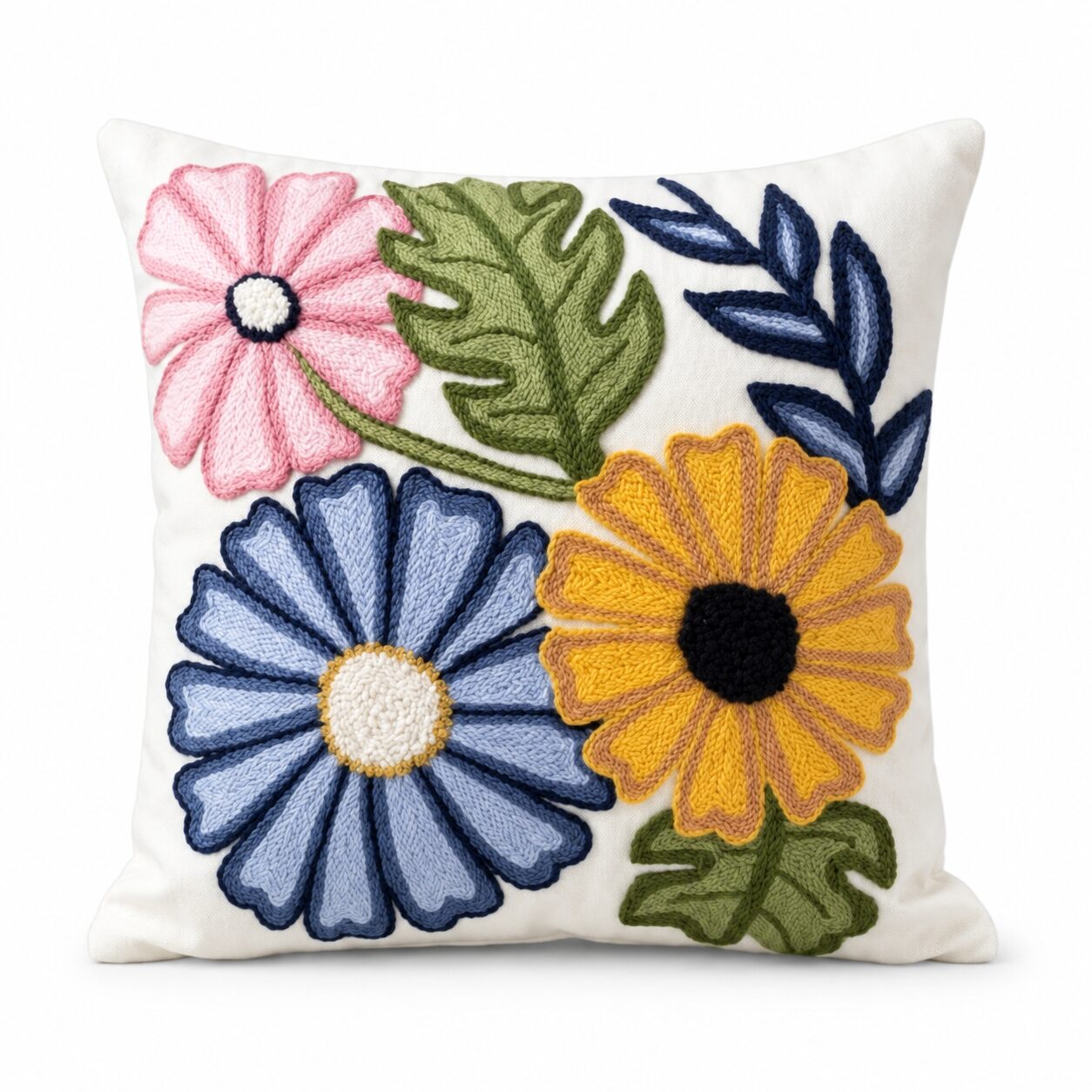
- Cushions: knotted cushion covers bring handmade detail to sofas and beds.
- Shelves and plant holders: macrame supports suspend plants and small objects without heavy hardware.
- Pouf covers and swings: larger pieces create a strong focal point in a room.
Wall Art That Adds Depth
A large wall behind a sofa or bed is the perfect place for macrame. The Wooden Half Circle with Jute and Cotton Strands is a modern take on the craft: its clean geometric wooden base keeps the look contemporary, while the hanging strands add softness and movement.
How to Combine All Three
Jute, halfa and macrame share a natural palette, so they sit together easily. The challenge is avoiding a room that feels like a craft market. Use these guidelines:
- Choose a lead material for each room. In a living room it might be halfa, in the dining room macrame, in the bedroom jute.
- Support it with one or two others in smaller amounts.
- Vary the scale. One large piece, a few medium ones and some small accents.
- Add contrast. Black metal, dark wood, white ceramic or a strong accent colour stops natural fibres from blending into one beige mass.
- Leave space. A few well-chosen pieces make more impact than a crowded collection.
A simple living room example: a halfa pouf as the lead, a jute basket for throws beside the sofa, and a small macrame piece on the wall, all set against cream walls with a black side table for contrast.
Room-by-Room Ideas
Living Room
Halfa poufs, jute baskets, a macrame wall hanging and a natural fibre rug. Keep upholstery simple and let the textures speak.
Dining Room
Macrame or jute runners, woven placemats, rope coasters and a halfa or jute tray for the centrepiece.
Bedroom
A jute basket for extra blankets, a woven tissue box on the nightstand, and a macrame piece above the headboard.
Bathroom
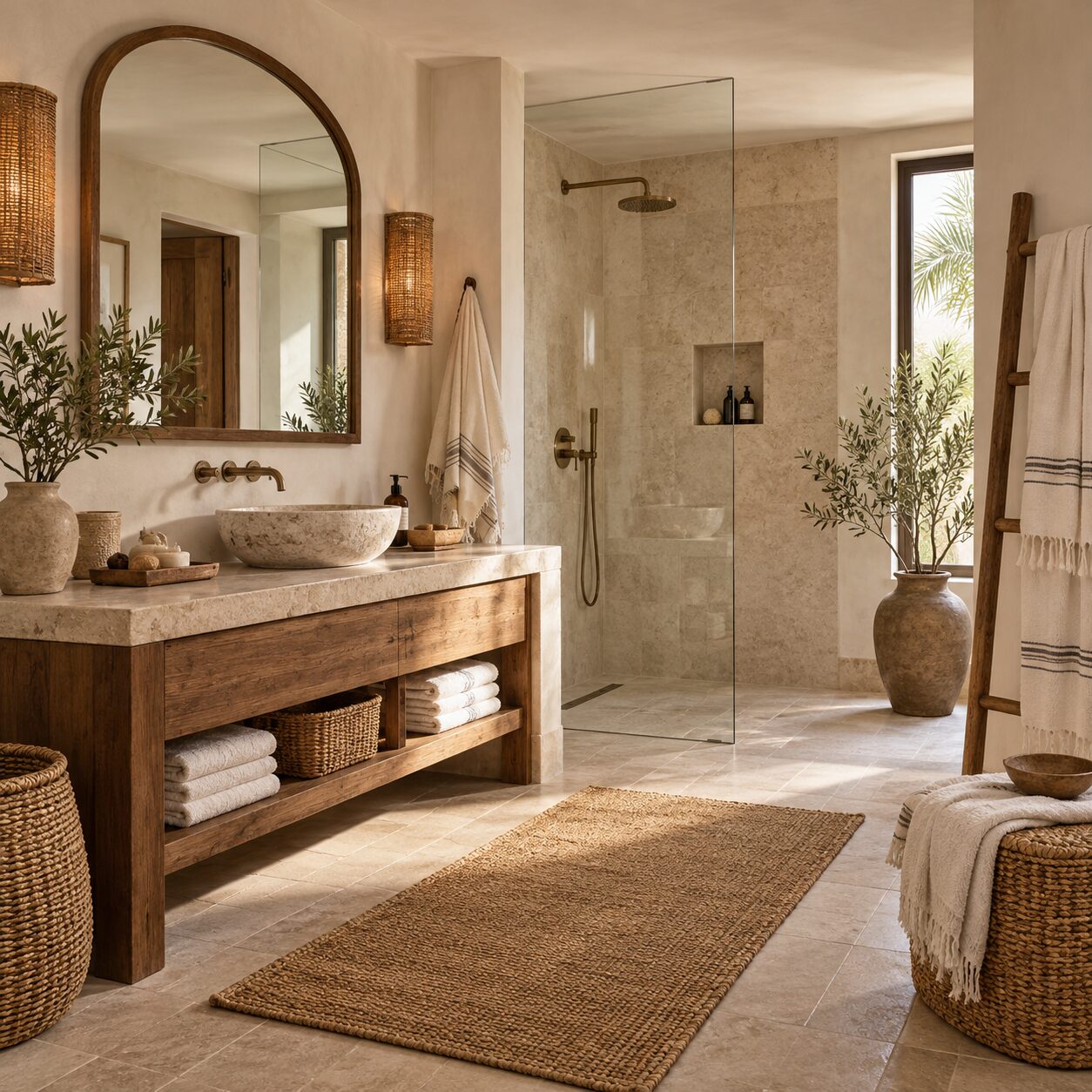
Lidded halfa baskets for towels and toiletries, and a woven laundry basket. Keep pieces away from direct water splashes.
Entrance
A halfa or jute basket for shoes or umbrellas, and a small tray for keys.
How to Recognise a Well-Made Handmade Piece
Handmade does not mean identical, and small variations in colour and weave are part of the appeal. Still, some signs separate a piece that will last from one that will fall apart after a season.
- Even tension. Look at the weave or the knots. They should be consistently tight, without loose loops or gaps that could snag.
- Neat finishing. Edges, handles and the point where a basket ends should be firmly secured, not glued in a way that looks likely to peel.
- Structure. A basket or pouf should hold its shape when empty. If it sags immediately, it will sag further with use.
- Natural smell. Fresh fibres have a faint, earthy scent. A strong chemical smell can suggest heavy treatments.
- Honest colour. Natural tones vary slightly from piece to piece. Dyed accents should be even and should not rub off on your hand.
When you buy handmade, you are also buying time: hours of an artisan’s work go into a single pouf or runner. That is part of why these pieces feel so different from mass-produced decor, and why they deserve a place where they can be seen and enjoyed.
Mixing Handmade With Modern Finishes
The most striking interiors do not choose between craft and contemporary. They put them side by side. A macrame runner on a glossy white table, a halfa pouf next to a velvet armchair, or jute baskets under a sleek TV unit all create a pleasing tension. The modern finish makes the handmade piece look intentional, and the handmade piece makes the modern room feel human.
Caring for Natural Fibres
Natural materials last for years with a little attention.
- Dust regularly with a soft brush or the brush attachment of a vacuum. Egyptian dust settles quickly in woven surfaces.
- Keep them dry. Avoid prolonged moisture, and let any damp piece dry fully in the shade.
- Avoid harsh direct sun for long periods, which can fade colours and dry fibres out.
- Spot clean spills quickly with a lightly damp cloth, blotting rather than rubbing.
- Air them out occasionally on a shaded balcony.
- Reshape gently if a basket or pouf loses its form.
Common Mistakes to Avoid
- Using natural fibres everywhere with no contrast, which makes a room look flat.
- Choosing pieces that are too small for the space, so the texture gets lost.
- Placing woven items in wet areas like directly beside a shower.
- Mixing too many colours of dyed fibres. Natural tones plus one accent works best.
- Forgetting function. A beautiful basket that does not fit what you need to store will end up empty.
Quick Checklist
- One lead natural material per room
- A mix of large, medium and small pieces
- At least one contrasting material or colour
- Natural fibres kept away from constant moisture
- A regular dusting routine
- Pieces chosen for both beauty and a real purpose
A Heritage Worth Living With
Jute, halfa and macrame are more than trends. They connect modern Egyptian homes to generations of craft, and they make everyday spaces warmer, calmer and more personal. Start with one piece in the room you use most, see how it changes the feeling, and build from there.
Explore handmade halfa, jute and macrame decor at coccarohome.com and bring a piece of Egyptian craftsmanship home.
Shop the Look