A kitchen can be beautiful and still feel chaotic. Bread bags on the counter, spice jars in three different cupboards, spoons rattling in a drawer, onions rolling under the sink and a pile of tea towels that never seems to find a home. In a busy Egyptian household, where the kitchen feeds the family three times a day and hosts guests on weekends, clutter builds up fast.
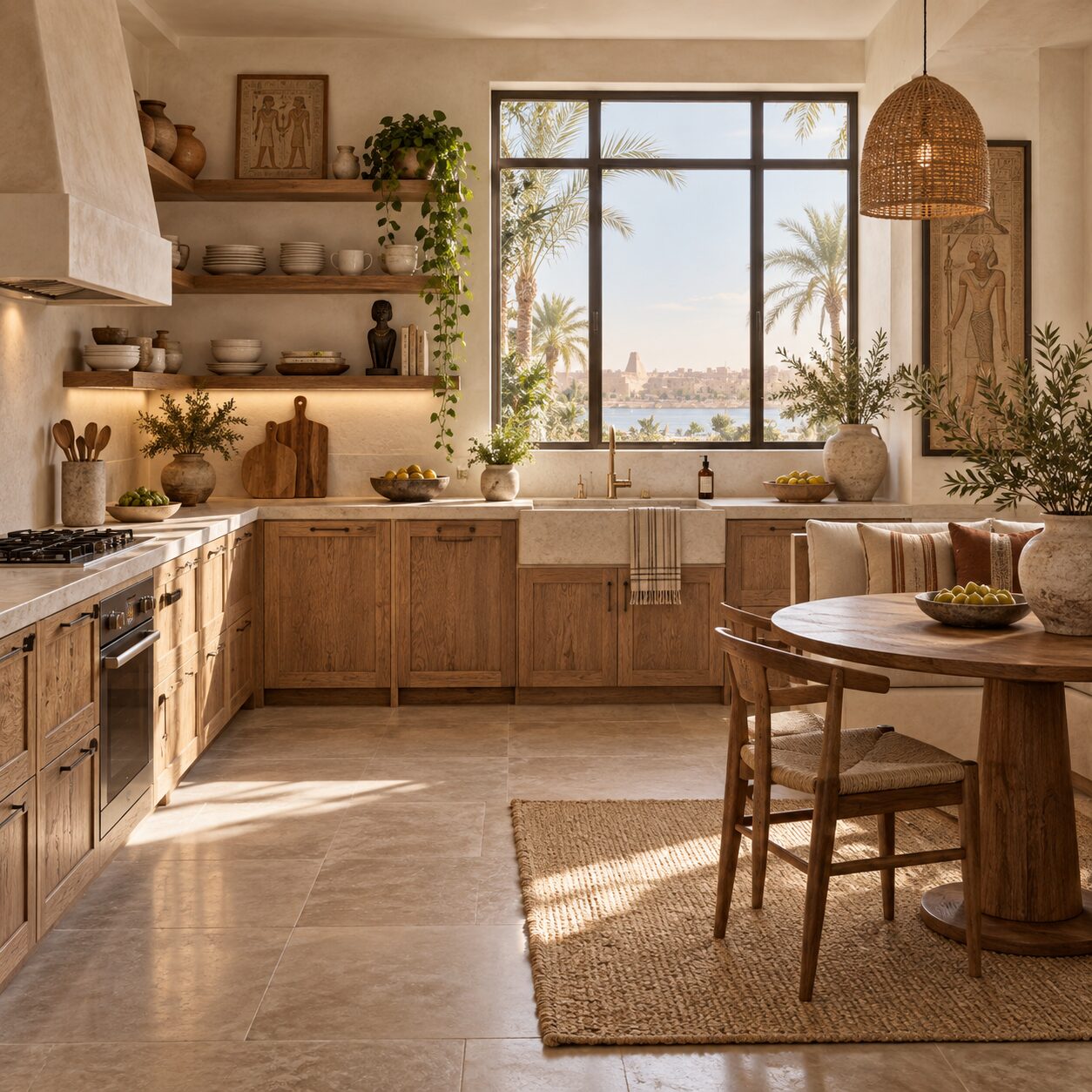
Organization is the fix, but it does not have to mean rows of plastic boxes that make the room look like a storeroom. Natural materials such as halfa, jute, rattan and wood can bring order and warmth at the same time. They make storage something you are happy to leave on display, and they connect your kitchen to Egypt’s long tradition of handmade crafts.
This guide covers how to plan your kitchen in zones, which natural baskets and wooden accessories work best in each one, and how to keep the system working once it is set up.
Start by Emptying and Editing
Every good organization project starts with a clear-out. Take everything out of one area at a time, whether it is the counter, one cupboard or one drawer. Then sort items into groups:
- Use daily: Cooking oil, salt, the kettle, everyday plates and cutlery.
- Use weekly: Baking tools, the food processor, large pots.
- Use seasonally: Ramadan serving pieces, Eid baking moulds, large platters for gatherings.
- Duplicates and broken items: Three can openers, chipped mugs, lids without pots.
Be honest with the last group. Donate what works and discard what does not. Only then should you decide where everything lives and what storage you need. Buying baskets before editing almost always leads to buying the wrong sizes.
Plan Your Kitchen in Zones
Professional kitchens are organized by task, and home kitchens benefit from the same idea. Store items where you use them.
- Prep zone: Near the largest stretch of counter. Knives, cutting boards, bowls and the food processor.
- Cooking zone: Near the stove. Oils, spices, spoons, spatulas and pots.
- Cleaning zone: Around the sink. Dish soap, sponges, towels and bin bags.
- Serving zone: Near the dining area. Plates, glasses, cutlery, trays and napkins.
- Pantry zone: A cupboard or shelf for dry goods, bread and produce that does not need the fridge.
- Tea and coffee zone: A small station with the kettle, mugs, tea and sugar.
Once you know your zones, you can choose storage that fits each one.
Natural Baskets for Open Storage
Baskets are the most flexible organizing tool in any kitchen. They group loose items, can be pulled out like drawers and look warm on open shelves.
Halfa baskets
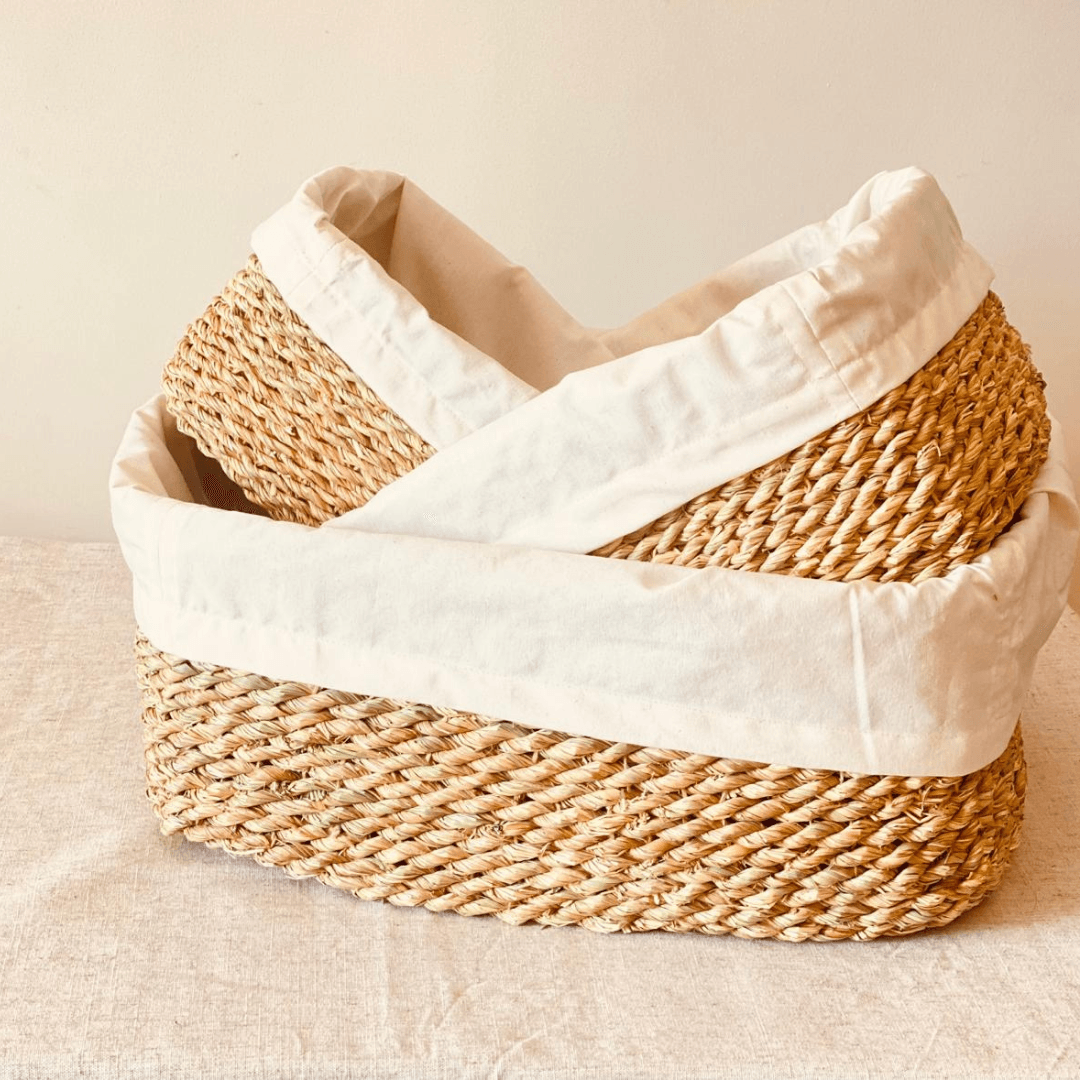
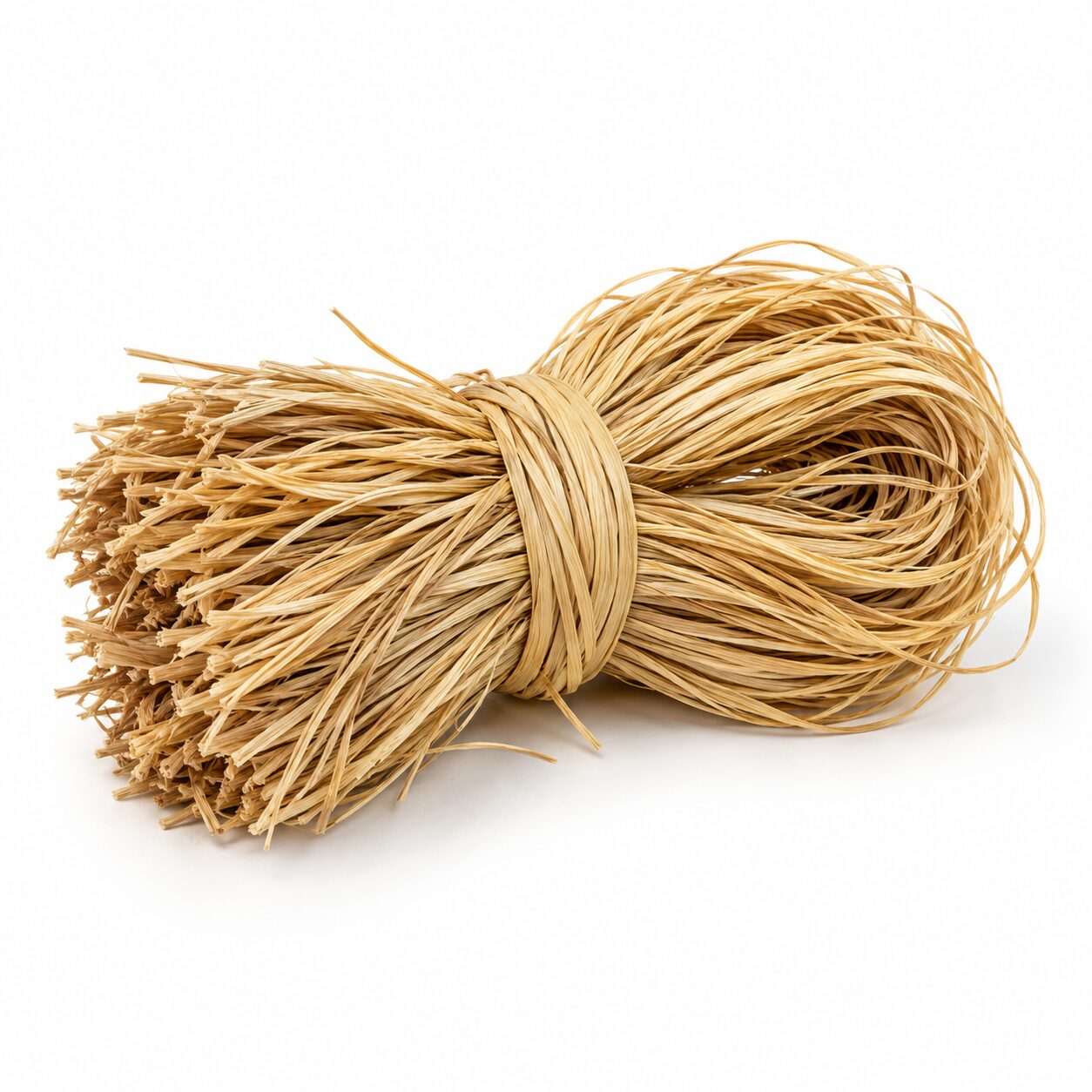
Halfa is woven by hand from natural grass, and it has been part of Egyptian homes for generations. It is light, sturdy and attractive enough for open shelving. The Halfa Square Basket with Handles is ideal for grouping potatoes and onions on a pantry shelf, or for holding snacks that children can reach. The Halfa Rectangular Basket with Cover, one of the store’s best sellers, keeps tea bags, sachets or spice packets hidden while still looking neat on a shelf.
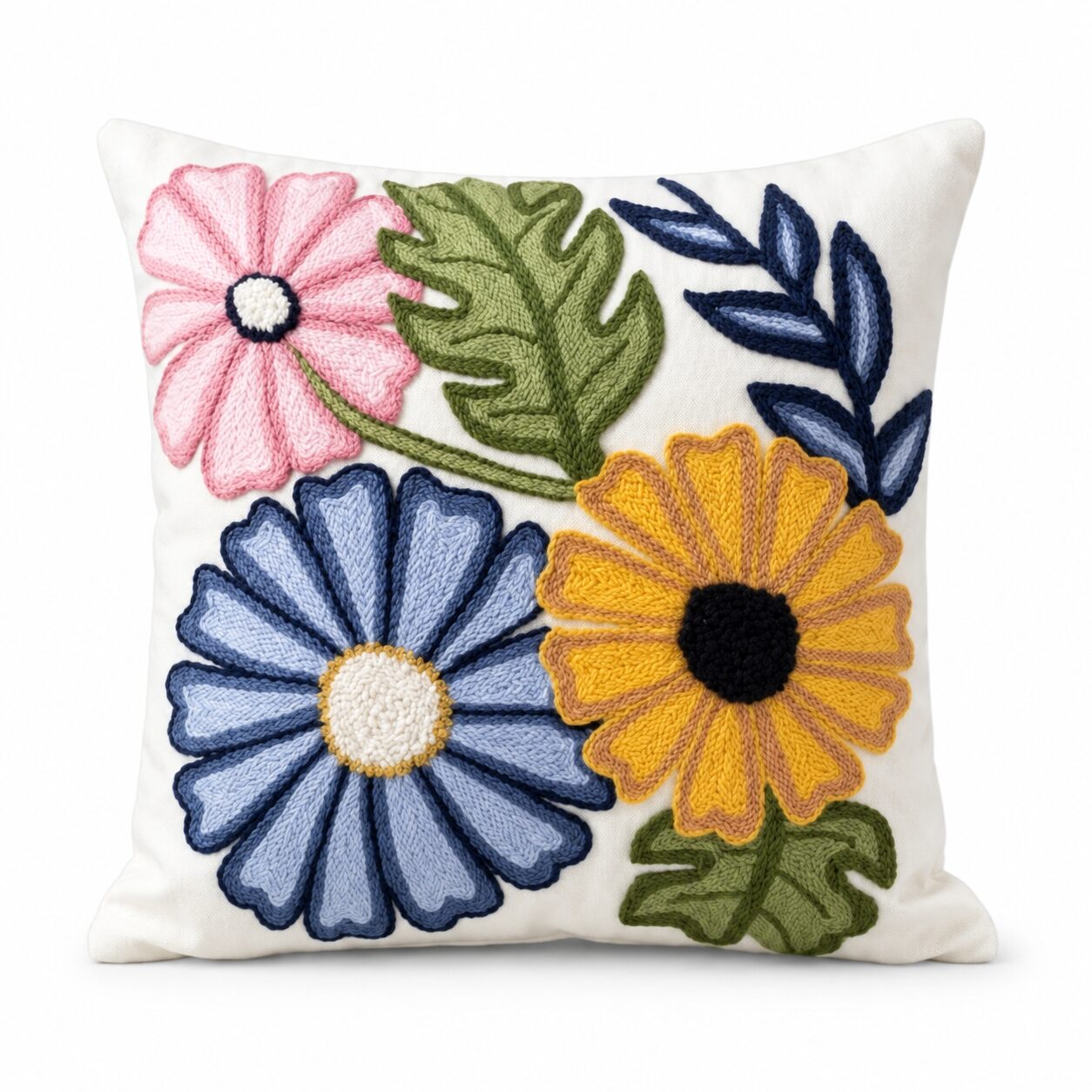
An embroidered halfa basket adds a decorative touch and works well for bread on the dining table or fruit on the counter.
Jute and cotton rope baskets
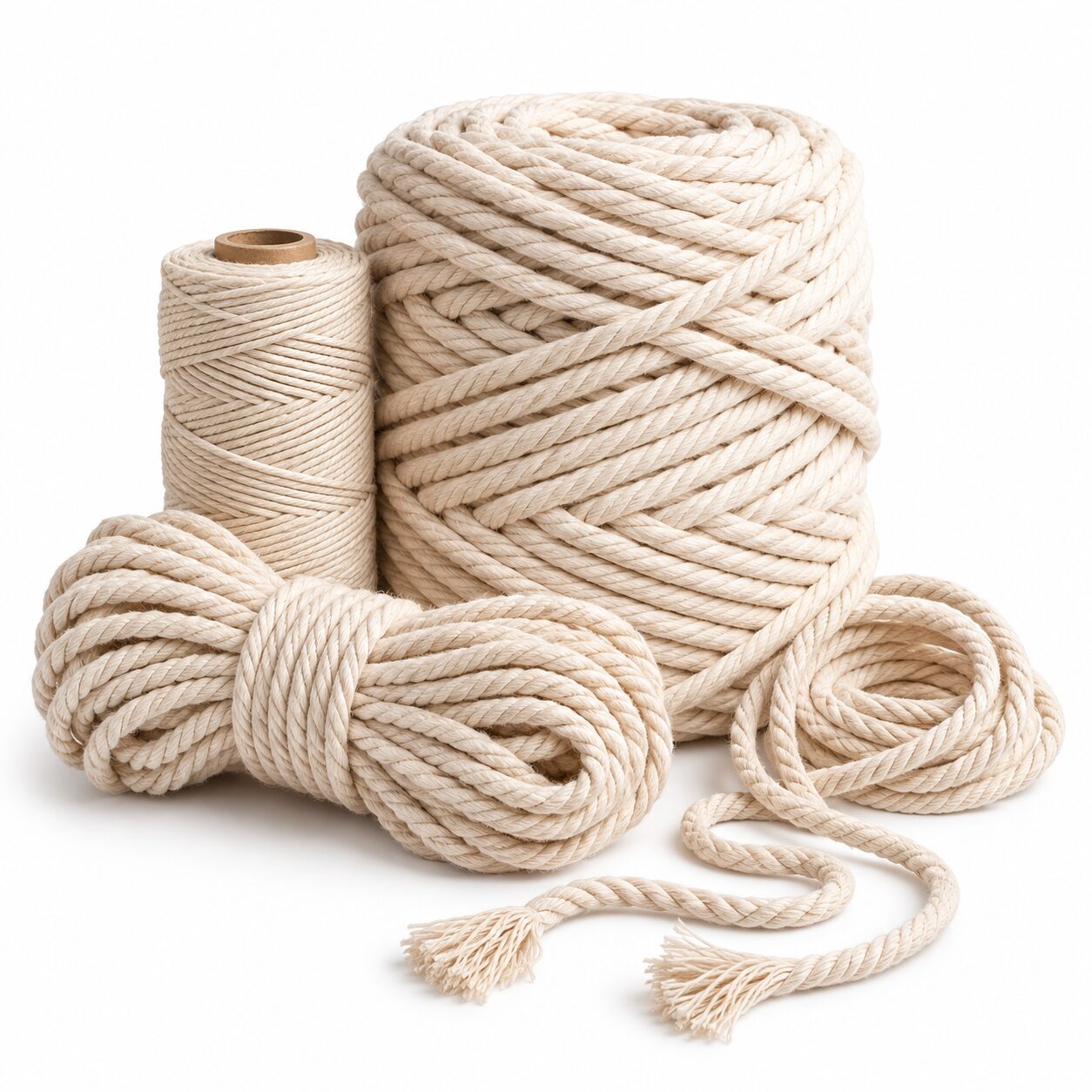
Rope baskets are soft to the touch, gentle on shelves and come in many sizes. A Cotton Jute Rope Storage Basket with Lid is useful for items you want to keep dust-free, such as spare napkins or packets of pasta. Small multi-purpose woven baskets are perfect for coffee capsules, sachets and other little items that otherwise scatter across the counter.
Hanging baskets
Wall space is often the most underused storage in a small kitchen. A Rattan Wall Hanging Basket with a leather handle can hold garlic, lemons or small herbs, and a crochet hanging basket organizer keeps dish cloths or bags within reach without taking any counter space.
Tips for baskets in the kitchen
- Use baskets for dry items only; keep them away from the sink and stove.
- Line baskets with a cotton cloth for bread and produce to catch crumbs and skins.
- Store onions and potatoes in separate baskets, since they spoil faster together.
- Label baskets inside cupboards with small tags so the whole family knows where things go.
Wooden Accessories That Earn Their Place
Wood brings warmth to kitchens full of tiles, stainless steel and glass. Chosen well, wooden pieces are both practical and beautiful.
Cutlery caddies and holders
A cutlery caddy on the counter or dining table saves you opening a drawer every meal, and it is especially helpful when serving guests. The Wooden Cutlery Caddy with Decorative Tiles is handcrafted and adds a pop of colour with its tile details. During Ramadan, a wooden cutlery holder with a moon and star design adds festive character to the iftar table.
Serving and cutting boards
A good board does double duty: prep in the morning and serving in the evening. The Heritage Wood Raw Edge Board is designed for cutting or serving and looks lovely leaning against the backsplash when not in use.
Trays
Trays turn scattered items into tidy groups. An acacia wood tray beside the stove holds oil, salt and pepper, so spills stay contained and cleaning takes seconds. Round halfa trays work well for fruit or bread.
Countertop organizers
If your tea and coffee supplies are scattered, a dedicated organizer brings them together. The Lemon Blossom Countertop Organizer and Tea Station gathers tea, coffee and sugar in one rustic unit. A handcrafted wooden tea and coffee accessories set with mosaic detailing is another beautiful way to keep the station neat.
Caring for wood
- Wash wooden boards by hand, never in the dishwasher.
- Dry them immediately and store them upright so air circulates.
- Rub boards occasionally with food-safe oil to keep them from drying out.
- Keep decorative wooden pieces away from constant water and steam.
Organizing Cupboards and Drawers
Cupboards
- Use vertical space. Shelf risers or stacked baskets double storage.
- Keep heavy items low. Pots and appliances belong on lower shelves.
- Put frequently used items at eye level. Everyday plates and glasses should be easiest to reach.
- Store seasonal items high. Eid moulds and large platters can go on the top shelf.
Drawers
- Divide and conquer. Use small boxes or trays to separate utensils.
- One drawer, one purpose. Cutlery in one, cooking tools in another, foil and bags in a third.
- Store knives safely. Use a knife block or a drawer insert, never loose.
Getting the Kitchen Ready for Ramadan and Eid
No season tests an Egyptian kitchen like Ramadan. Iftar for the family, suhoor a few hours later, extra guests several nights a week, and then Eid baking straight after. A little organization before the month begins saves a great deal of stress.
Two weeks before
- Clear the fridge and pantry. Use up what you have and make a list of staples to stock: dates, dried fruit for khoshaf, lentils, rice, flour, ghee and tea.
- Bring seasonal pieces down. Serving platters, large pots, the Ramadan cutlery holder and festive tableware should move from the top shelf to somewhere easy to reach.
- Check your appliances. Make sure the blender, food processor and air fryer are clean and working before the busy nights start.
During the month
- Set up an iftar basket. Keep dates, napkins, small bowls and serving spoons together in one basket near the dining table, ready to carry out each evening.
- Create a suhoor corner. Group foul cans, cheese, bread and tea bags in one basket or shelf so whoever wakes first can prepare suhoor quickly and quietly.
- Keep a juice station. Group jugs, glasses and a tray together for qamar el din, sobia and karkadeh.
Before Eid
- Clear a baking zone. Kahk and biscuit baking needs counter space, trays and cooling racks. Move everything non-essential off the counter for a few days.
- Prepare gift boxes. Keep boxes, baskets and ribbon in one place if you gift kahk to neighbours and relatives.
When the season ends, put seasonal items back on the top shelf and do a quick edit. It is the perfect moment to reset the whole kitchen.
Styling an Organized Kitchen
Once everything has a home, a few decorative touches make the space feel finished.
- Repeat materials. Use two or three natural materials, such as halfa, wood and white ceramic, and repeat them across the room.
- Add wall decor. Hand-painted wooden wall plates with lemon or botanical motifs suit kitchens beautifully.
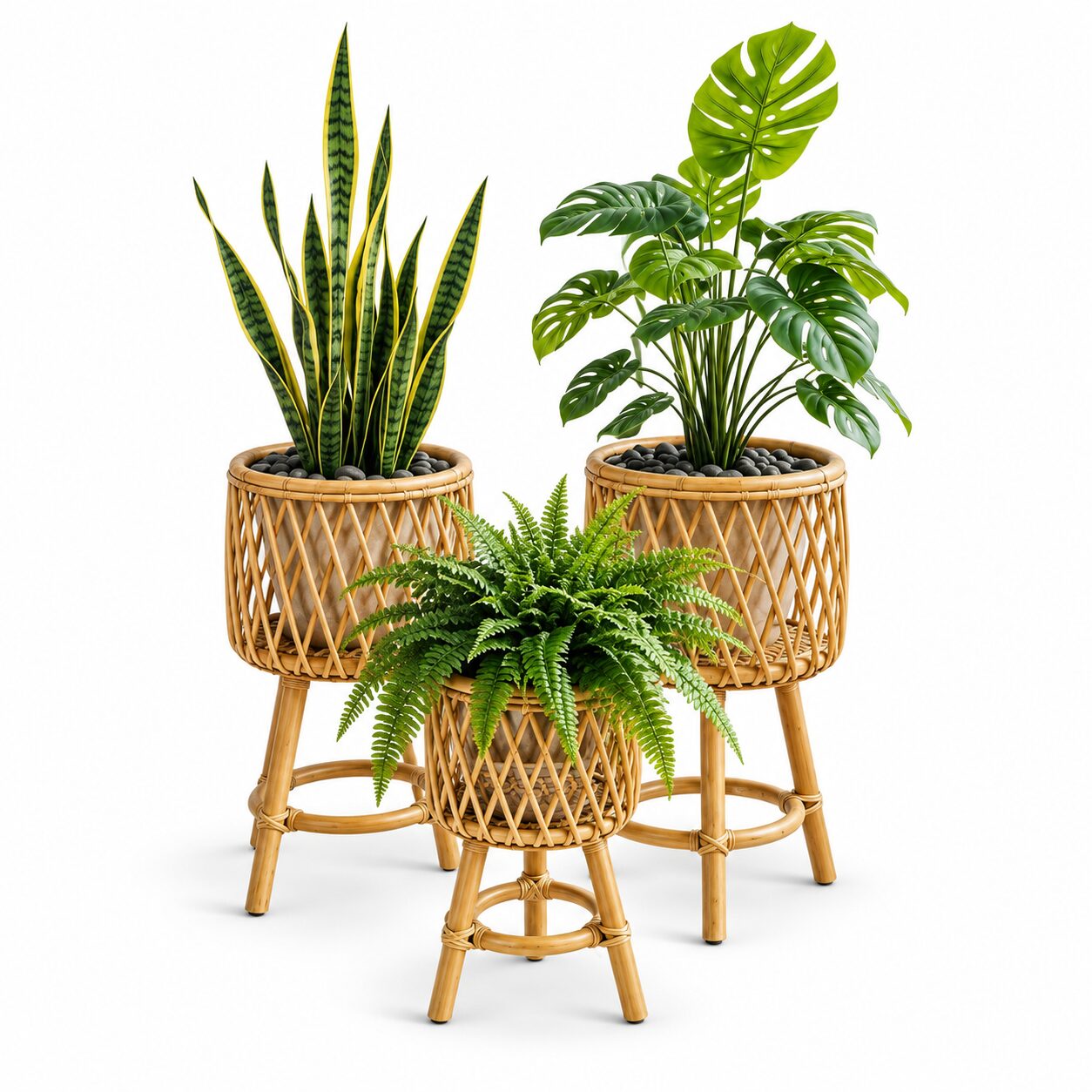
- Bring in greenery. A small plant in a mini jute pot softens the counter.
- Keep counters mostly clear. Aim for no more than a few groups of objects on the counter at any time.
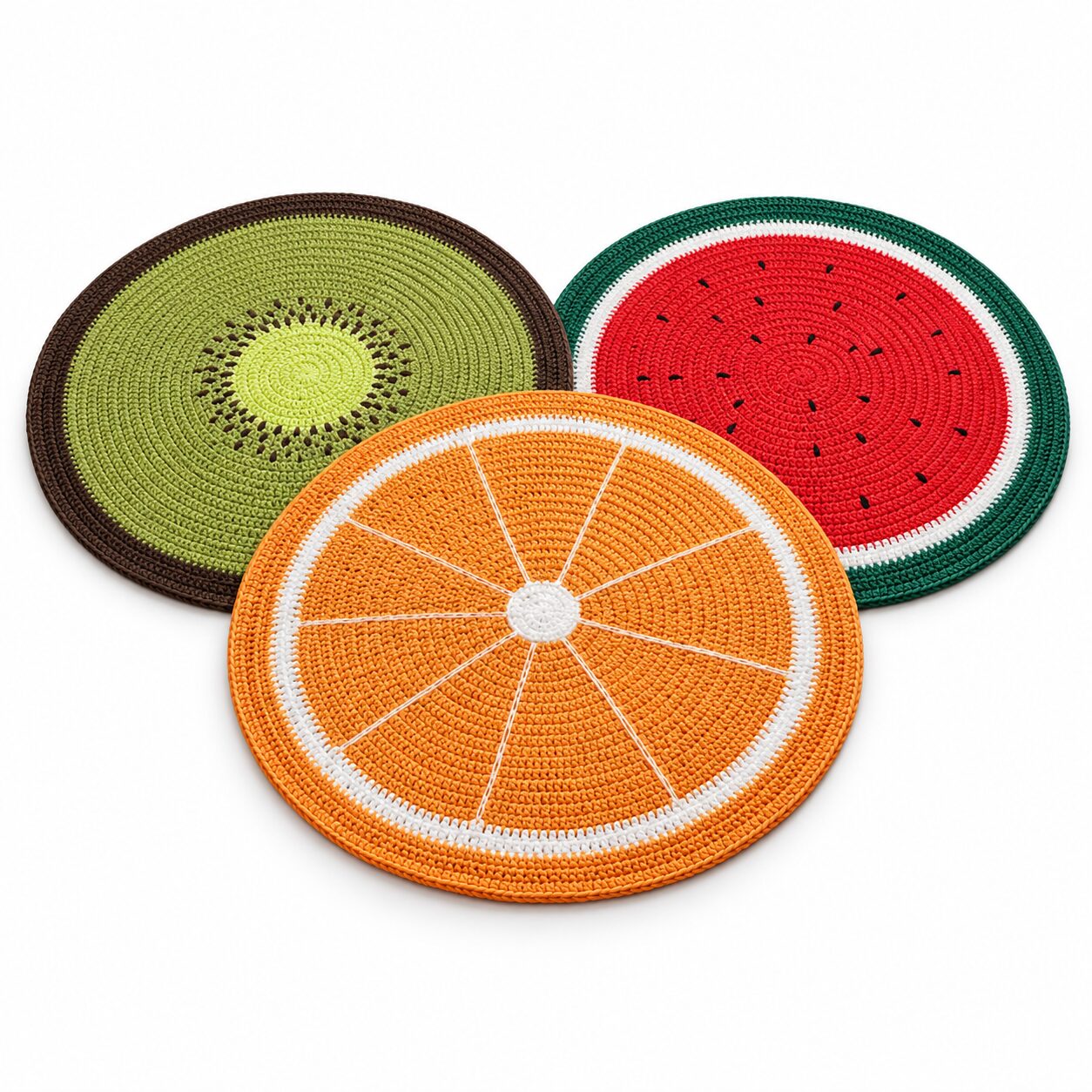
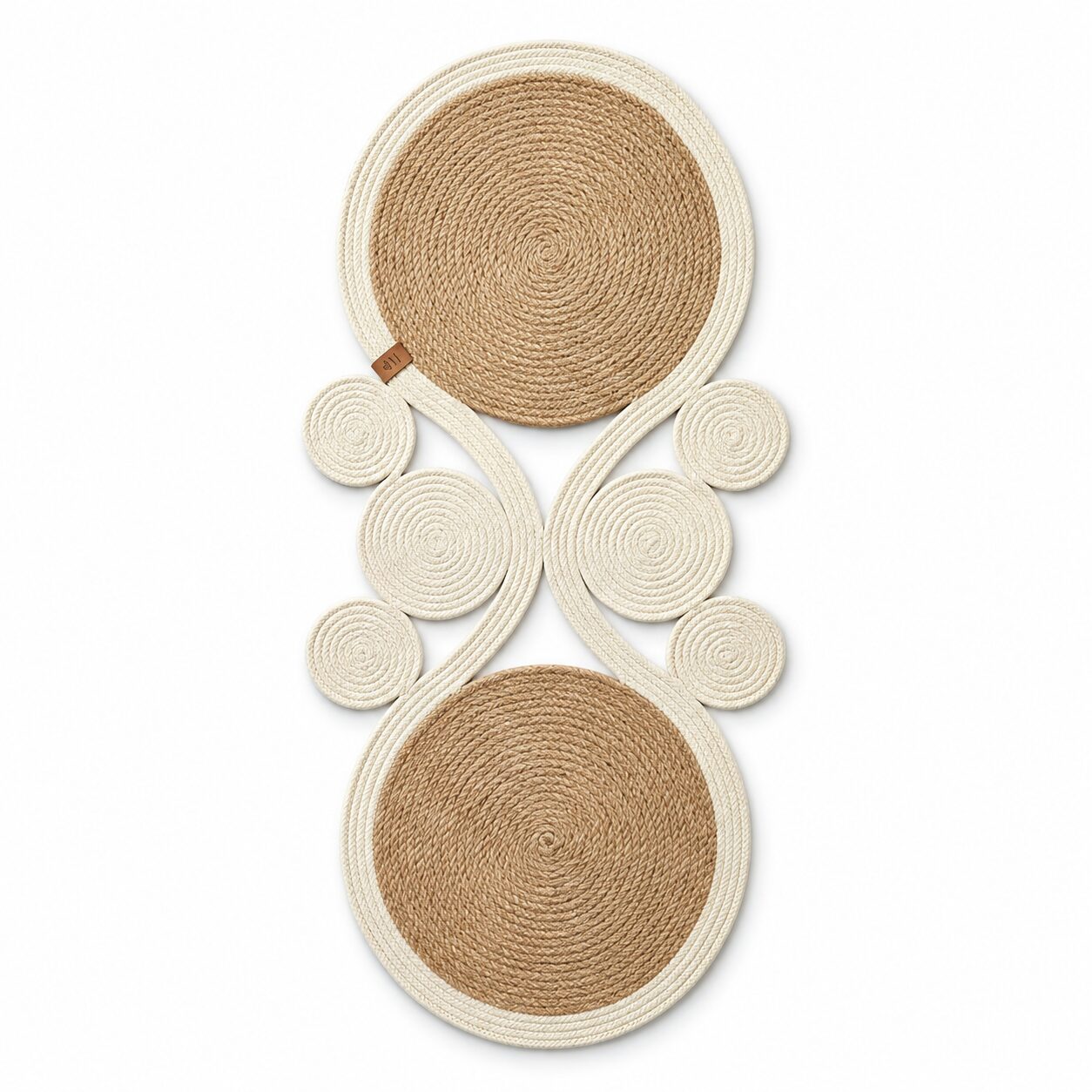
- Use a runner or placemats in eat-in kitchens. Rope placemats with braided leather accents or natural jute mats make a small dining corner feel intentional.
Common Mistakes to Avoid
- Buying storage first. Edit before you organize.
- Using baskets in wet zones. Moisture damages natural fibres.
- Overfilling baskets. An overflowing basket is just clutter with a handle.
- Ignoring the backs of cupboards. Use turntables or pull-out baskets so nothing gets forgotten.
- Too many small containers. They multiply clutter. Fewer, larger baskets are easier to manage.
- Forgetting the family. A system only works if everyone can understand it. Keep it simple and label where needed.
Quick Checklist
- Empty and edit one area at a time.
- Define your prep, cooking, cleaning, serving, pantry and tea zones.
- Choose baskets for dry goods and open shelves.
- Add a cutlery caddy and a tray for daily items.
- Use wall space with hanging baskets.
- Organize cupboards by frequency of use.
- Divide drawers by purpose.
- Finish with one or two decorative touches.
- Review the system every few months, especially before Ramadan.
A Kitchen That Feels Calm
An organized kitchen does more than look tidy. It makes cooking faster, cleaning easier and hosting less stressful. With natural baskets and wooden accessories, it also feels warm and personal, rooted in Egyptian craft traditions rather than a catalogue of plastic boxes. Start with one zone this week, and let the calm spread from there.
Discover handmade halfa and jute baskets, wooden cutlery caddies, trays and organizers at coccarohome.com, delivered anywhere in Egypt.
Shop the Look