Every home has a piece of furniture that quietly does five jobs. In many Egyptian homes, that piece is the pouf. On a normal evening it is a footrest in front of the television. On Friday it becomes a seat for a visiting cousin. When the tea arrives it holds the tray, and when the children take over the living room it turns into a drum, a stepping stone or a fort wall. Poufs and stools are small, affordable and easy to move, and few other pieces give you so much flexibility for so little floor space.
This guide explains the difference between the main types, how to choose the right size and material, and how to use them well in every room.
Pouf, Ottoman or Stool: What Is the Difference?
The words are often used interchangeably, but they describe slightly different things.
- A pouf is a low, soft or semi-soft seat without legs, usually round or square. It can be stuffed, woven or knitted. Its charm is that it is informal and light.
- An ottoman is often a little firmer and more structured, designed mainly as a footrest, and sometimes with hidden storage inside.
- A stool has legs and a firm seat. It ranges from a low footstool to a tall counter stool for a kitchen island.
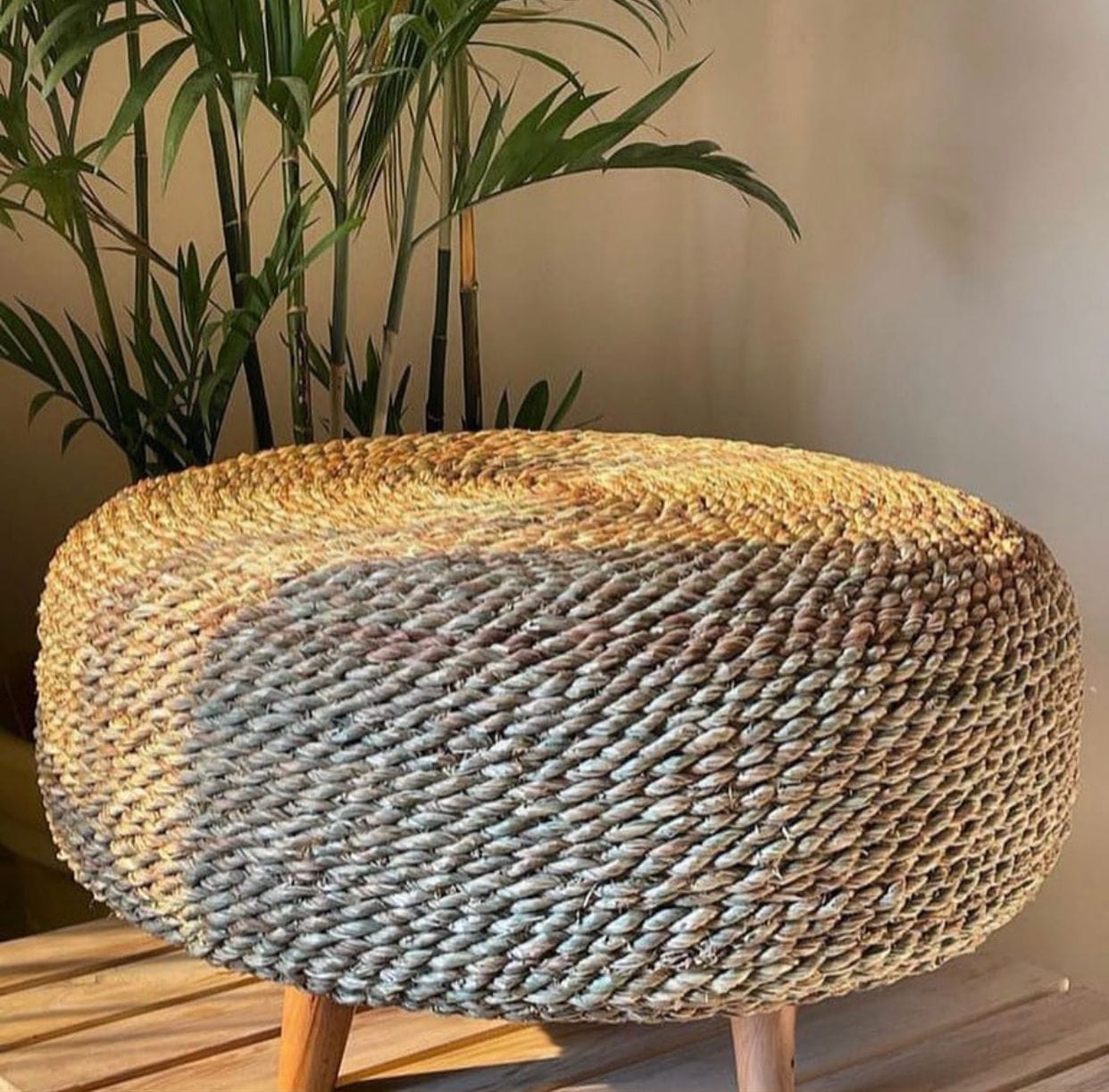
In practice, the lines blur. A woven Handmade Halfa Pouf with Leg, for example, sits between a pouf and a stool: it has the relaxed, natural look of a pouf with a raised base that lifts it off the floor. It is one of the most popular pieces we sell, largely because it fits so easily into different rooms.
Why Every Home Needs at Least One
If you are still deciding whether a pouf is worth it, consider how many problems it solves.
Extra Seating That Disappears
Egyptian homes host often, and family gatherings rarely stay at the planned number. Poufs give you extra seats without the visual weight of more chairs. When the guests leave, they slide under a console table, into a corner or next to the sofa.
A Footrest That Improves Comfort
Putting your feet up after a long day is not a luxury; it is how most people really relax. A pouf at the right height turns an ordinary sofa or armchair into a lounging spot.
A Side Table on Demand
Place a flat tray on top of a firm pouf and you have an instant coffee table. This is especially useful in small apartments where a full coffee table would block the walkway. A round halfa tray sits nicely on top and keeps cups steady.
Texture and Pattern at Floor Level
Most rooms are decorated at eye level: curtains, cushions, wall art. A pouf brings texture and colour down to the floor, which makes a room feel layered and finished.
Choosing the Right Material
Material decides how a pouf looks, how it feels, and how much care it needs. These are the most common options for Egyptian homes.
Halfa
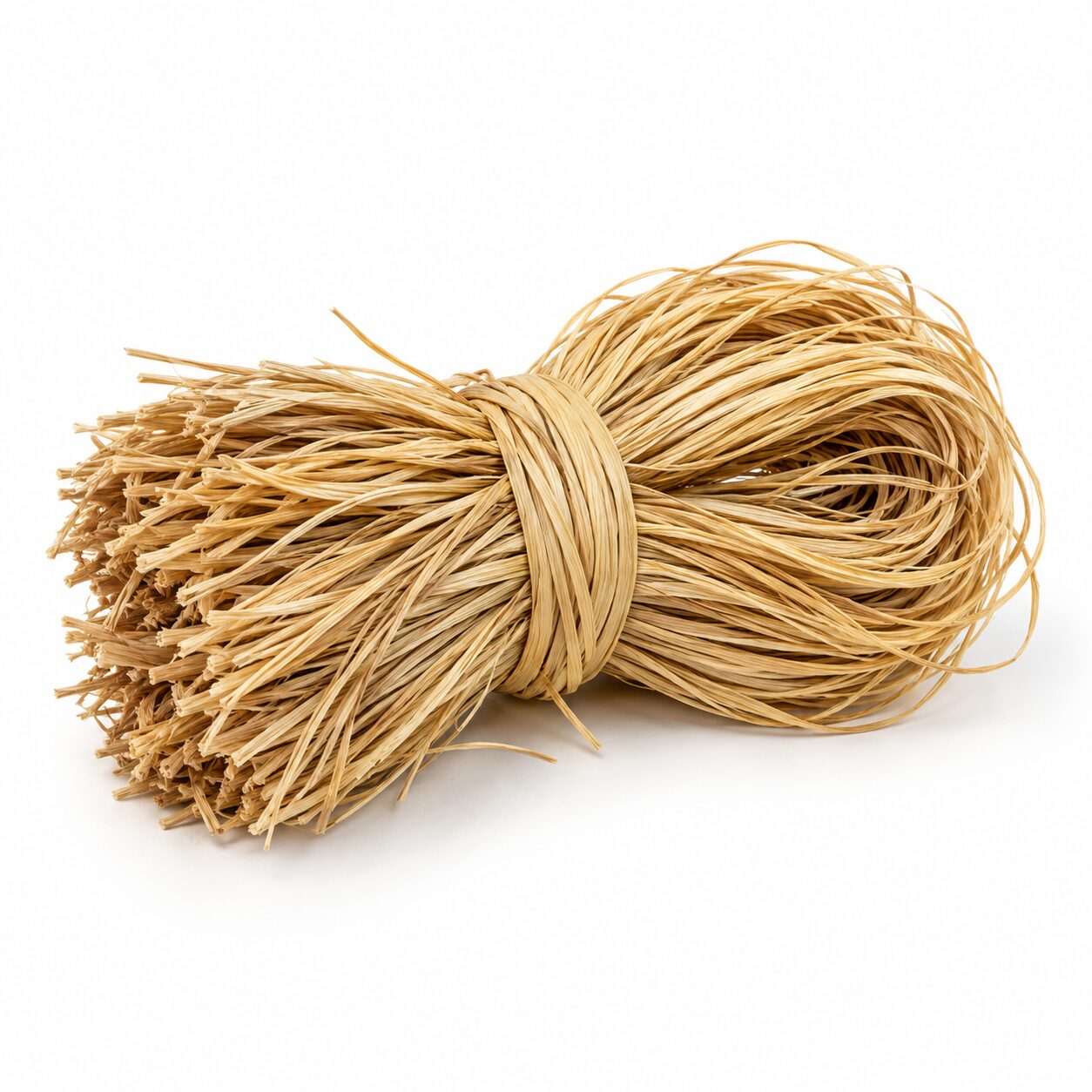
Halfa is a natural grass that Egyptian artisans have woven for generations. Halfa poufs are firm, lightweight and have a warm golden tone that suits boho, coastal and natural interiors. They are a great choice for living rooms, balconies with a roof, and bedrooms. The Handmade Halfa Pouf without Leg sits lower and works well as a footrest or a child’s seat.
For a softer, more decorative look, the Halfa Pouf with Macrame Cover combines the structure of halfa with a knotted outer layer, bringing two handmade crafts together in one piece.
Kilim
Kilim is a flat-woven textile with bold geometric patterns. A kilim pouf adds colour and a traveled, collected feel to a room. Because the pattern is strong, one kilim pouf can be the accent piece that ties together cushions and a rug. The Extra Large Kilim Pouf is generous enough to seat an adult comfortably or to serve as a central coffee table with a tray.
Knitted and Crochet Cotton
Knitted poufs are soft, cosy and very tactile. They suit bedrooms, reading corners and nurseries, and they feel wonderful under bare feet. The Handwoven Round Knitted Pouf has a braided cotton texture that softens hard floors and modern furniture.
Macrame
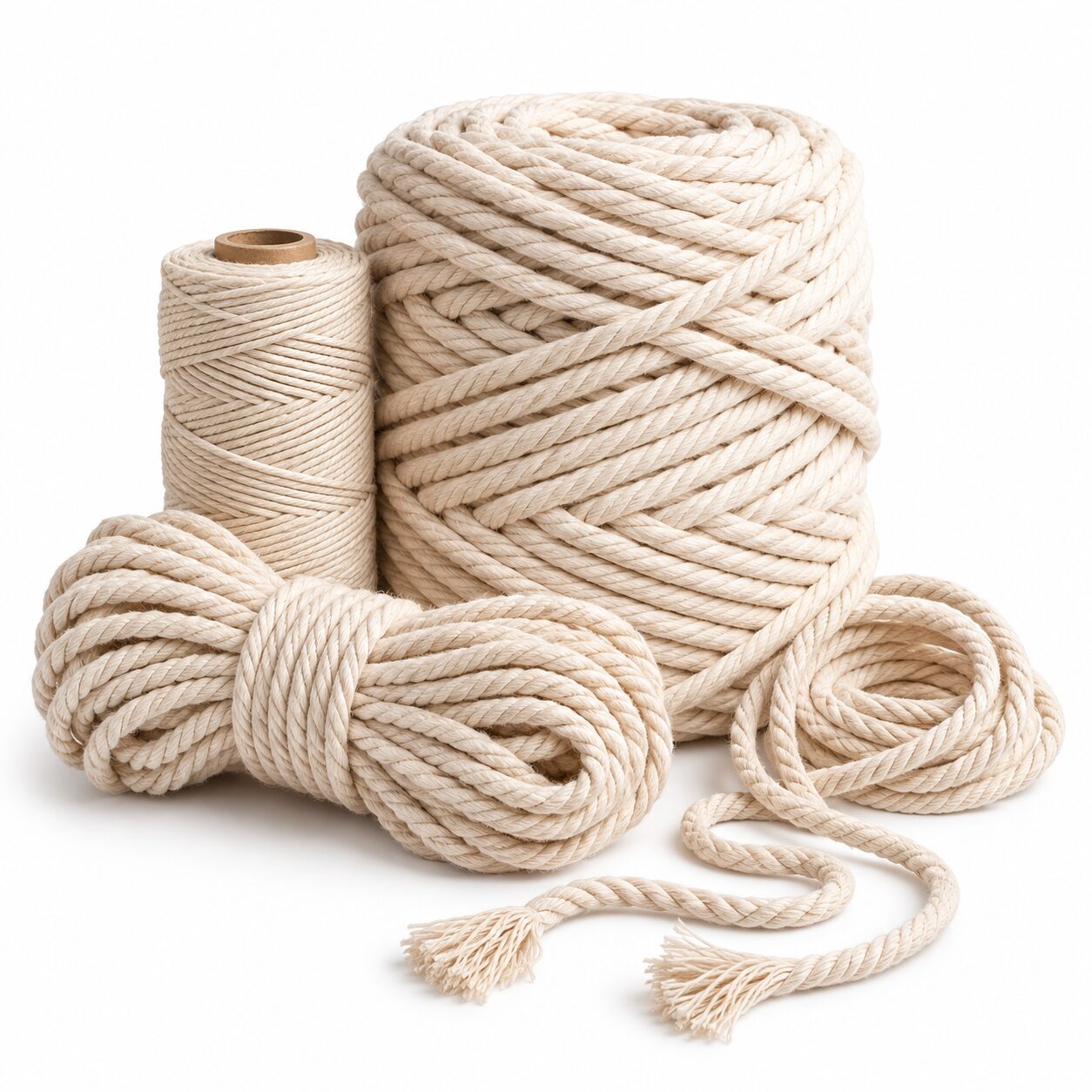
Macrame poufs bring a relaxed, bohemian mood with their knotwork and fringe. They are best in rooms where they will not be dragged across rough floors often, since the fringe is part of the beauty. If you already own a plain pouf, a macrame pouf cover is a simple way to change its look.
Jute
Jute is rougher and more rustic than cotton, with a natural earthy colour. A jute pouf pairs beautifully with wood, linen and plants.
Getting the Size and Height Right
A beautiful pouf in the wrong size is frustrating to use. Keep these guidelines in mind:
- As a footrest, the pouf should be about the same height as your sofa seat or a few centimetres lower. Much higher and your legs will feel strained.
- As a seat, aim for a height close to a standard chair seat if adults will use it for long periods. Lower poufs are fine for children or short sits.
- As a coffee table, choose a firm, flat-topped pouf that is roughly level with the sofa seat, and always use a tray for drinks.
- For the kitchen counter, measure the counter height before buying a stool. A tall stool such as the Counter Stool with Handwoven Halfa Seat is designed for bar and kitchen counters, not dining tables.
Also think about diameter. In a small living room, one medium pouf is better than two large ones. In a large room, a pair of matching poufs placed symmetrically looks polished.
Where to Use Poufs and Stools, Room by Room
Living Room
This is the natural home for a pouf. Place one in front of an armchair as a footrest, or two in front of the sofa as a flexible coffee table alternative. In an open-plan space, a pouf can mark the edge of the seating area without blocking the view.
Bedroom
A pouf at the foot of the bed or in front of a dressing table is practical and pretty. It gives you somewhere to sit while putting on shoes, and it holds a folded throw neatly. An Ottoman Stool works well here as a makeup seat that doubles as a small side table.
Kids’ Rooms
Children love poufs because they are their size. Soft knitted or floor cushion poufs are safer than hard stools, and they are light enough for kids to move themselves. A large floor cushion pouf gives them a place to read, play or watch a film on the floor.
Entrance
A small pouf or stool near the door is handy for sitting while taking shoes off, a common habit in Egyptian homes.
Covered Balcony or Roof
Natural fibres like halfa bring the indoors out. Keep them in shaded, covered spots, as long hours of direct sun and rain are hard on any natural material.
Home Office or Reading Corner
A footrest under a desk improves posture during long work sessions, and a pouf next to a reading chair holds books and a cup of tea.
Styling Tips That Make Poufs Look Intentional
A pouf dropped randomly in a room can look like an afterthought. These tips make it look planned:
- Repeat a colour or material. If your pouf is halfa, echo it with a halfa basket or tray elsewhere in the room.
- Pair it with a rug. A pouf on a rug looks anchored. A kilim or halfa rug under a halfa pouf creates a calm, textured corner.
- Mix shapes. A round pouf next to a square sofa softens hard lines.
- Use pairs for symmetry. Two matching poufs under a console table or on either side of a coffee table feel classic.
- Add a tray. A tray on top turns a pouf into a styled surface for a candle, a plant or a small stack of books.
- Do not over-match. One patterned pouf is lovely. Three different patterned poufs in one room can feel chaotic.
For a statement, some pieces blur the line between furniture and art. The Luxury Handcrafted Crane and Bloom Inlaid Pouf or Side Table is a wooden drum inlaid with mother of pearl, a heritage craft that makes it a centrepiece in any living room.
Common Mistakes to Avoid
- Buying without measuring. Check the height of your sofa and the free floor space before you buy.
- Choosing a soft pouf as a table. Very soft poufs tip cups over. If you want a table, choose a firm top and use a tray.
- Putting natural fibres in wet spots. Halfa, jute and macrame dislike moisture. Keep them away from bathroom splash zones and uncovered balconies.
- Ignoring the floor. Dragging woven poufs on rough tiles wears the base. Lift rather than drag.
- Letting it become a clutter shelf. A pouf covered in bags and laundry stops being useful. Give those items a basket instead.
- Forgetting the kids. If small children live with you, avoid tall, tippy stools in play areas.
Caring for Your Pouf
A little care keeps a pouf looking good for years:
- Vacuum woven and knitted surfaces regularly with a brush attachment to remove dust, especially after windy, dusty days.
- Spot-clean spills straight away with a slightly damp cloth, then let the piece dry fully in the shade.
- Rotate poufs every few weeks so one side does not fade or wear faster.
- Keep them out of harsh, direct afternoon sun, which dries out natural fibres and fades colours.
- Always check the care note that comes with your specific piece.
Quick Checklist
Before you buy, run through this list:
- What is the main job: seat, footrest, table or decor?
- How high is my sofa or chair seat?
- How much floor space do I have?
- Will children use it?
- Will it stay indoors, or on a covered balcony?
- Which material matches my room: halfa, kilim, knitted cotton, macrame or jute?
- Do I need one statement piece or a matching pair?
- Do I have a tray to use on top?
A Small Piece With a Big Role
Poufs and stools prove that the most useful furniture is not always the biggest. The right one gives your guests a seat, your feet a rest, your tea a place to land, and your room a finishing layer of texture. Choose the material that suits your lifestyle, get the height right, and it will earn its place every day.
Explore our full collection of handmade poufs, stools and floor seating at coccarohome.com, with delivery across Egypt.
Shop the Look
- Handmade Halfa Pouf with Leg — EGP 1,944 — Our best-loved all-rounder for seating, footrest and tray duty.
- Handmade Halfa Pouf without Leg — EGP 1,728 — A lower, natural footrest that also suits children.
- Halfa Pouf with Macrame Cover — EGP 4,752 — Two handmade crafts in one decorative seat.
- Extra Large Kilim Pouf — EGP 3,100 — Bold pattern and enough size to act as a coffee table.
- Handwoven Round Knitted Pouf — EGP 3,456 — Soft braided cotton for bedrooms and reading corners.
- Macrame Pouf Cover — EGP 2,376 — A quick way to give a plain pouf a boho makeover.
- Jute Bohemian BonBon Pouf — EGP 3,240 — Earthy jute texture that pairs well with wood and plants.
- Ottoman Stool — EGP 4,104 — A dressing-table seat that doubles as a small side table.
- Counter Stool with Handwoven Halfa Seat — EGP 4,536 — Natural halfa and pine for kitchen bars and counters.
- Halfa Round Tray — EGP 324 — Turns any firm pouf into an instant side table.