Eid morning in an Egyptian home has a sound all its own. The prayer is over, the kahk tins are open, the doorbell rings for the first time, and within an hour the living room is full of aunts, cousins, neighbours and children in new clothes. It is joyful, loud and generous, and it can also be exhausting if the house is not ready for it. The good news is that hosting for Eid is less about a perfect home and more about a prepared one. A few days of thoughtful planning turn the rush into something you actually enjoy.
This guide walks through how to get your home ready for family and guests, room by room and task by task, with ideas that work in a small apartment as well as a large family house.
Start With a Plan, Not a Shopping List
Before you buy a single thing, sit down with a cup of tea and picture the day. Most Eid hosting problems come from not knowing what the day will actually look like.
Ask yourself a few honest questions:
- How many people will come, and when? Eid visits tend to arrive in waves. Morning is often close family, the afternoon brings neighbours and friends, and the evening may be a big dinner.
- Will you serve a full meal, or sweets and drinks only? A fatta lunch for twenty needs a very different setup from a kahk-and-coffee open house.
- Where will children play? If there are ten kids under ten, they need a corner that is theirs, away from the glass vases.
- Who is staying overnight? Relatives travelling from another governorate need a bed, a towel and somewhere to put a suitcase.
Write the answers down. From that list you can work out exactly how much seating, serving ware and storage you need, and you will stop buying things you do not.
The Big Clean, Done in the Right Order
In most Egyptian homes the pre-Eid clean is a tradition in itself. The trick is to do it in an order that does not undo your own work.
- Declutter first. Clear surfaces before you clean them. Put away paperwork, school bags and the pile of things that live on the dining table the rest of the year.
- Clean high to low. Ceiling fans, curtain rails, the tops of wardrobes and light fixtures come first, because the dust falls down. After a dusty khamaseen week, this matters more than people expect.
- Wash textiles two or three days ahead. Cushion covers, table runners and throws need time to dry fully, especially if you are drying indoors.
- Floors last. Mop and vacuum the day before, then do only a quick sweep on Eid morning.
If you do not have the time or energy for a deep clean of the whole house, focus on the rooms guests will actually see: the entrance, the living room, the dining area and the guest bathroom. Nobody visits your storage room on Eid.
Hide the Everyday Clutter
The fastest way to make a room look calm is to give daily clutter a home with a lid. A Jute Storage Basket with Wooden Lid can swallow remote controls, chargers, and the kids’ colouring books in seconds, and it looks like decor rather than a hiding place. Keep one or two of these near the sofa and the entrance, and you can reset the room between visits in under a minute.
Seating: The Part Everyone Underestimates
Ask any experienced host what runs out first on Eid, and the answer is almost always chairs. Sofas fill up quickly, and dining chairs get dragged into the living room and never return.
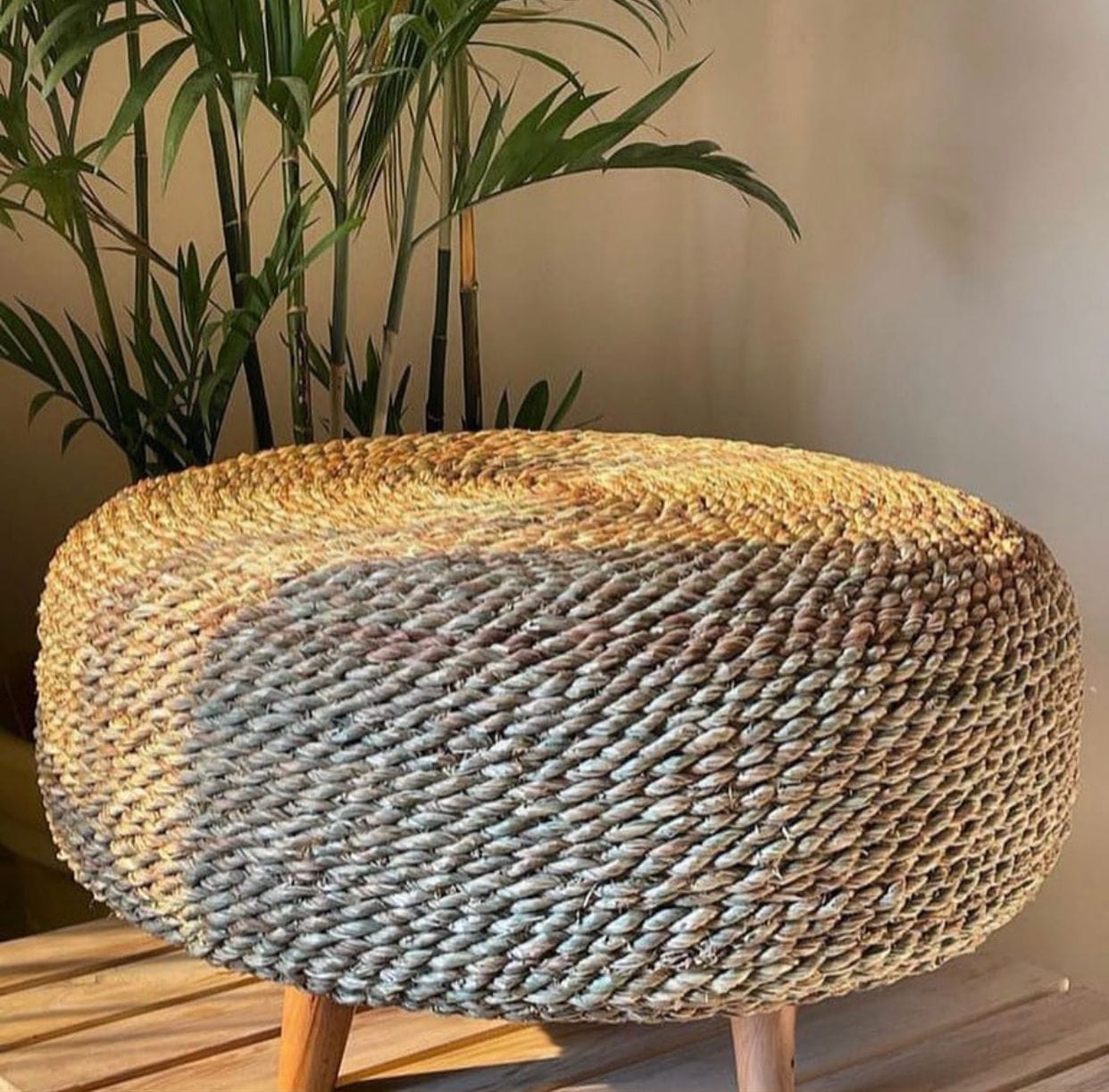
Flexible seating is the answer. Poufs are ideal because they are light, they tuck under a console or into a corner when you do not need them, and they are the right height for both children and adults. A Handmade Halfa Pouf with Leg adds a natural, woven texture that suits the relaxed feel of a family gathering, and it doubles as a side table for a tray of tea when the room is full.
A few seating tips that make a real difference:
- Arrange chairs in conversation groups rather than lining them up against the walls. Groups of four to six people talk more easily.
- Leave a clear walking path from the door to the seating area and from the seating area to the bathroom. On a busy day people carry plates and small children through these routes.
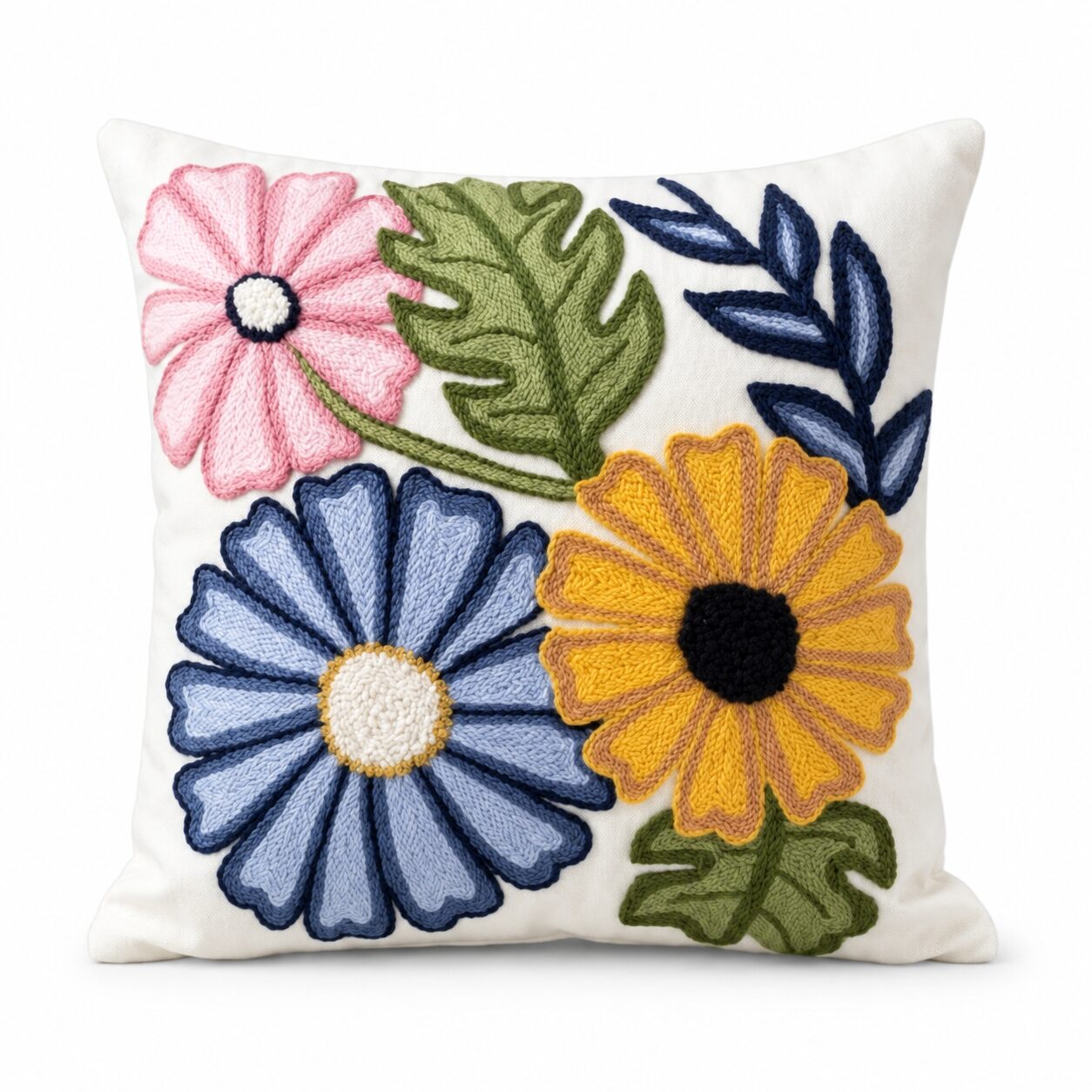
- Add cushions for comfort. Older relatives often sit for hours. A supportive cushion behind the back makes a hard chair far more comfortable. If your existing cushions have gone flat, a fresh plain white decorative cushion filler brings them back to life without replacing the covers.
- Think about floor seating for children. A rug and a few floor cushions give kids their own spot and keep them off the good sofa.
Setting the Eid Table
Whether you serve a full meal or sweets only, the table is where Eid hospitality is most visible. It does not need to be elaborate to feel special.
Layer the Surface
Start with a runner rather than a full tablecloth. A runner shows off the table, is easier to wash, and frames the centre where the serving dishes go. The Tassel Macrame Table Runner is one of our most loved pieces because its natural burlap tone works with almost any tableware, from white porcelain to colourful ceramics.
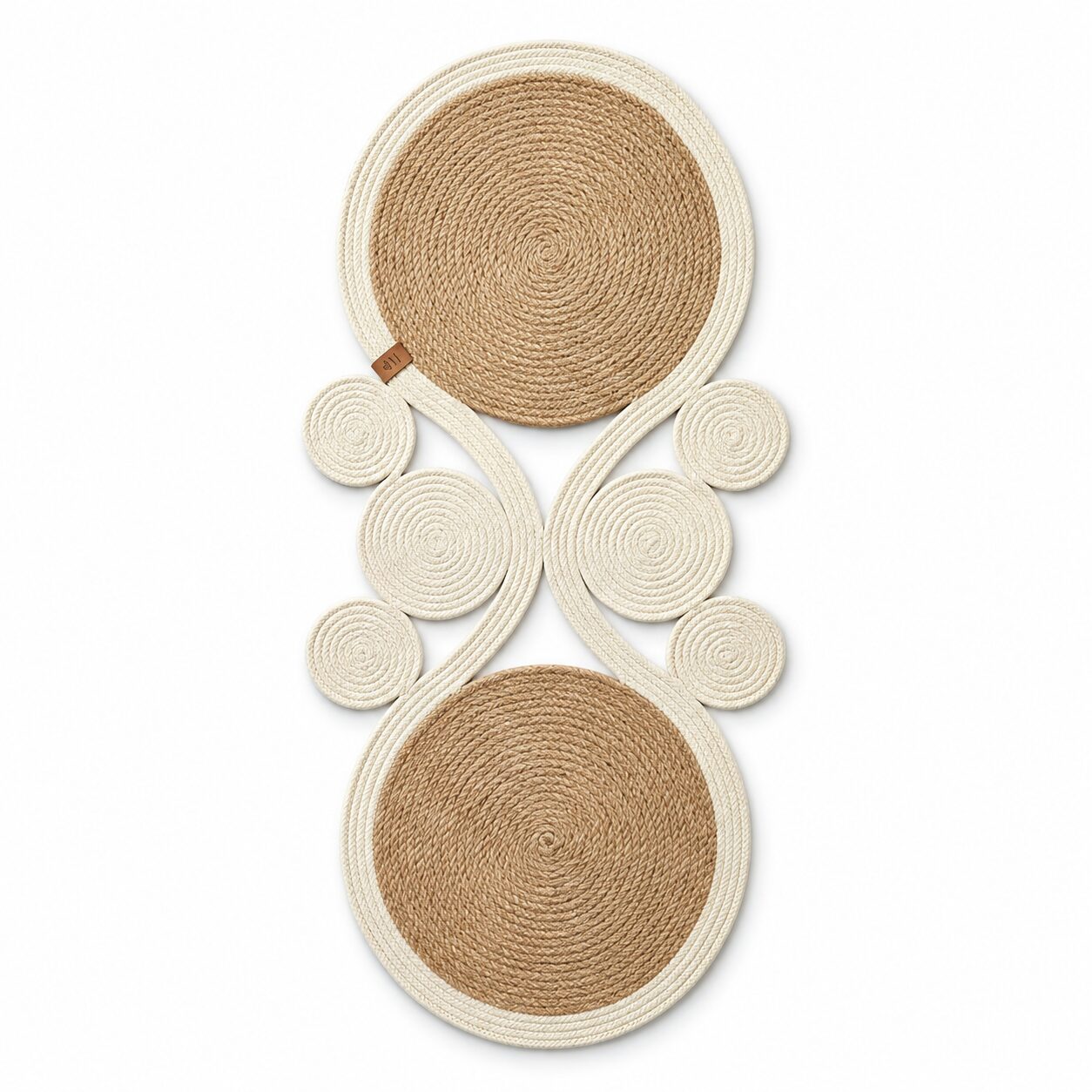
Next, add placemats under each plate. They protect the table from hot dishes and define each person’s space, which helps a long table feel organised. Woven Artisan Rope Placemats give a warm, handmade look and are easy to wipe.
Protect and Present the Food
Eid food often sits on the table for a while as guests come and go. Covering it keeps it fresh and keeps flies away if windows are open. A Handwoven Food Cover with a dome shape looks lovely over a plate of kahk or a bread basket, and it lifts off easily when someone wants a piece.
For nuts, dates, and small sweets, a set of small bowls is much more practical than one big dish, because guests on both ends of the table can reach them. The Woven Jute Snack Serving Bowls come as a set of five with cheerful red and green edges that feel festive without being loud.
Keep Cutlery and Napkins Within Reach
A cutlery caddy on the table saves you from running to the kitchen every time a new guest sits down. The Handcrafted Wooden Cutlery Caddy with Decorative Tiles holds forks, spoons and napkins together, and the tile work gives the table a touch of heritage charm.
The Tea and Coffee Station
In Egypt, hospitality is measured in cups. From the moment the first guest sits down, someone will be asked “shay walla ahwa?” and that question will be repeated fifty times before the day ends.
Setting up a dedicated tea and coffee corner takes pressure off the kitchen and lets guests, or older children, help themselves. Choose a side table, a sideboard or even a kitchen counter near the living room, and stock it with:
- A kettle or thermos of hot water
- Tea, coffee, sugar and a small jar of mint
- Clean cups arranged on a tray
- Teaspoons in a cup or holder
- Coasters to protect the furniture
- A small bin or bowl for used tea bags
A tray keeps everything together and makes it easy to carry the whole setup into another room if the gathering moves. The Acacia Wood Serving Tray is sturdy, neutral and handsome enough to leave on display. Pair it with a set of handcrafted wooden coasters and nobody will leave rings on your coffee table.
If you want the corner to feel more deliberate, a handcrafted tea and coffee accessories set turns an ordinary side table into a proper station.
Guest Comfort: The Small Things People Remember
Guests rarely remember the exact dessert you served, but they remember whether they felt comfortable. These details cost little and make a big impression.
The Guest Bathroom
This is the room most guests will visit, often more than once. Prepare it properly:
- A clean hand towel, plus a spare folded nearby
- Liquid soap that is full, not nearly empty
- A tissue box that is easy to find
- An empty bin with a fresh liner
- Extra toilet paper somewhere visible
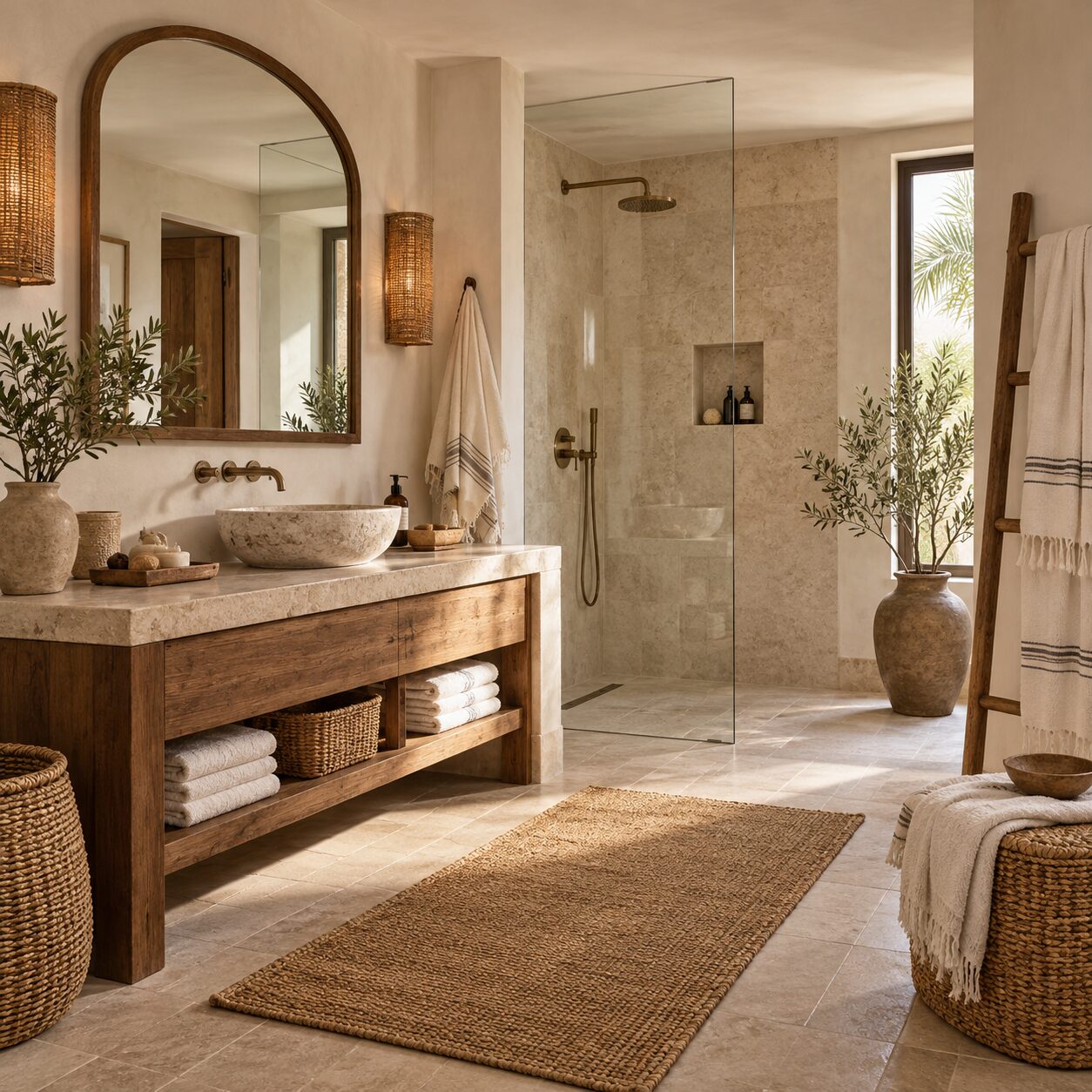
Put tissues in the living room and dining area too. On a day of sweets, tea and children, tissues are needed everywhere. A round jute and cotton rope tissue box looks neat on a side table and does not scream “tissue box”.
Temperature and Air
Depending on when Eid falls, Egyptian weather can be very hot. Service your air conditioner a week before, clean the filters, and have fans ready for rooms without AC. Open windows in the early morning to air out the house, then close them before the heat builds. A room full of people warms up quickly, so set the AC a little cooler than usual before the first guests arrive.
Decorating for Eid Without Overdoing It
Eid decor should feel joyful and welcoming, not cluttered. Focus on a few areas rather than decorating every surface.
- The entrance. This sets the tone. A small arrangement, a lantern, or a garland near the door tells guests the house is celebrating.
- The living room. Swap in a few festive cushion covers or add a throw to the sofa. It is the easiest way to change the feel of a room in minutes.
- The table. A centrepiece of fresh flowers or greenery in a low vase keeps sightlines clear so people can talk across the table.
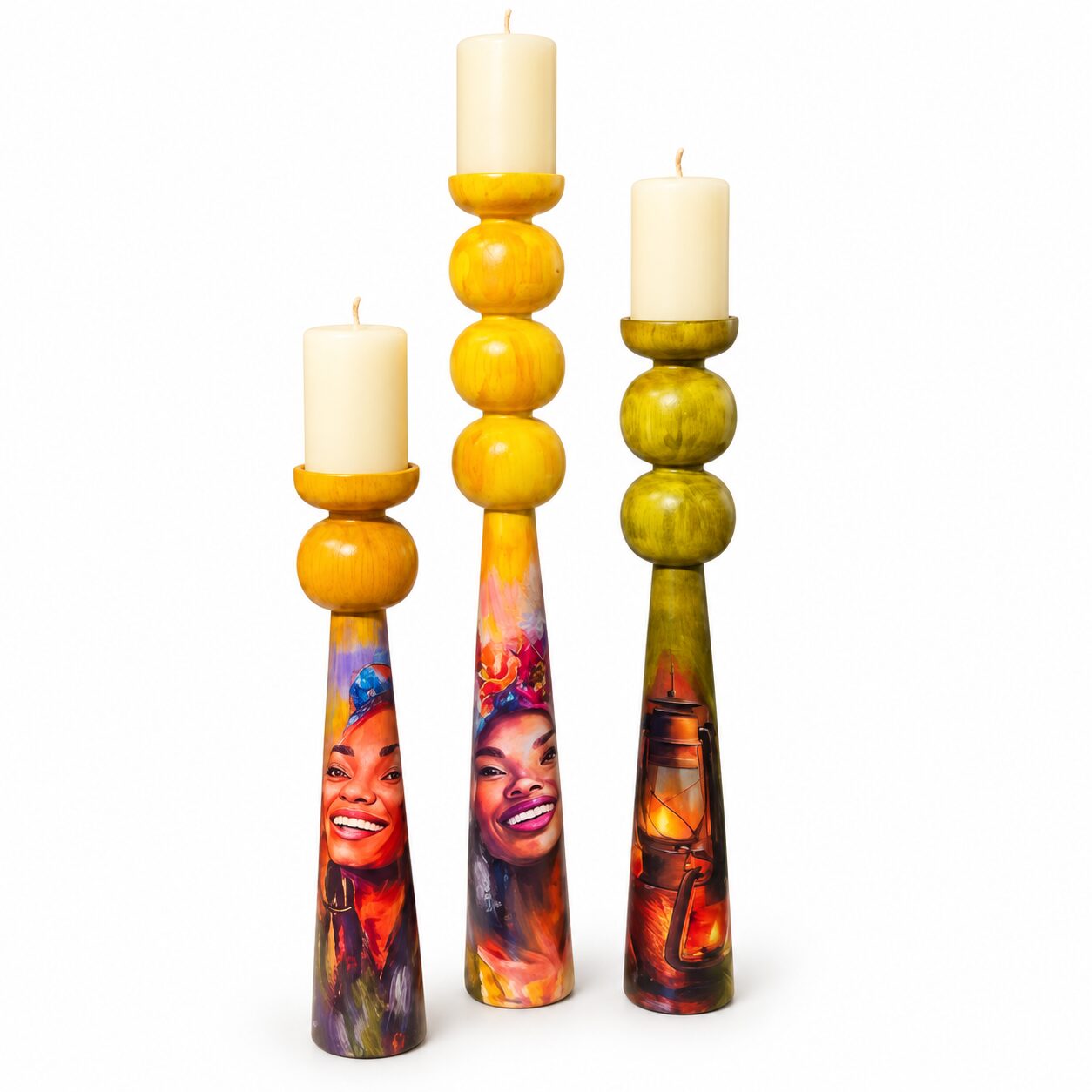
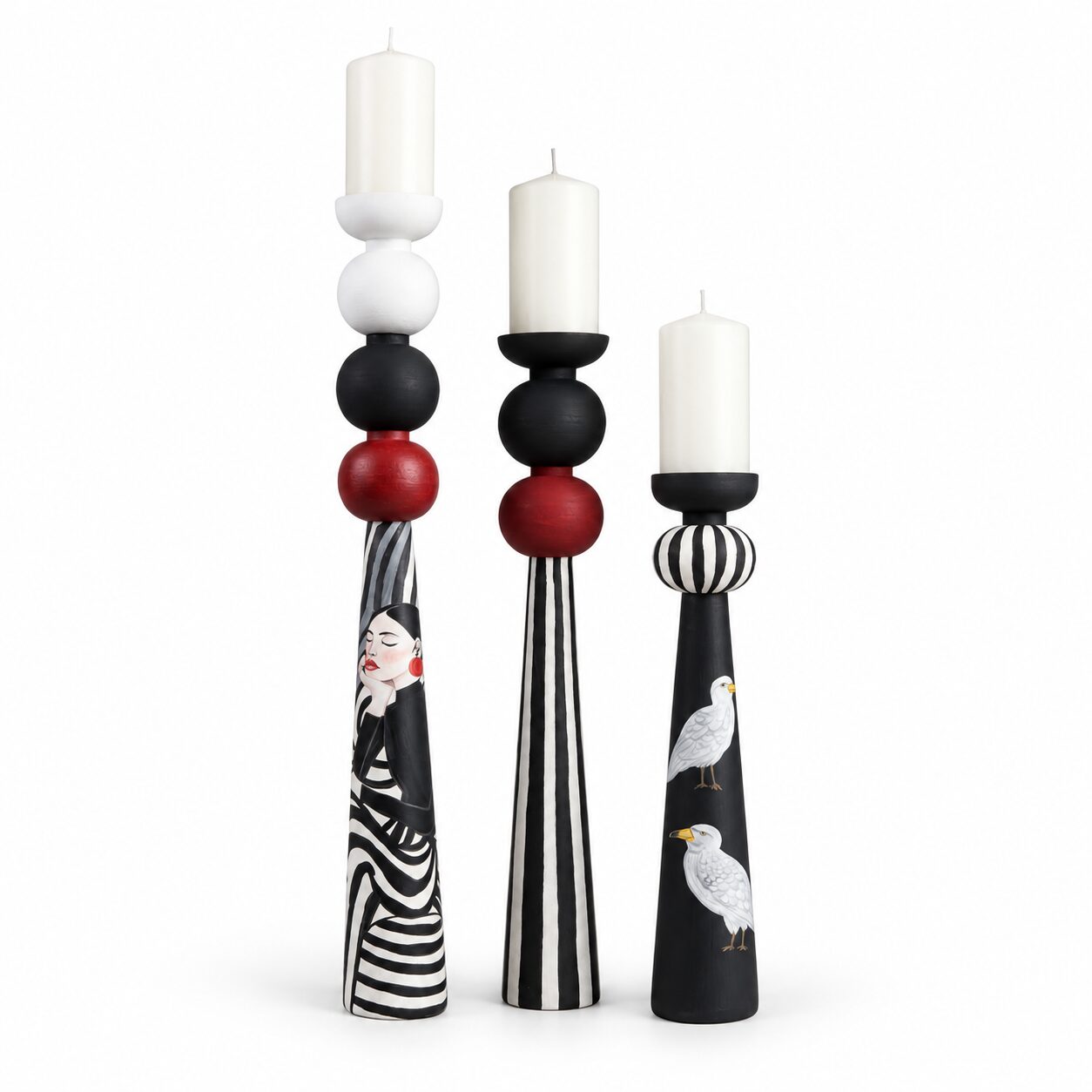
- Lighting. As evening falls, warm lamps and candle holders make the room feel intimate. Avoid harsh overhead lights for dinner if you can.
Crescent and lantern pieces from Ramadan carry naturally into the first days of Eid, so there is no rush to pack them away.
Preparing for Overnight Guests
If relatives are staying, wash and air the bedding a few days before, leave a folded towel set and a bottle of water on the bed, clear a drawer so they can unpack, and put a lamp on the nightstand. A soft throw at the foot of the bed is a lovely touch for guests who find the air conditioning chilly at night.
Common Mistakes to Avoid
Even experienced hosts fall into these traps. Avoiding them saves a lot of stress.
- Doing everything on Eid eve. Cooking, cleaning and decorating all in one night leaves you exhausted before the first guest arrives. Spread the work over the week.
- Buying too many new things at once. New decor is exciting, but a room overloaded with pieces looks busy. Choose a few items that you will use for years.
- Forgetting the children. Children without a space of their own will make one, usually in your bedroom. Plan a corner with a rug, some cushions and a few games.
- Using only one big serving dish. Guests at the far end of the table will not reach it. Several smaller bowls work far better.
- Leaving fragile pieces out. Move delicate vases and glass decor to high shelves or into another room for the day.
- Not asking for help. Assign simple jobs to family members: one person on tea, one on greeting, one on the kids. Hosting is a team effort.
Quick Checklist
Use this list in the days before Eid:
- Decide on guest numbers and the type of hosting (meal, sweets, or both)
- Declutter living and dining surfaces
- Wash cushion covers, runners and throws at least two days ahead
- Service the AC and prepare fans
- Add extra seating with poufs and floor cushions
- Set up a tea and coffee station with a tray and coasters
- Prepare the guest bathroom with towels, soap and tissues
- Plan a play corner for children
- Prepare the guest room if relatives are staying
- Choose a simple table centrepiece
- Put lidded baskets in the living room for quick tidying between visits
- Assign helpers for the day
Making Eid About the People
The best Eid gatherings are rarely the most expensive ones. They are the ones where the host has time to sit down, drink tea with an aunt, and watch the children run around with their eidiya. Preparation is what buys you that time. When the seating is ready, the tea corner is stocked, and the table is set, you can stop working and start celebrating.
If you are getting your home ready this year, explore our handmade serving pieces, poufs, cushions and table linens at coccarohome.com. And if you are visiting someone else, our Eid gift cards make a thoughtful present that lets your hosts choose something they truly love. Eid Mubarak, and may your home be full.
Shop the Look