There is a particular feeling in Egyptian streets in the days before Ramadan. The fawanees appear in shop windows, strings of light go up between balconies, and the smell of qamar el din and konafa starts drifting out of kitchens. Inside our homes, that same anticipation deserves a place. Decorating for Ramadan is not about spending a lot or following a trend. It is about creating a setting that makes the month feel different from the rest of the year: calmer, more generous and more focused on family.
This guide covers how to prepare your home for the holy month, room by room, with ideas that are simple to put together and easy to live with for thirty days of iftars, suhoors and visiting relatives.
Start With a Plan, Not a Shopping List
Ramadan decor works best when it is focused. Rather than scattering crescents across every surface, choose two or three areas that matter most to how your family lives during the month. For most Egyptian households, that means:
- The iftar table, where everyone gathers at sunset.
- The living room or majlis, where guests sit after iftar and families stay up late.
- The entrance, the first thing visitors see.
- A quiet corner for prayer, Quran reading or reflection.
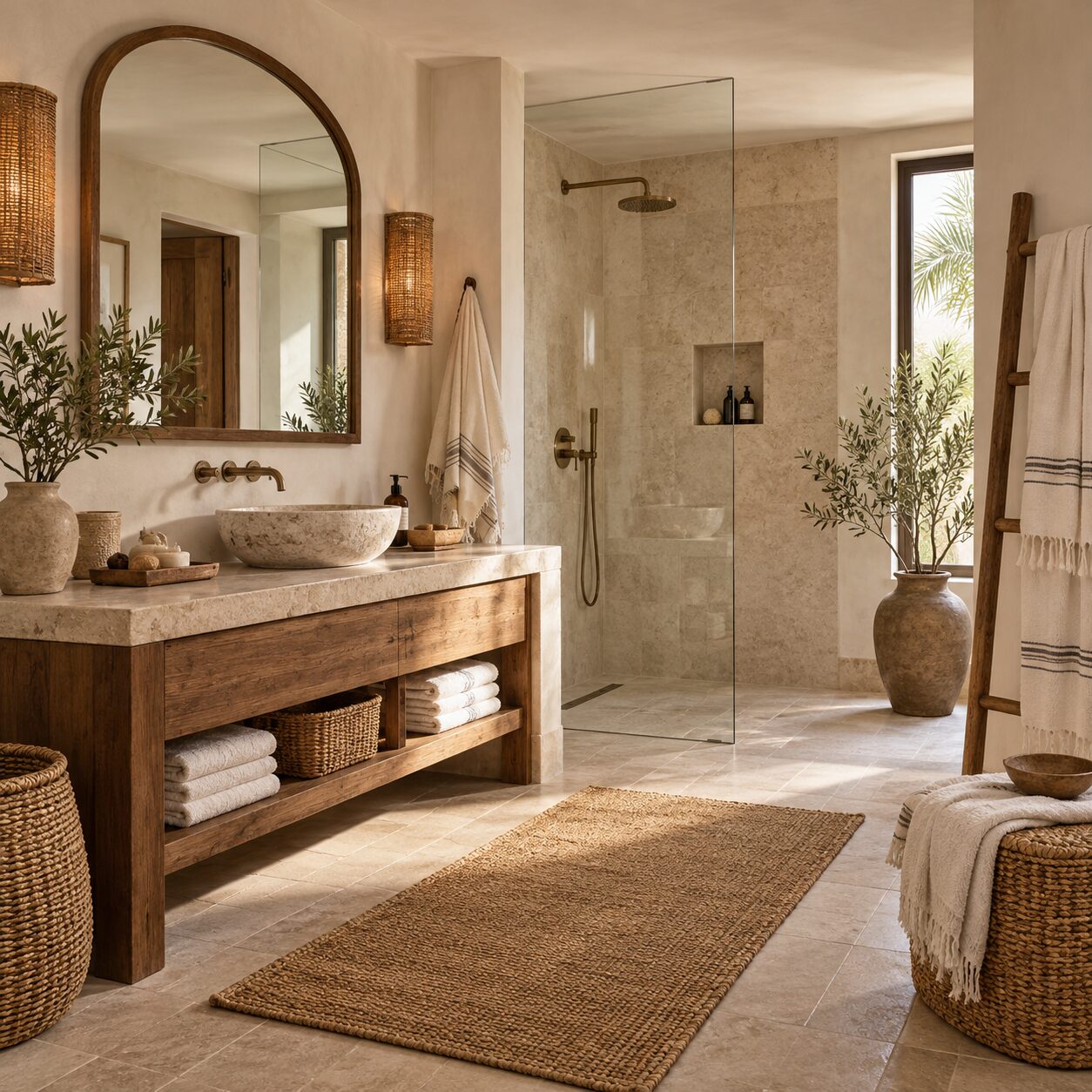
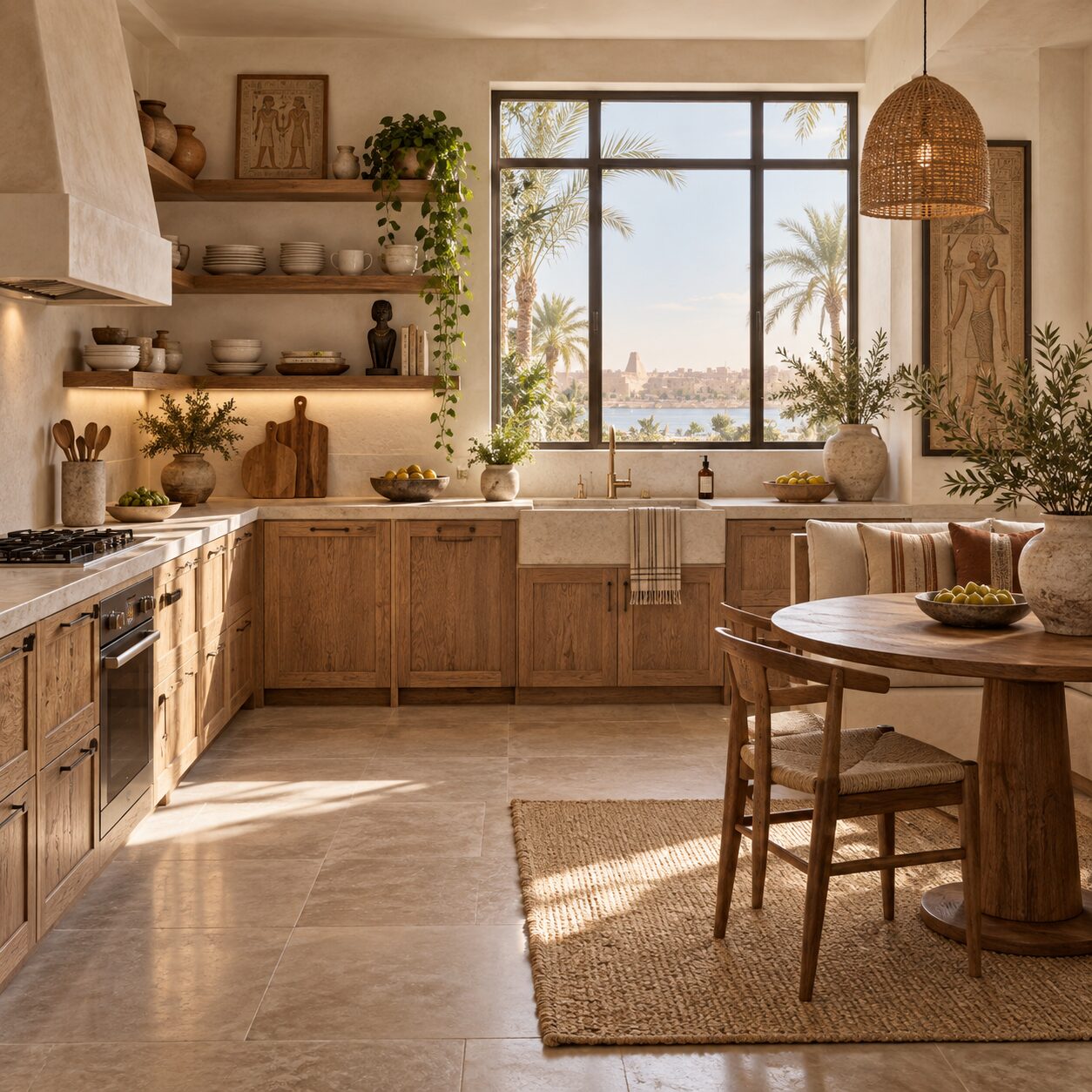
Decide on a colour palette before you buy anything. Classic Ramadan palettes include deep blue with gold, warm cream with brass, or natural jute and wood with a single jewel-tone accent. A consistent palette means that even a handful of pieces will look pulled together.
Set an Iftar Table Your Family Will Remember
The iftar table is the heart of Ramadan at home. It is where the day’s fast ends, often with dates and water, before the main meal arrives. Because you will set it every evening for a month, the goal is a table that looks special but is fast to reset.
Build a base layer
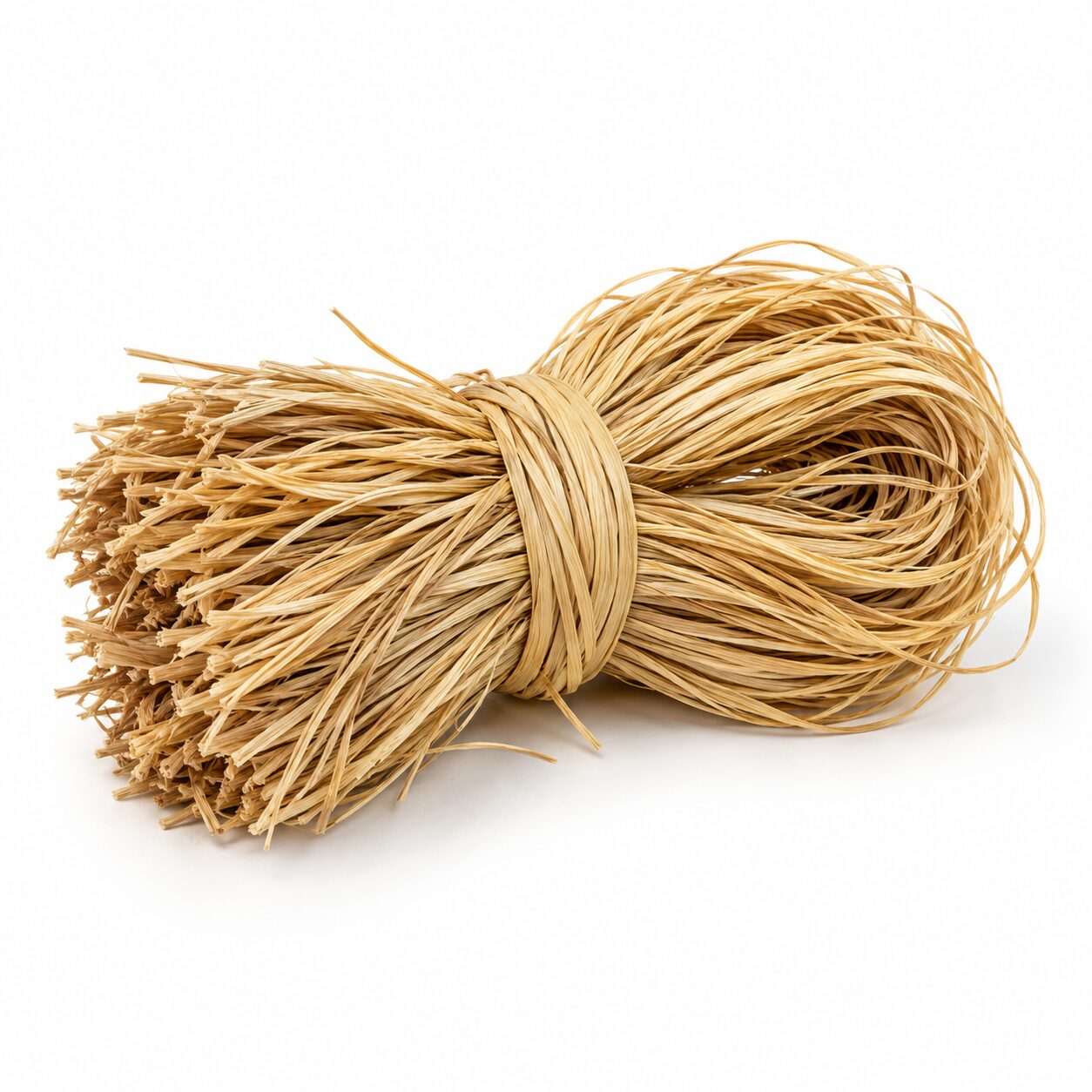
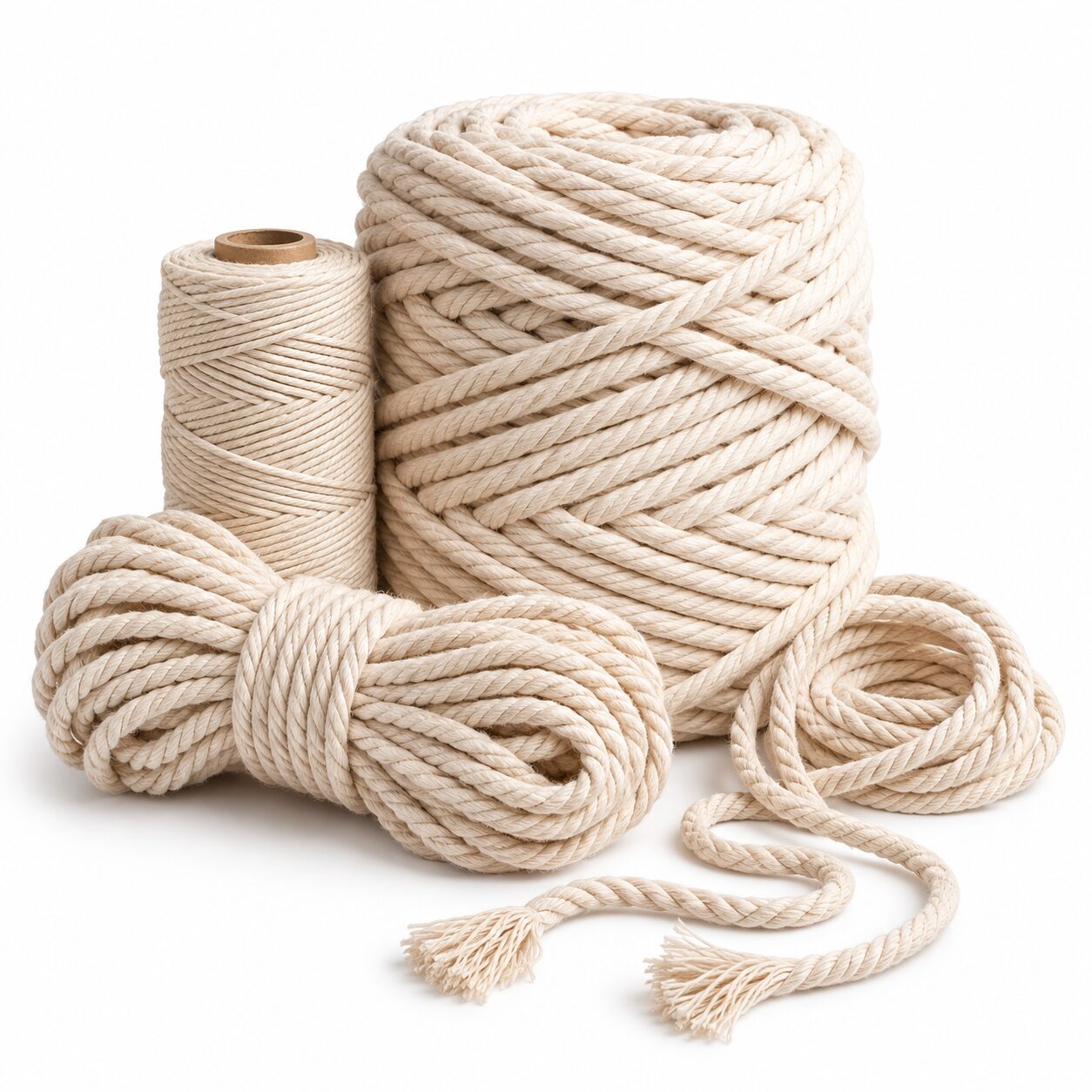
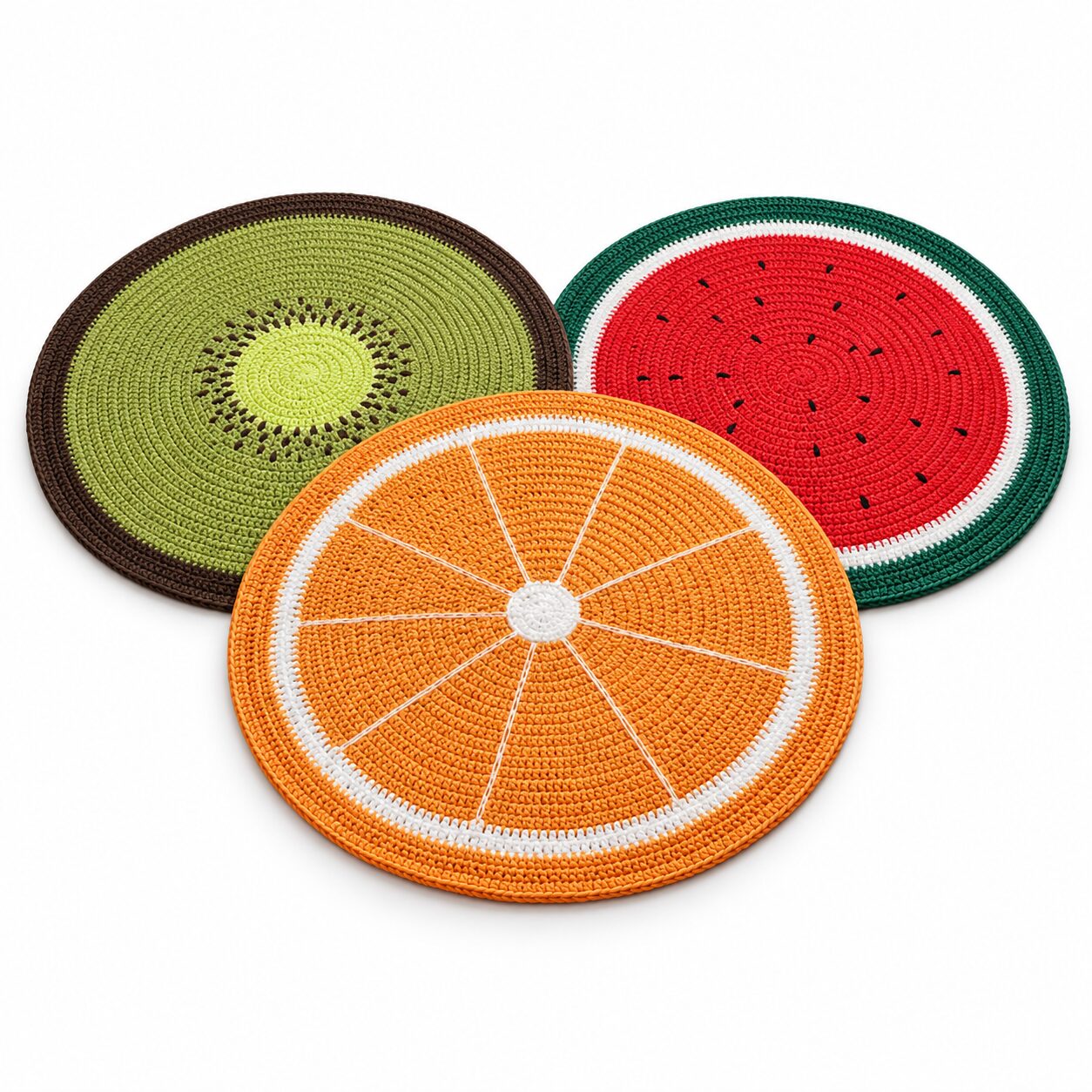
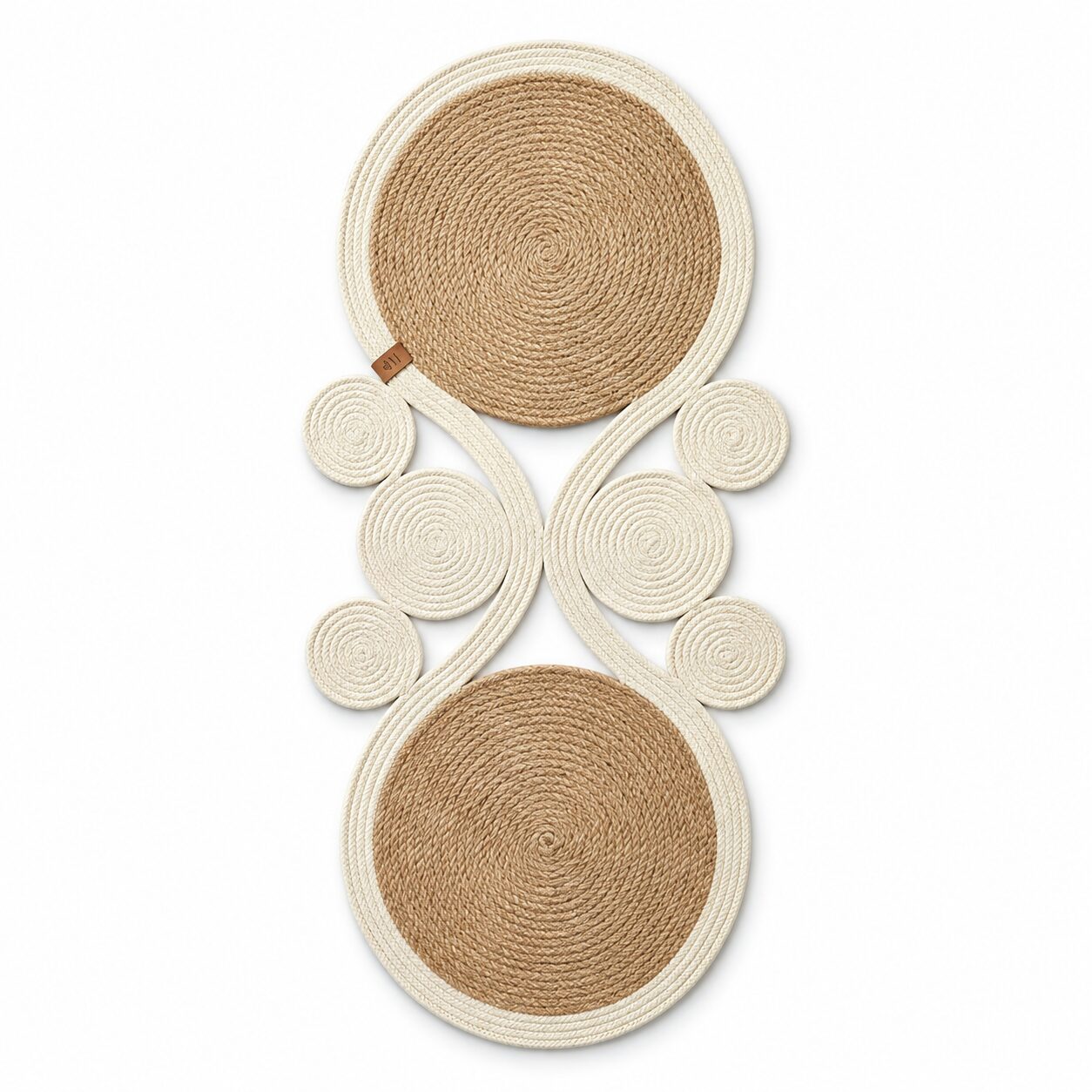
Begin with a table runner or a set of placemats. Natural fibres such as jute and cotton rope suit Ramadan beautifully because they feel warm and traditional without looking heavy. A runner down the centre also protects the table from serving dishes and makes clearing up easier.
Add Ramadan-specific serving pieces
A few dedicated pieces make the table feel seasonal without extra effort. The Wooden Cutlery Holder with Moon and Star Design keeps spoons and forks within reach during a busy iftar and carries the crescent motif right onto the table. For a more colourful look, the Wooden Cutlery Caddy with Decorative Tiles brings a mosaic-inspired touch that pairs well with blue and gold palettes.
Food covers are one of the most practical things you can own in Ramadan. Dishes often sit on the table for a few minutes before the adhan, and a Handwoven Jute Food Cover keeps them protected while looking far nicer than foil or cling film.
Dates, nuts and small plates
Serve dates in a woven bowl or on a small tray at the centre of the table so everyone can reach them at the moment of breaking the fast. The Woven Jute Snack Bowls Set is designed for exactly this kind of shared serving: dates in one bowl, nuts in another, dried apricots in a third.
Protect your table
Hot tea, qamar el din and soup are constant through the evening. A set of coasters saves your table from rings, and the Wooden Mandala Coasters Set adds a geometric pattern that fits naturally with Islamic design traditions.
Create a Cosy Majlis for After Iftar
After the meal, families move to the living room for tea, sweets, series and long conversations. This is where soft furnishings make the biggest difference.
Cushions tell the story
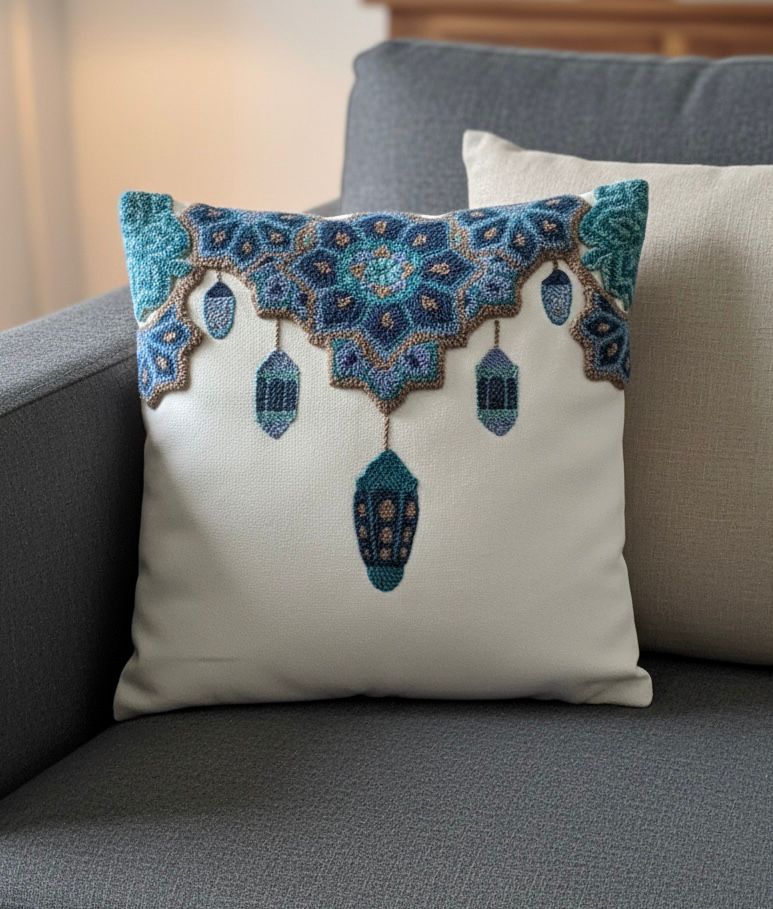
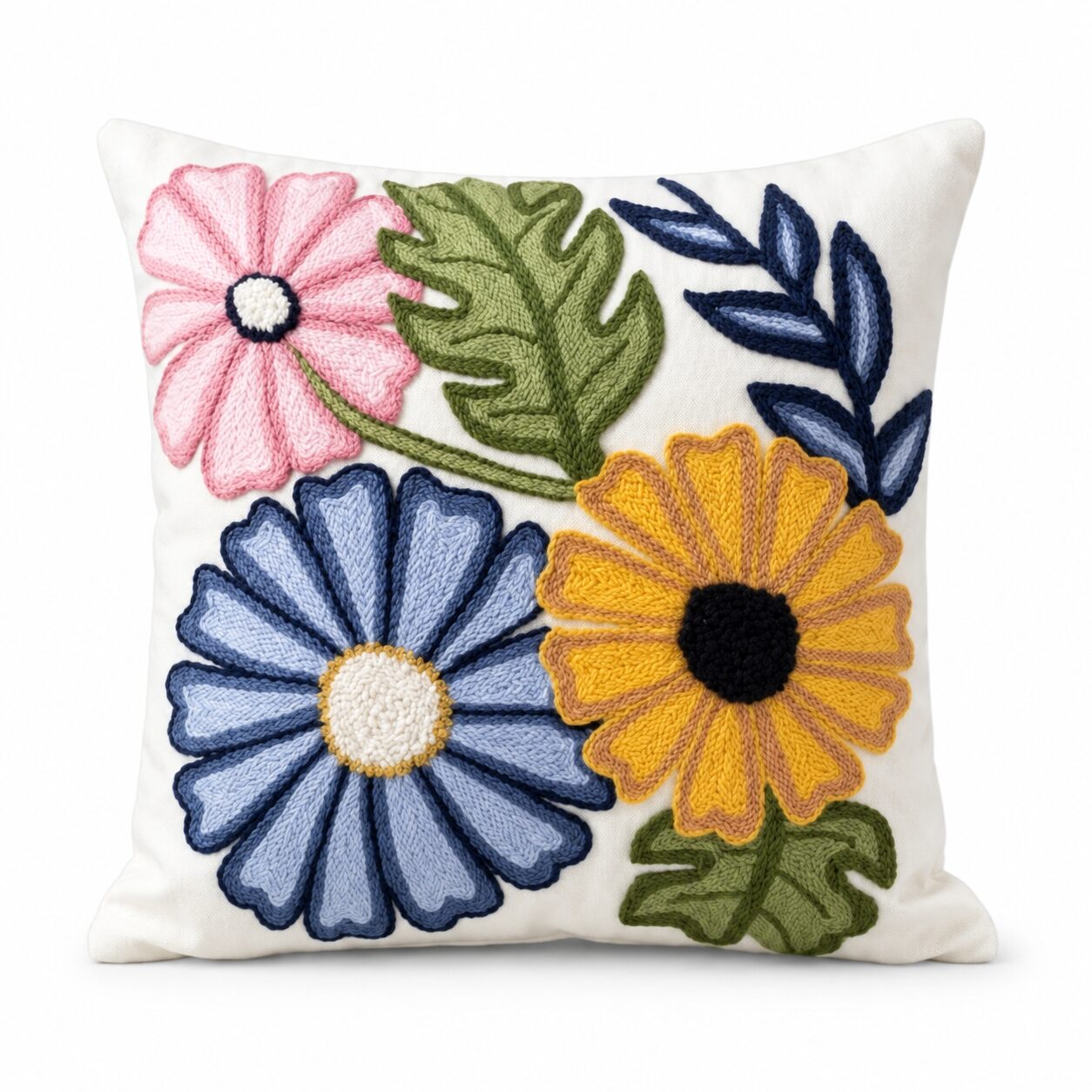
Swapping a few cushion covers is the quickest way to make a living room feel like Ramadan. The Ramadan Lantern Punch Needle Cushion is one of our most popular seasonal pieces because it brings the fanous right onto the sofa in a soft, handmade way. Pair it with plain cushions in cream, navy or mustard so it stands out.
Floor seating for extra guests
Ramadan means more visitors, and chairs run out quickly. Poufs and floor cushions give guests somewhere comfortable to sit and are easy to move from room to room. A handmade halfa or kilim pouf also doubles as a small side table for a tea tray when needed.
Layer warm light
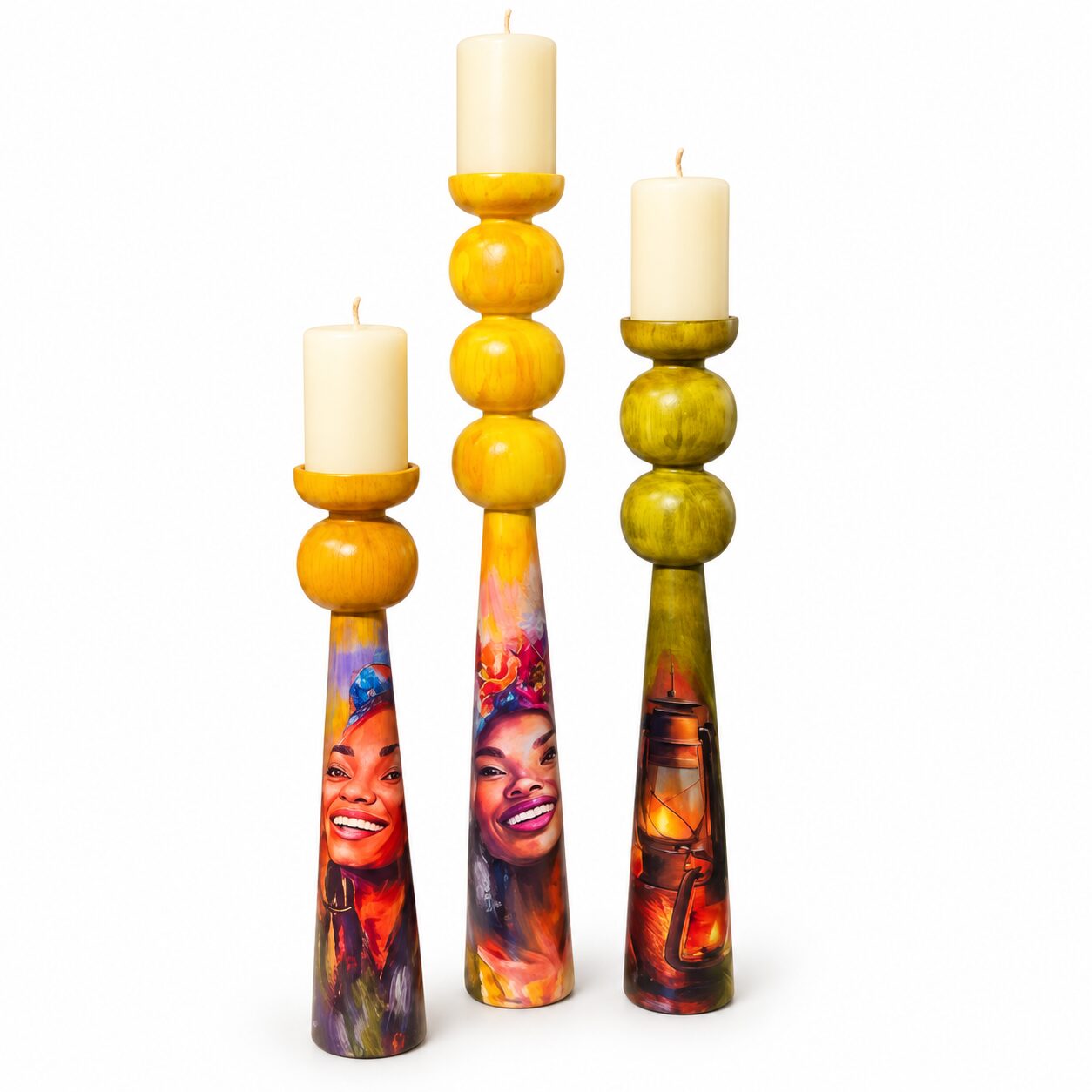
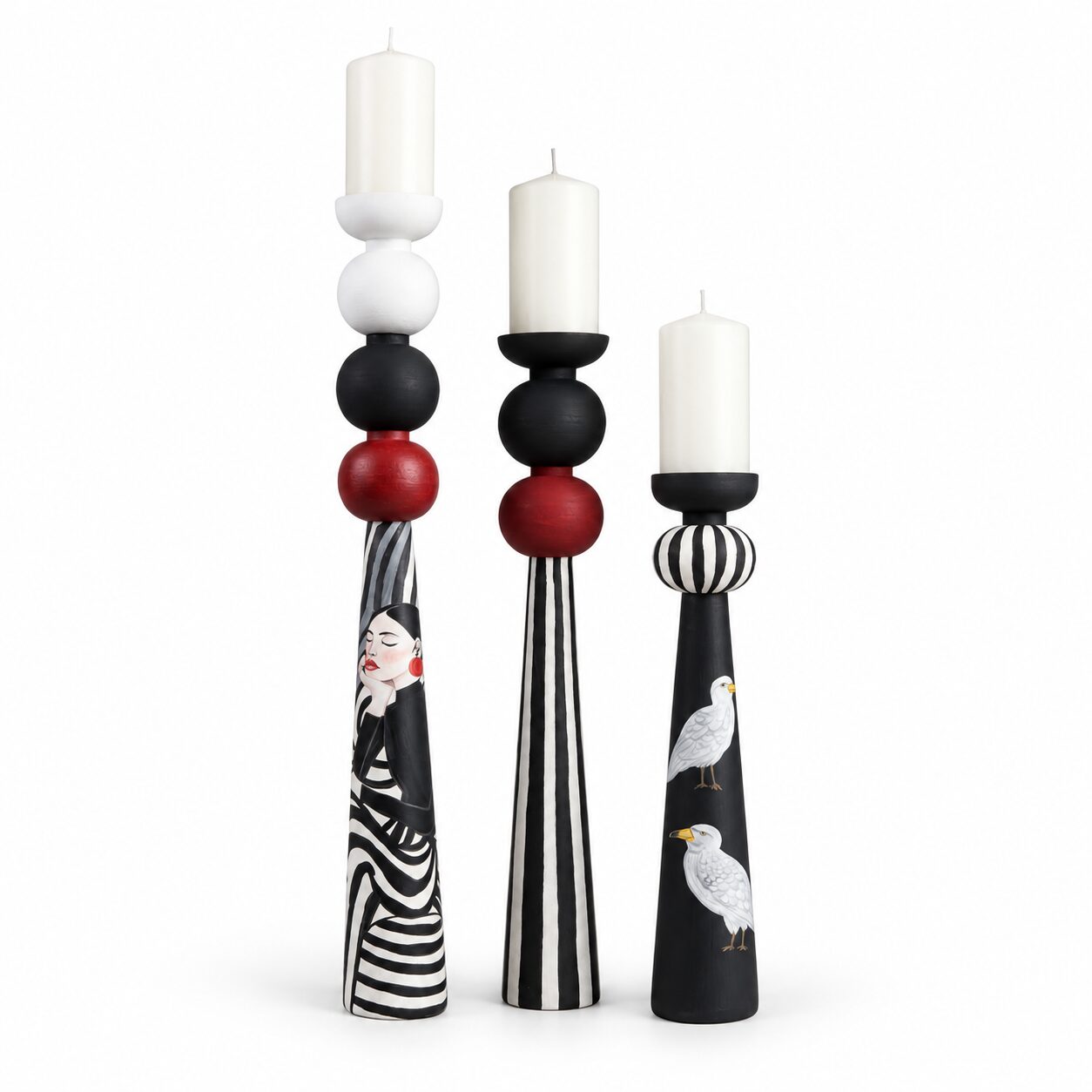
Ramadan evenings feel best in warm, low light. Turn off the harsh ceiling light after iftar and use table lamps, lanterns and candles instead. Keep candles in stable holders, well away from curtains and children, and consider LED candles if you have young kids running around.
Make the Entrance Feel Festive
The entrance sets the tone for every guest who visits during the month.
- Hang a fanous near the door or place one on a console table.
- Add a welcome basket filled with dates or wrapped sweets for visitors and neighbours.
- Use a woven tray to collect keys and small items so the entrance stays clear despite the extra traffic.
- Keep shoes organised with a basket or low bench, since Ramadan brings a steady flow of visitors.
A decorative basket works both as decor and as a practical holder. The Ramadan Rope Basket with Lid and Tassel has wooden star and moon accents and can hold dates, sweets or small gifts. The Blue Crochet Basket with Gold Lantern Designs is a colourful option that looks lovely on an entrance console.
Set Up a Quiet Corner for Prayer and Reflection
Ramadan is a spiritual month, and having a dedicated corner for prayer and Quran reading helps many families keep their routines. It does not need much space.
- Choose a calm corner away from the television, ideally near a window.
- Lay a soft rug or keep a prayer mat folded neatly in a woven basket.
- Add a low stool or a floor cushion for reading.
- Place a small lamp or candle holder for gentle light at suhoor time.
- Keep a basket for the Quran, a tasbih and a notebook.
Keep this corner free of clutter and bright decorations. Its purpose is stillness, and a simple, natural palette supports that best.
Ramadan Gifts and Sharing
Ramadan is a season of giving, and many families exchange small gifts or send trays of sweets to relatives and neighbours. Handmade pieces make thoughtful gifts because they last well beyond the month.
Good Ramadan gift ideas include:
- A decorative basket filled with dates and nuts
- A coaster set or cutlery holder for the iftar table
- A seasonal cushion for a relative’s living room
- A tea and coffee accessories set for someone who loves hosting
- A gift card, so the recipient can choose for themselves
The Wooden Tea and Coffee Accessories Set is a thoughtful choice for anyone who hosts evening gatherings, since tea and coffee flow all night long through the month.
Prepare Your Home for Suhoor
Suhoor is often forgotten in Ramadan planning, but it happens every night for thirty nights, usually half asleep and in a hurry. A little preparation makes it calmer for everyone.
Set up a suhoor station
Choose a corner of the kitchen or dining area and keep the essentials together on a tray: a jug for water, glasses, a jar of dates, and a small basket of bread. When everything is in one place, nobody has to open every cupboard at three in the morning. A woven tray or a halfa basket keeps it tidy and looks far nicer than a pile of packets on the counter.
Keep the light soft
Bright overhead lights at suhoor wake everyone up fully and make it harder to sleep again after Fajr. A small lamp in the kitchen or dining room gives enough light to eat without the harsh glare.
Think about sound
In apartment buildings, suhoor noise travels. A rug under the dining table and felt pads under chair legs soften the scraping of chairs on tiles, which your neighbours and sleeping children will appreciate.
Plan Ahead for Eid
Ramadan decor does not need to be packed away the day the month ends. With a few changes, most of it carries straight into Eid El Fitr.
- Keep the neutral base. Runners, placemats, coasters and trays work for Eid lunches too.
- Swap the seasonal accents. Replace lantern cushions with bright floral or embroidered ones for a more festive feel.
- Add fresh flowers. A vase of fresh or artificial stems on the table signals celebration.
- Refill the welcome basket. Swap dates for kahk and biscuits for Eid visitors.
- Prepare for children. Eid means cousins and noise, so move fragile decor out of reach before the first visit.
When the celebrations are over, store seasonal pieces carefully. Wrap cushions in cotton bags, keep wooden pieces dry, and label a box so next year’s setup takes minutes instead of hours.
Common Mistakes in Ramadan Decorating
- Decorating too late. Set up a week or so before Ramadan so you can enjoy the first iftar rather than rushing.
- Overdoing the lights. Too many flashing strings make a room feel busy rather than peaceful. Choose warm, steady light.
- Choosing pieces that are hard to clean. The iftar table sees daily spills. Pick runners and placemats you can wipe or wash easily.
- Forgetting storage. More guests means more clutter. Baskets and trays keep things tidy.
- Ignoring safety. Keep candles and lanterns away from curtains, children and busy walkways.
- Buying pieces you will only use once. Choose items that work for Eid and everyday hosting too, such as coasters, trays and cushions in a flexible palette.
Quick Checklist Before the First Iftar
- Colour palette chosen
- Table runner or placemats ready
- Coasters and a cutlery holder on the table
- A food cover for dishes waiting for the adhan
- A bowl or tray for dates
- At least one Ramadan cushion in the living room
- Extra seating for guests
- Warm lamps or candles for the evening
- A welcome basket at the entrance
- A quiet corner for prayer and reading
Welcome the Month With a Home That Feels Ready
When your home is ready before Ramadan begins, you can spend the month on what matters: family, prayer, generosity and long evenings together. A few carefully chosen pieces, a warm palette and an iftar table that is easy to set every day go a long way.
Browse our Ramadan collection, handmade table pieces and cosy cushions at coccarohome.com, and let us help you prepare a home that welcomes the holy month, with delivery across Egypt. Ramadan Kareem.
Shop the Look