There is a particular moment every year, usually in late February or March, when the light changes. The sun comes in at a different angle, the windows are open again after winter, and suddenly you notice everything: the pile of papers on the dining table, the cupboard that will not quite close, the bags of things “to sort later” that have been waiting since Eid.
That is the best time to declutter. The weather is mild enough to have windows open and carry bags downstairs without melting, the winter clothes are ready to be put away, and there is usually a long stretch before Ramadan or summer travel takes over the calendar. What stops most people is not motivation but scale. “Declutter the house” is overwhelming. “Clear the top drawer of the bedside table” is something you can do before the kettle boils.
This plan breaks the house into rooms and the rooms into small, finishable jobs, spread over four weekends. Follow it in order or jump to the room that bothers you most.
Before You Start: The Four-Box Method
Every decluttering session uses the same simple sort. Set out four boxes, bags or baskets and label them:
- Keep: things you use, love and have a place for.
- Relocate: things that belong somewhere else in the house.
- Give: things in good condition that someone else could use. Relatives, neighbours, the building’s doorman’s family and local charities are all good homes.
- Discard: broken, expired or worn-out items.
Work on one small area at a time, and do not leave the Relocate box until the end of the day. Walking each item to its proper home immediately is what stops clutter simply moving from one room to another.
Set Three Rules
- Finish what you open. Never empty a whole cupboard if you only have twenty minutes. Empty one shelf.
- No shopping first. Buy storage only after you have sorted, so you know exactly what needs a home.
- Give things a deadline. The Give bag leaves the house within a week, or it quietly becomes clutter again.
Week One: The Entrance and Living Room
Start with the rooms everyone sees. A clear entrance and living room give a quick sense of progress that carries you through the harder rooms later.
The Entrance
The entrance collects shoes, keys, bags, post, umbrellas and the children’s school things. Clear it completely, then decide what genuinely needs to live there.
- Keep only the shoes worn this week by the door; the rest go back to wardrobes.
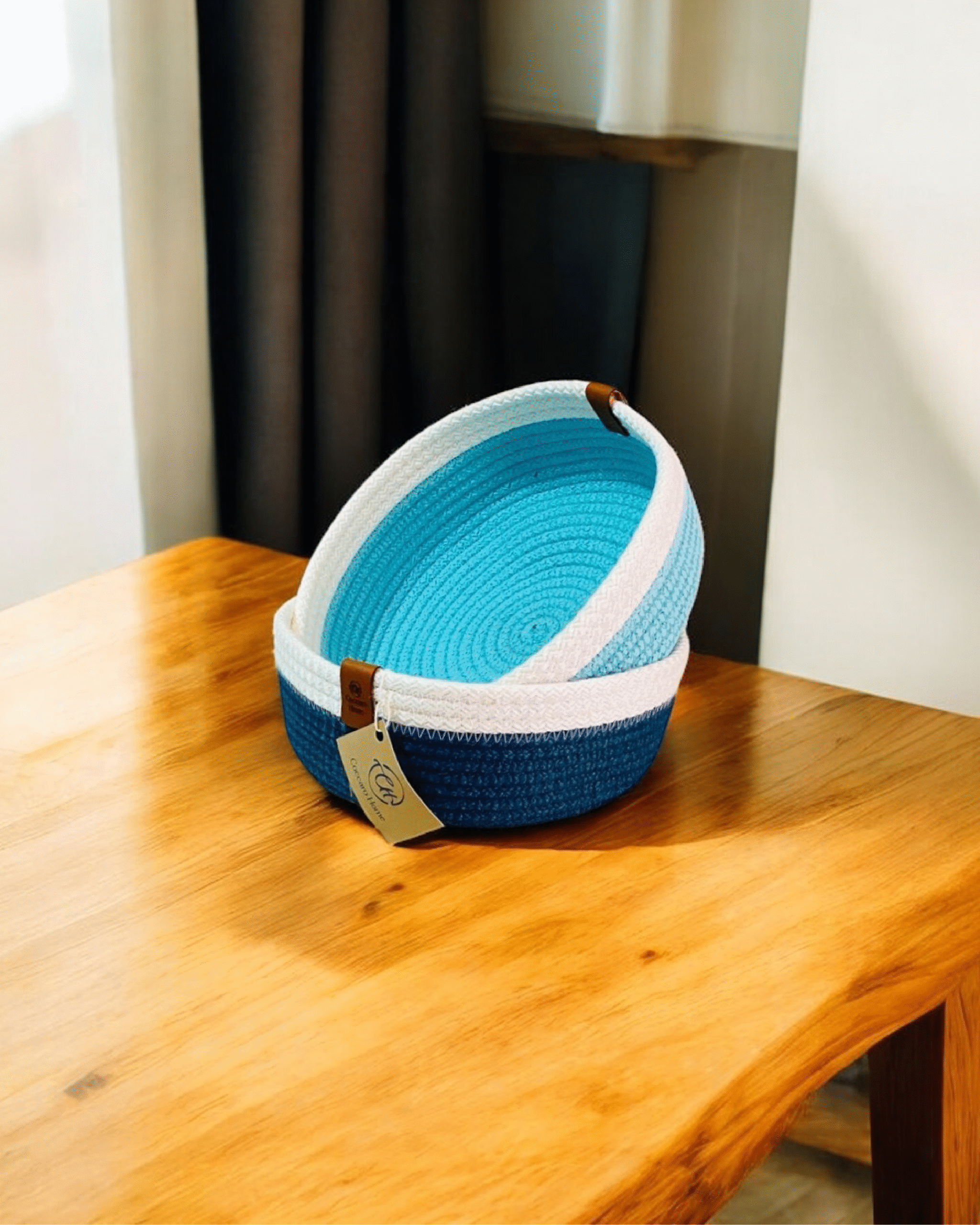
- Give keys, sunglasses and small items a single container. A small lidded basket on a console works well.
- Hang a basket on the wall for post and receipts, and empty it weekly.
The Living Room
Look at every surface: the coffee table, side tables, shelves and the top of the TV unit. Remove everything, wipe it down, and put back only what earns its place.
Remote controls, chargers, coasters and the inevitable collection of small odds and ends need a home with a lid. A Jute Storage Basket with Wooden Lid sits on a shelf or beside the sofa and hides all of it, while still looking like decor. Folded throws and the children’s toys can go into a larger Woven Rope Basket, which makes the evening tidy-up a two-minute job.
Finally, look at your decorative objects. If a shelf holds fifteen small things, choose the five you love most and group them on a tray. Pack the rest into a box. You can rotate them back in next season, and the room will feel instantly calmer.
Week Two: The Kitchen
The kitchen is often the most cluttered room in an Egyptian home, partly because it serves so many purposes, and partly because we love to keep things “just in case”: the extra pots for when the whole family visits, the plastic containers from every delivery, the gadgets received as wedding presents.
Work Zone by Zone
Do not try to clear the whole kitchen in one day. Split it into zones:
- Counters. Keep out only what you use daily: the kettle, a coffee maker if you use one every day, a knife block and a utensil holder. Everything else goes in a cupboard.
- The spice and dry goods shelf. Check dates, combine duplicates and discard anything stale.
- Plastic containers. Match every container to a lid. Anything without a partner is discarded.
- Pots, pans and appliances. If you have not used something in a year, it is a strong candidate for the Give box.
- The fridge. Empty, clean and restock it in one go.
Smart Kitchen Storage
Week Three: Bedrooms and Wardrobes
Spring is the natural moment to tackle wardrobes, because winter clothes are about to be packed away anyway.
The Wardrobe Edit
Take everything out of one section at a time and ask three questions:
- Have I worn this in the last year?
- Does it fit me now?
- Would I buy it again today?
Two “no” answers usually mean it should go. Clothes in good condition are always welcome by relatives, neighbours or charities, particularly children’s clothes, which are outgrown long before they are worn out.
Store Winter Properly
Wash winter clothes and blankets before storing them, and let them dry completely. Store them in breathable containers rather than sealed plastic. Large baskets with lids, such as a Large Woven Rope Laundry Hamper, are excellent for blankets and bulky jumpers on top of a wardrobe or under a bed.
Bedside Tables and Dressers
These small surfaces collect an astonishing amount: receipts, hair clips, medicines, old phone cables. Empty each drawer, discard anything broken or expired, and use small baskets to separate what remains. A dresser top should hold only a few daily items, ideally gathered on a tray.
Children’s Rooms
Involve children from about age five. Let them choose which toys to give away to younger cousins, and they will be far more willing to keep the room tidy afterwards. Lidded baskets and toy bins at their height make tidying something they can actually do themselves.
Week Four: Bathrooms and Laundry
Bathrooms are small, so they give a satisfying result in a single afternoon.
The Bathroom Edit
- Discard expired medicines, sunscreen and cosmetics. Take old medicines to a pharmacy if possible rather than throwing them away.
- Finish or give away half-used bottles of products you no longer like.
- Keep only daily essentials on the counter and move the rest into cupboards or baskets.
Vertical storage is a lifesaver in small Egyptian bathrooms. A Three-Tier Wall Hanging Basket holds toiletries without using any counter space, and a Wooden Towel Organizer with Decorative Tiles keeps rolled hand towels neat and accessible for guests.
The Laundry Corner
A dedicated laundry basket in each bedroom or bathroom stops clothes piling up on chairs. A Handmade Halfa Laundry Basket with Lid is breathable, which matters for damp towels in a warm climate, and it looks good enough to stay in view.
Keeping Clutter From Coming Back
Decluttering is a project. Staying clutter-free is a habit. A few simple routines keep your hard work from unravelling by summer.
Daily and Weekly Habits
- The ten-minute evening reset. Everyone in the family returns things to their homes before bed.
- One in, one out. When something new arrives, something similar leaves.
- A weekly post and paper sort. Five minutes on a Friday morning stops paper piles forming.
- A permanent Give bag. Keep one in a cupboard and add to it whenever you notice something you no longer need.
Storage That Earns Its Place
Good storage is visible, labelled or obvious, and close to where things are used. Baskets work well because they are easy to grab, carry and put back, and natural materials like jute, halfa and cotton rope look like part of the decor rather than an afterthought. Choose a consistent material or colour for baskets in each room so they look calm and intentional together.
Common Mistakes to Avoid
- Buying storage before sorting. You end up organising things you should have given away.
- Emptying an entire room at once. You run out of time and energy halfway through, and the house looks worse than before.
- Keeping the Give bag in the car boot for months. Set a deadline and drop it off.
- Holding on to gifts out of guilt. If you do not use or love it, someone else might.
- Hiding clutter in opaque boxes without sorting it. It simply moves out of sight and multiplies.
- Doing it alone. Everyone who makes clutter can help clear it.
Quick Checklist
- Four boxes ready: Keep, Relocate, Give, Discard
- Week one: entrance and living room surfaces cleared
- Week two: kitchen counters, containers and cupboards sorted
- Week three: wardrobes edited and winter clothes stored
- Week four: bathroom and laundry areas cleared
- Give bag dropped off within a week
- Lidded baskets in every room for the small daily items
- A ten-minute evening reset agreed with the family
Lighter Rooms, Lighter Days
The real reward of decluttering is not a perfectly styled shelf. It is the ease that follows: finding your keys on the first try, opening a cupboard without bracing for an avalanche, and walking into a calm living room after a long day. Take it one room and one weekend at a time, and by the time the summer heat arrives, your home will feel more spacious than it has in years.
Find storage baskets, organisers and trays to keep every room in order at coccarohome.com.
Shop the Look