Egyptian winters are short, but they arrive with real conviction. One week the balcony door is open all evening, the next the tiles are cold underfoot, the wind is rattling the shutters and everyone is reaching for a sweater indoors. Most of our homes are built for heat: hard floors, high ceilings, pale walls and furniture arranged to catch a breeze. That works beautifully from April to October. From December to February, the same room can feel echoing and chilly.
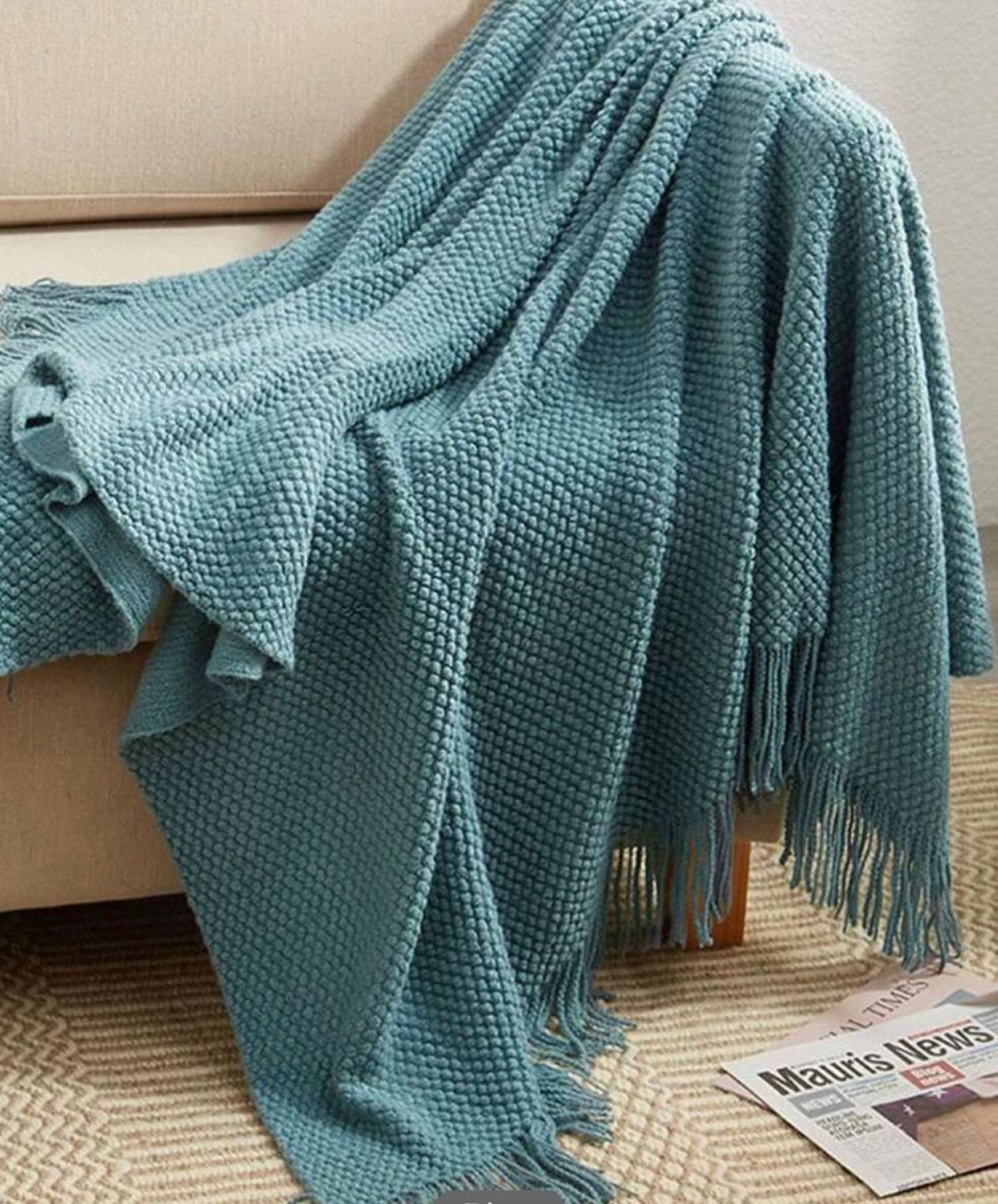
The good news is that a winter living room does not need new furniture or a renovation. It needs a handful of deliberate changes to textiles, light, layout and colour, most of which can be packed away again in spring. Sometimes the shift starts with something as simple as a Chunky Knitted Nordic Throw folded over the arm of the sofa: the moment it appears, the whole family seems to settle in for the season. This guide walks through the rest of those changes in the order that makes the biggest difference first.
Start With the Floor
Cold floors are the single biggest reason an Egyptian living room feels uncomfortable in winter. Ceramic, porcelain and marble tiles hold the cold and pass it straight to your feet, and a bare floor also makes sound bounce around the room, which reads to the brain as “empty” and “cool”.
A rug changes both at once. It insulates, it softens footsteps and voices, and it gives the seating area a clear boundary so the room feels more enclosed.
Choosing a Winter Rug
- Size it to the seating. The front legs of the sofa and armchairs should rest on the rug. A small rug floating in the middle of the room looks like an island and leaves feet on cold tile.
- Pick a flat weave if you have children or pets. Kilims are easy to shake out and vacuum, and they do not trap crumbs the way deep pile does.
- Go a shade deeper than your summer rug. Navy, charcoal, rust and warm beige make a room feel more sheltered than white or pale grey.
A Handmade Kilim Rug in Navy and Beige is a good example of this approach: a hand-woven pattern that grounds a sofa, with colours that feel warm without being heavy. If your living room is large, consider two rugs: one under the main seating and a smaller one by the entrance or reading chair, so you are never stepping from warmth onto cold tile.
Layer Textiles Like You Mean It
Once the floor is covered, look at every surface you touch while sitting: the sofa seat, the back cushions, the arms, your lap. Winter comfort is mostly about what is within reach.
The Throw Strategy
Every seat in the room should have a throw within arm’s length. That does not mean draping one neatly over the back of the sofa where nobody can reach it. It means folding throws loosely over the arm, keeping one on each armchair, and having a basket nearby with spares for guests.
Texture matters more than colour here. A chunky knit brings the thick, cosy surface that instantly signals winter, while a handmade waffle-knit cotton throw is lighter and works well for the in-between weeks of late autumn and early spring. If your living room is more modern, a graphic black and white throw keeps the look crisp while still adding warmth.
Swap the Cushions
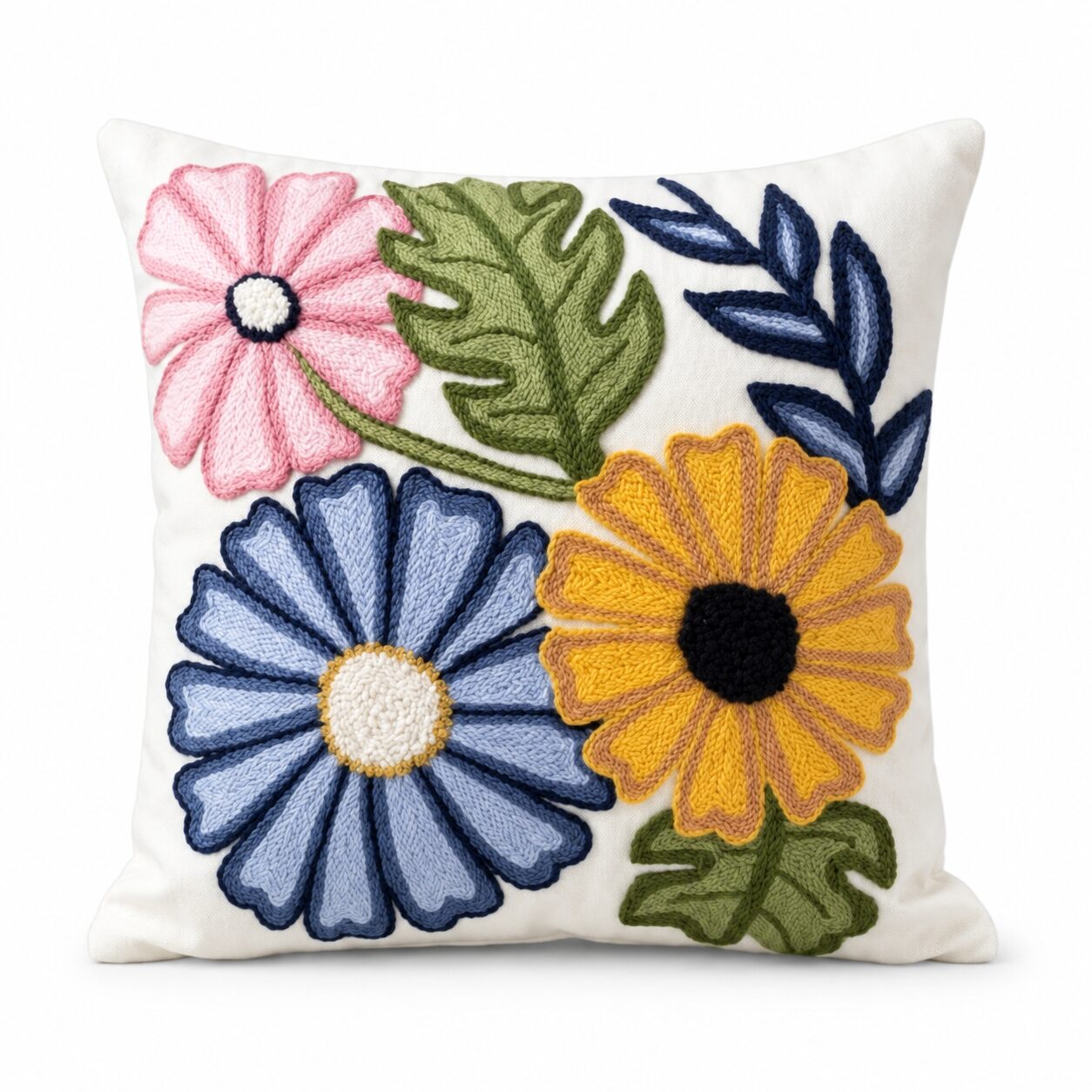
Summer cushions tend to be cotton and linen in pale colours. In winter, bring in plush, tufted and heavier woven covers. A Plush White Wool-Style Cushion adds that soft, touchable surface people sink into, and it pairs well with knitted throws. Mix it with one or two deeper-coloured kilim or tufted cushions so the sofa does not look washed out.
You do not have to buy whole new cushions. Keep the inserts and change only the covers, then store the summer set in a lidded basket until April.
Rethink Your Lighting
In winter the sun sets before six, and most Egyptian living rooms are lit by a single bright ceiling light. Overhead white light is practical, but it flattens a room and makes it feel colder than it is.
The fix is layers of lower, warmer light:
- Table lamps at sofa height, ideally on both sides of the seating area. A lamp like the Hand-Painted Indigo Botanica Table Lamp works as decoration by day and as a warm pool of light by night.
- Warm bulbs. Choose bulbs labelled warm white rather than cool or daylight. This one change alters the mood of a room more than any accessory.
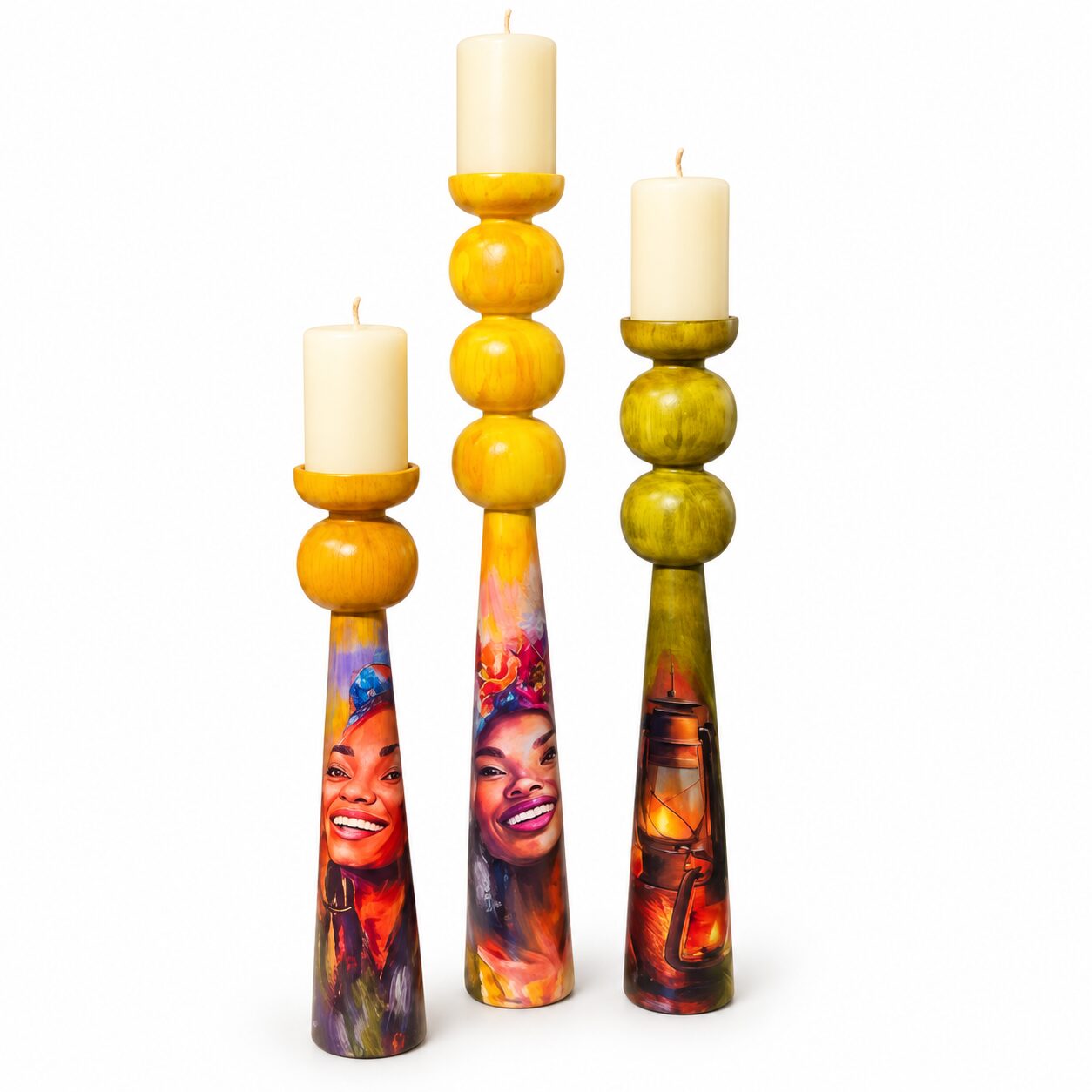
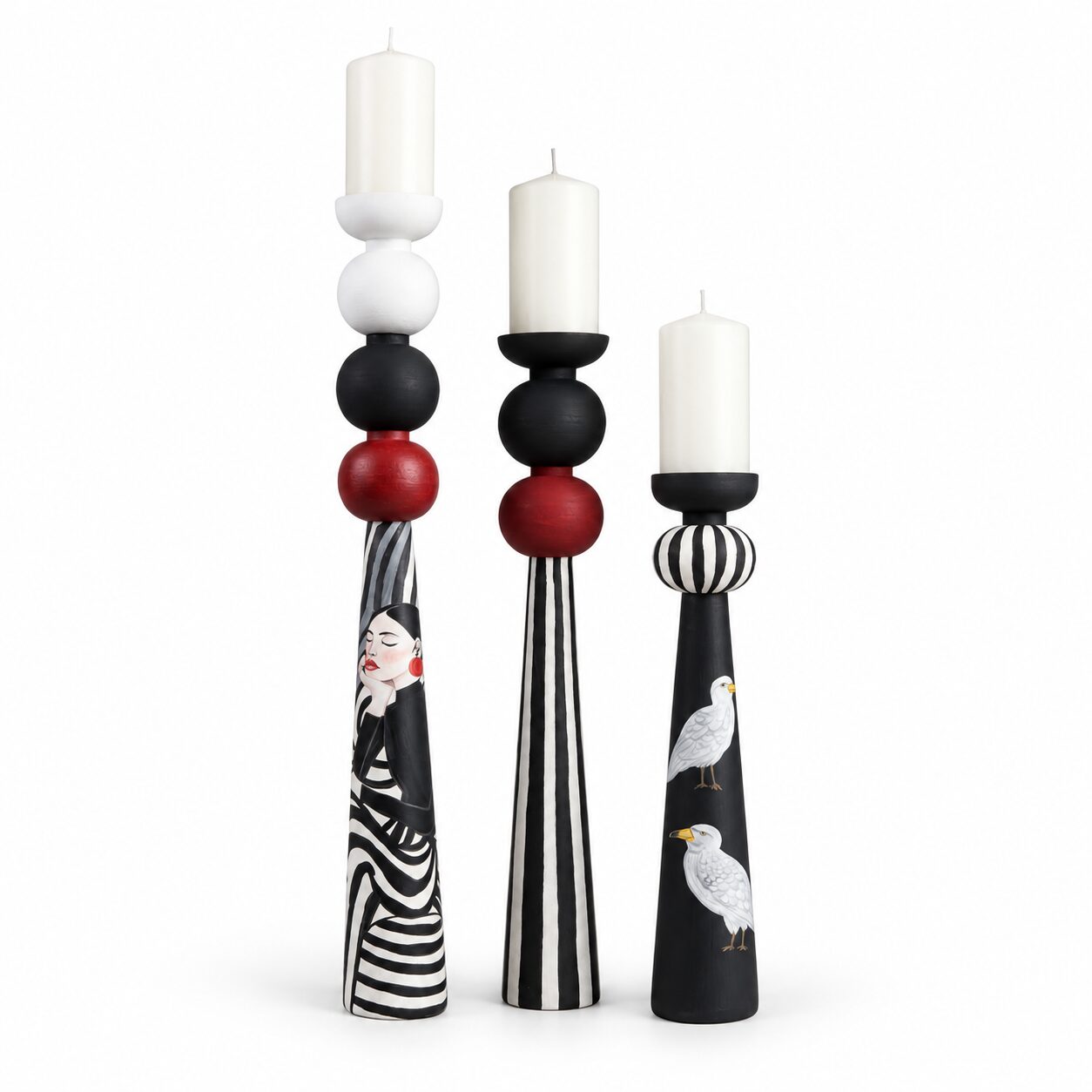
- Candles for evenings. Grouped candles on a tray create a focal point and a sense of occasion. A Set of Three Wooden Tea Light Holders is an easy way to start. Never leave candles burning unattended, and keep them well away from curtains and throws.
Try turning off the ceiling light for one evening and using only lamps and candles. Most families are surprised by how much warmer the room feels.
Arrange the Room for Closeness
Summer layouts often push furniture against the walls to open up airflow. In winter, that same layout leaves a cold gap in the middle of the room and makes conversation feel distant.
Pull Everything In
- Float the sofa. Bring it a little away from the wall and angle armchairs towards it so the seating forms a loose U or square.
- Keep the conversation circle tight. People should be able to pass a cup of tea without standing up.
- Move seating away from draughty windows. If the balcony door leaks cold air, position the sofa so nobody sits with their back to it.
- Add flexible seats. Poufs are perfect in winter because they move to wherever the family gathers. A handmade halfa pouf or an Extra-Large Kilim Pouf doubles as a footrest, extra seat or side table for a tray.
Heating Safely
Many apartments rely on a portable heater for the coldest weeks. If you use one, place it on a flat, clear area of floor, keep throws, curtains and cushions well away from it, and never cover it to dry clothes. An oil-filled radiator such as the De’Longhi Radia-S Oil Radiator sits quietly against a wall and warms the room gradually. Always follow the manufacturer’s instructions and switch heaters off when you leave the room or go to bed.
Shift the Colour Palette
Colour affects how warm a room feels, even if the thermostat does not move. You do not need to repaint; you only need to adjust the smaller elements.
Warm Colours That Work in Egyptian Homes
- Terracotta and rust, which echo traditional pottery and feel naturally earthy.
- Mustard and ochre, which glow under warm lamp light.
- Olive and forest green, which pair beautifully with natural wood and jute.
- Deep navy, which adds depth without making the room dark.
- Camel, caramel and warm beige as a soft base for everything else.
Pick two or three of these and repeat them across cushions, throws, a vase and a rug. Repetition is what makes a palette look intentional rather than random.
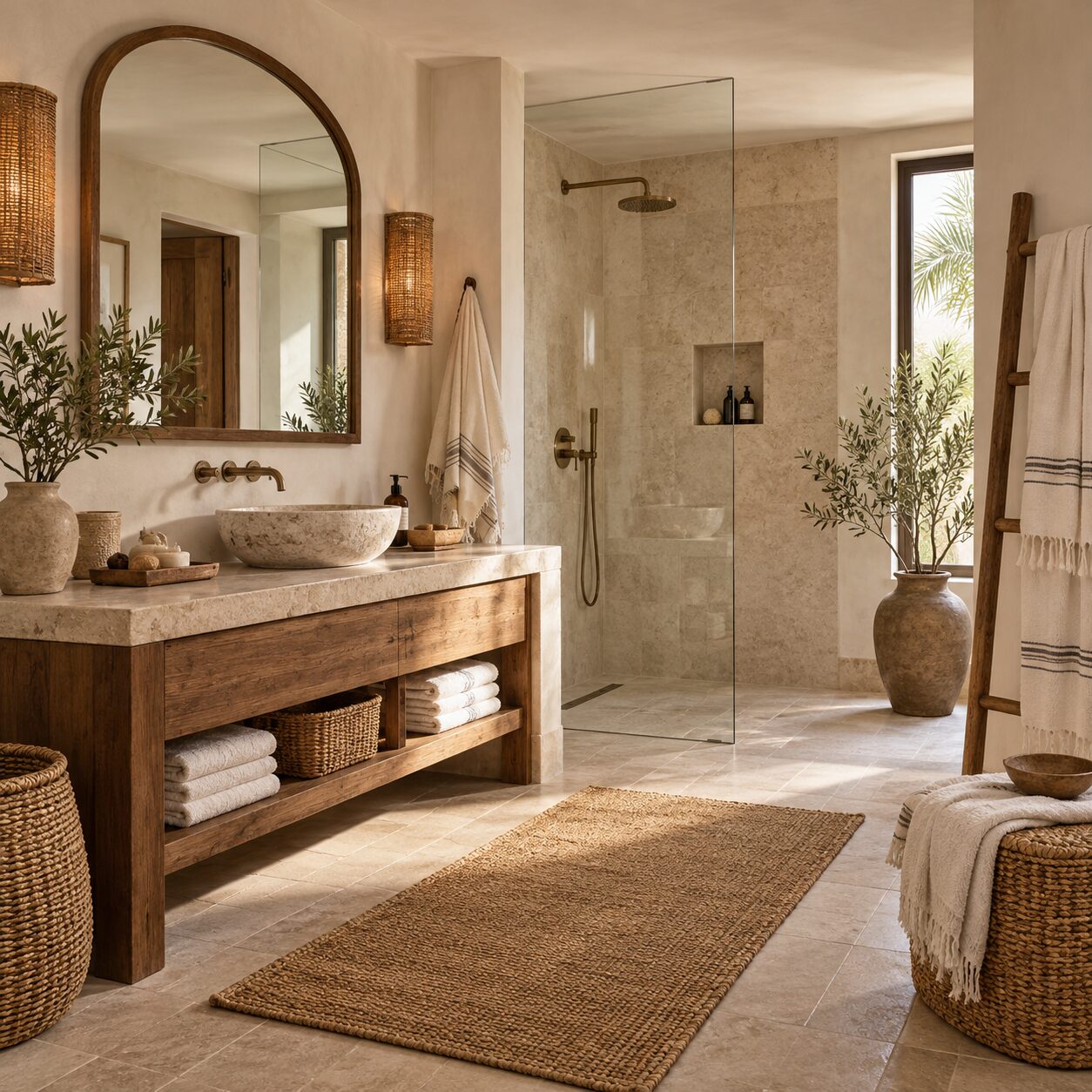
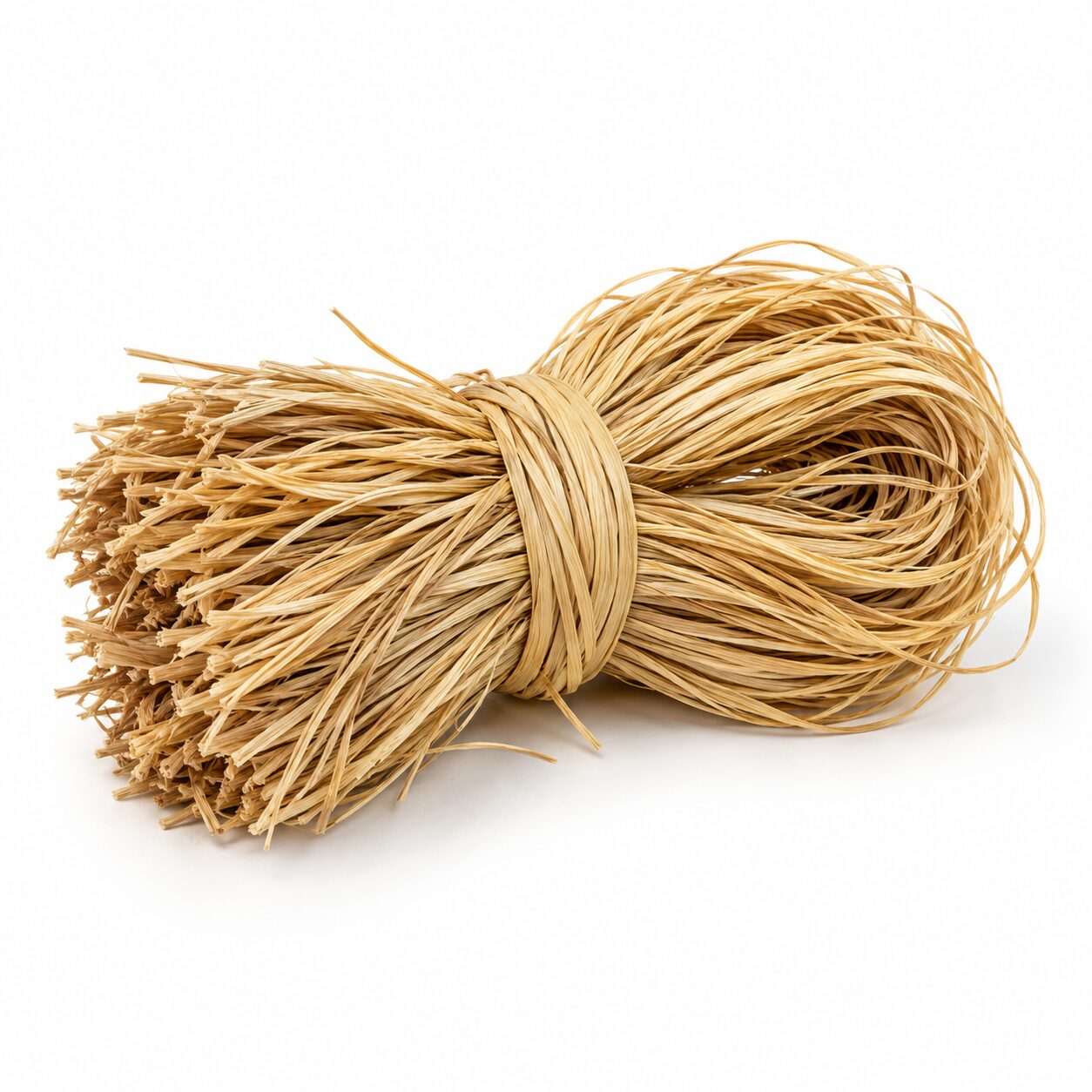
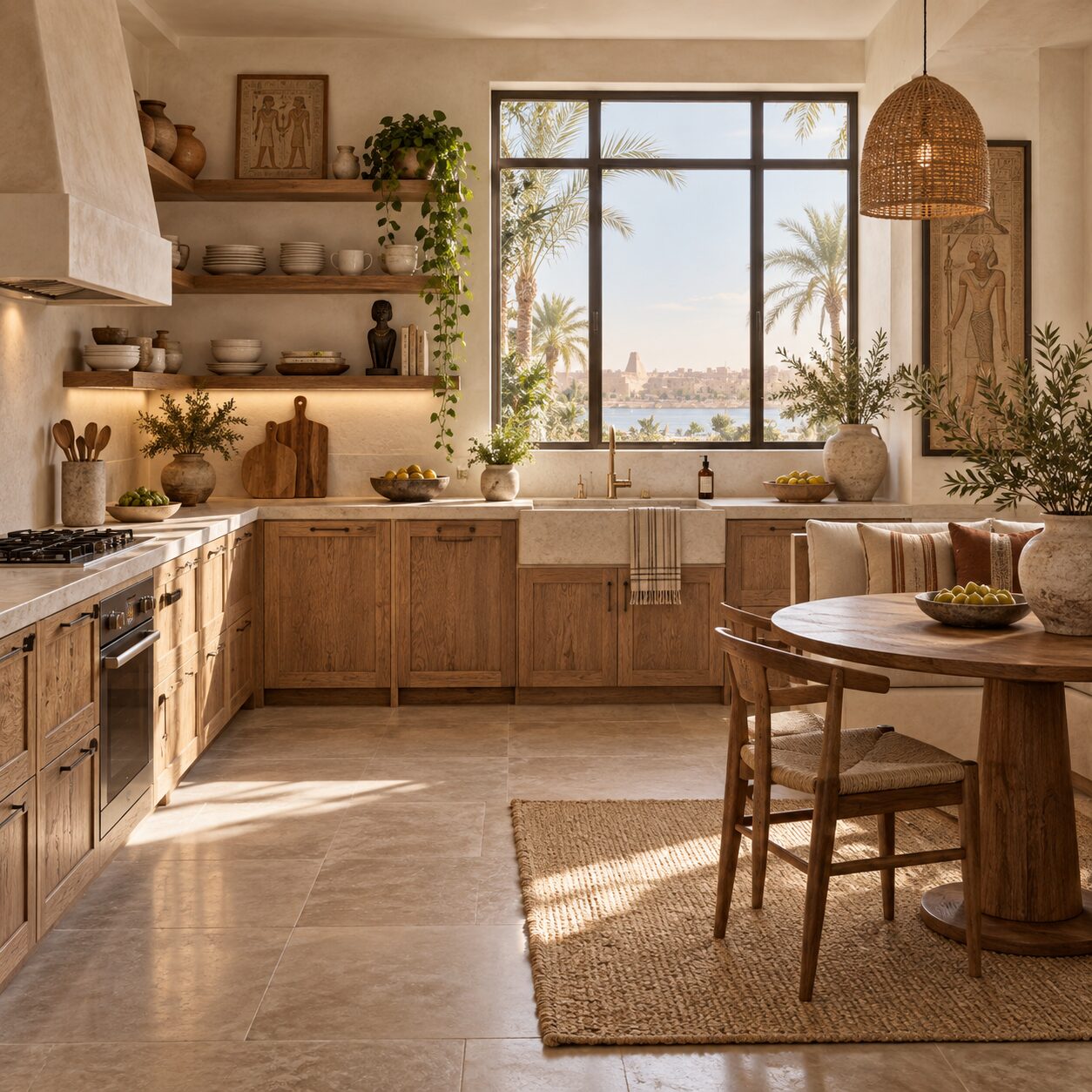
Natural materials help too. Jute, halfa, wood and knitted cotton all have a warm visual temperature. A room full of glass, chrome and white lacquer will feel cooler than one with woven baskets and wooden accents, even at the same temperature.
Make Room for Winter Rituals
A winter living room is not only about how it looks. It is about the small habits that make long evenings pleasant: tea after dinner, a film under a blanket, homework at the coffee table, a weekend visit from relatives.
Create a Tea Station
Set a tray on the coffee table or a side table with mugs, a small dish of dates or biscuits, and coasters. When everything is ready on one tray, the evening tea becomes a ritual rather than a chore. A stoneware mug set with its own small tray makes the corner feel finished.
Keep a Blanket Basket
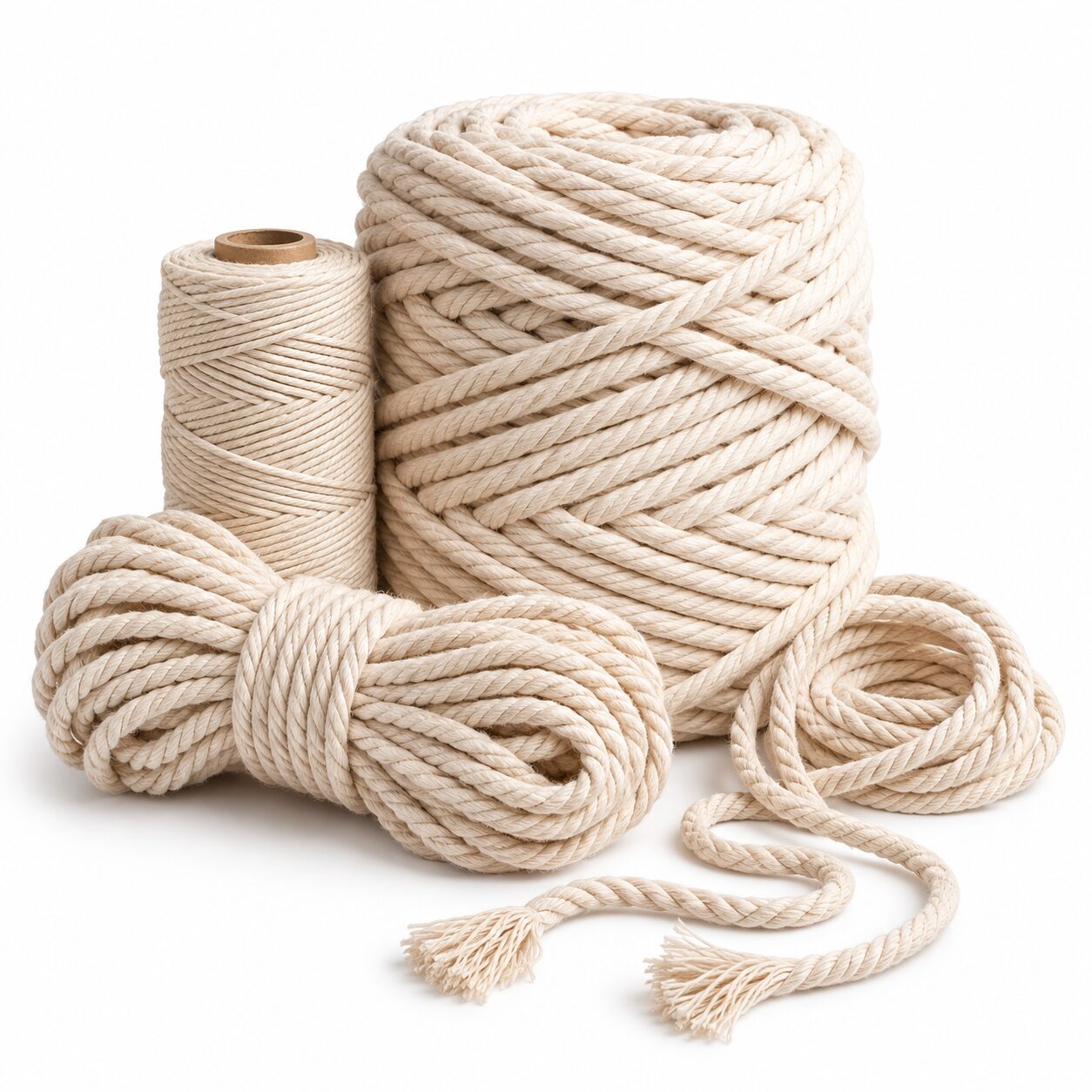
A basket beside the sofa keeps spare throws tidy and visible, so guests feel welcome to grab one. The Jute Storage Basket with Olive Wooden Beads is small enough for a folded throw and a few magazines, while a woven rope basket holds two or three larger blankets.
Build a Reading Corner
If you have a spare corner, place one comfortable chair, a lamp, a small table and a throw there. Even a modest corner gives one family member somewhere quiet to retreat while the rest of the room stays lively.
Common Mistakes to Avoid
- Relying only on the ceiling light. It makes the room feel colder and less intimate.
- Rugs that are too small. If feet land on bare tile, the rug is not doing its job.
- Throws used only as decoration. If nobody can reach them, they are wasted.
- Too many dark colours at once. Balance rust, navy and olive with cream and natural textures, or the room will feel heavy.
- Blocking heaters with textiles. It is unsafe and stops the heat circulating.
- Forgetting the spring swap. Plan where winter textiles will be stored so the change back is easy.
Quick Checklist
- A rug large enough for the front legs of all seating
- A throw within reach of every seat
- Plush or tufted cushion covers in place of summer cotton
- At least two table lamps with warm bulbs
- Seating pulled into a close conversation group, away from draughts
- A tray with mugs and coasters for evening tea
- A basket for spare blankets
- Any heater placed safely, with clear space around it
A Room Worth Coming Home To
The best winter living rooms are not the most decorated. They are the ones where people linger: where the light is soft, the floor is warm, there is always a blanket nearby and a pot of tea is never far away. Start with the rug and the lighting, add layers of handmade texture, and pull your seating a little closer together. Within a weekend, your home will feel ready for the coldest weeks of the year.
Explore throws, cushions, rugs, lamps and baskets for your winter living room at coccarohome.com.
Shop the Look