Few holidays are as uniquely Egyptian as Sham El Nessim. Its roots stretch back thousands of years to the ancient spring festival of Shemu, and today it belongs to everyone: Muslim and Christian families alike wake early on the Monday after Coptic Easter to “smell the breeze”, fill the parks and the Nile banks, and gather around a spread of feseekh, renga, green onions, lettuce, termis and brightly coloured eggs.
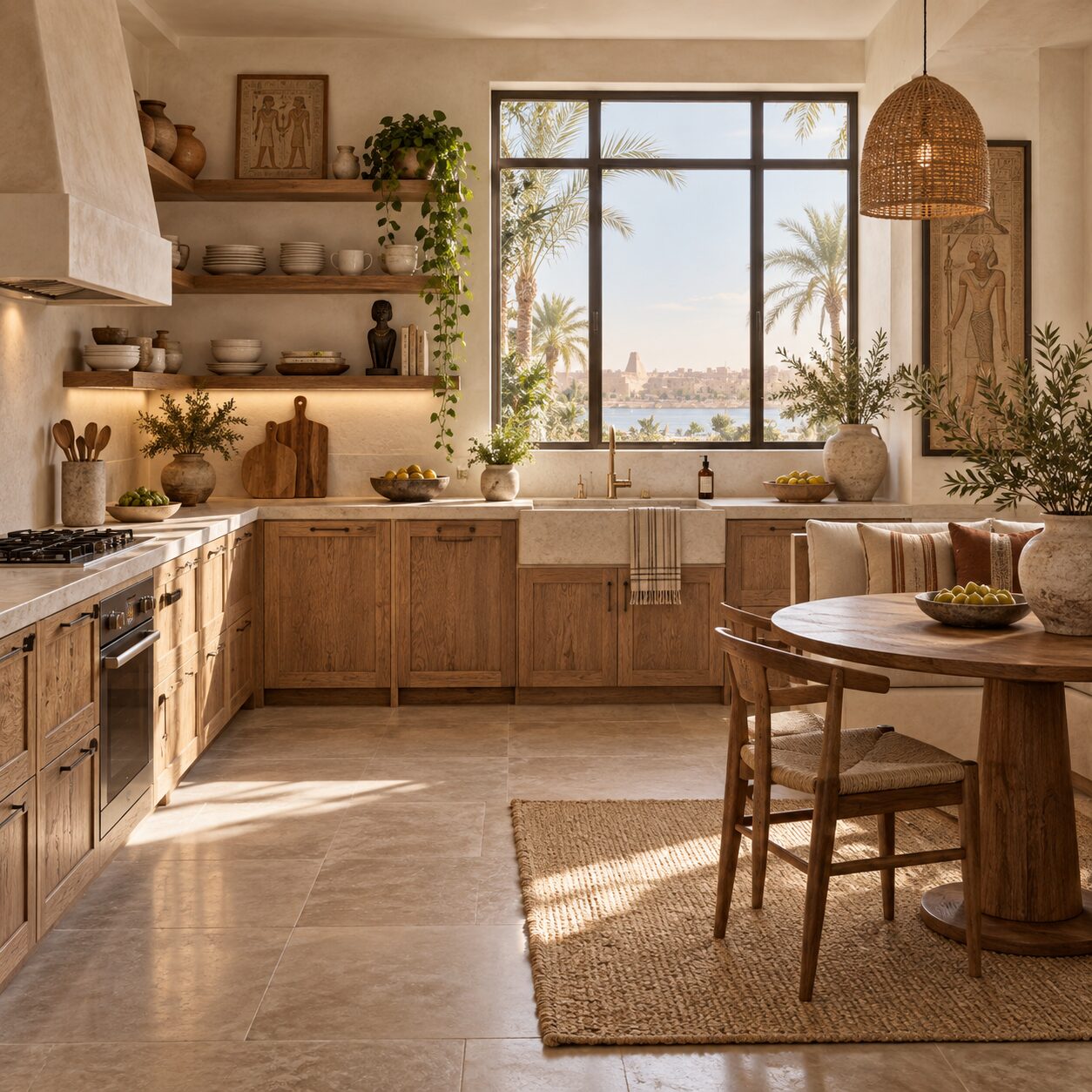
Not everyone wants to fight for a patch of grass in a crowded park, though. More and more families celebrate at home, on the balcony, the rooftop, in a small garden or simply around the dining table with the windows thrown open. A home celebration is calmer, easier with small children and elderly relatives, and gives you the chance to set a table that looks as fresh as the day itself.
Here is how to bring the spirit of Sham El Nessim indoors, from the colour palette to the last coloured egg.
Find the Spring Palette
Sham El Nessim has its own natural colour scheme, and it comes straight from the food. Lettuce and green onions bring fresh greens; the eggs bring pinks, yellows, blues and oranges; the bread and termis add warm golden tones.
Build your table around those colours:
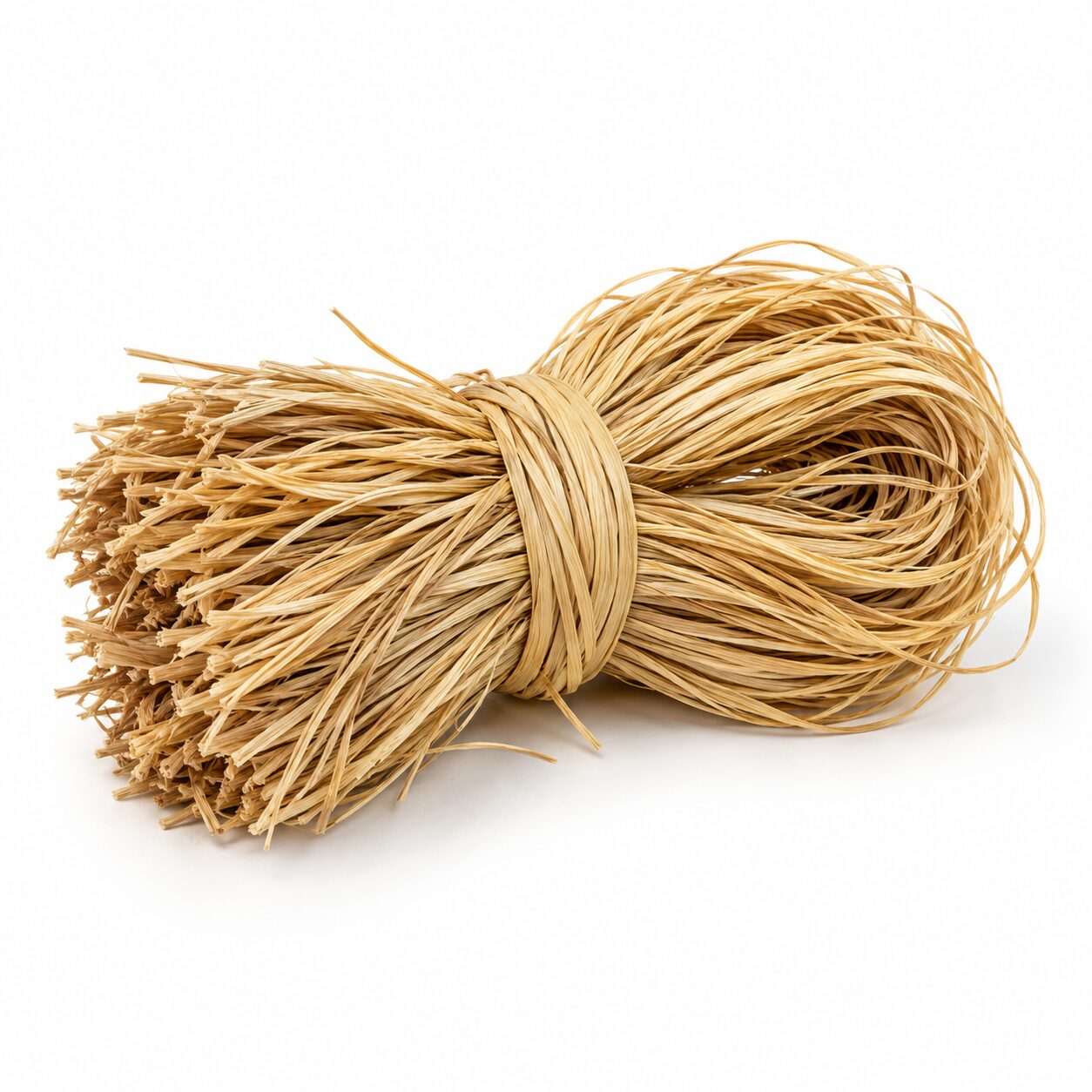
- Base: natural tones such as jute, halfa, cream cotton and light wood.
- Main colour: fresh spring green, the colour of the season.
- Accents: soft pastels from the eggs: pink, butter yellow, sky blue and coral.
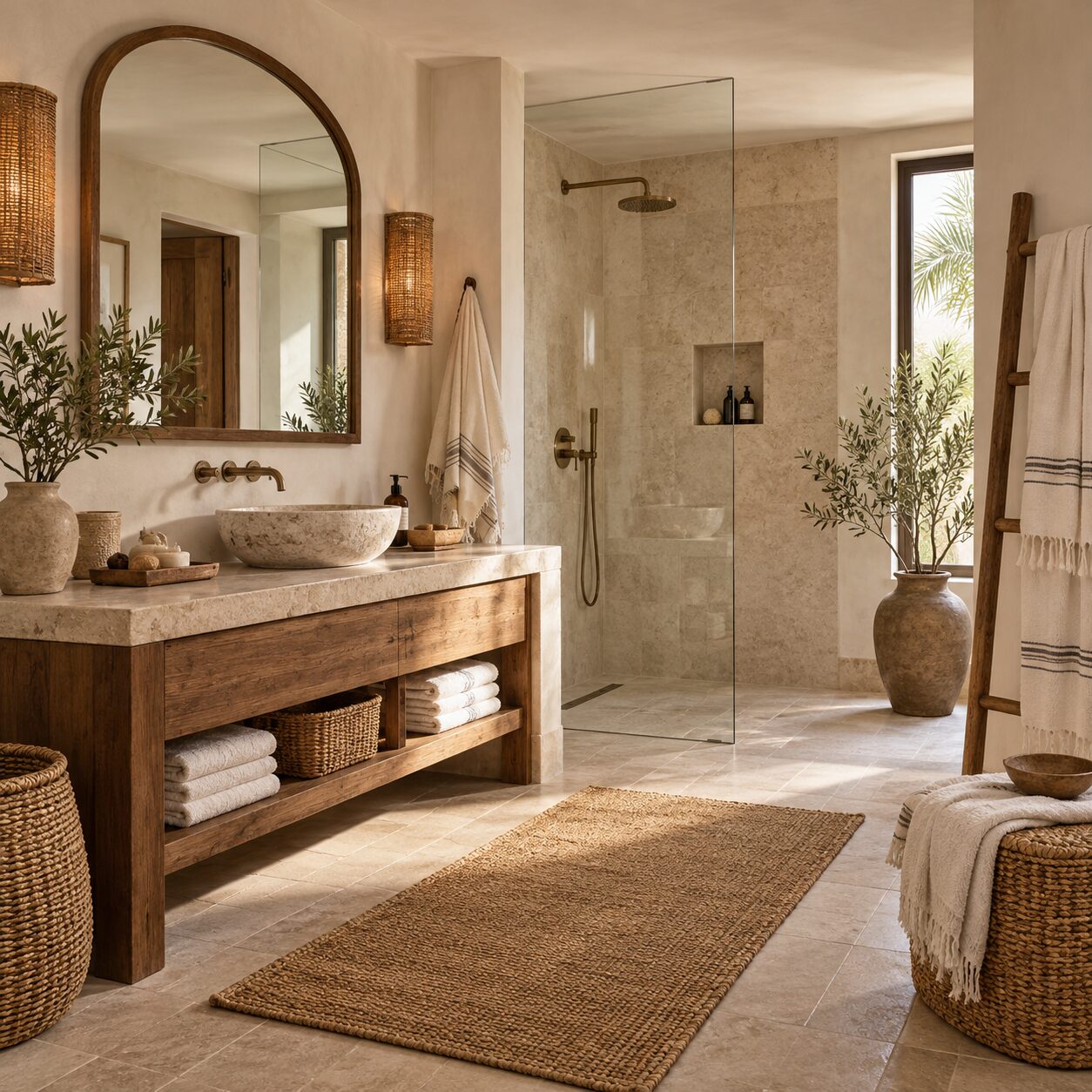
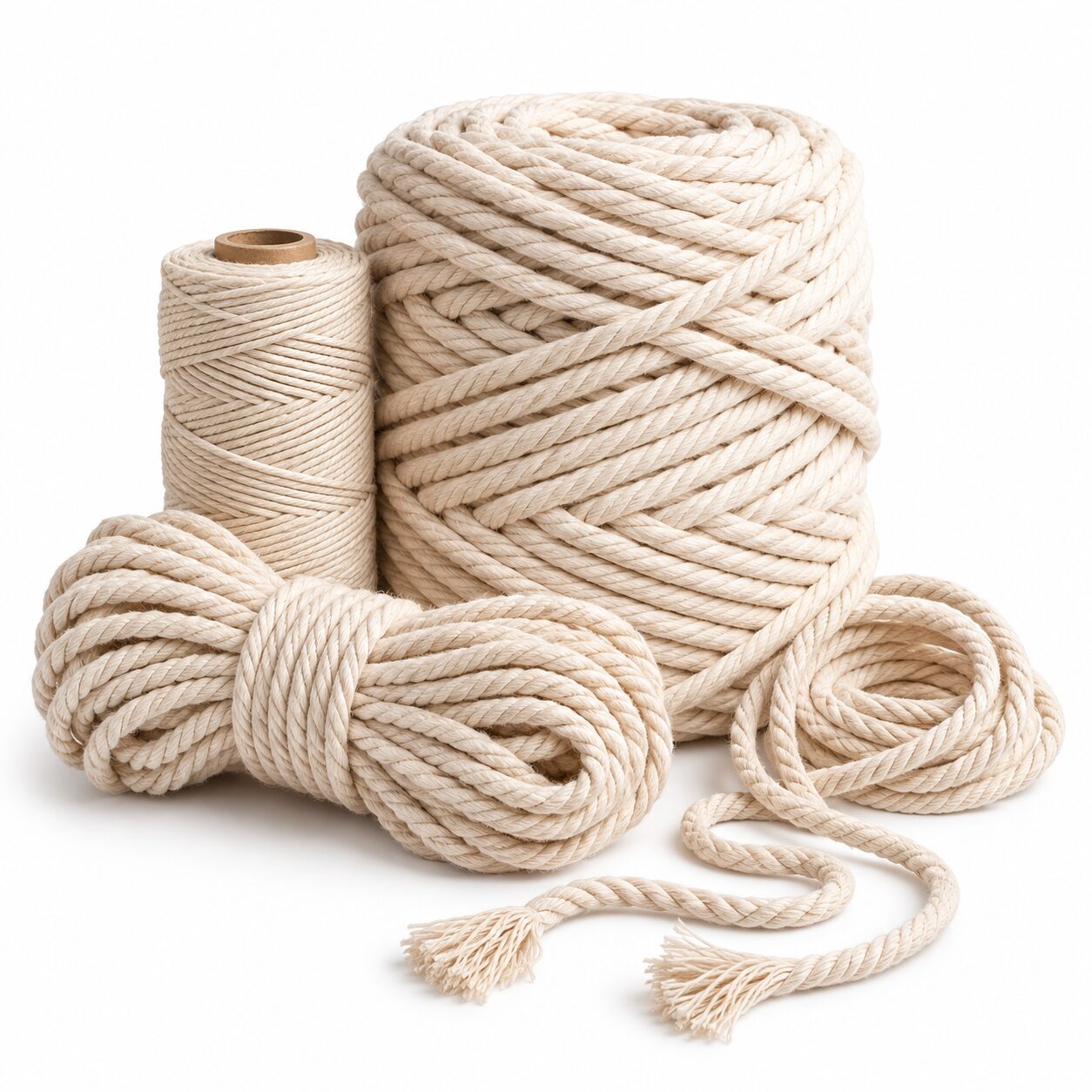
Natural materials are the secret to a table that looks festive without looking artificial. A Macrame Hollow-Out Table Runner with Tassels gives a light, airy base that lets the wood of the table show through, so the colours of the food and eggs do all the talking.
Set the Table
The Runner and Placemats
Start with a runner down the centre and placemats at each seat. On a day when the menu includes salty fish, oil and plenty of finger food, washable natural textiles are much more practical than a precious tablecloth.
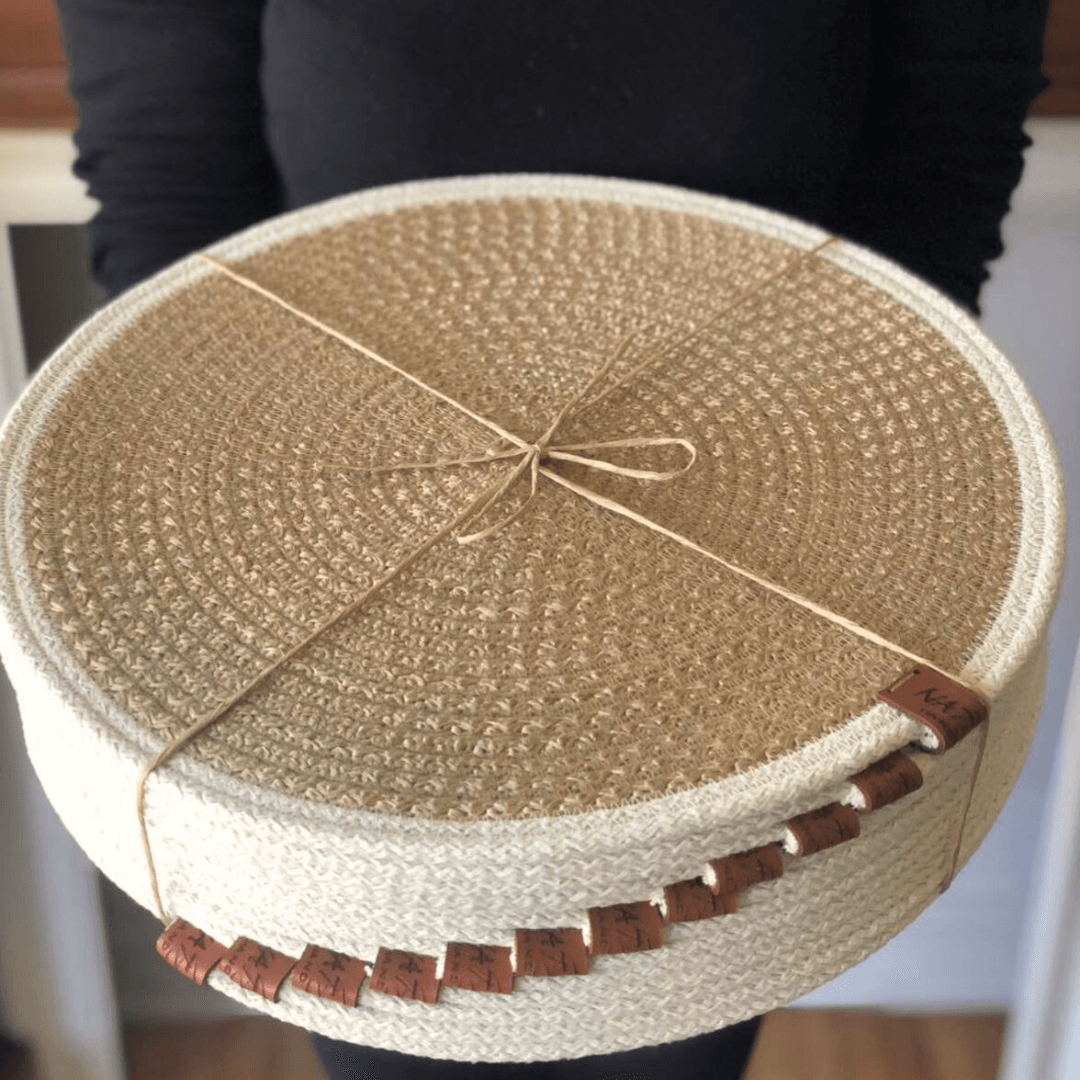
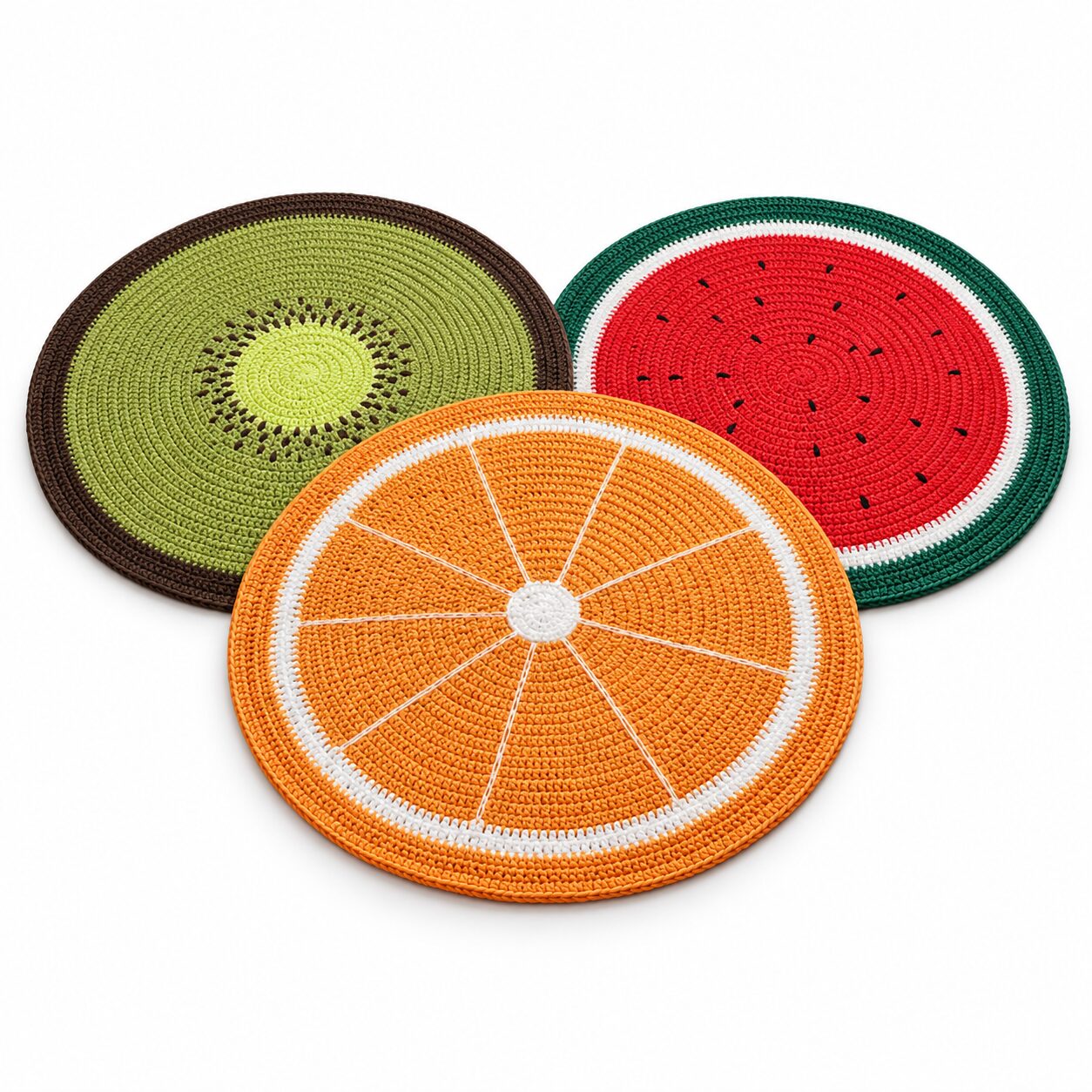
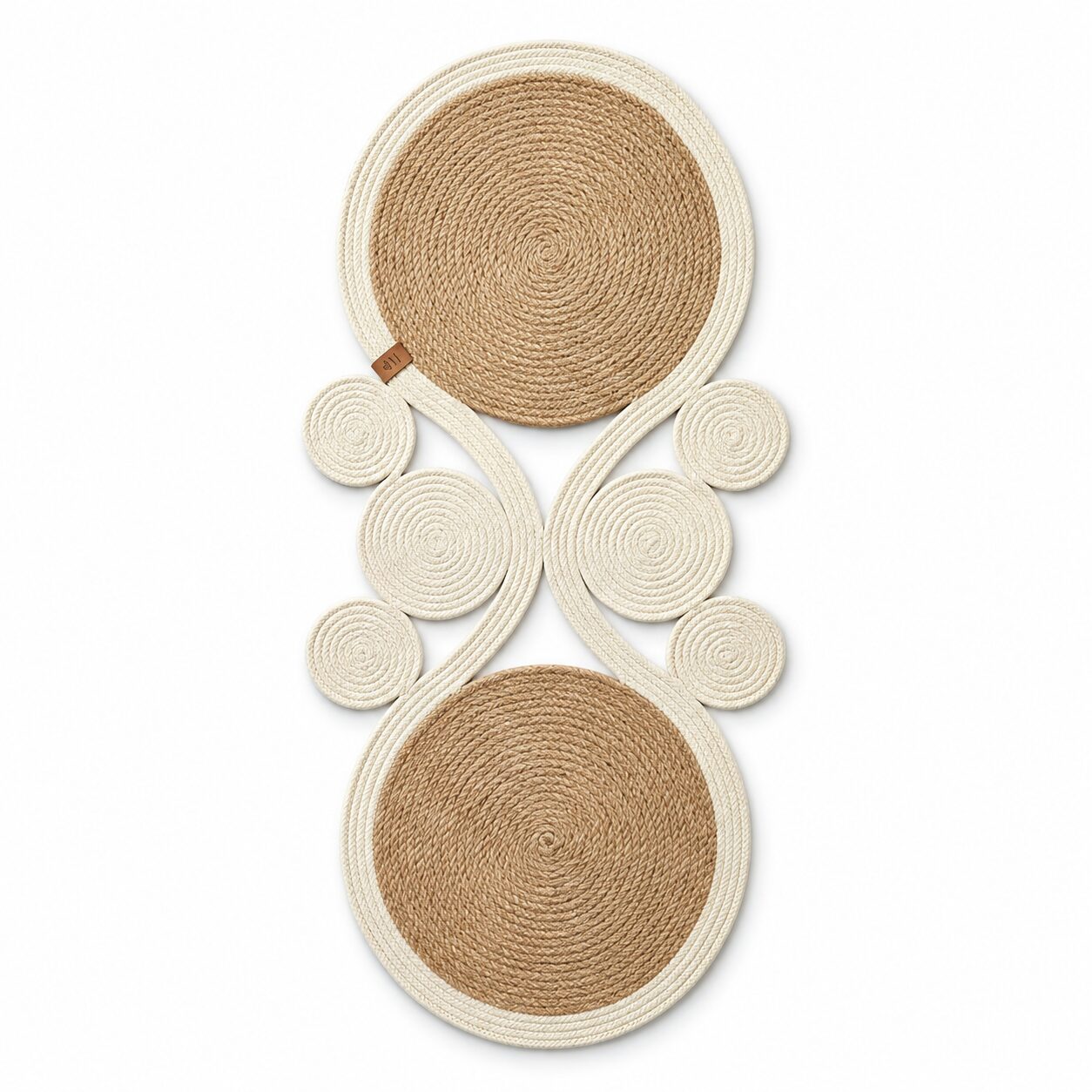
Round Rope Placemats with Braided Leather Accent define each setting and protect the table, while handwoven natural jute table mats give a slightly more rustic, garden-picnic feel. Mix the two if you have a large family and not enough matching mats; natural textures always sit happily together.
Serving the Traditional Spread
Sham El Nessim food is made for sharing. Instead of plating individual portions, serve everything in the centre in small dishes so people can help themselves.
- Termis, nuts and small bites in individual bowls. A set of Woven Jute Snack Bowls with red and green edges is ideal for this, and the colours suit the spring palette perfectly.
- Bread, lettuce and green onions in a flat basket or on a tray lined with a cloth napkin.
- Feseekh and renga on a dedicated platter at one end of the table, with lemons and plenty of napkins nearby.
- Coloured eggs in a basket or bowl as the centrepiece.
Keep Food Covered
Spring brings warm days and, on balconies and rooftops especially, flies. A Handwoven Dome Food Cover keeps bread, salted fish and sweets protected between servings, and it looks attractive enough to leave on the table. As always with feseekh and salted fish, buy from a trusted source and keep it cool until serving.
Make the Eggs the Centrepiece
Colouring eggs is the heart of the holiday for children, and the finished eggs make the most natural centrepiece imaginable.
Colouring Ideas
- Natural dyes. Onion skins give rich amber and red, beetroot gives pink, turmeric gives yellow, and red cabbage gives a surprising blue.
- Patterns. Wrap eggs in rubber bands or stick on small leaves before dyeing for stripes and leaf prints.
- Drawing. Let children draw faces, flowers or their names with markers once the eggs are dry.
- Pastel washes. Food colouring diluted with a little vinegar gives soft pastel shades.
Displaying Them
Pile the finished eggs into a natural basket in the centre of the table. An Embroidered Halfa Basket is perfect: its woven texture and stitched detail feel festive and handmade, and you can tuck a few lettuce leaves or fresh herbs underneath for colour. Alternatively, set individual eggs on small coasters at each place as edible place cards.
Bring the Garden Indoors
The name Sham El Nessim means “smelling the breeze”, and greenery is essential, even if your celebration is entirely indoors.
Fresh and Artificial Flowers
- Fresh herbs in small jars or glasses along the table: mint, parsley and dill smell wonderful and match the menu.
- Seasonal flowers in a low vase. Keep arrangements short so they do not block conversation across the table.
- Long-lasting arrangements. A ready-made Pink Magnolia Arrangement in a Glass Vase adds a soft spring note that you can keep out for the whole season.
Spring Touches Around the Room
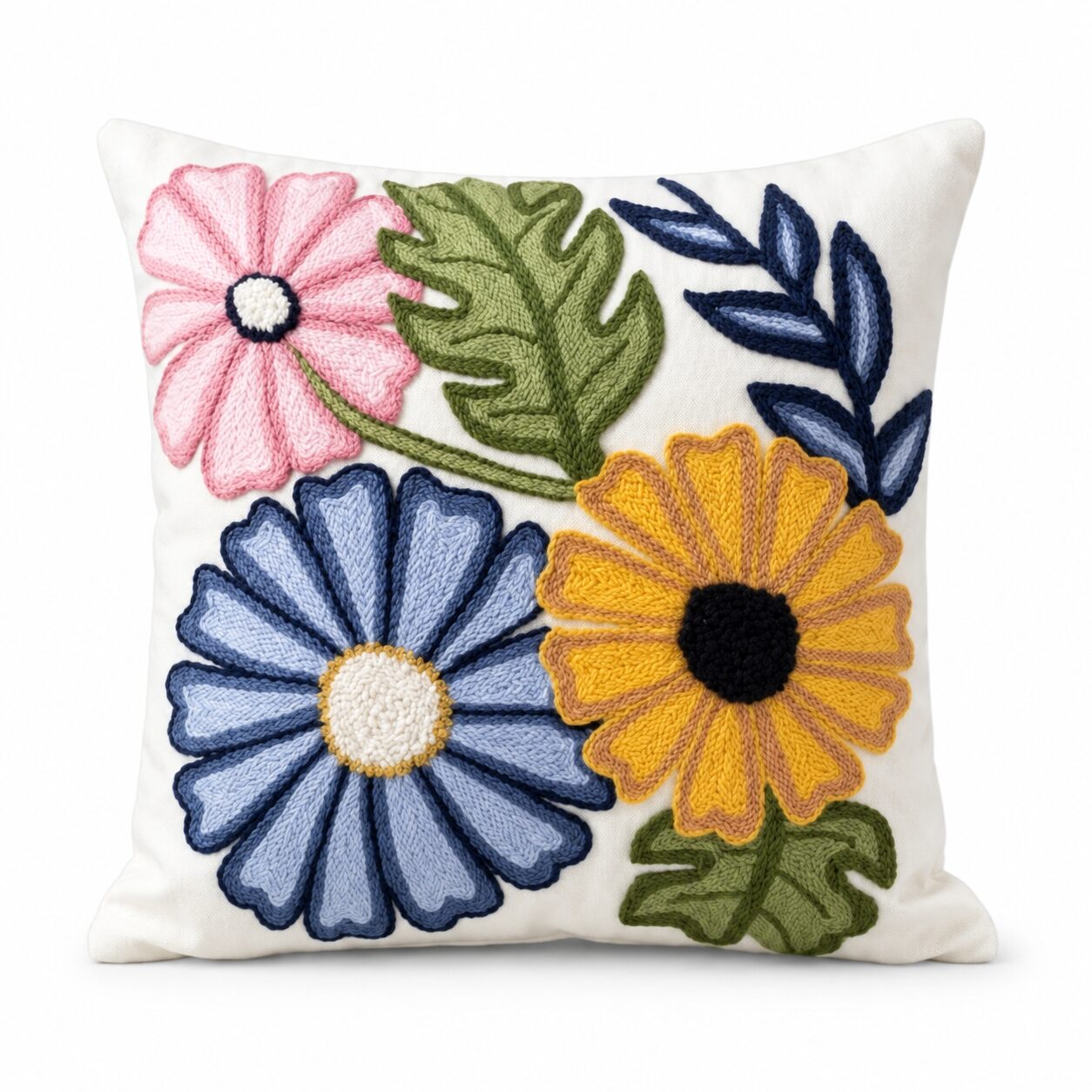
Carry the theme beyond the table. Swap one or two sofa cushions for botanical designs, such as a Leaf Pattern Tufted Cushion, and open every window you can. Fresh air, after all, is the whole point of the day.
Take It to the Balcony or Rooftop
If you have outdoor space, a balcony or rooftop picnic captures the spirit of Sham El Nessim without the park crowds.
Creating a Picnic Corner
- Floor seating. Lay a flat rug or a large cotton blanket on the floor and scatter floor cushions or poufs around it.
- A low tray table. A large tray on a pouf or a low stool becomes the picnic table.
- Shade. Even in April the midday sun is strong. Use an umbrella, a sheet tied between railings or simply plan the meal for the morning or late afternoon.
- Wind-proofing. Use heavier bowls and trays rather than paper plates, which will blow away on a breezy rooftop.
A Halfa Round Tray is light enough to carry up the stairs loaded with glasses and sturdy enough to serve as a little table on the floor.
Drinks
Fresh lemonade with mint, sugarcane juice, or tea served in colourful mugs suit the day perfectly. Bright multicolour cotton rope coasters protect surfaces and echo the colours of the eggs.
Plan the Day: A Simple Timeline
Sham El Nessim starts early, and a little planning means the host gets to enjoy it too.
The Weekend Before
Check your runners, placemats and napkins, and wash anything that has been stored since last spring. Decide whether you are eating indoors or outside, and count chairs, cushions and trays. If you are buying feseekh or renga, order it from a shop you trust rather than leaving it to the last minute.
The Evening Before
- Boil and colour the eggs with the children, and leave them to dry overnight.
- Wash the lettuce, green onions and herbs, wrap them in a damp towel and refrigerate.
- Set the table, or prepare a tray with everything for the balcony, so the morning is calm.
- Soak termis if you are preparing it at home.
The Morning Itself
Open every window first thing, as the holiday’s name suggests. Put out the bread, greens and eggs, keep the fish in the fridge until everyone is seated, and bring out the drinks last so they stay cold. When the meal is over, the table can stay set with the eggs and flowers for the rest of the day, ready for relatives who drop in during the afternoon.
Why the Eggs and the Fish?
It is worth telling the children the story behind the table. Eggs have symbolised new life and the renewal of spring since ancient times, and salted fish recalls the Nile, the source of everything in Egypt. Green onions and lettuce mark the season’s fresh harvest. Explaining this as the eggs are being coloured turns a fun craft into a little lesson in Egyptian heritage.
Activities for the Whole Family
A home celebration needs a little structure so children stay happy and adults can relax.
- An egg decorating station set up the evening before, with dyes, markers and stickers.
- An egg hunt around the living room or balcony, with small prizes.
- A drawing competition of spring flowers or ancient Egyptian motifs, with a nod to the holiday’s long history.
- A family photo around the table before anyone starts eating.
- A walk in the late afternoon once the parks quieten down.
Common Mistakes to Avoid
- A precious tablecloth. Feseekh and oil will stain it; use washable runners and mats instead.
- Tall centrepieces. Keep flowers and baskets low.
- Leaving food uncovered outdoors. Use food covers between servings.
- Paper plates on a windy rooftop. They will end up in the neighbours’ garden.
- Midday sun. Plan outdoor meals for the morning or late afternoon.
- Forgetting napkins. This is a hands-on meal; put out far more than you think you need.
Quick Checklist
- Spring palette chosen: natural base, fresh green, pastel accents
- Runner and washable placemats on the table
- Small bowls for termis and snacks, a basket for bread and greens
- A food cover for bread and fish
- Coloured eggs in a basket as the centrepiece
- Fresh herbs or a low flower arrangement
- A balcony or rooftop corner with floor seating and shade
- Plenty of napkins, lemons and cold drinks
Breathe in the Breeze
Sham El Nessim is a reminder that some of the best celebrations are the simplest: family, fresh air, food shared from the centre of the table and children with dye-stained fingers. Whether you set your table in the dining room or on a sunny rooftop, natural textures, spring greens and a basket of colourful eggs are all you need to make the day feel special.
Discover runners, placemats, baskets and spring decor for your Sham El Nessim table at coccarohome.com.
Shop the Look