Rugs work harder than almost anything else in the house. They take every step from the front door, every dropped crumb during a family lunch, every footprint from the balcony and a steady layer of the fine dust that drifts in through Egyptian windows from spring to autumn. Most of the time they absorb it quietly, which is exactly why they are so easy to neglect.
A little regular care changes everything. Clean rugs keep their colour and texture for years, feel better underfoot and make the whole room look fresher. The good news is that you do not need special machines or a weekly visit from a cleaning company. With the right routine for each material, almost all rug care can happen at home in minutes. This guide covers the weekly basics, what to do about spills, and how to treat cotton, kilim, halfa, jute and crochet rugs so they last.
Know Your Rug Before You Clean It
The biggest rug-cleaning disasters come from treating every rug the same way. Water that is perfectly safe on a cotton kilim can warp a halfa rug; a brush that refreshes jute can fray crochet. Before you do anything, identify what you have.
- Cotton flatweaves and kilims are woven, usually reversible and among the easiest rugs to care for. Many tolerate gentle washing.
- Halfa and seagrass are natural plant fibres, beautifully durable when dry but sensitive to soaking.
- Jute is soft and warm in tone, but it absorbs water quickly and can stain or shrink if it gets very wet.
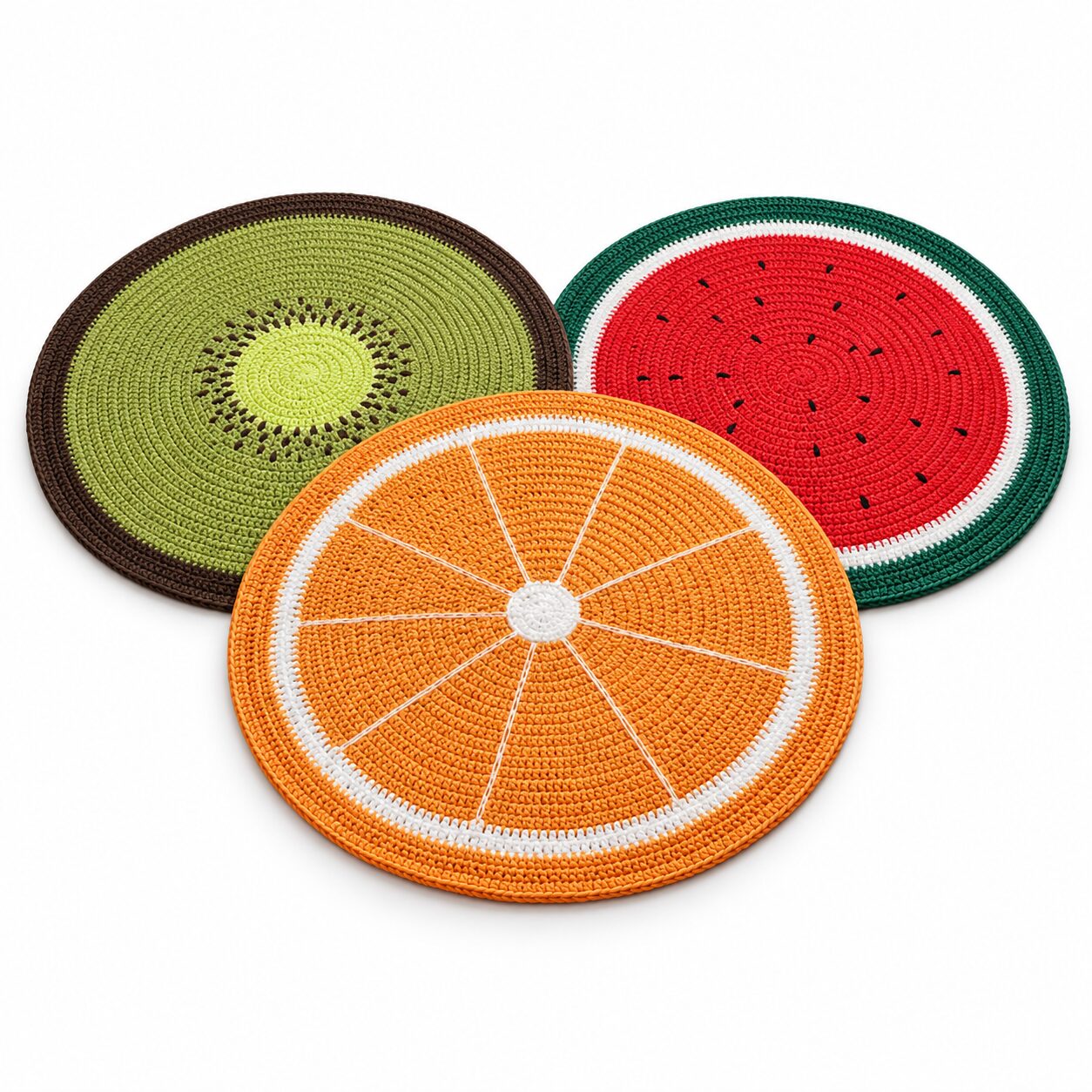
- Crochet and knitted rugs are made of looped yarn, soft and textured, and need gentle handling to keep their shape.
- Mixed rugs, such as jute with cotton borders, follow the rules of the most delicate material.
If a rug came with a care label or instructions, follow them first. When in doubt, test any method on a small hidden corner and wait for it to dry before going further.
The Weekly Routine
Ten minutes a week does more than any deep clean.
- Vacuum both directions. Go over the rug once with the weave and once against it to lift trapped dust. Use a suction-only setting or turn off the rotating brush on natural fibres and crochet.
- Do the back once a month. Flip smaller rugs and vacuum the underside. Grit works through to the floor and grinds the fibres from below.
- Shake small rugs outside. Door mats, bath mats and small kilims benefit from a firm shake on the balcony. Do it early in the morning before neighbours hang their washing.
- Rotate every few months. Turning the rug 180 degrees evens out wear from foot traffic and sunlight.
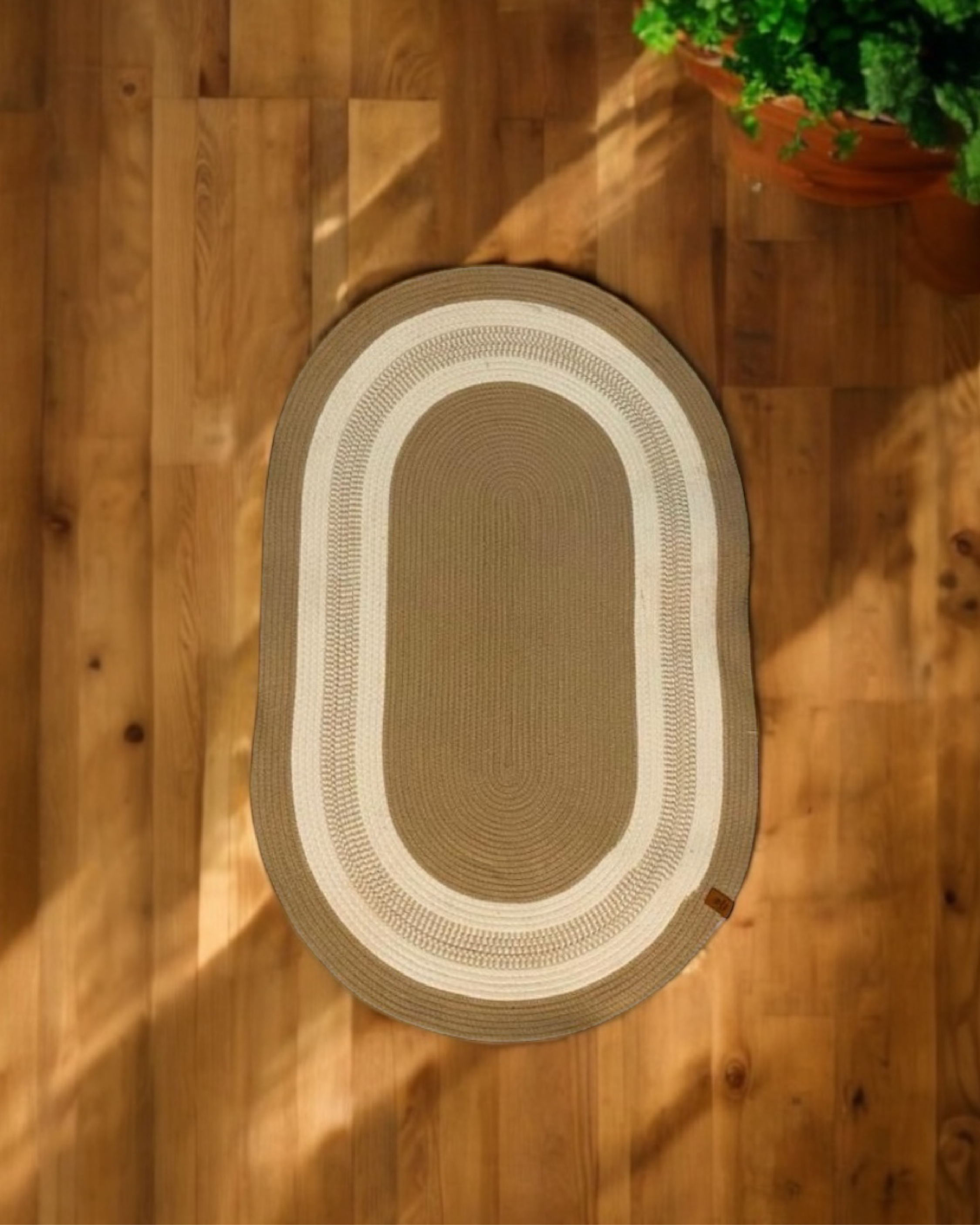
In Egypt, the spring khamaseen winds and the dusty summer months mean more sand indoors than usual. During these weeks, vacuum high-traffic rugs twice a week, and keep a natural mat at the door to catch as much grit as possible before it travels further. A Natural Cotton Oval Rug at the entrance works as a first line of defence and is easy to shake out every couple of days.
Dealing With Spills and Stains
Speed matters more than any product. Most stains become permanent because they were left to dry, rubbed or treated with the wrong cleaner.
The Golden Rules
- Blot, never rub. Press a clean white cloth onto the spill to absorb it. Rubbing pushes liquid deeper and spreads the stain.
- Work from the outside in so the stain does not grow.
- Use as little water as possible, especially on natural fibres.
- Rinse out any cleaner. Soap left in fibres attracts dirt and leaves a sticky patch.
Common Household Spills
- Tea and coffee: blot, then dab with a mix of cool water and a little white vinegar. Blot again with plain water and dry.
- Juice and karkade: act fast, as red drinks stain quickly. Blot, then use cool water with a drop of mild washing-up liquid. Never use hot water, which sets the colour.
- Oil and ghee: sprinkle cornflour or baking soda on the spot, leave it for 20 minutes to absorb the grease, vacuum it up, then treat what remains with a little washing-up liquid and water.
- Mud and sand: let it dry completely, then brush and vacuum it away. Wet mud only smears.
- Wax from candles: freeze it with an ice cube in a bag, then gently lift the hardened wax away.
Avoid bleach and strong chemical cleaners on any handmade rug. They can strip natural dyes and weaken fibres.
Cleaning Cotton and Kilim Rugs
Cotton kilims are the most forgiving rugs in the house. Their flat weave does not trap dirt deeply, and many are reversible, which doubles their life.
Regular Care
Vacuum without a beater bar, and flip the rug occasionally so both sides wear evenly. Fringes and tassels should be vacuumed carefully, or simply shaken and combed straight with your fingers, because they can tangle in a vacuum head.
Deeper Cleaning
Small cotton rugs can often be hand-washed. Use cool water and a gentle liquid detergent, swish rather than scrub, rinse thoroughly and press out water by rolling the rug in a towel. Never wring it.
Larger kilims, such as a Kilim Beige and Navy Lined Rug, are easier to clean in place. Lay the rug flat on a clean floor or the balcony, sponge it with a mild soapy solution, rinse with a clean damp cloth and let it dry completely.
Colour Care
Test for colour bleeding before any wet cleaning. Dampen a white cloth and press it onto a dark section of the rug. If colour transfers, do not wash it; stick to dry methods and spot cleaning.
Caring for Halfa and Seagrass Rugs
Halfa is one of Egypt’s oldest crafts, and rugs made from it are naturally strong and resistant to everyday wear. They simply dislike being soaked.
- Vacuum or brush regularly. Dust settles into the weave, and a stiff dry brush lifts it out quickly.
- Spot clean with a barely damp cloth. Wipe, then dry immediately with a towel or a hairdryer on a cool setting.
- Never soak or hose down. Too much water can warp the fibres and encourage mildew.
- Avoid long, harsh sun. A sunny balcony is great for an hour of airing, but daily direct sun can dry the fibres and make them brittle over time.
A Halfa Oval Rug treated this way keeps its warm golden colour and tight weave for years. If it starts to feel dry or a little dusty in texture, a quick wipe with a cloth that has been wrung out almost completely freshens it nicely.
Caring for Jute Rugs
Jute has a lovely soft sheen and a warm colour, and it pairs well with almost any interior. It is also the most water-sensitive of the natural fibres.
- Vacuum with suction only, as brushes can pull loops and loosen the weave.
- Treat spills immediately with a dry cloth, then a tiny amount of water if needed.
- Dry quickly. Water left in jute can leave a brownish mark as it dries. Lift the wet area off the floor with a towel underneath and point a fan at it.
- Trim loose fibres with scissors rather than pulling them out.
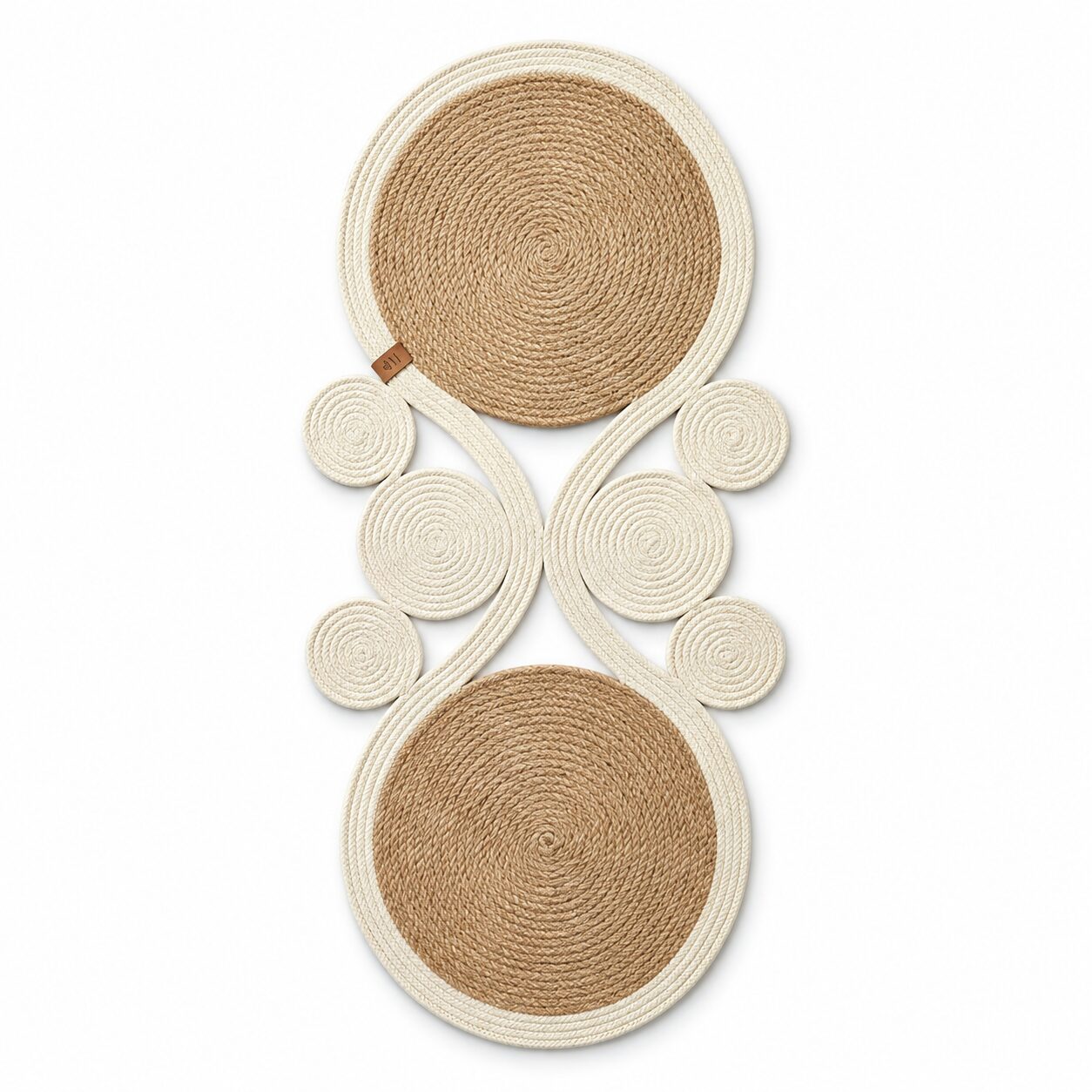
A two-tone rug like the Jute and Off-White Circle Rug needs a little extra care on the lighter section, so blot spills there especially quickly.
Caring for Crochet and Kids’ Rugs
Crochet rugs are soft and full of character, and they are especially popular in nurseries and play corners. Their loops can stretch, so treat them gently.
- Shake, do not beat. Beating a crochet rug can loosen stitches.
- Hand-wash small pieces in cool water with a mild detergent if the care instructions allow, then dry flat to keep their shape. Never hang a wet crochet rug, which pulls it out of shape.
- Check for loose loops and tuck or secure them before they catch.
- Clean play rugs more often. A Crochet Bear Play Rug sees snacks, spills and toys every day, so a weekly shake and quick spot clean keeps it fresh and pleasant for little ones.
Drying, Airing and Protecting
Drying correctly is as important as cleaning. A rug that stays damp underneath will smell musty and can damage the floor too.
- Dry flat in shade with good airflow, never folded.
- Lift the rug off the floor while drying, over chairs or a drying rack, so air reaches both sides.
- Make sure it is fully dry before putting furniture back on it.
- Air rugs regularly on dry, breezy days. An hour outside on the balcony refreshes fibres and removes odours.
- Use underlays. A rug pad protects the rug from abrasion against tile, keeps it flat and allows air to circulate.
Storing Rugs
When you roll up a rug for summer, clean it first, roll it with the top side facing in, wrap it in breathable cotton and keep it somewhere dry and off the floor. A large Woven Rope Basket is a neat way to keep small rolled mats and bath rugs together in a cupboard or corner.
When to Call a Professional
Home care handles most situations, but some jobs are worth handing over.
- Large rugs that need a full wash and cannot be dried properly at home
- Old or valuable handmade pieces with delicate dyes
- Deep stains that have set over time
- Strong odours, mould or pet accidents that have soaked through
Common Mistakes
- Rubbing stains instead of blotting them.
- Using hot water on drink spills, which sets colour.
- Soaking natural fibres like halfa and jute.
- Using a beater bar on fringes, crochet and natural rugs.
- Putting a damp rug back down, trapping moisture against the floor.
- Never rotating, so one side fades and wears faster.
Quick Checklist
- Know the material before you clean
- Vacuum weekly, twice in dusty seasons
- Blot spills immediately, from the outside in
- Water sparingly on halfa and jute, gently on cotton
- Dry flat, in shade, fully
- Rotate every few months and use an underlay
- Roll, never fold, when storing
Rugs That Stay Beautiful
Handmade rugs are made to be lived on, and a few simple habits keep them looking as good as the day they arrived. Learn your rug’s material, keep the weekly routine and act fast on spills, and your kilims, halfa and crochet rugs will reward you for years.
Discover handwoven kilims, natural halfa and jute rugs and soft crochet carpets at coccarohome.com.
Shop the Look