Ask an Egyptian grandmother about halfa and you may hear about the baskets that held bread, the round trays that carried dates to guests, or the mats spread on the floor for an afternoon rest. Halfa is one of those materials so woven into daily life that many people never stop to ask what it actually is.
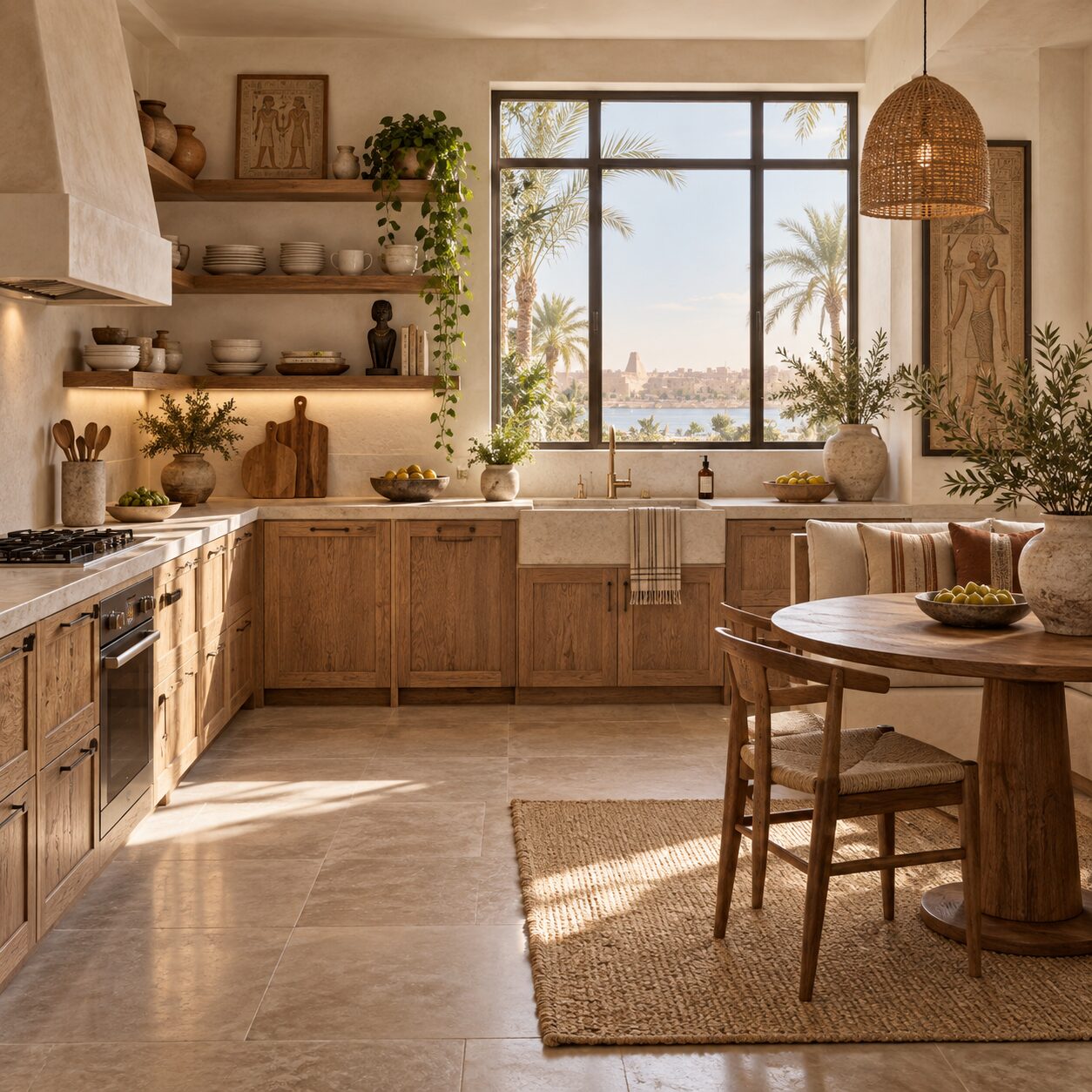
Today, halfa is enjoying a second life in modern homes. Designers love its golden colour, its texture and the story behind it. This guide explains what halfa is, how it is woven, why it remains special, and how to bring it into a contemporary Egyptian home with confidence.
The Plant Behind the Craft
Halfa is a tough, long-bladed grass that grows wild in dry, sunny regions, including the banks of the Nile and the edges of the desert. It thrives where many plants struggle, which is part of why it became so important to rural communities. It was free, plentiful and renewable: cut it, and it grows back.
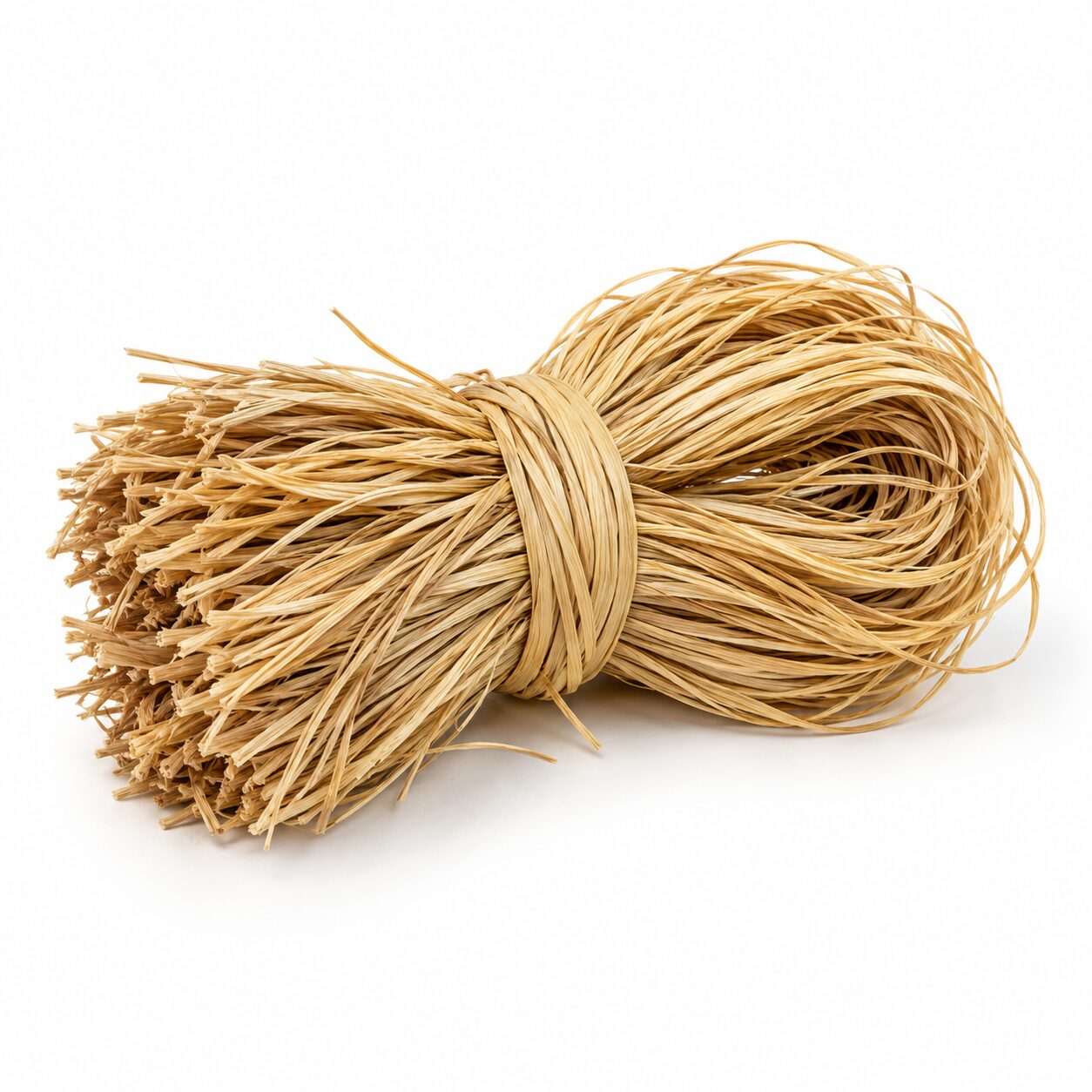
Once harvested, the grass is dried in the sun until it turns a warm straw-gold. Dried halfa is surprisingly strong and flexible. It can be bundled, bent and coiled without snapping, which makes it ideal for weaving durable everyday objects.
Why It Matters in Egypt
Grass and palm weaving in the Nile Valley stretches back thousands of years, and the craft has been handed down through families, especially in Upper Egypt and Nubia. Halfa weaving was never a luxury. It produced the practical things a household needed: storage for grain and bread, trays, fans, mats and baskets for market.
That practical origin is exactly why halfa pieces feel so honest in a modern home. Nothing about them is purely ornamental. They were designed to be used, and they still are.
How Halfa Is Woven
Most halfa pieces are made with a coiling technique rather than the over-under weave you might picture with fabric.
- Bundling: the artisan gathers a small bundle of dried halfa grass to form a continuous core.
- Wrapping: a thinner, flexible strip, often palm leaf or cotton thread, is wound around the bundle.
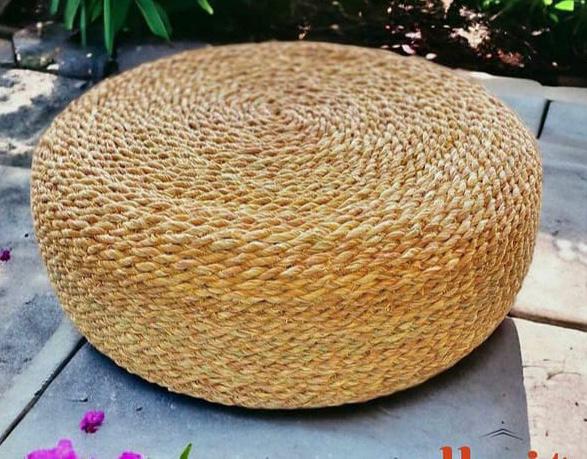
- Coiling: the wrapped bundle is spiralled outward from a central point, starting with the base.
- Stitching: each new round is stitched to the one before, locking the coils together.
- Shaping: the artisan tilts the coils upward to build walls, curves or a lid, depending on the object.
Because this is all done by hand, a single basket can take many hours, and a large pouf or rug far longer. Small irregularities in colour or coil width are signs of handwork, not flaws.
Decorative Details
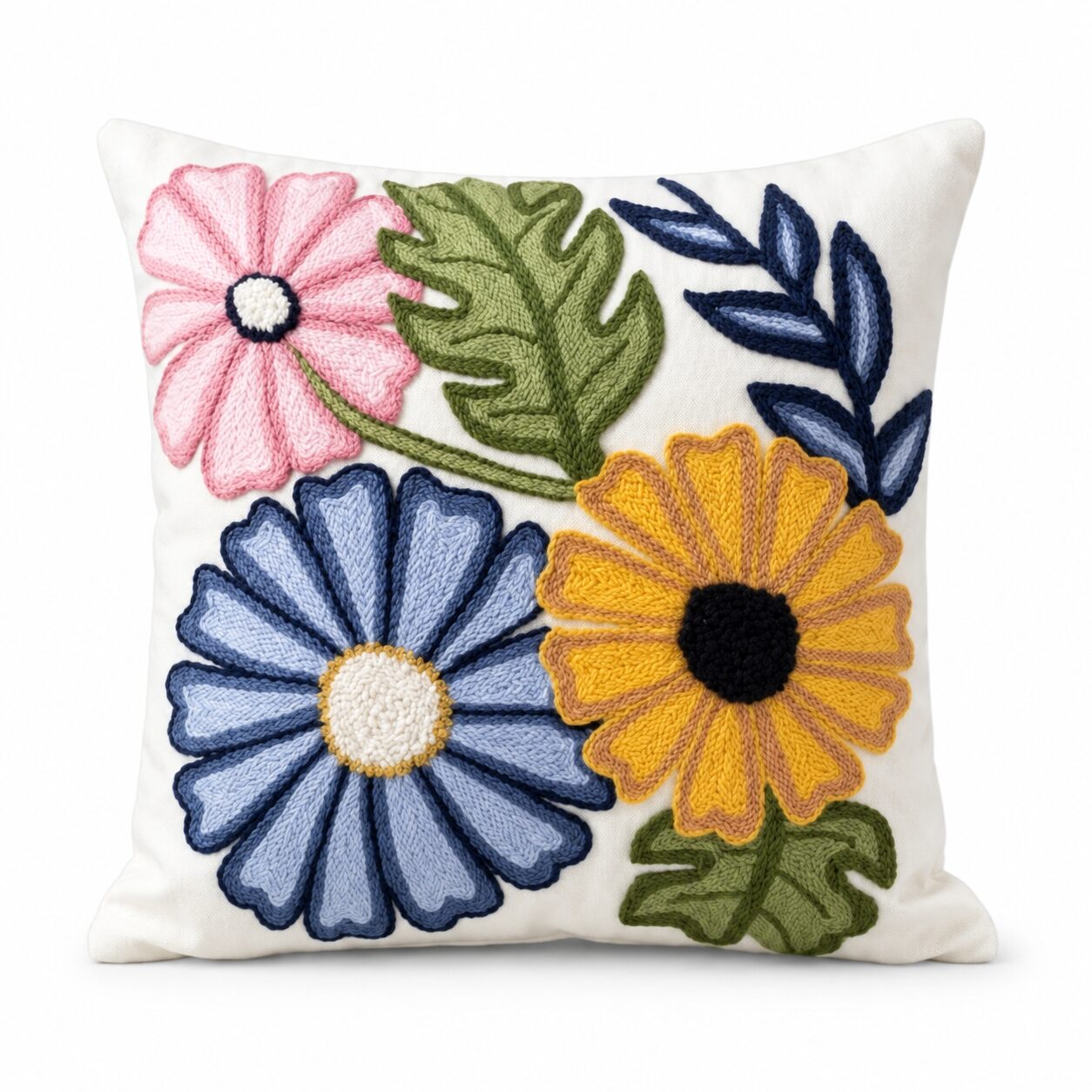
Traditional halfa often includes coloured strips worked into the coils to create stripes, triangles and geometric bands. Some modern pieces add embroidery, wooden legs or macrame covers, combining an old technique with contemporary design.
What Makes Halfa Special
Several qualities set halfa apart from other natural fibres.
- Warm golden colour. Halfa has a natural honey tone that brightens rooms and pairs with almost any palette.
- Structure. Coiled halfa is stiffer than cotton rope, so it holds firm shapes like poufs, stools and lidded baskets.
- Light weight. Even large pieces are easy to lift and move.
- Breathability. The natural fibre allows airflow, which suits bread, fruit and textiles.
- Low environmental impact. It is a wild, renewable plant that needs no irrigation or chemical processing to become a usable material.
- Heritage. Every piece carries a living Egyptian craft into your home.
Halfa Pieces for the Modern Home
Halfa has moved far beyond bread baskets. Here is how its range translates into today’s rooms.
Poufs and Seating
A halfa pouf is one of the most useful pieces you can own. It works as extra seating when guests arrive, a footrest in the evening, or a low side table with a tray on top. The Handmade Halfa Pouf with Wooden Leg lifts the coiled seat on a wooden base for a lighter, more modern silhouette, while the Handmade Halfa Pouf without Leg sits directly on the floor for a relaxed, grounded look.
For something more decorative, the Halfa Pouf with Macrame Cover combines two crafts in one piece, and it suits boho living rooms beautifully. In the kitchen, a Halfa and Pine Counter Stool shows how the material can become everyday furniture.
Storage Baskets
Halfa baskets are strong enough for laundry, toys and linens. The Square Halfa Basket with Handles is a versatile size for shelves and cupboards, and the Handmade Halfa Laundry Basket with Cover brings a natural look to a bedroom corner or bathroom. If you want something more decorative, an Embroidered Halfa Basket adds colour and stitched detail.
Rugs and Table Pieces
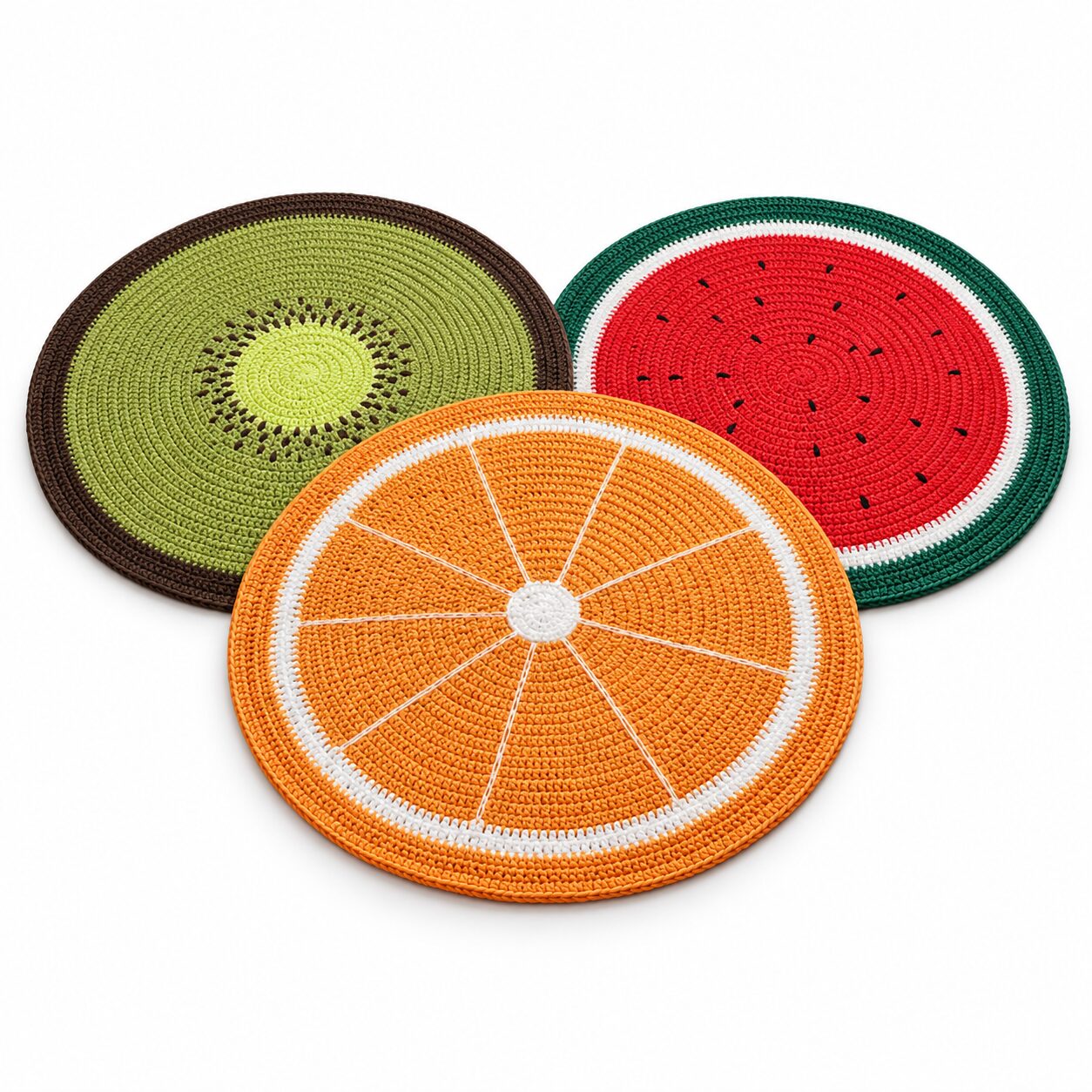
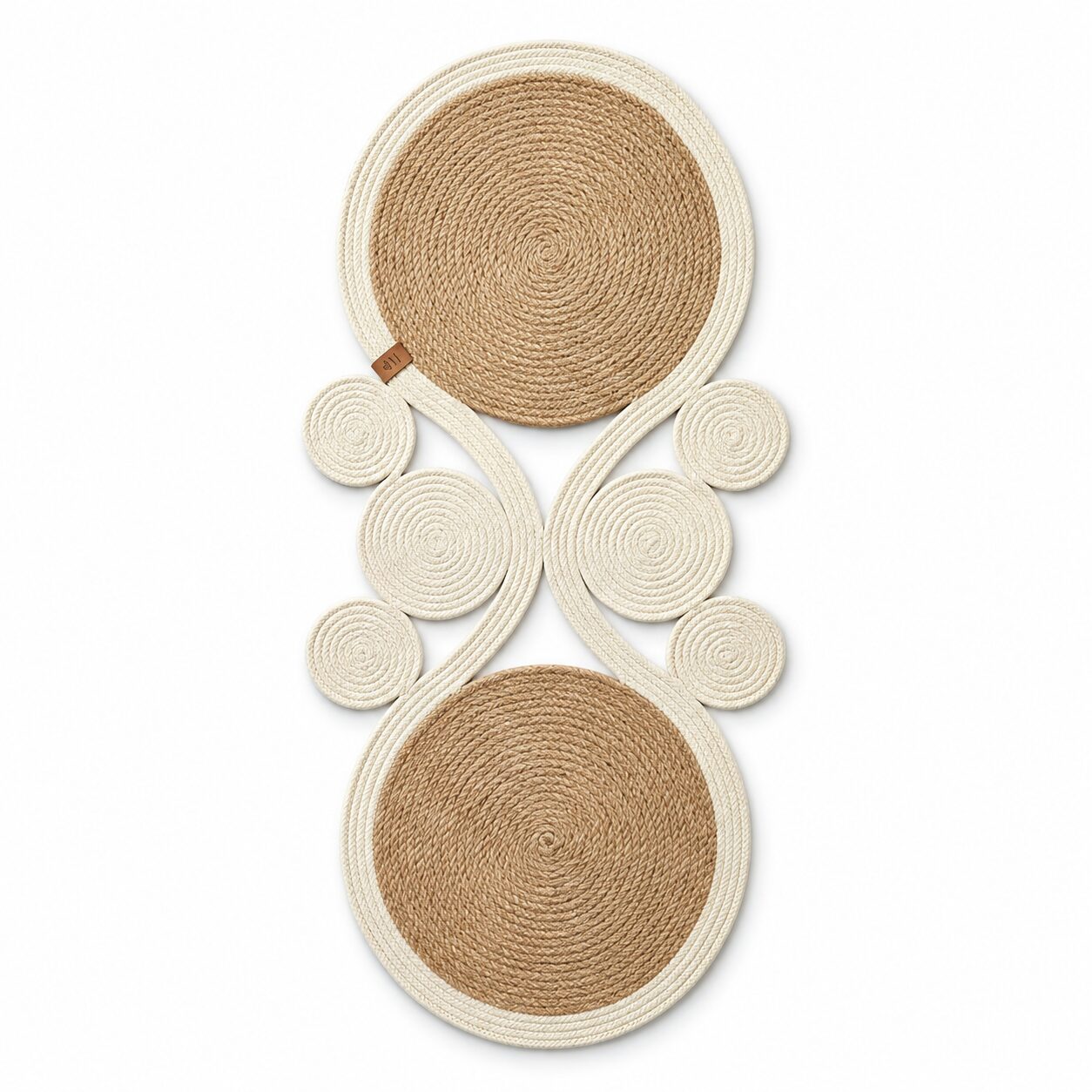
Round and oval halfa rugs add texture underfoot in living rooms and on covered balconies. On the table, halfa trays, coasters and runners create a natural tablescape that feels right for Ramadan gatherings or a weekend breakfast.
Vases and Planters
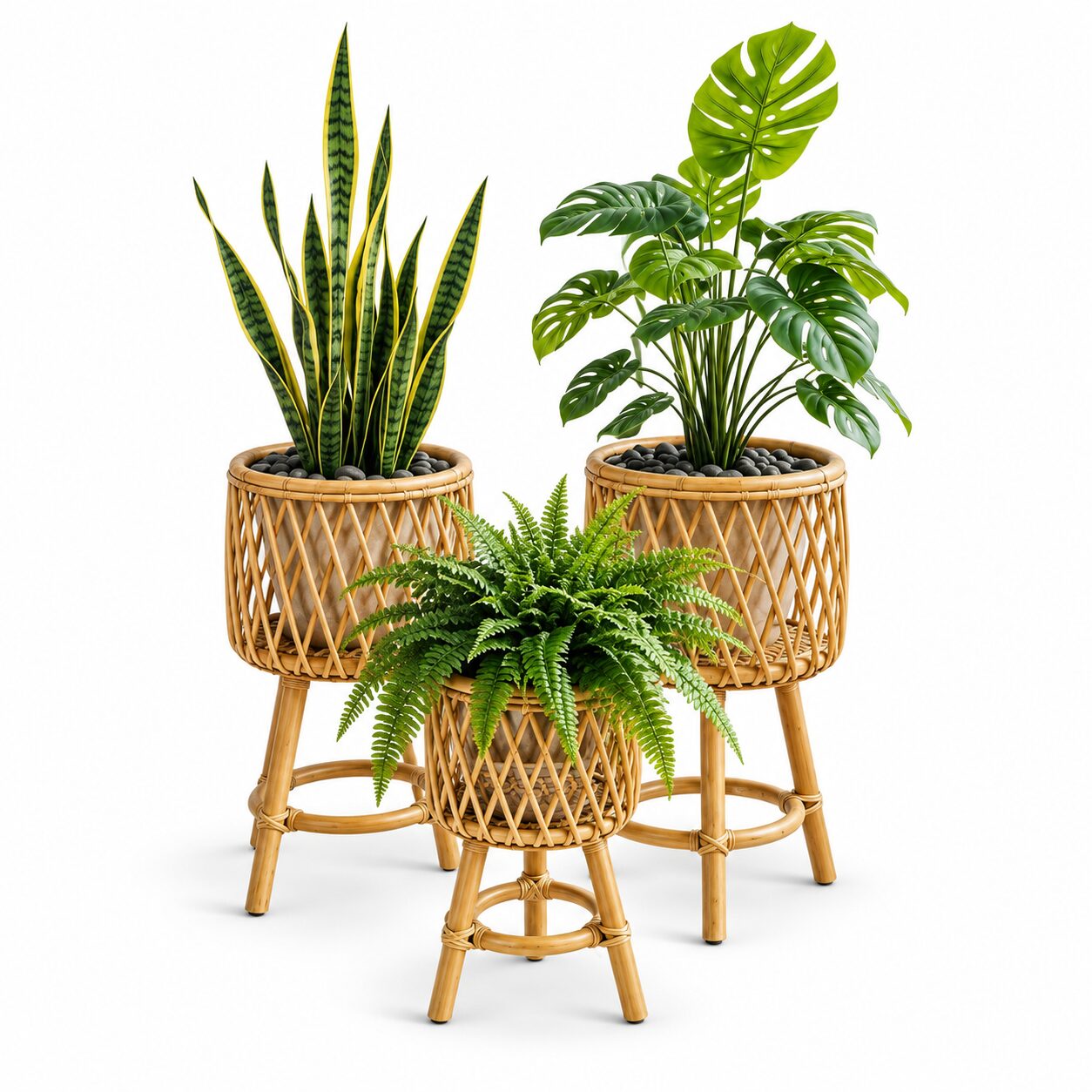
A halfa vase holding dried pampas or artificial branches makes an easy, low-maintenance arrangement. Plant stands that combine wood and halfa pots raise greenery to eye level and fill an empty corner.
How to Style Halfa in Contemporary Spaces
Halfa can look either traditional or very modern depending on what surrounds it.
For a Modern Look
- Pair halfa with white walls, black metal and simple lines.
- Choose plain halfa pieces without coloured bands.
- Use one strong halfa piece, such as a pouf or rug, rather than many small ones.
For a Warm, Traditional Look
- Combine halfa with kilim cushions, brass and patterned textiles.
- Group several halfa baskets of different sizes on open shelves.
- Use halfa trays for serving tea and dates to guests.
For a Boho Look
- Layer halfa with macrame, jute and plenty of plants.
- Mix round halfa rugs with fringed cushions and floor seating.
- Hang halfa or woven baskets on a wall as a textured arrangement.
Colour Pairings That Work
Halfa’s golden tone loves terracotta, olive green, deep blue, cream and charcoal. It can look washed out against beige-on-beige rooms, so add at least one darker or richer colour nearby to make it glow.
Halfa Versus Other Natural Fibres
Halfa is often confused with other woven materials, and product names do not always help. Here is how it compares with the fibres you will see beside it.
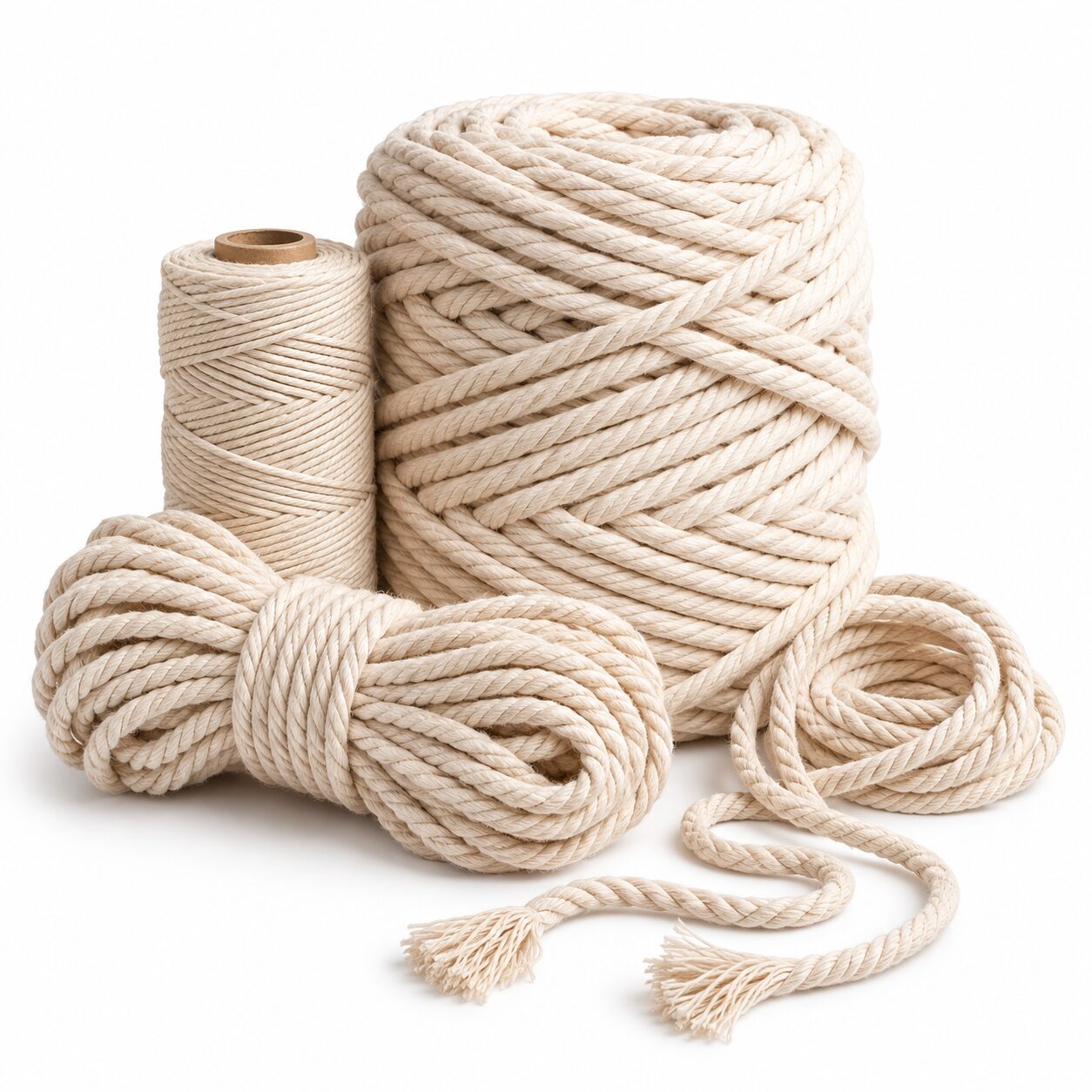
- Halfa versus jute: jute is a soft plant fibre spun into thread and rope, then woven or coiled. Halfa is used as whole dried grass, so it is stiffer and holds rigid shapes better. Jute feels rougher to the touch; halfa feels smoother and slightly glossy.
- Halfa versus palm leaf: palm fronds are flat strips, usually plaited into mats and fans. Halfa is bundled and coiled. Many traditional pieces actually combine the two, with palm leaf wrapped around a halfa core.
- Halfa versus rattan: rattan is a climbing palm with long, solid stems, bent into furniture frames and woven into chairs. It is heavier and more rigid than halfa.
- Halfa versus seagrass and water hyacinth: both are aquatic plants with a greener or darker tone. They make lovely baskets, but they do not have halfa’s honey colour.
Why the Distinction Matters
Knowing the fibre helps you choose the right piece for the job. Halfa is ideal when you want structure, such as a pouf you can sit on or a lidded laundry basket that keeps its shape. Jute and cotton rope suit softer, more flexible pieces. Mixing them in one room, for example a halfa pouf beside a jute rug, creates a layered natural look without everything blending into one texture.
Caring for Halfa
Halfa is durable, but it is still a natural plant fibre and appreciates sensible care.
- Keep it dry. Avoid standing water and very damp spots. If it gets wet, dry it promptly in a ventilated room.
- Dust regularly. A soft brush or vacuum brush attachment removes dust from between coils.
- Wipe, do not soak. Use a lightly damp cloth for marks, then let the piece air dry.
- Protect from harsh sun. Long exposure can fade the golden colour unevenly.
- Rotate rugs and poufs. Turning them every few weeks spreads wear evenly.
- Store with air. If you put halfa pieces away, avoid sealed plastic bags. A cotton cover or open shelf lets the fibre breathe.
Common Mistakes With Halfa
- Using halfa in wet zones. Next to a shower or under a dripping plant pot is not the right place.
- Placing hot pots directly on halfa trays. Use a trivet; natural fibre can scorch.
- Expecting factory uniformity. Slight variations are part of handmade character.
- Pairing it only with other beige naturals. Halfa shines when contrasted with darker or brighter colours.
- Leaving it in the sun on a balcony year-round. Move outdoor halfa into shade or indoors during the hottest months.
Quick Checklist
- Choose halfa for structured pieces: poufs, stools, lidded baskets and rugs
- Look for tight, even coils and firm stitching
- Pair its golden tone with one rich colour such as olive, terracotta or navy
- Keep it dry and away from direct heat
- Dust weekly and wipe marks with a barely damp cloth
- Rotate floor pieces to spread wear
Keeping a Living Craft Alive
Halfa is more than a material. It is a piece of Egypt’s rural history, shaped by the hands of artisans who learned the craft from their families. Bringing a halfa pouf, basket or rug into your home adds texture and warmth, and it also supports a tradition that deserves to continue for generations.
Discover handmade halfa poufs, baskets, rugs and trays at coccarohome.com and give a timeless Egyptian craft a place in your home.
Shop the Look
- Handmade Halfa Pouf with Wooden Leg — EGP 1,944 — A light, raised pouf that doubles as seating or a side table.
- Handmade Halfa Pouf without Leg — EGP 1,728 — A grounded floor pouf for relaxed living rooms.
- Halfa Pouf with Macrame Cover — EGP 4,752 — Two traditional crafts combined in one statement seat.
- Square Halfa Basket with Handles — EGP 648 — A versatile size for shelves, toys or linens.
- Handmade Halfa Laundry Basket with Cover — EGP 1,556 — Natural, breathable storage for bedroom laundry.
- Embroidered Halfa Basket — EGP 573 — Adds stitched colour to a natural material.
- Halfa Round Rug — EGP 1,404 — Golden texture underfoot for a boho corner.
- Halfa Round Tray — EGP 324 — A natural tray for serving tea and dates.
- Wooden Plant Holder with Halfa Pot — EGP 1,080 — Raises greenery to eye level with wood and halfa together.
- Halfa Counter Stool — EGP 4,536 — Handwoven halfa seat on pine wood for the kitchen.