Some decor pieces arrive with a fanfare: a big rug, a statement lamp, a new sofa. The lumbar cushion slips in quietly. It is long, low and modest, and it rarely gets top billing. Yet ask any designer which single cushion they would keep if they had to remove all the others, and many will point to the rectangle in the middle of the sofa.
A lumbar cushion supports the lower back, breaks the repetition of square shapes, fits chairs that squares overwhelm, and finishes a bed in one neat gesture. This guide explains why the shape works so well, how to choose the right size, and where to use lumbar cushions around the home.
What Makes a Cushion “Lumbar”
The name comes from the lumbar region of the spine, the curve of the lower back. A lumbar cushion is a rectangle, wider than it is tall, designed to sit in that curve. Common sizes run from around 50 by 30 centimetres up to 70 by 40 centimetres, with longer bolster shapes for beds and daybeds.
That proportion is what makes it so versatile. It is long enough to read as a deliberate design element and low enough not to block the view of the cushions behind it.
Why Every Sofa Benefits From One
It Supports the Back
Many modern sofas have deep seats that leave shorter family members perched on the edge or sinking backwards. A lumbar cushion fills the gap between the sofa back and the spine, making long evenings, film nights and visits genuinely more comfortable. Older relatives often appreciate this most.
It Breaks Up the Squares
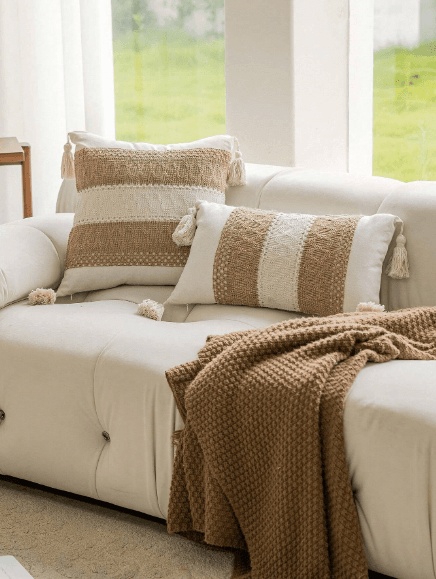
A row of square cushions, however beautiful, can look stiff. The horizontal line of a lumbar cushion interrupts the pattern and gives the arrangement a front layer with real depth. The Boho Neutral Lumbar Cushion is a popular choice for exactly this job: its relaxed, organic look sits in front of almost any colour scheme.
It Carries a Message or a Statement
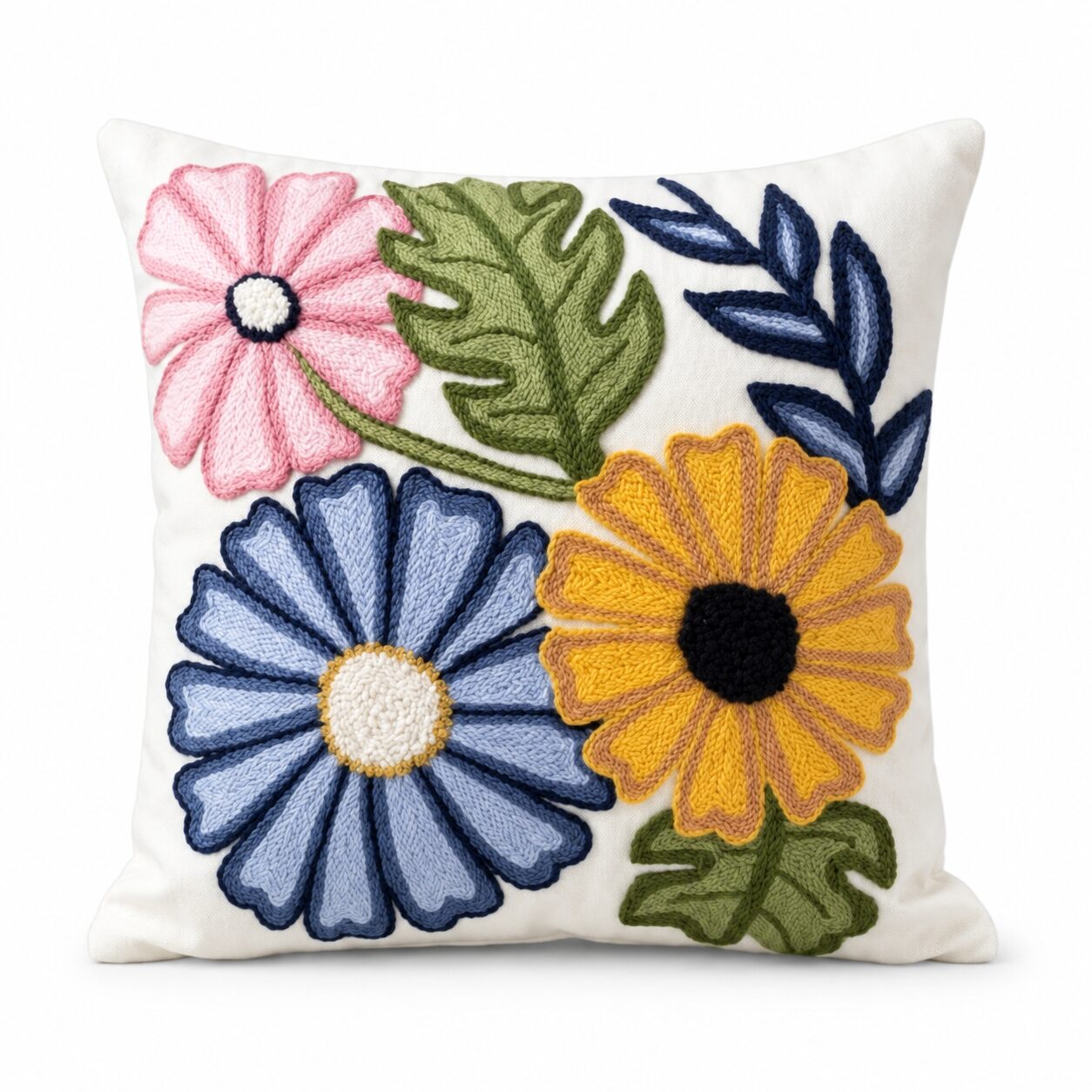
Because it sits front and centre, the lumbar cushion is the natural place for a personal touch: lettering, a bold abstract motif, or a special embroidery. The Home Letters Tufted Lumbar Cushion welcomes everyone who sits down, while the Boho Abstract Tufted Lumbar Cushion adds artistic colour at a larger 70 by 40 centimetre size.
Choosing the Right Size
Size depends on where the cushion will live.
- Armchairs and dining chairs: a smaller lumbar, roughly 50 by 30 centimetres, fits between the arms without crowding.
- Two- and three-seater sofas: around 60 by 30 centimetres in the centre, or one at each end.
- Large corner sofas and beds: go bigger, around 70 by 40 centimetres, or a long bolster that spans more of the width.
- Benches and window seats: one long lumbar or two medium ones placed end to end.
A good test: the lumbar should be shorter than the square cushions behind it are wide, combined. If it hides the whole back row, choose a smaller one.
Where to Place Lumbar Cushions
On the Sofa
The classic spot is the centre front, with two or more square cushions behind at either end. For an asymmetric look, place the lumbar at one end in front of a single large square, and balance the other end with a round or plush cushion.
On Armchairs
Here the lumbar often works better alone than with squares. A single rectangle fills the back of a chair neatly and gives proper support. The Handmade Kilim Rectangular Lumbar Cushion has a Moroccan-inspired weave that suits wooden and cane chairs particularly well.
On Beds
The finishing touch for a made bed is a lumbar at the very front, after the sleeping pillows and any decorative squares. It ties the bedding together with one horizontal line. A Handmade Macrame Bolster Pillow is lovely on a bed or daybed, where its long cylindrical form adds a relaxed boho finish.
On Dining and Desk Chairs
Hard dining chairs become far more comfortable for long Ramadan iftars and Eid lunches with a small lumbar at the back. At a home desk, a lumbar cushion can make hours of work kinder on the lower back.
On Balconies and Floor Seating
Outdoor benches and low floor seating often lack proper back support. A few lumbar cushions propped against the wall turn a hard bench into an inviting place for evening tea.
Styling Ideas by Look
Calm Neutral
Choose a lumbar in cream, beige or off-white with texture rather than pattern. Pair it with plain squares in sand and taupe. The texture gives interest without breaking the calm.
Bold and Graphic
Use the lumbar as the strongest pattern on the sofa. The Black and Cream Botanical Tufted Lumbar Cushion brings high contrast in a compact 60 by 30 centimetre size. Keep the squares behind it in solid black, cream or grey.
Bohemian and Layered
Layer a patterned lumbar in front of mixed kilim and embroidered squares. An Embroidered Mandala Lumbar Cushion works well here, picking up colours from the cushions behind.
Personal and Sentimental
Lettered lumbar cushions with words such as home, love or family make thoughtful gifts for newlyweds and new homes. They also bring warmth to an entrance bench or a children’s reading corner.
Coastal and Summery
Soft blues, sandy beiges and natural textures suit North Coast chalets and city apartments that want a holiday feeling. A woven cotton lumbar in a light stripe, paired with white and pale blue squares, keeps the sofa looking cool even in August.
Lumbar Cushions as Gifts
A lumbar cushion is one of the most practical decor gifts you can give. It fits any sofa size, it does not depend on knowing the exact colour of someone’s curtains, and it is used every single day.
For newlyweds moving into their first apartment, a lettered lumbar is a warm welcome. For parents and grandparents, a soft, supportive lumbar for their favourite armchair is a thoughtful gesture that genuinely improves comfort. For a friend who works from home, a lumbar for the desk chair shows you have paid attention to how they spend their days. Choose a neutral or textured design if you are unsure of their taste.
Pairing Lumbar Cushions With Squares and Rounds
A balanced sofa usually combines three shapes. Use this as a starting point:
- Back: two large squares, solid or subtly textured.
- Middle: one or two medium squares with pattern.
- Front: one lumbar in the centre, or a lumbar plus a small round cushion at one end.
Repeat at least one colour from the lumbar in the squares behind it. This connection makes the arrangement feel planned rather than collected at random.
Choosing the Fabric
Because a lumbar cushion is the one people actually lean against, fabric matters more than it does for purely decorative squares.
- Cotton and cotton-linen stay cool in summer and wash easily, making them ideal for family sofas and dining chairs.
- Tufted and punch needle fronts add raised texture and personality, but suit adult seating better than a toddler’s corner.
- Kilim and woven fabrics are hard-wearing and graphic, a good match for armchairs that get daily use.
- Macrame brings a sculptural boho texture, best on beds and daybeds where it is admired as much as leaned on.
If the lumbar will support someone’s back for hours, choose the softest option that still suits the room’s style.
Lumbar Cushions Through the Year
One of the easiest ways to refresh a room is to change only the front cushion. Because the lumbar sits in the most visible spot, swapping it shifts the whole mood of the sofa without touching anything else.
Summer
Light, natural colours and airy cotton weaves. Botanical patterns, coastal blues and sandy neutrals keep the sofa feeling fresh during the hottest months.
Winter
Deeper tones, wool-style textures and richer patterns. Pair the lumbar with a chunky throw folded over one arm for instant warmth.
Ramadan and Eid
A festive lumbar in jewel tones, or one with a meaningful word, makes the living room feel ready for guests. Keep the squares behind it simple so the seasonal piece stands out.
Store the off-season lumbar in a lidded basket so it stays clean and is ready for next year.
Getting the Fill Right
A lumbar cushion only supports the back if it holds its shape. A limp filler slumps into the corner of the sofa and looks tired within days.
- Choose a filler that fits snugly. The cover should feel full without straining at the seams.
- Plump daily. Lumbar cushions get leaned on more than any other, so give them a quick shake each evening.
- Rotate. Turn the cushion over every week so the filling settles evenly.
- Wash covers regularly. The front cushion collects the most dust and handprints.
Common Mistakes to Avoid
- Too big for the chair. A large lumbar on a small armchair pushes the sitter forward.
- Too many lumbars. One or two per sofa is plenty; more look like a row of bricks.
- Hiding it at the back. The lumbar belongs in front, where it can be seen and used.
- Ignoring comfort. Stiff, scratchy fabrics on a support cushion defeat its purpose.
- No colour link. A lumbar with no shared colour looks like it wandered in from another room.
Quick Checklist
- A lumbar sized for its seat: smaller on chairs, larger on corner sofas and beds
- Placed at the front of the arrangement, not hidden
- One colour shared with the cushions behind it
- A snug, full filler that supports the lower back
- A comfortable, touchable fabric
- One lumbar per armchair, one or two per sofa
The Quiet Hero of the Sofa
Lumbar cushions earn their place twice over: they make a sofa look finished, and they make it more comfortable to sit on for hours. Add one to your sofa, your reading chair and your bed, and you will wonder how you managed without them.
Browse lettered, tufted, kilim, embroidered and macrame lumbar cushions at coccarohome.com.
Shop the Look