Every decorating budget has a limit. Newlyweds furnishing a first apartment, families refreshing the house before Eid and renters trying to make a flat feel like theirs all run into it sooner or later. The secret that interior designers rarely say out loud is that a beautiful room is not the result of spending a lot. It is the result of spending in the right places.
Some pieces work hard every day, get touched constantly and set the tone of the whole room. Those deserve a bigger share of the money. Others are small, seasonal or easily changed, and spending heavily on them adds little. Once you know the difference, a modest budget goes a surprisingly long way. Here is how to divide it.
Think in Cost Per Use
Before deciding where to spend, change the question you ask. Instead of “how much does this cost?”, ask “how much will it cost each time I use it?”
A good throw that sits on the sofa every evening for five years costs very little per use, even if it felt like a stretch at the start. A trendy decorative piece that goes into a cupboard after two months is expensive, however cheap it was.
Cost per use naturally points you toward three kinds of pieces worth investing in:
- Things you touch every day, such as seating, bedding and throws.
- Things that anchor the room, such as a rug, a large mirror or statement lighting.
- Things that last for years, such as handmade, well-built pieces in natural materials.
Where to Spend
The Rug
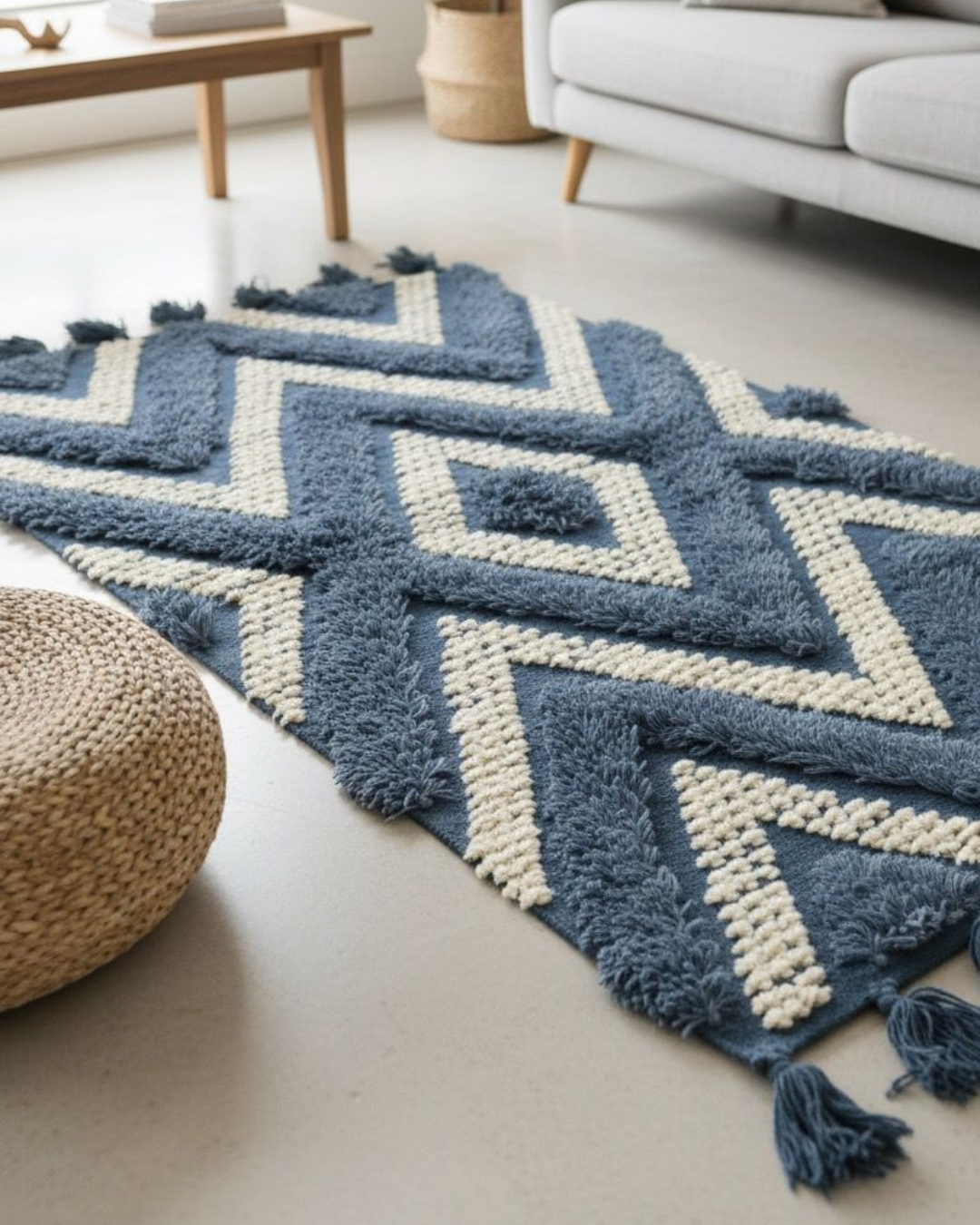
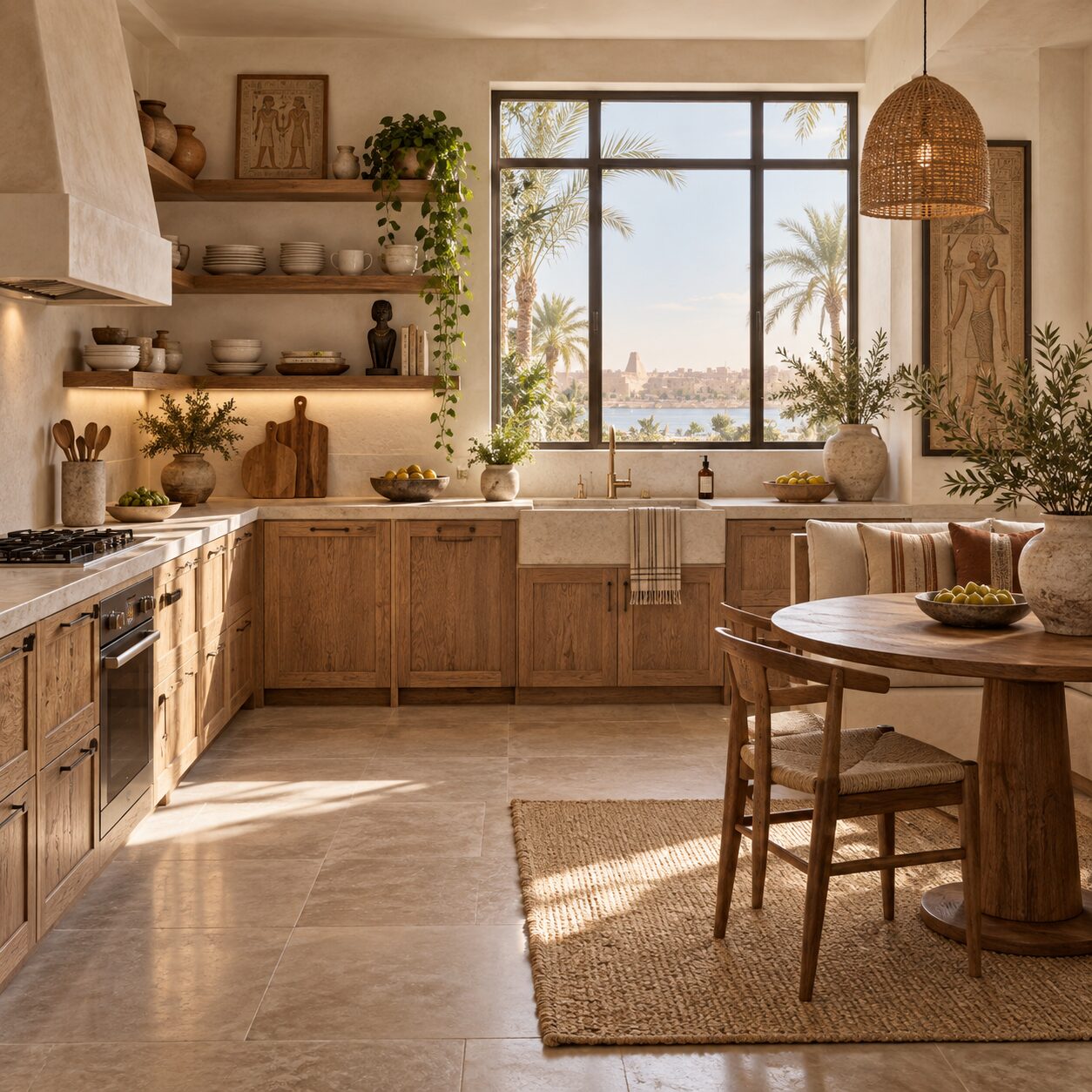
A rug defines the room, covers the largest visible area after the walls and takes daily wear. A cheap, thin rug looks tired within months and shows every crease. A good handwoven rug lasts for years and makes everything around it look better. A Kilim Navy and Beige Carpet is the kind of piece that anchors a living room for a long time and works with changing cushions and accessories around it.
Seating and Comfort
The sofa and the pieces you sit on daily deserve a good share of the budget. If a new sofa is out of reach this year, spend instead on what makes the existing one comfortable: full cushions and a quality throw.
A Chunky Knitted Nordic Throw is used almost every day, especially when air conditioning makes evenings chilly in summer and the house gets cold in winter. It is one of the best-value comfort pieces you can buy.
Lighting
Good lighting transforms a room more than almost any other change. One beautiful lamp that you switch on every evening is worth more than several decorative objects. Spend on at least one quality table lamp for the living room and warm bulbs throughout.
One Statement Piece Per Room
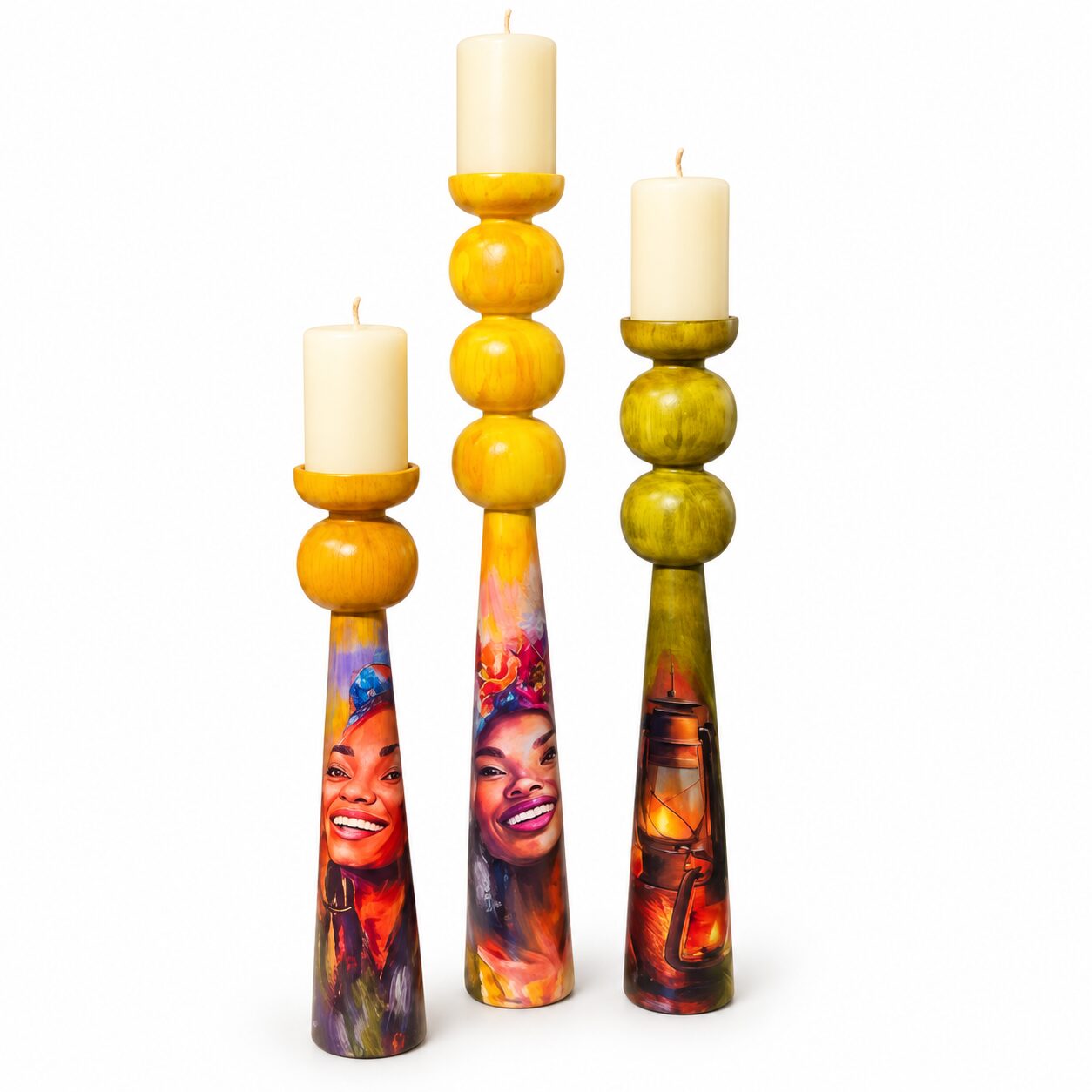
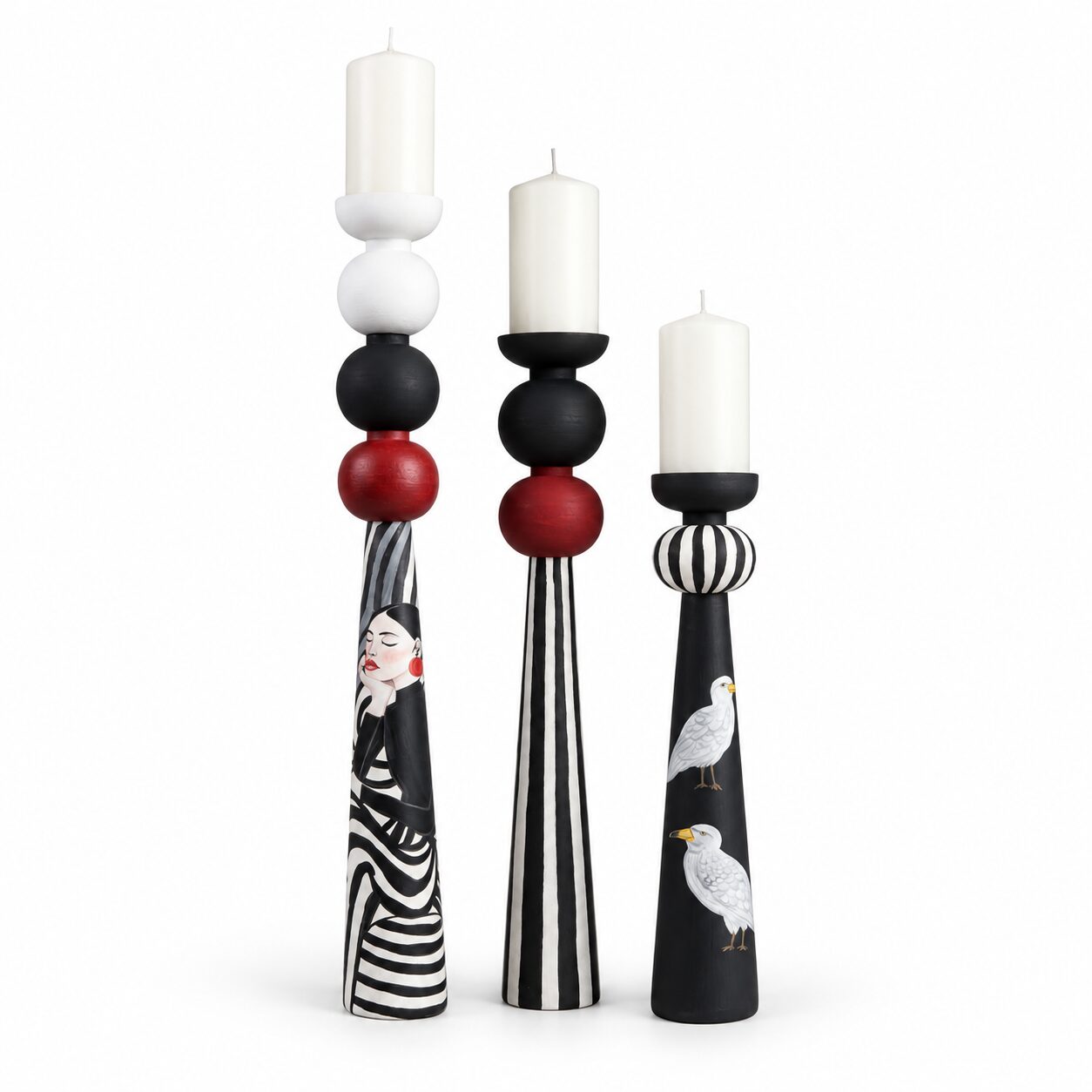
Every room benefits from one piece that people notice: a mirror, an artwork, a hand-painted lamp, a carved tray. A Decoupage Tile Wall Mirror in the entrance, for instance, does the work of art and mirror at once and becomes the focal point of the space. Choose one statement per room and let the rest stay simple.
Bedding
You spend a third of your life in bed. Good sheets and towels feel better, wash better and last longer. This is one place where comfort matters more than appearance.
Where to Save
Cushion Covers and Fillers
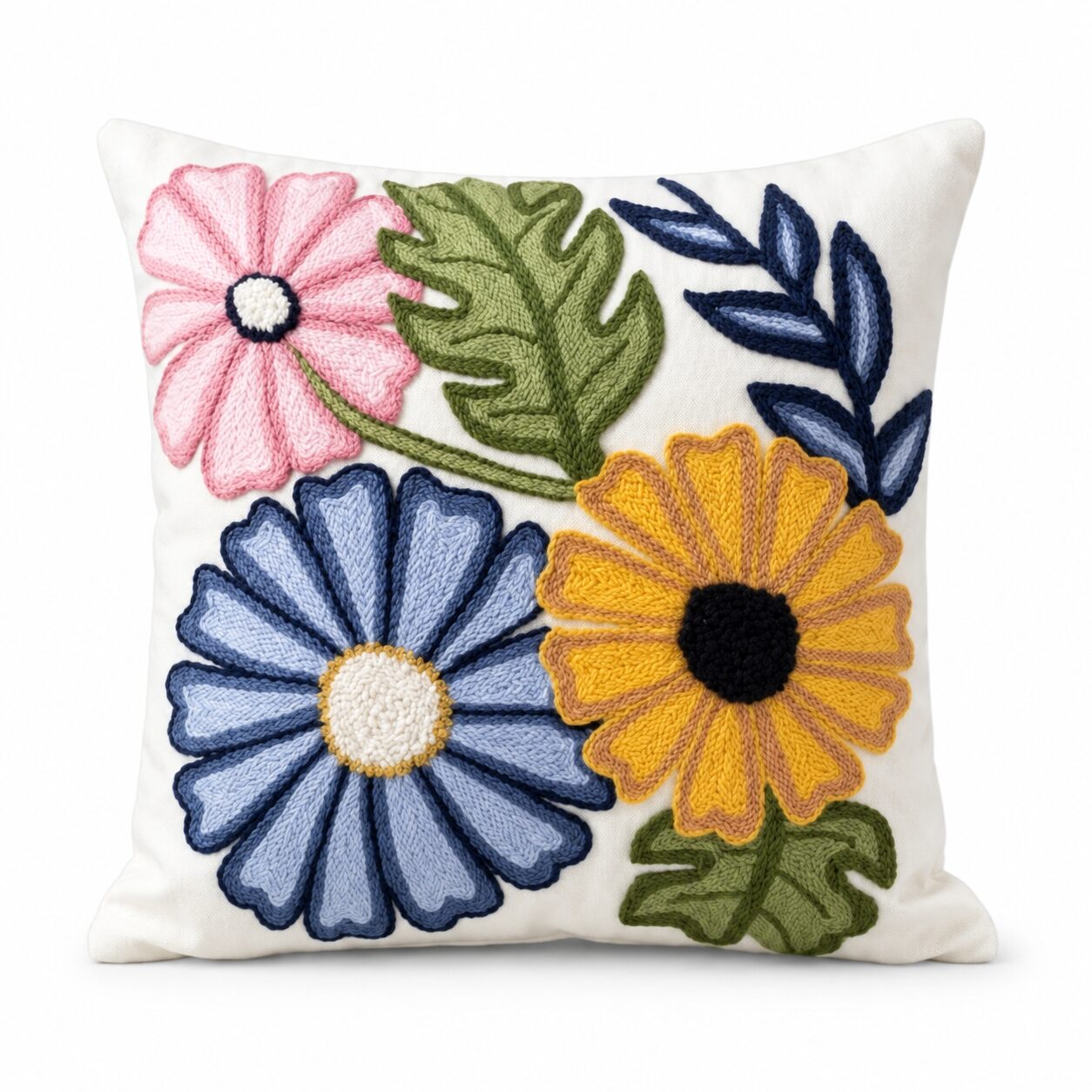
Here is a classic designer secret: a cheap filler makes even an expensive cover look sad, while a full, plump filler makes a modest cover look generous. Buy good fillers once, then change covers as often as you like. A Plain White Cushion Filler gives any cover a full, rounded shape.
Covers themselves are where trends live. Save here and change them with the seasons or for Ramadan instead of committing to one expensive look.
Greenery
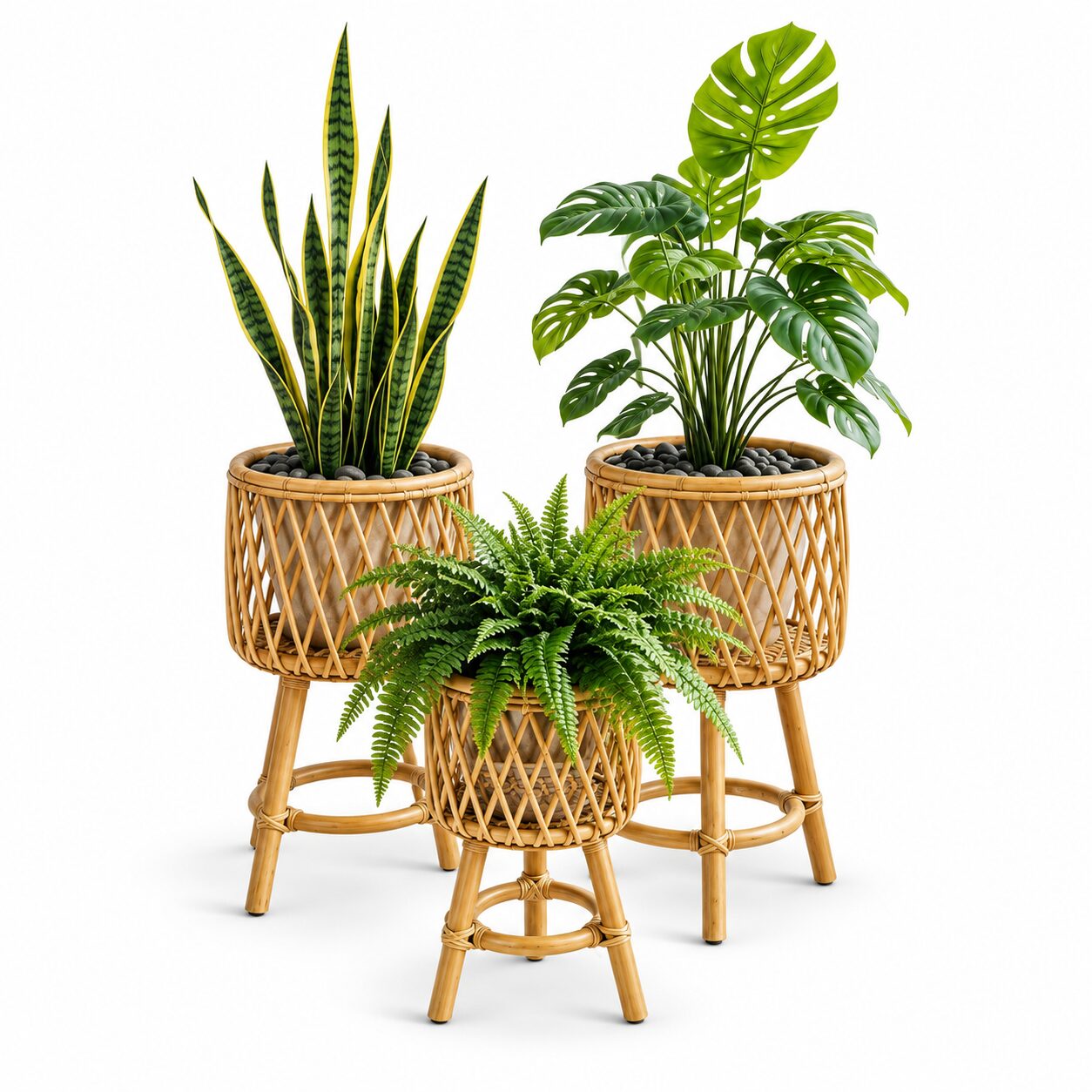
Large real plants can be costly and, in an Egyptian summer, hard to keep alive. A few well-chosen artificial stems in a vase you already own deliver nearly the same effect for very little. Artificial Eucalyptus Stems are among the most natural-looking and fill a vase quickly.
Storage
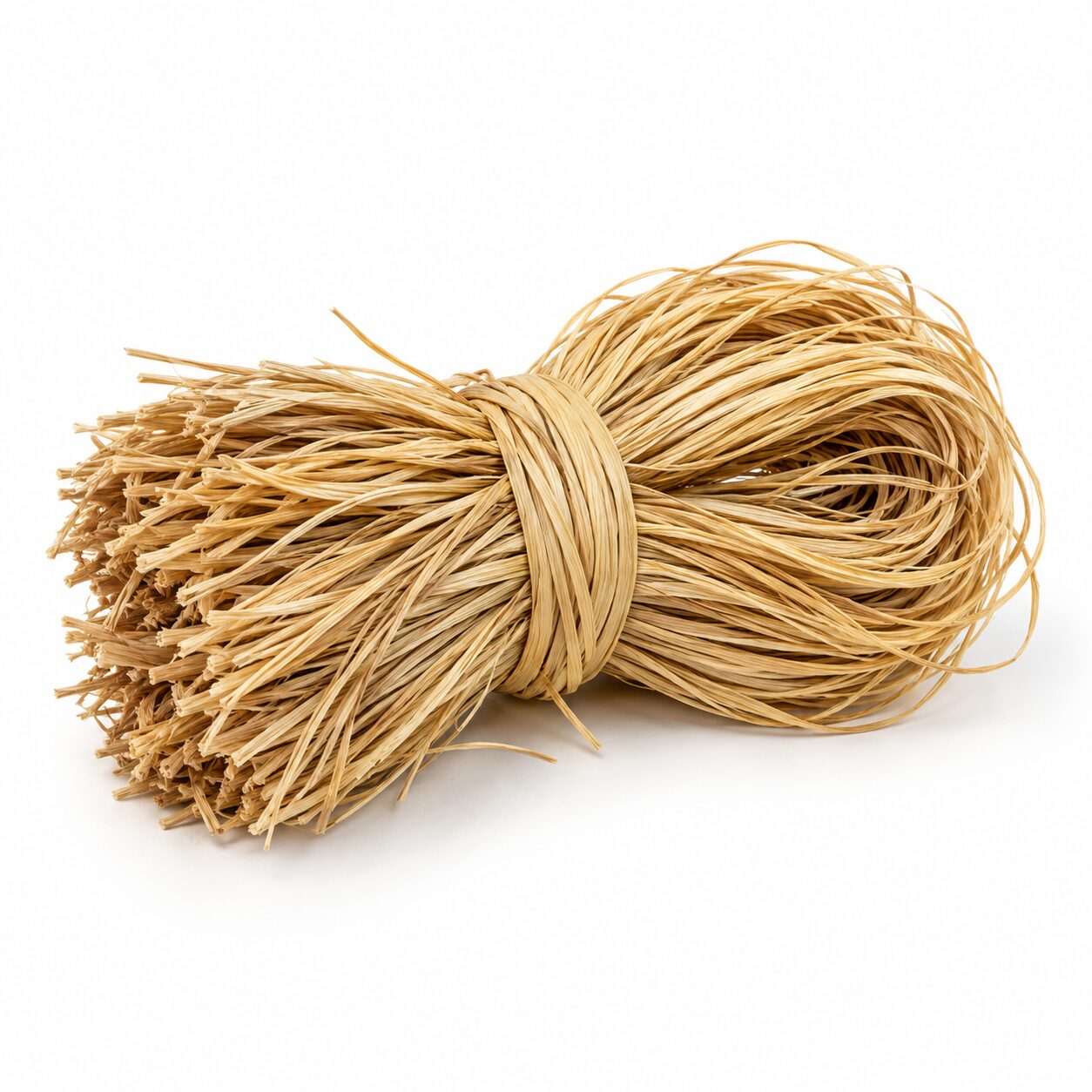
Storage does not need to be expensive to be beautiful. Handmade halfa and jute baskets cost little, last well and look far better than plastic boxes. A Halfa Rectangular Basket hides clutter on a shelf or in a bathroom and adds natural texture at the same time.
Small Accessories
Tissue boxes, coasters, small trays and candles add polish, but they do not need big spending. A handwoven halfa tissue box turns a plain everyday item into something attractive for very little.
Trend Pieces
If you love a trend, buy into it with small, inexpensive accessories rather than large furniture or permanent finishes. When the trend passes, swapping a few small items is painless.
Clever Ways to Stretch the Budget
- Shop your own home first. Move a lamp, a rug or a painting from one room to another. A fresh setting often makes a piece feel new.
- Edit before you add. Removing clutter is free and instantly makes a room look more expensive.
- Paint. A fresh coat of paint is one of the cheapest, most dramatic changes you can make.
- Use multipurpose pieces. A Halfa Pouf with Wooden Legs can be extra seating when guests arrive, a footrest in the evening and a side table with a tray on top.
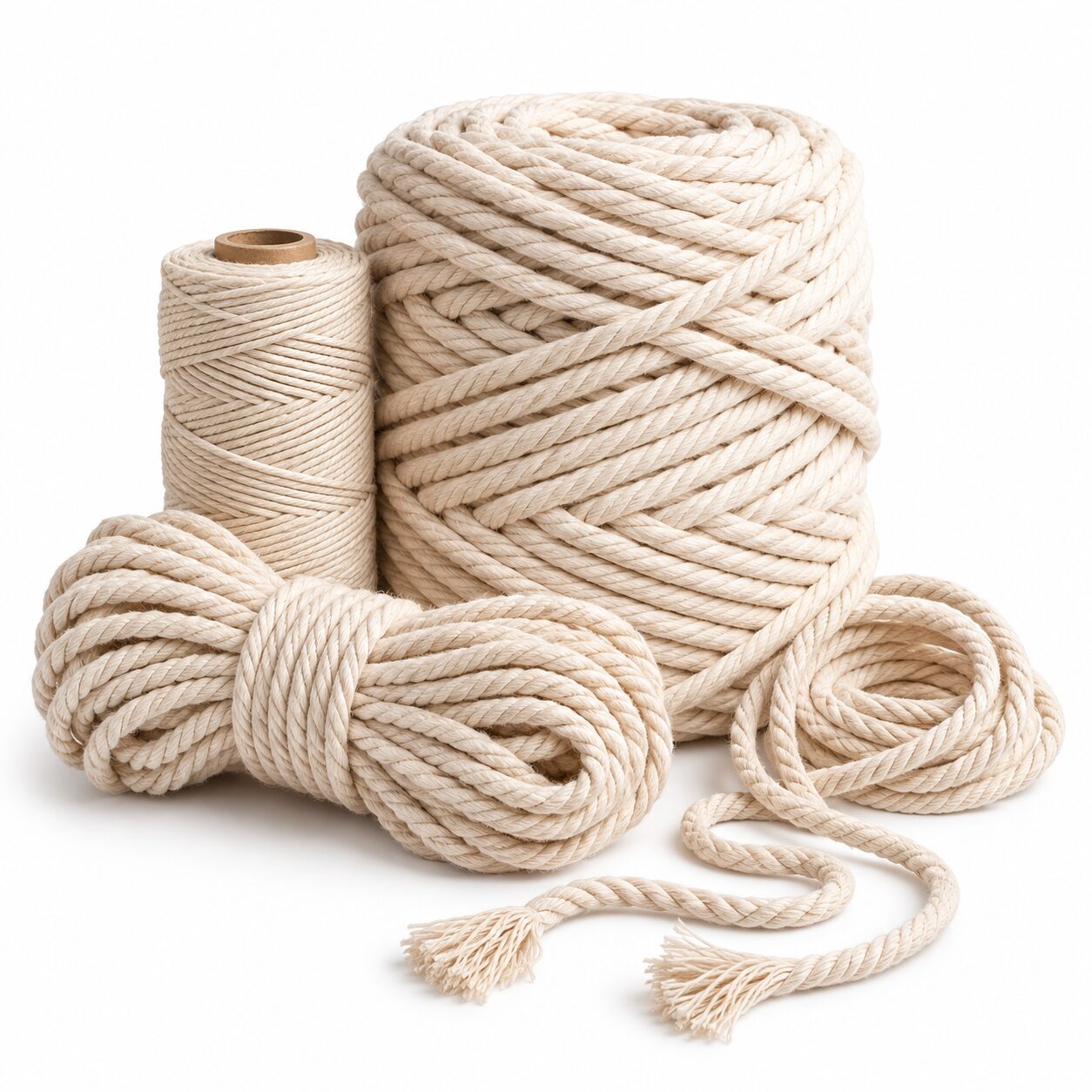
- Choose natural materials. Halfa, jute, cotton and wood age gracefully, so they keep looking good for years.
- Swap seasonally instead of buying. Store summer cushion covers and light throws in a basket, then bring them back out next year. A rotation of two sets feels like a new room twice a year for the price of one purchase.
- Measure everything. Keep room and window measurements on your phone so you never buy a rug or curtain that does not fit.
- Buy fewer, better. One good rug beats three cheap ones you keep replacing.
- Repeat colours. A tight, repeated palette makes inexpensive pieces look deliberate and pulled together.
Phase Your Decorating
You do not need to do everything at once. In fact, rooms decorated slowly usually look better, because each choice responds to what is already there.
- Month one: the basics. Comfortable seating, bedding, curtains and good bulbs.
- Month two: the anchor. The rug and one quality lamp for the main room.
- Month three: storage. Baskets and organisers to bring order.
- Month four onward: personality. Art, cushions, vases, trays and a statement piece, one at a time.
Keep a running list on your phone, with measurements of each room and photos of what you have. It prevents impulse buys that do not fit and helps you spot gaps.
Gifts and Occasions
Weddings, housewarmings, Eid and birthdays are natural moments to fill gaps. If family and friends ask what you need, share your list. A gift card lets them contribute without guessing, and lets you choose pieces that fit your plan.
Room-by-Room Priorities
Every room has one or two things that matter most. Put the money there first and fill in the rest gradually.
Living Room
This is where guests sit and the family gathers every evening, so it usually earns the biggest share. Prioritise the rug, comfortable seating and warm lighting. Cushions, art and accessories can be added month by month.
Bedroom
Spend on the mattress, bedding and a good bedside lamp. These affect how you sleep and how you feel each morning. Decorative pieces can stay minimal; a calm, uncluttered bedroom looks more expensive than a busy one.
Dining Area
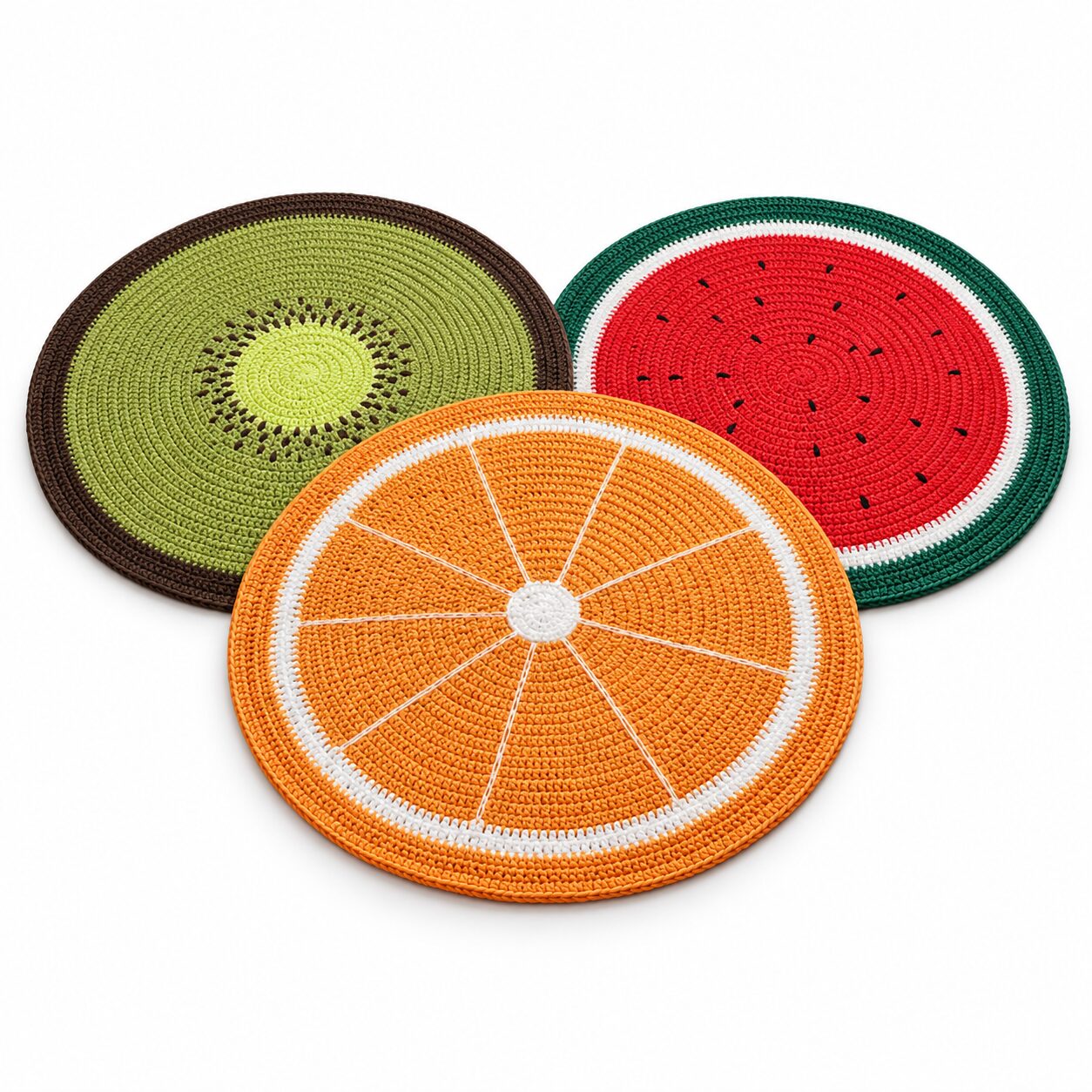
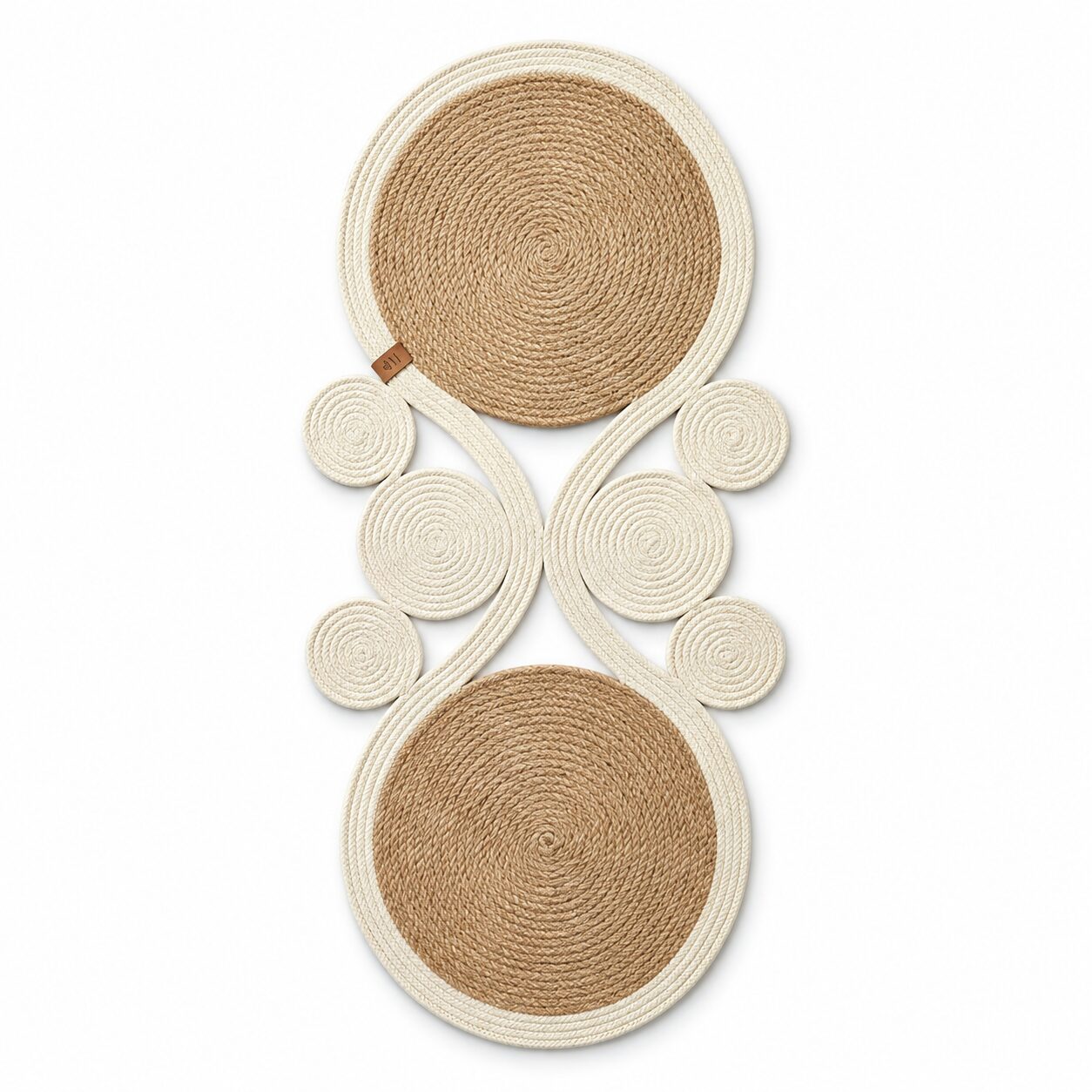
A table runner and a set of placemats change the look of a dining table instantly, for far less than a new table. In Egyptian homes where the dining table hosts big family meals, iftar gatherings and Eid lunches, durable, washable textiles are worth choosing carefully. Save on decorative centrepieces; a tray with candles and a little greenery is enough.
Entrance
The entrance is small but makes the first impression. One statement piece, such as a mirror or a lamp, plus a tray for keys and a basket for shoes, is all it needs.
Kitchen
Save on decor here and spend on what you use daily. One reliable appliance that you reach for every morning will add more to your life than any decorative object on the counter.
Bathroom
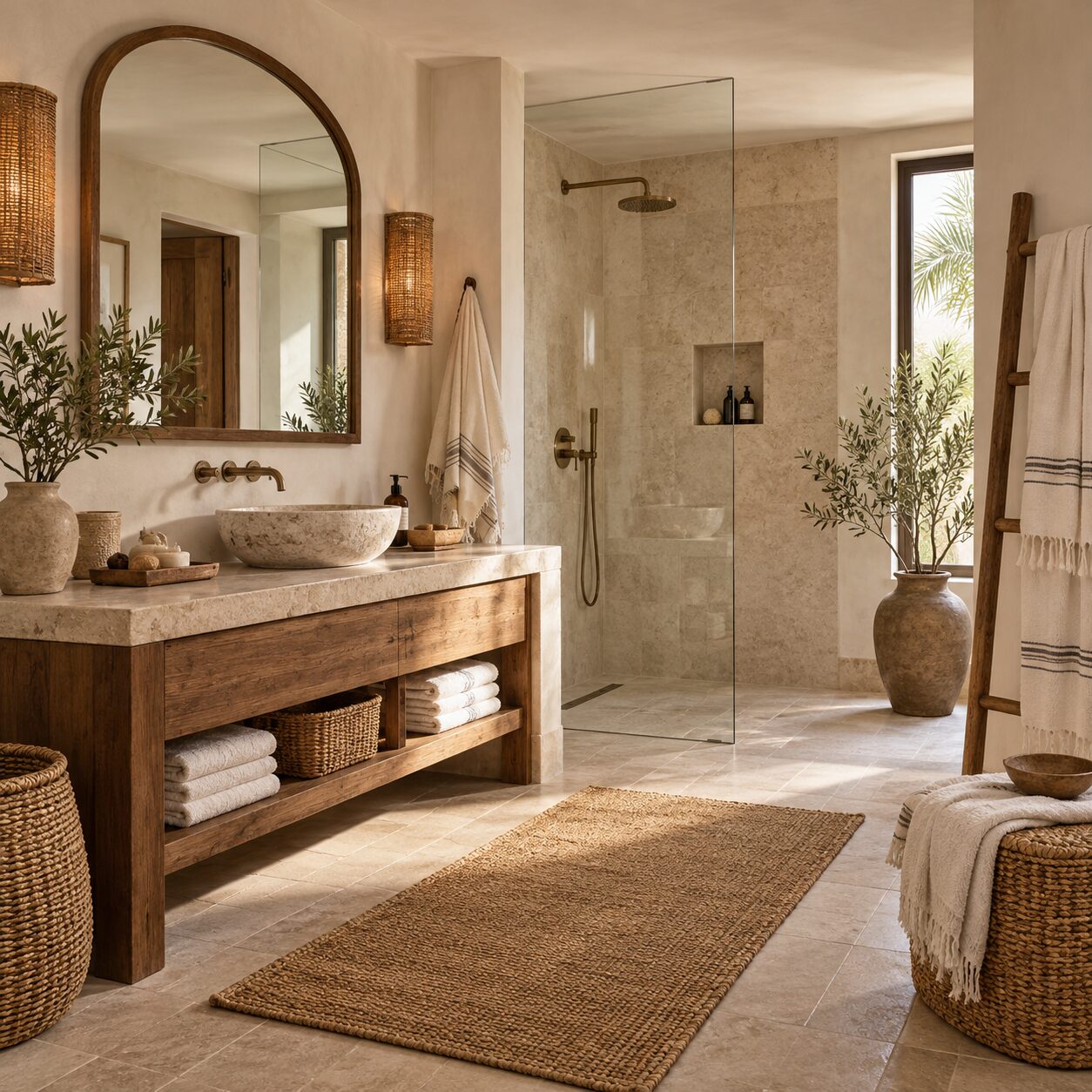
Good towels and a couple of woven baskets for storage make a bathroom feel like a hotel. Everything else is optional.
How to Make Inexpensive Pieces Look Expensive
- Group objects in odd numbers. Three small vases look curated; one looks lost.
- Add texture. A mix of woven, knitted, wooden and ceramic surfaces makes a room look rich, even when every piece was modestly priced.
- Use trays. A Halfa Round Tray on a coffee table gathers loose items into one neat, styled arrangement.
- Hang curtains high and wide. Mounting them close to the ceiling makes windows and rooms feel bigger.
- Keep surfaces clear. Space around objects is what makes them look special.
Common Mistakes
- Buying everything at once and ending up with a room that looks like a catalogue page.
- Spending on small trends and running out of money for the rug or lighting.
- Skimping on fillers and wondering why cushions look flat.
- Choosing the cheapest rug, which wears out fast and drags the room down.
- Ignoring measurements, then buying pieces that do not fit.
- Filling every surface instead of leaving room to breathe.
Quick Checklist
- Think in cost per use, not price tag
- Spend on the rug, comfort, lighting and one statement piece
- Save on covers, greenery, storage and small accessories
- Shop your home and edit before buying
- Phase purchases over months
- Keep a list with room measurements
- Repeat colours to make modest pieces look planned
A Beautiful Home, Built Wisely
A well-decorated home is the result of good decisions, not big spending. Put your money into the pieces that work hardest and last longest, save on the things that change with the seasons, and let the room grow with you over time.
Browse handmade rugs, throws, lamps, baskets and accessories across every budget at coccarohome.com, and start with the piece that will make the biggest difference.
Shop the Look